Gorilla trekking briefing: What the park rangers tell you at the start
Before entering Bwindi Impenetrable National Park or Mgahinga Gorilla National Park in Uganda, every gorilla trekking visitor must attend a briefing conducted by park rangers. This morning session prepares you for the forest walk, explains how to behave around mountain gorillas and introduces the rules designed to protect both visitors and wildlife.
For first-time trekkers, the briefing is an important part of the experience. You learn what to expect during the hike, how the park assigns visitors to gorilla families, what to do if a gorilla approaches and how to behave during the one-hour encounter.
The briefing also gives rangers an opportunity to assess visitors’ physical readiness, organise trekking groups and communicate information received from the trackers who entered the forest earlier that morning.
Although the exact arrangements can vary between trekking sectors and depending on daily conditions, the main conservation and safety principles remain consistent.
Understanding what happens during this session helps you arrive prepared and begin your gorilla trekking experience with confidence.
Where does the gorilla trekking briefing take place?
In Uganda, the briefing takes place at the designated Uganda Wildlife Authority headquarters for your assigned trekking sector.
Bwindi has four main trekking sectors: Buhoma, Ruhija, Rushaga and Nkuringo. Each has its own briefing location and ranger team. If you have a permit for Rushaga, for example, you should report to the Rushaga briefing point rather than another sector.
Visitors trekking in Mgahinga Gorilla National Park normally receive their briefing at the Ntebeko park headquarters.
In Rwanda, visitors trekking in Volcanoes National Park attend their briefing at the Kinigi park headquarters.
Your tour operator or lodge should confirm the correct meeting point before your trekking date. This is important because some accommodation facilities are located several kilometres from the briefing station.
What time does the briefing start?
Gorilla trekking briefings in Uganda generally take place early in the morning, with visitors commonly asked to arrive around 7:00 am to 7:30 am. The exact reporting time can vary by sector and daily arrangements.
A useful approach is to arrive before the stated reporting time rather than risk missing the session.
If you are staying at a lodge near Buhoma, Ruhija, Rushaga or Nkuringo, you may only need a short transfer to the briefing point. Visitors travelling from further away should arrange an early departure with their driver.
The morning programme normally includes registration, permit verification, an introduction to the ranger team, the briefing, group allocation and preparation for departure.
Do not assume that you can arrive late and receive a separate briefing. Attendance is part of the official trekking process.
Registration and permit verification
The first stage involves confirming that you are authorised to participate in the trek.
Park staff may check your passport details against the permit information to confirm your identity and eligibility. In Uganda, the minimum age for standard mountain gorilla trekking is 15 years.
You should have your passport available and keep your permit details and payment confirmation accessible if requested.
This process helps park authorities manage the number of visitors entering the forest and ensure that each person is assigned to the correct trekking group.
The standard maximum is eight visitors per habituated gorilla family per day. This limit helps control human activity around the gorillas and reduces the risk of disease transmission.
Once registration is complete, the ranger team begins the main briefing.
Introduction to the park rangers and trekking team
The briefing is usually led by an experienced Uganda Wildlife Authority ranger or guide.
The ranger explains the day’s arrangements, introduces the people responsible for leading the trek and provides information about the forest environment.
You may also learn about the work of trackers, who normally enter the forest early to locate the gorilla families. They communicate their findings to the ranger guides, helping the park organise visitors and plan the walking routes.
Your ranger guide will remain responsible for leading your group, explaining forest conditions and ensuring that everyone follows the rules.
The ranger may also explain the role of porters and how you can hire one before entering the forest.
This is a good time to ask questions about the walking route, expected difficulty, personal equipment and any concerns you may have.
How rangers assign visitors to gorilla families
One of the most important parts of the briefing is the allocation of visitors to gorilla families.
Bwindi has several habituated groups distributed across its four trekking sectors. Each family has its own home range and daily movement patterns.
Trackers provide information about the groups’ latest locations. Rangers use this information when organising visitors for the day’s treks.
The allocation process may consider several factors, including your physical fitness, mobility, the number of visitors and the location of available gorilla families.
For example, a visitor who has difficulty walking long distances may explain this to the ranger. The team can consider that information when assigning a suitable group, although it cannot guarantee an easy trek.
Visitors travelling together should also communicate if they wish to remain in the same trekking group. Final allocation remains under the park authorities’ control.
You should not assume that you can choose a particular silverback or gorilla family. You can select your preferred trekking sector when arranging your permit, but the specific family assignment is generally made by the ranger team.
Rangers ask about your physical fitness
Gorilla trekking takes place in mountainous rainforest, and the walking conditions can be demanding.
During the briefing, visitors may be asked about their fitness, walking experience and physical limitations. Be honest when explaining your abilities.
Bwindi has steep hills, muddy slopes, exposed roots and thick vegetation. Some gorilla families may be relatively close to the starting point, while others can require several hours of walking to reach.
Your physical condition helps rangers understand what kind of trek may be manageable for you.
If you have knee problems, difficulty climbing, a previous injury or another mobility concern, explain it before the groups leave.
Hiring a porter can also help. A porter carries your backpack and may offer a steady hand on difficult sections of the trail. You can arrange this at the briefing point.
However, a porter cannot make every trail accessible. If you have significant mobility limitations, discuss your options with your tour operator and park authorities before travelling.
The health rules: Why sick visitors may not trek
One of the most important subjects covered during the briefing is disease prevention.
Mountain gorillas share a large proportion of their genetic material with humans and are susceptible to several human respiratory infections. A common cold, influenza or another contagious illness can pose a serious health risk to them.
For this reason, visitors who are sick with an infectious illness should not enter the forest to see gorillas.
If you develop a cough, fever, flu symptoms or another potentially contagious condition before your trek, inform your tour operator and park authorities. Do not hide symptoms simply because you have already paid for your permit.
Rangers may prevent visibly ill visitors from participating to protect the gorillas.
You may also be instructed to wear a face mask during the encounter or follow additional health precautions under the current park guidelines.
The purpose is to reduce the possibility of transmitting infections between humans and gorillas.
Maintaining the required distance from gorillas
Rangers explain the minimum viewing distance that visitors must observe when they reach the gorilla family.
The required distance is intended to reduce disturbance and limit the transmission of infectious diseases.
Uganda’s published conservation guidance has specified a minimum distance of 10 metres in some official rules, while older guidance and some other trekking destinations have used different distances. Follow the current instructions given by your ranger rather than relying on an old travel article or information from another park.
If a gorilla moves closer to your group, do not attempt to touch it or move towards it for a photograph. Follow the ranger’s instructions and allow the animal space to move naturally.
Mountain gorillas are wild animals, even when they belong to habituated families. Their familiarity with people does not mean they are domesticated or safe to approach without restrictions.
What to do if a gorilla approaches you
Rangers explain how visitors should respond if a gorilla approaches unexpectedly.
The most important instruction is to remain calm and follow the ranger’s directions.
Do not run, scream, reach towards the gorilla or attempt to move closer. Avoid sudden movements and do not challenge the animal by staring aggressively.
If instructed, crouch down, remain quiet and avoid direct eye contact. Allow the ranger to manage the situation.
A silverback may display dominant behaviour, beat its chest, vocalise or move towards visitors. These actions can be intimidating, but they do not automatically mean that an attack will follow.
Your ranger understands gorilla behaviour and will guide the group on what to do.
Never attempt to copy gorilla sounds, provoke a reaction or interfere with interactions between family members.
Keeping quiet in the forest
Another important part of the briefing concerns noise.
Rangers ask visitors to keep their voices low throughout the trek. Loud talking, shouting and unnecessary noise can disturb wildlife and make it harder for the group to observe the gorillas naturally.
You may encounter birds, monkeys and other forest animals along the way. Remaining quiet also increases your chances of noticing these species.
When you approach the gorilla family, the ranger may ask everyone to speak very softly or remain silent.
Avoid calling the gorillas to attract their attention. Do not imitate their vocalisations or make sudden noises to encourage them to look towards your camera.
The aim is to observe their natural behaviour without creating unnecessary disturbance.
Photography rules explained by the rangers
Most visitors want photographs of their gorilla encounter, so the ranger normally explains the photography rules before the trek begins.
Flash photography is prohibited because sudden flashes can disturb the gorillas.
Switch off your camera flash before entering the forest and check your camera or phone settings. Do not assume that the flash will remain disabled automatically, especially if you use different camera modes.
Rangers may also remind visitors to avoid sudden movements while taking photographs.
You should not move closer to a gorilla simply to obtain a better picture. Stay within the permitted viewing area and follow the ranger’s instructions.
If a gorilla approaches, put your camera down if necessary and concentrate on following the ranger’s directions.
Photographs are important souvenirs, but responsible behaviour must always come first.
Eating, drinking and smoking restrictions
Rangers explain that visitors must not eat, smoke or consume food while in the presence of the gorillas.
Food can attract animals, create unnecessary disturbance and introduce risks associated with human contact.
Keep your snacks and packed lunch inside your bag until the appropriate break or until you have left the gorilla viewing area.
Smoking is also prohibited during the tracking experience.
You should carry drinking water for the hike, but follow the ranger’s instructions about when and where you can drink.
Never leave food wrappers, plastic bottles or other rubbish in the forest.
What happens if you need to cough or sneeze?
Because gorillas are vulnerable to human respiratory infections, rangers explain how to respond if you need to cough or sneeze while near them.
You should cover your mouth and nose, turn away from the gorillas and follow the current health instructions from your guide.
Avoid coughing or sneezing directly towards the animals or other visitors.
If you feel unwell during the trek, inform your ranger rather than continuing without saying anything.
These precautions may seem simple, but they are important for protecting a population that faces significant disease risks.
The one-hour gorilla viewing rule
The briefing also explains how long visitors can remain with the gorilla family.
For standard gorilla trekking in Uganda, visitors are allowed a maximum of one hour with the habituated group after locating it.
The viewing period begins when the group reaches the gorillas, not when it leaves the park headquarters.
The limit helps reduce disturbance and controls the amount of time gorillas spend in close proximity to visitors.
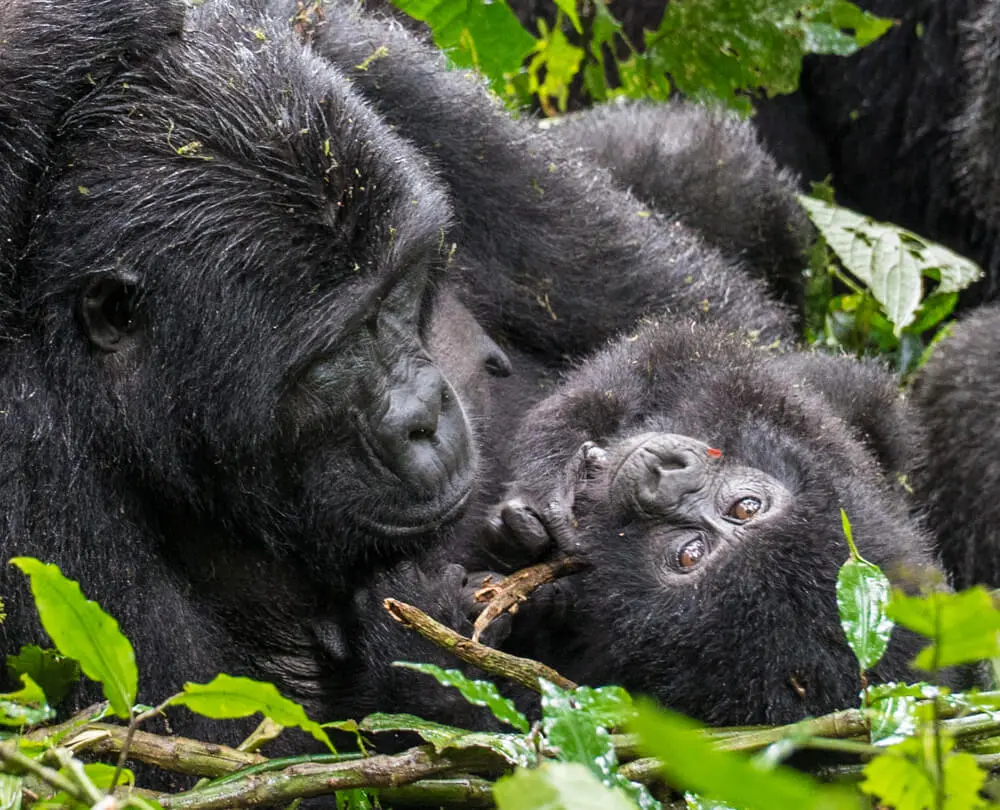
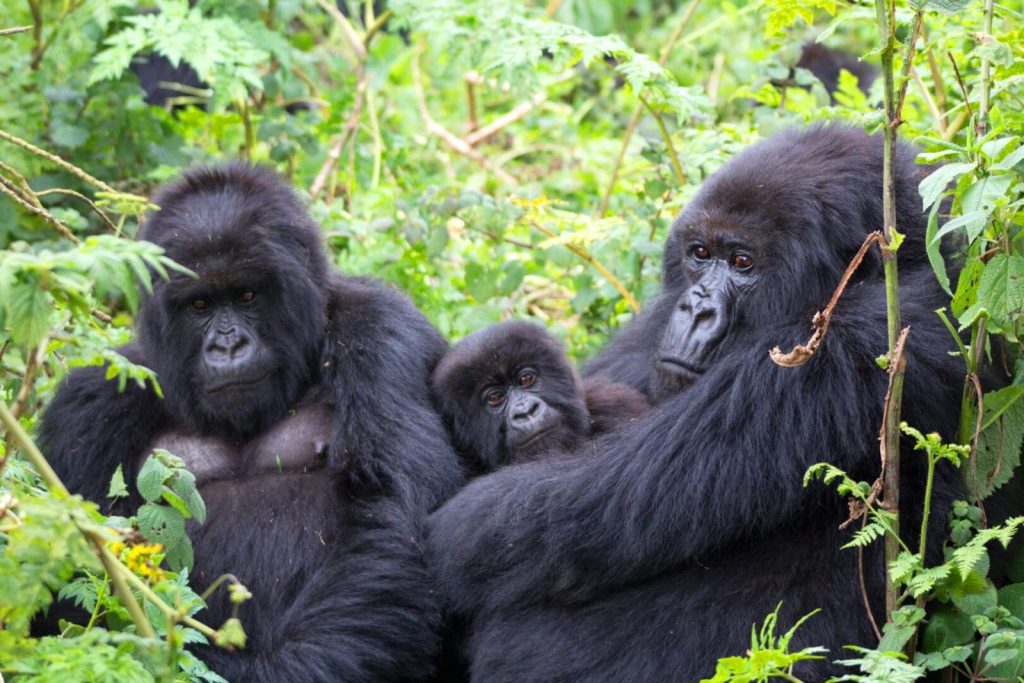
During the encounter, you may observe the silverback, adult females, infants and juveniles going about their daily activities.
Rangers monitor the family’s behaviour and may end the visit earlier if conditions require it.
Once the hour is complete, the guide leads the group away from the gorillas.
The separate Gorilla Habituation Experience follows different rules and allows a longer period with a group undergoing habituation.
What to do if you become tired during the trek
Gorilla trekking can involve several hours of walking, and not every visitor has the same level of fitness.
Rangers usually explain that you should communicate if you become exhausted, feel unwell or struggle with the terrain.
Do not wait until you can no longer continue. Inform your guide when you need a break.
The group may pause while you rest, drink water or adjust your equipment. Your porter can also help carry your belongings and provide support on difficult sections.
If you experience serious discomfort, dizziness or breathing difficulties, tell the ranger immediately.
Your safety takes priority over reaching the gorillas quickly.
Forest rules and environmental protection
The briefing covers the importance of protecting Bwindi’s rainforest.
Visitors must remain with their ranger and avoid walking away from the designated trekking group. You should not pick plants, break branches unnecessarily or disturb wildlife.
Litter must be carried out of the forest. Even small items such as sweet wrappers, tissues and plastic packaging can pollute the environment.
If you need to use the toilet, inform your ranger. Park procedures require human waste to be managed appropriately, including digging and covering a hole where necessary and following the guide’s instructions.
Do not attempt to leave the trail to find a private place without permission.
These rules help protect the forest ecosystem and maintain a safe environment for wildlife and visitors.
Understanding hand signals and ranger instructions
During the trek, rangers may use simple verbal instructions and hand signals to communicate with visitors.
You may be asked to stop, move slowly, lower your voice, remain in position or follow a different route.
These signals are particularly useful when the group approaches the gorillas and talking needs to be reduced.
Pay attention to your guide even if you have visited mountain gorillas before. Every trekking day presents different conditions, and the ranger may need to respond to the behaviour of the family or changes in the terrain.
Do not walk ahead of the guide or separate from the group.
If you cannot hear an instruction, ask the ranger to repeat it rather than guessing what to do.
What happens after the briefing?
Once the briefing is complete, rangers finalise the trekking groups and introduce visitors to their assigned guides.
This is usually the time to arrange porter services, check your equipment and make sure you have enough drinking water.
You should confirm that your camera flash is disabled, your footwear is secure and your rain protection is accessible.
The ranger then leads the group towards the forest.
Trackers may already have located the assigned gorilla family, but the walking distance remains uncertain. Some groups are found relatively quickly, while others require several hours of hiking.
During the trek, your guide may receive updates from the tracking team and adjust the route accordingly.
When you finally reach the gorillas, the ranger gives additional instructions before the viewing period begins.
Questions you should ask during the briefing
The briefing is your opportunity to clarify anything you do not understand before entering the forest.
Useful questions include:
- How difficult is today’s expected trekking route?
- Has the tracking team located our assigned gorilla family?
- How long might we need to walk?
- Can I hire a porter at this location?
- What should I do if I become tired?
- What happens if a gorilla approaches?
- What are the current distance and photography rules?
- Where should I keep my backpack during the encounter?
- What should I do if I need the toilet?
- What happens if it rains heavily?
You do not need to ask every question if the ranger has already covered the subject. However, clarify anything that affects your safety, health or ability to complete the trek.
Frequently asked questions about the gorilla trekking briefing
Is the gorilla trekking briefing compulsory?
Yes. Visitors must attend the official briefing before entering the forest. It explains the rules, safety procedures and trekking arrangements.
How long does the briefing take?
It commonly takes around 20 to 30 minutes, although the duration can vary depending on the number of visitors and the information that needs to be communicated.
What time should I arrive at Bwindi park headquarters?
Visitors are generally expected to arrive around 7:00 am to 7:30 am, depending on the sector’s instructions. Confirm the exact reporting time before your trekking date.
Can I choose which gorilla family I visit?
You can select your preferred trekking sector when booking your permit, but the specific family is normally assigned by the park authorities on the trekking morning.
Can I hire a porter after the briefing?
Porters are generally available at the trekking starting points. It is best to arrange one before the group enters the forest.
What happens if I arrive late?
You may miss registration, the briefing or the group allocation process. Contact your tour operator immediately if you expect to arrive late, but do not assume that the park will delay departure.
Can I trek if I have a cold?
Visitors with contagious illnesses should not enter the forest because they can transmit infections to mountain gorillas. Inform the park authorities if you develop symptoms before the trek.
Do rangers explain what to do if a gorilla charges?
Yes. They explain how to remain calm and follow instructions if a gorilla approaches or displays threatening behaviour. You should never run, shout or attempt to confront the animal.
Is the briefing the same for Gorilla Habituation Experience visitors?
The basic conservation and safety principles are similar, but the habituation experience has additional instructions because visitors spend more time with a group that is still becoming accustomed to human presence.
Prepare well before entering the rainforest
The gorilla trekking briefing is an essential part of your visit to Bwindi or Mgahinga. It prepares you for the physical demands of the forest, explains the rules around mountain gorillas and gives the ranger team an opportunity to organise visitors responsibly.
Arrive on time, listen carefully and be honest about your physical condition. Ask questions when you need clarification, hire a porter if you would benefit from assistance and make sure your equipment is ready before departure.
Once the trek begins, follow your ranger’s instructions throughout the walk and during the gorilla encounter. The rules protect the animals, visitors and the future of gorilla tourism.
Your time with the mountain gorillas may last only one hour, but the briefing helps ensure that you enter their natural habitat with the preparation and respect the experience requires.