Why gorilla trekking is limited to eight visitors per group
Gorilla trekking is one of the most carefully controlled wildlife experiences in Africa. Whether you visit Bwindi Impenetrable National Park or Mgahinga Gorilla National Park in Uganda, or Volcanoes National Park in Rwanda, you will find that the number of tourists allowed to visit a habituated mountain gorilla family is strictly limited. For standard gorilla trekking, a maximum of eight visitors can visit one gorilla family in a day.
This limit is a conservation measure designed to protect mountain gorillas from human diseases, reduce disturbance, and preserve their natural behaviour. It also helps park authorities manage tourism responsibly in forests where wildlife protection must remain the priority.
For visitors, the eight-person rule may seem restrictive, particularly when travelling with a large family or group of friends. However, the restriction has important reasons behind it. Understanding these reasons helps you appreciate why gorilla trekking operates differently from ordinary wildlife safaris.
Protecting gorillas from human diseases
The most important reason for limiting gorilla trekking groups to eight people is disease prevention. Mountain gorillas are closely related to humans and can catch several infectious diseases from people. Common illnesses such as colds, influenza and other respiratory infections can seriously affect their health.
A respiratory infection that causes mild symptoms in a person can become dangerous for a gorilla. Mountain gorillas have limited natural protection against some human diseases, and an outbreak within a family can affect several individuals. Young gorillas, older members and individuals with weaker immune systems may face particularly serious consequences.
Every visitor who enters the forest creates a potential route for disease transmission. Larger groups bring more people into close proximity with the gorillas, increasing the number of possible sources of infection. Limiting each visit to eight tourists reduces that exposure.
The group-size restriction works alongside other health precautions. Visitors who have a cold, flu or another contagious illness must not participate in the trek. Rangers may also remind visitors to cover their mouths when coughing or sneezing, avoid touching the gorillas and maintain the required distance.
These measures are important because protecting mountain gorillas requires controlling the risks associated with every human encounter.
Reducing stress and disturbance
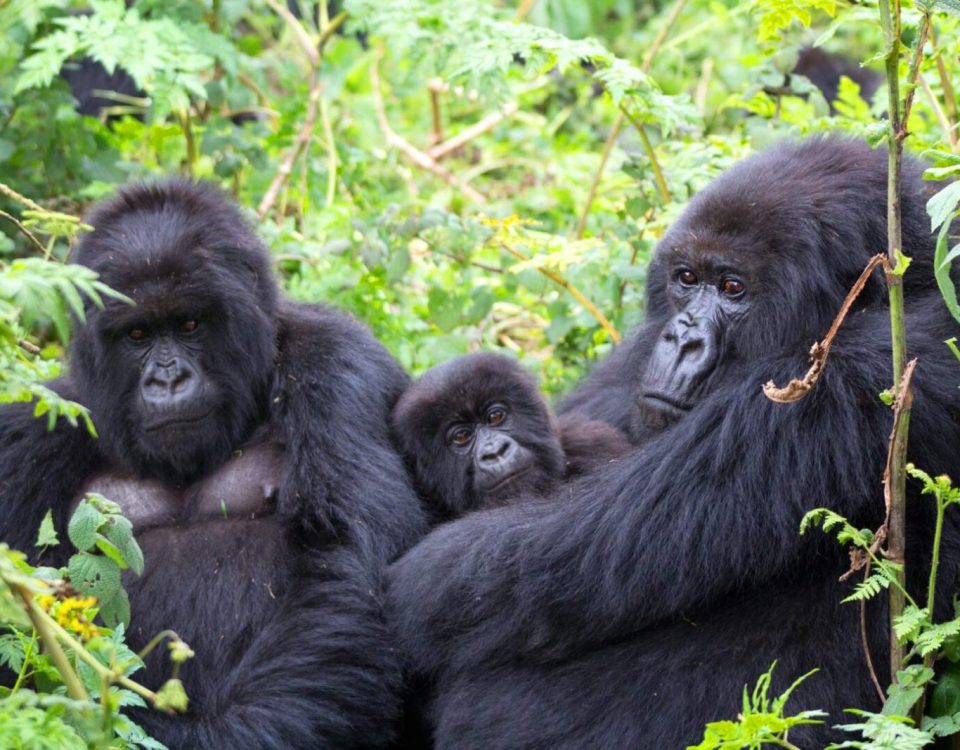
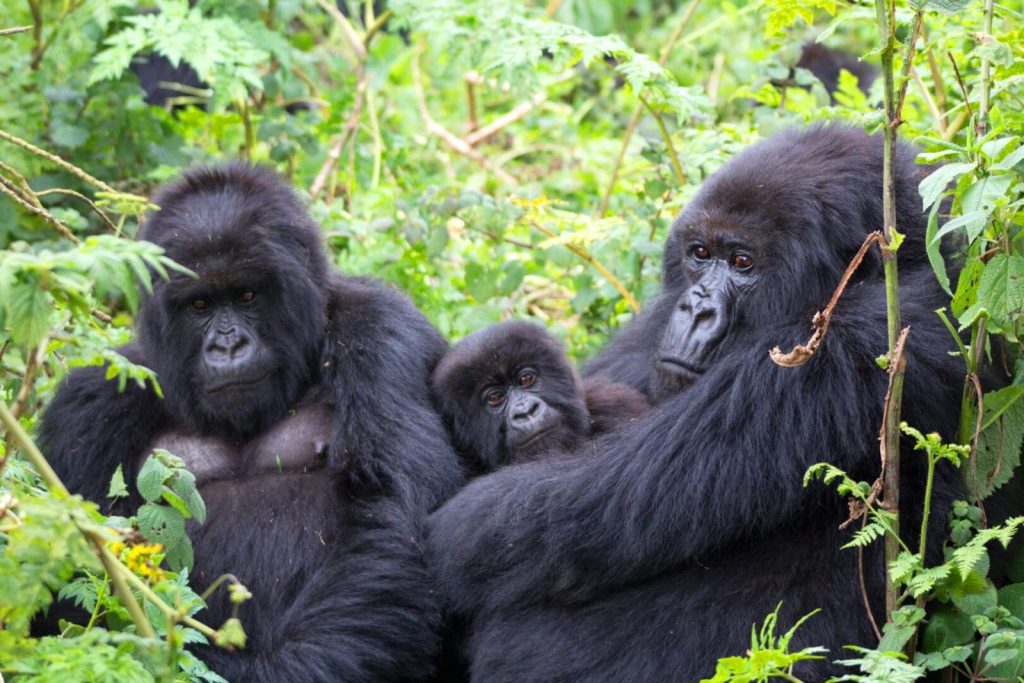
Mountain gorillas live in family groups with established social structures. Their daily activities include feeding, resting, grooming, playing, moving through the forest and caring for young members. Although habituated gorillas have gradually become accustomed to the presence of people, they remain wild animals.
A large crowd can create unnecessary disturbance. More visitors may produce additional noise, movement and activity around the family. Some gorillas may become uncomfortable when too many people surround them, particularly when visitors move unpredictably or struggle to follow instructions.
A maximum of eight tourists helps keep the encounter controlled. Rangers can position visitors carefully, explain where everyone should stand and respond quickly if the gorillas change direction.
The smaller group also makes it easier for visitors to remain quiet and observe the animals without creating excessive movement. This allows the gorillas to continue many of their normal activities during the encounter.
The aim is to make human presence as limited and predictable as possible. A successful gorilla trek should allow visitors to observe the family while causing minimal disruption to its daily routine.
Preserving natural gorilla behaviour
Habituation allows mountain gorillas to tolerate the presence of authorised researchers, trackers and tourists. The process takes time and involves gradually introducing human presence until a family becomes comfortable enough for controlled visits.
However, habituation does not mean that gorillas become domesticated or lose their natural instincts. They still make their own decisions, communicate with other family members, respond to changes in their surroundings and move freely through the forest.
Too many visitors could interfere with these natural behaviours. A crowded viewing area might make it difficult for gorillas to feed, rest or move comfortably. It could also change how individual members respond to people.
The eight-person limit helps reduce this pressure. Visitors have enough space to observe the family without creating a large gathering around the animals.
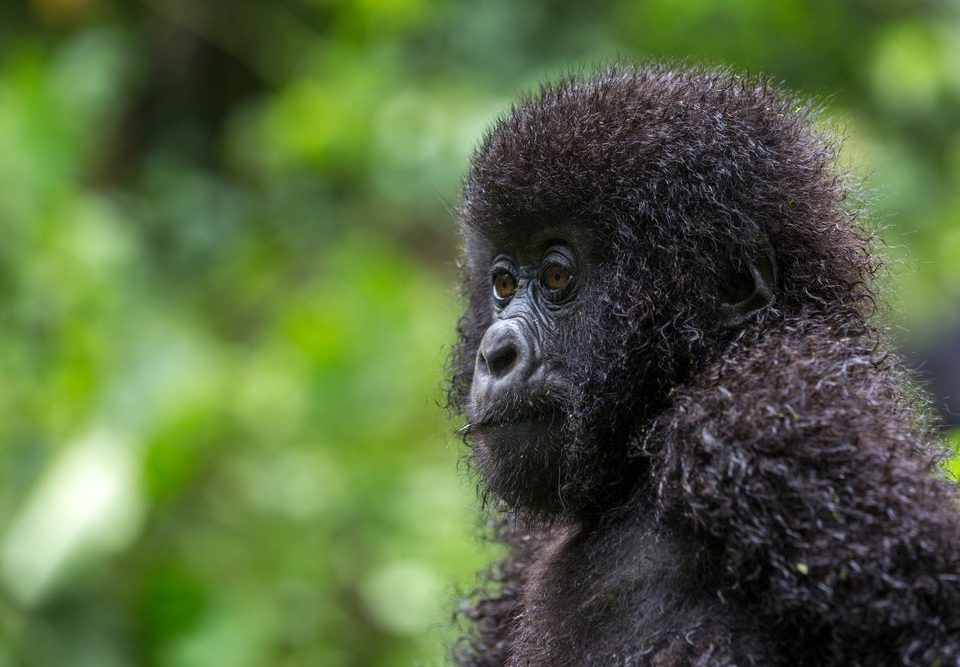
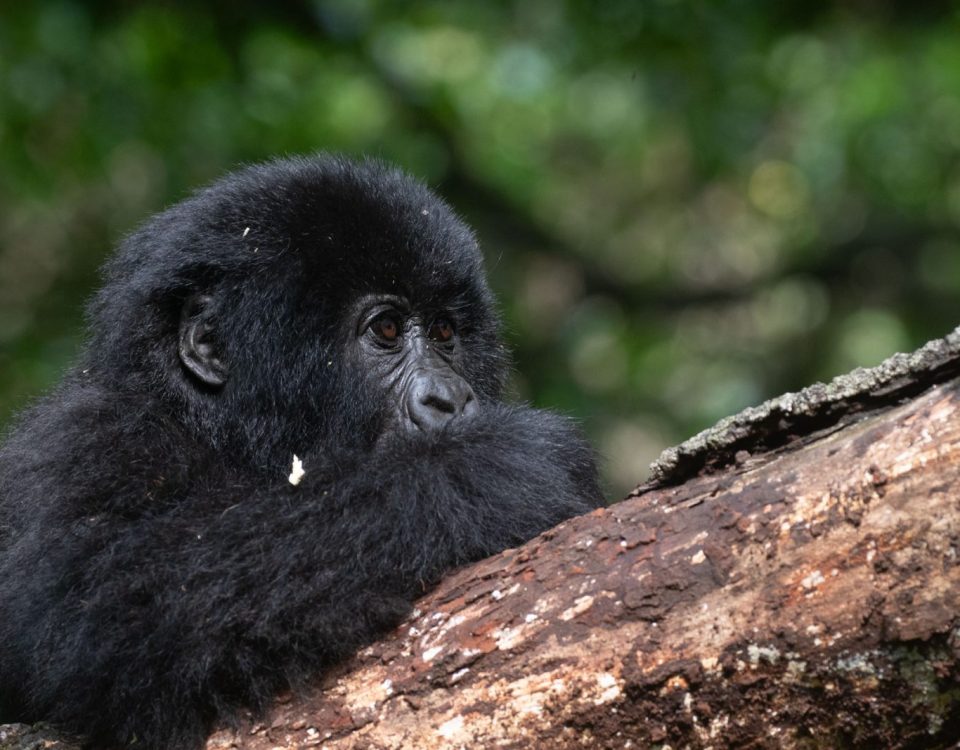
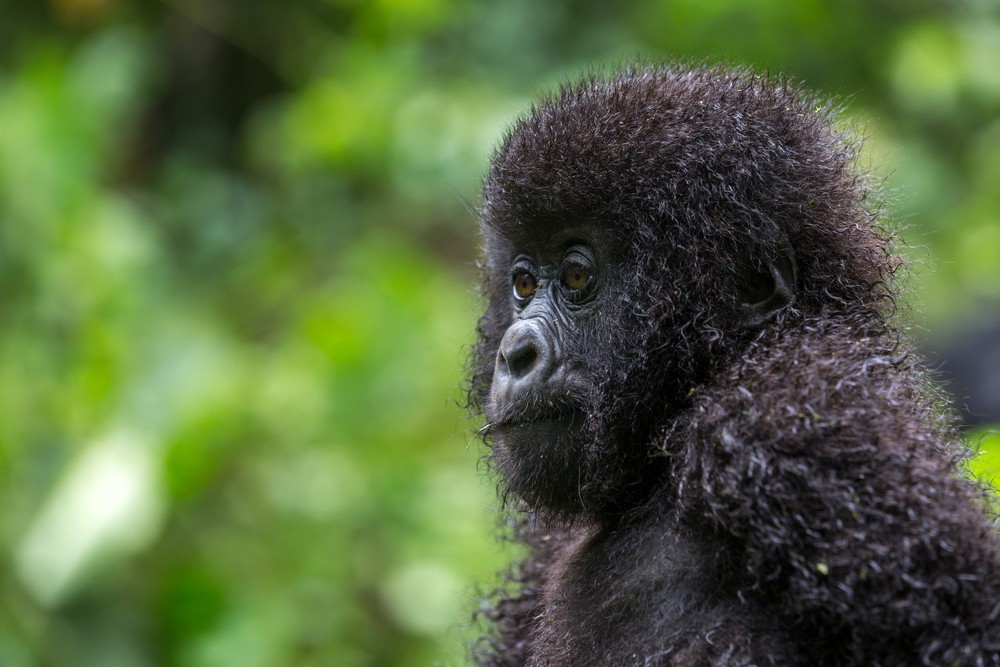
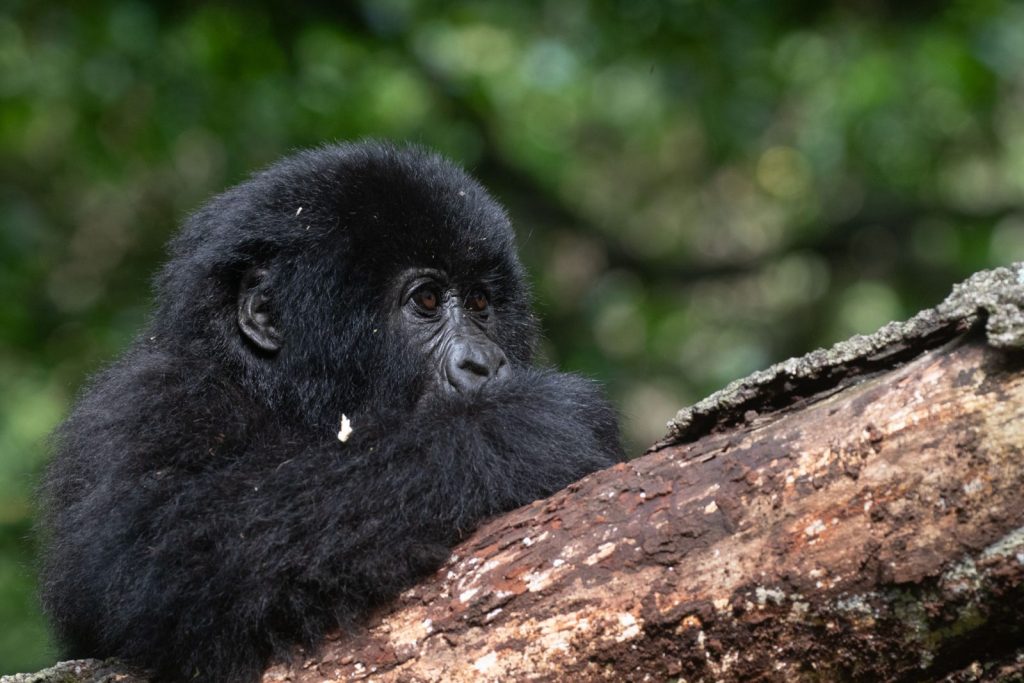
This is particularly important when a family includes young gorillas. Babies often play, climb, explore and interact with other members. A quiet encounter gives them more opportunity to continue these activities without unnecessary disturbance.
Limiting the human footprint in the forest
Gorilla trekking takes place in sensitive mountain forest habitats. Bwindi, Mgahinga and Volcanoes National Park contain important ecosystems that support gorillas, forest elephants, monkeys, birds, butterflies and many other species.
Tourism brings people into these habitats every day. Visitors walk along forest trails, cross vegetation and gather near the gorilla families. Although trekking operations are carefully managed, repeated human activity can still affect the environment.
Larger groups create a greater physical footprint. More people may widen narrow trails, disturb vegetation, produce additional noise and leave behind more waste if visitors fail to follow park rules.
Restricting each gorilla trekking group to eight people helps control the number of tourists entering the forest to visit a particular family. This supports responsible tourism and reduces unnecessary pressure on the habitat.
Visitors also have a responsibility to protect the forest. You should remain on the routes directed by your ranger, avoid damaging plants, carry your rubbish out and follow instructions throughout the trek.
Allowing rangers to manage encounters safely
Rangers play an important role in protecting both visitors and gorillas. They lead trekking groups, communicate with trackers, explain gorilla behaviour and ensure that tourists follow the rules during the encounter.
Managing eight visitors is easier than controlling a much larger crowd in thick forest. The ranger can monitor everyone’s position, give instructions and respond quickly when the gorillas move.
This matters because gorilla encounters do not take place in a controlled viewing enclosure. The animals may walk towards visitors, move behind vegetation, climb trees or change their position unexpectedly. The terrain can also be steep, muddy and difficult to navigate.
A smaller group allows the ranger to maintain better control. Visitors can hear instructions more clearly and respond quickly when asked to move, remain still or give the gorillas additional space.
The restriction therefore supports the organisation of the trek and helps prevent avoidable problems during the encounter.
Making the one-hour viewing period manageable
Standard gorilla trekking usually allows visitors to spend a maximum of one hour with the gorilla family after finding it. This viewing period is also controlled to limit the amount of time tourists spend near the animals.
The eight-person rule works together with the one-hour limit. Each habituated family receives a small group of visitors for a short, supervised encounter rather than being exposed to large crowds throughout the day.
During the hour, visitors can observe feeding, grooming, resting, movement and interactions between family members. The group must remain together and follow the ranger’s instructions.
A smaller party makes it easier to organise this experience. Everyone has a better opportunity to see the gorillas, take photographs without flash and listen to the guide’s explanations.
The viewing period ends when the allocated time expires, even if the gorillas are still nearby. Rangers enforce the limit because the animals need time without tourist visits.
Why each gorilla family receives only one tourist group per day
The eight-person limit is also connected to how often a habituated gorilla family receives visitors. Under the standard trekking system in Uganda and Rwanda, each family is allocated one tourist group per day.
This means that the eight-person allowance is not repeated several times with different groups visiting the same family throughout the day. Once the allocated group has completed its visit, that family does not receive another standard tourist group that day.
The arrangement limits repeated exposure to people and gives the gorillas more uninterrupted time to follow their normal routines.
Park staff and trackers may continue monitoring gorilla movements and health for conservation purposes. These activities are different from tourist visits and form part of the ongoing work required to protect the population.
How the eight-person rule affects gorilla permits
The group-size restriction directly affects the number of gorilla trekking permits available each day.
Each habituated family open to tourism can accommodate a maximum of eight visitors under the standard trekking programme. Therefore, the number of available permits depends partly on how many families the park has approved for tourism.
For example, if a park has ten families available for standard trekking on a particular day, those families can accommodate a combined maximum of eighty visitors. If fewer families are available, the number of permits also decreases.
This explains why gorilla permits are limited and why popular dates can sell out well in advance. Demand for gorilla trekking is high, but conservation rules prevent park authorities from increasing visitor numbers simply to accommodate more tourists.
The limited supply is a deliberate part of managing gorilla tourism. Visitors should therefore secure permits early, especially when planning to travel during popular periods such as June, July, August, December and January.
What happens if you are travelling with more than eight people?
The eight-person restriction applies to each gorilla family, not necessarily to the total number of people travelling together on a safari.
If you are travelling with a group of ten, twelve or more people, the park cannot assign everyone to the same gorilla family for one standard trek. The group may need to be divided between different habituated families, depending on permit availability and the park’s allocation arrangements.
For example, a group of twelve visitors may be divided into two trekking groups. Eight people could visit one family while the remaining four visit another family.
This arrangement requires careful planning because both groups need valid permits for the same trekking date. The park also needs suitable family allocations.
Large groups should arrange permits early and communicate their preferred arrangements when booking. Travelling together does not guarantee that everyone will trek to the same gorilla family.
If you want to share the encounter with friends or relatives, discuss the group allocation before confirming your travel arrangements.
Does the eight-person rule include rangers and porters?
The eight-person limit refers to tourists visiting a habituated gorilla family. It does not mean that only eight people, including all park staff, can enter the forest.
A standard trekking group is accompanied by trained park personnel. These may include the lead ranger-guide, additional ranger support and trackers who locate and monitor the gorilla family.
Porters may also accompany visitors who hire them to carry backpacks and assist with difficult sections of the trail. Their role is to support trekkers, particularly on steep, muddy or uneven terrain.
The number of people involved in the wider trekking operation can therefore be higher than eight. However, the tourist allocation remains capped at eight visitors per family.
Park staff have specific responsibilities connected to conservation, visitor management and safety. Their presence should not be confused with additional tourist permits.
Is the eight-person limit the same in Uganda and Rwanda?
Uganda and Rwanda both apply the maximum of eight tourists per habituated gorilla family for standard gorilla trekking.
In Uganda, visitors trek in Bwindi Impenetrable National Park and Mgahinga Gorilla National Park. Bwindi has several trekking sectors, including Buhoma, Ruhija, Rushaga and Nkuringo. Mgahinga operates from the Ntebeko area.
In Rwanda, standard mountain gorilla trekking takes place in Volcanoes National Park. Visitors receive their briefing at the park headquarters near Kinigi before heading into the forest.
The landscapes, trekking conditions, permit arrangements and prices differ between the two countries. However, the eight-person restriction follows the same conservation principle: limit the number of tourists exposed to each habituated gorilla family.
Visitors should follow the current instructions issued by the relevant wildlife authority because operational details and other trekking rules can change.
What about the gorilla habituation experience in Uganda?
Uganda offers a different activity known as the Gorilla Habituation Experience. It takes place in the southern part of Bwindi Impenetrable National Park and allows visitors to spend more time with a gorilla family that is still undergoing habituation.
Unlike standard gorilla trekking, the habituation experience generally allows a maximum of four visitors per group. The encounter can last up to four hours, subject to the programme’s rules and the instructions of researchers and park staff.
The smaller group size reflects the more specialised nature of the activity. Visitors accompany authorised personnel and learn about the gradual process of getting gorillas accustomed to human presence.
The habituation experience is not simply a longer version of ordinary trekking. It involves a different conservation activity, a different time commitment and a more restricted visitor allocation.
Travellers interested in this experience should check current permit availability and requirements before making their bookings.
Does the eight-person limit make gorilla trekking better for visitors?
Although the rule exists primarily to protect gorillas, it also improves the visitor experience.
A group of eight is generally easier to manage on narrow forest trails than a large crowd. Visitors can hear the ranger, follow instructions and move carefully through difficult sections of the forest.
During the encounter, a smaller group also reduces competition for viewing positions. You have a better opportunity to observe the gorillas without people constantly moving around you.
Photography can also become easier. You can position yourself according to the ranger’s instructions and take pictures without flash while avoiding unnecessary movement.
However, a small group does not guarantee perfect viewing conditions. Gorilla families move freely, vegetation can block your view and the terrain may limit where visitors can stand. The quality of the encounter depends on the gorillas’ behaviour and the conditions in the forest.
The main purpose remains conservation. A good visitor experience is a benefit of responsible management, not a reason to increase pressure on the animals.
How you can support the eight-person rule
Every visitor contributes to the success of gorilla conservation by respecting the restrictions established by park authorities.
Book a valid permit through the relevant wildlife authority or an authorised booking channel. Do not attempt to arrange an unofficial visit or pressure guides to allow additional people into the group.
Avoid trekking if you have a cold, flu or another contagious illness. Inform your tour operator and park staff if you become unwell before the activity.
During the encounter, keep the distance instructed by your ranger, speak quietly and avoid sudden movements. Never touch the gorillas, feed them or attempt to attract their attention.
Follow photography rules, switch off your camera flash and avoid blocking other visitors. Do not leave rubbish in the forest or damage vegetation while trying to obtain a better view.
Most importantly, listen to your ranger. The rules apply throughout the trek, from the morning briefing until you leave the forest.
Frequently asked questions about the eight-person gorilla trekking rule
Why are only eight tourists allowed to visit one gorilla family?
The limit reduces the risk of transmitting human diseases, lowers disturbance, controls the human footprint and makes it easier for rangers to manage the encounter.
Can a group of ten people visit the same gorilla family?
No. Standard gorilla trekking allows a maximum of eight tourists per habituated family. Larger groups must be divided between different families if suitable permits are available.
Are rangers included in the eight-person limit?
No. The limit applies to tourist visitors. Rangers, trackers and other authorised park personnel may accompany the group as part of their official duties.
Can I book a private gorilla trek for two people?
You can arrange a private safari with your own vehicle, driver and accommodation. However, standard gorilla trekking is generally shared with other permit holders assigned to the same family. Paying for a private safari does not automatically reserve all eight trekking places.
Do Uganda and Rwanda follow the same group-size rule?
Yes. Both countries limit standard tourist visits to a maximum of eight people per habituated gorilla family.
Is the gorilla habituation experience also limited to eight visitors?
No. Uganda’s Gorilla Habituation Experience generally allows a maximum of four visitors per group and offers a longer encounter under a different conservation programme.
Does every gorilla family receive eight visitors daily?
No. Eight is the maximum, not a guaranteed number. A family may receive fewer visitors depending on permit bookings and park arrangements.
A conservation rule that protects every encounter
The eight-person gorilla trekking limit is a carefully managed conservation measure. It reduces the number of people who come into contact with vulnerable mountain gorillas, helps prevent disease transmission, limits disturbance and keeps tourism within controlled levels.
For travellers, the restriction means permits are limited and large groups may need separate allocations. However, it also creates a more manageable encounter in which visitors can observe gorillas under the guidance of trained park personnel.
When you visit Bwindi, Mgahinga or Volcanoes National Park, remember that the gorillas’ welfare comes first. The eight-person rule helps ensure that tourism continues to support their protection while allowing visitors to experience these remarkable animals in their natural forest habitat.