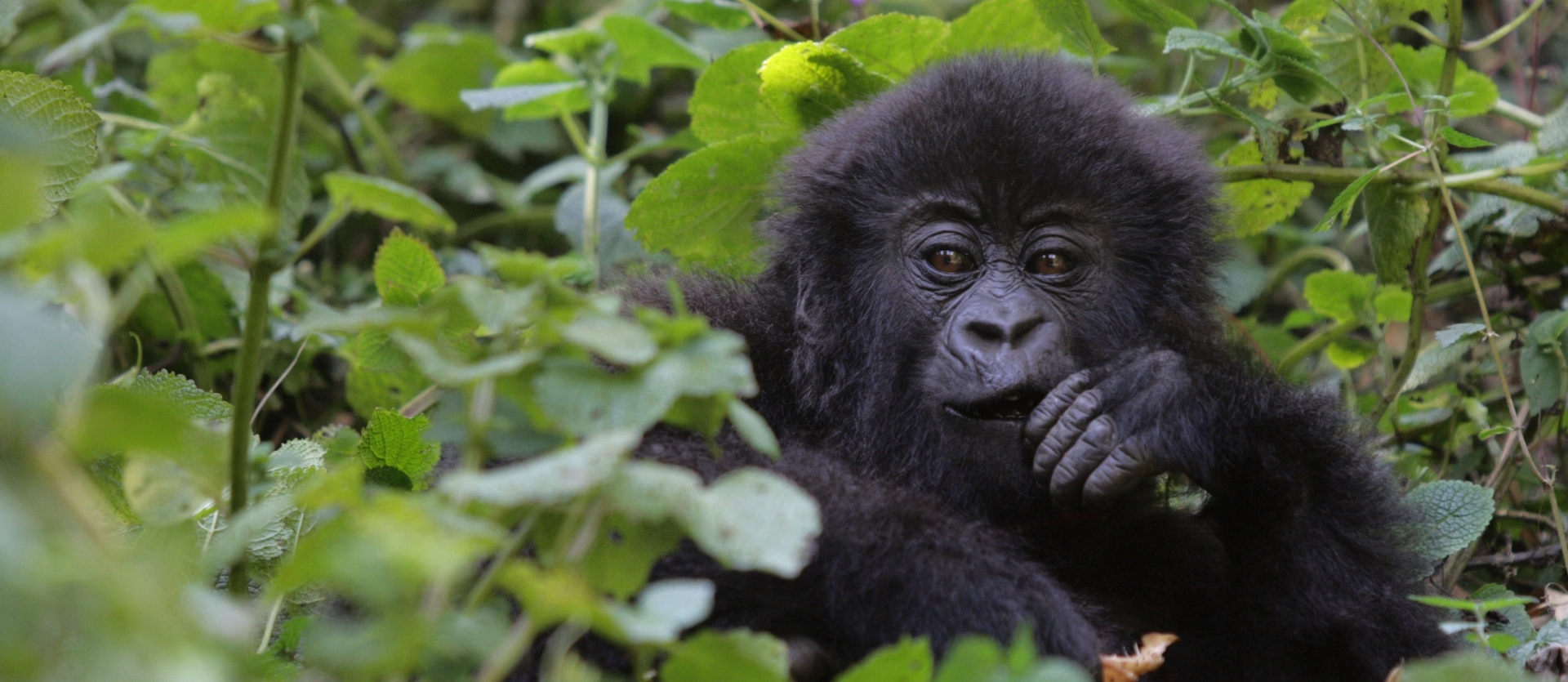
Gorilla Trekking in June, July and August: The Peak Season Guide
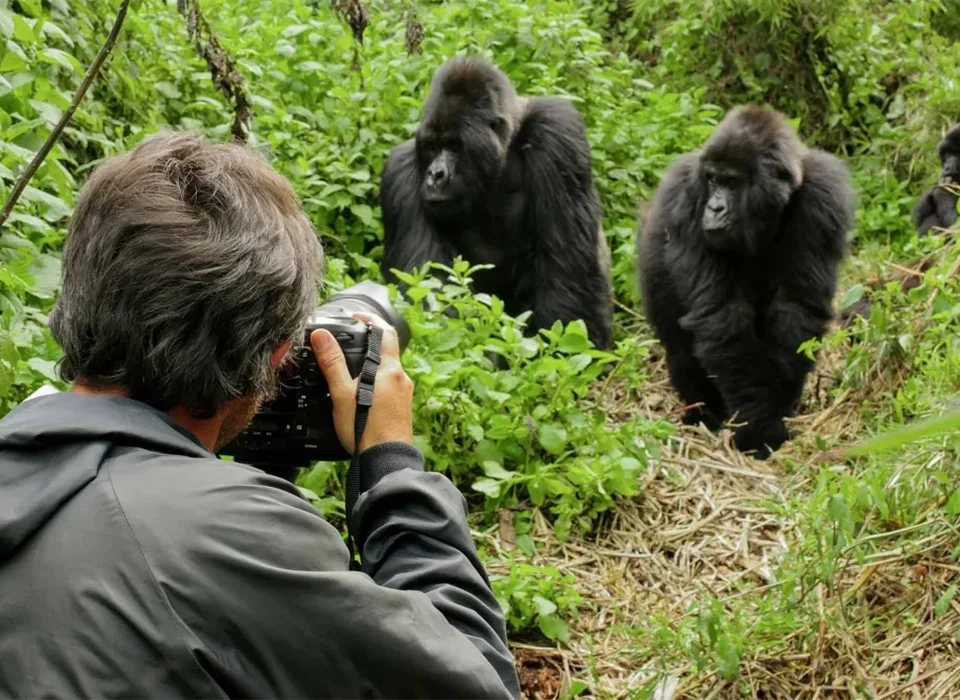
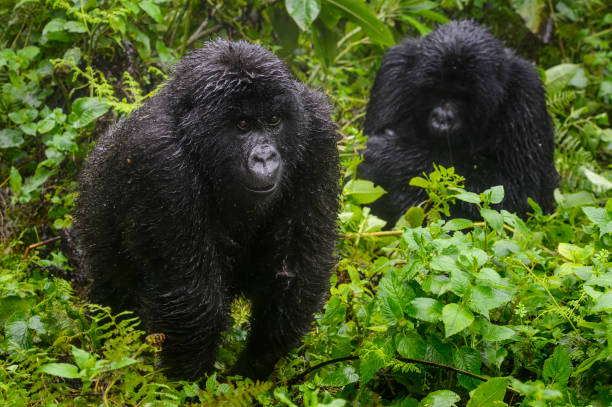
Gorilla trekking in June, July and August is particularly popular among travellers visiting Uganda and Rwanda during the main dry season. These months generally offer favourable forest walking conditions, relatively low rainfall and excellent opportunities to combine mountain gorilla encounters with traditional African wildlife safaris.
Bwindi Impenetrable National Park, Mgahinga Gorilla National Park and Volcanoes National Park attract international visitors during this period, including families, honeymooners, photographers and organised safari groups.
Although the weather is generally favourable, mountain forests remain unpredictable, and rainfall can occur at any time. High demand for gorilla permits and accommodation also makes advance reservations essential.
Understanding the differences between June, July and August helps you select suitable travel dates, prepare your trekking equipment and organise a comfortable peak-season gorilla safari.
Gorilla Trekking in June, July and August Compared
Although these three months fall within the main dry season, there are differences in visitor demand, accommodation availability and general weather conditions.
| Travel consideration | June | July | August |
|---|---|---|---|
| Rainfall | Generally decreasing | Relatively low | Relatively low |
| Forest trails | Gradually becoming firmer | Generally favourable | Generally favourable |
| Visitor demand | Increasing | Very high | Very high |
| Permit availability | Limited | Highly competitive | Highly competitive |
| Accommodation demand | High | Very high | Very high |
| Recommended booking | 3–6 months ahead | 6–12 months ahead | 6–12 months ahead |
These booking periods are recommendations rather than official requirements. Availability depends on your preferred trekking destination and travel dates.
Gorilla Trekking in June
Weather and Forest Conditions
June marks the transition towards the main dry season in southwestern Uganda. Rainfall generally decreases, although forest trails may retain moisture from the preceding rainy months.
Visitors should expect occasional showers, particularly in densely forested areas. Temperatures are generally comfortable for walking, with cooler mornings at higher elevations.
June is suitable for travellers seeking favourable trekking conditions before the busiest international summer holiday weeks.
Visitor Numbers and Accommodation
Tourist arrivals generally increase during June as the international safari season begins.
Early June may offer better accommodation availability than July or August. However, popular forest lodges and trekking sectors can still become fully booked.
Travellers with flexible schedules should consider the first half of June.
Additional Wildlife Experiences
June is an excellent month for combining gorilla trekking with chimpanzee encounters in Kibale National Park, wildlife drives in Queen Elizabeth National Park and boat cruises along the Nile.
You can also extend your journey into Tanzania for wildlife viewing in the Serengeti.
Gorilla Trekking in July
Weather and Walking Conditions
July is generally among the drier months in southwestern Uganda and northwestern Rwanda. Reduced rainfall often results in firmer trails and more manageable walking conditions.
However, steep hills, exposed roots and thick vegetation remain challenging regardless of seasonal weather.
Carry waterproof clothing because unexpected showers are possible even during July.
Peak Tourist Demand
July attracts international families, organised safari groups, honeymooners and wildlife photographers.
Gorilla permits can sell out well ahead of departure, particularly in popular trekking sectors.
Accommodation near trekking headquarters may also have limited availability. Reserving permits and lodges several months ahead is advisable.
Combining Gorillas With the Wildebeest Migration
July is particularly attractive to visitors combining mountain gorilla trekking with wildlife safaris in Kenya or Tanzania.
Migrating wildebeest may be moving through northern Serengeti towards the Masai Mara, depending on rainfall and grazing conditions.
River crossings are unpredictable, so allow sufficient time for wildlife viewing rather than expecting a particular event on a specific date.
Gorilla Trekking in August
Weather and Trekking Conditions
August generally offers favourable forest walking conditions similar to July. Relatively dry weather can improve access to remote accommodation and gorilla trekking headquarters.
Nevertheless, mountain forests remain humid, and occasional rainfall can make certain trails slippery.
Visitors should prepare for cool mornings, comfortable daytime temperatures and changing weather throughout their trek.
Crowds and Booking Expectations
August remains a busy month because it coincides with international school holidays.
Families travelling with teenagers should secure gorilla permits early and confirm that every participating child meets the minimum trekking age of 15 years.
Popular accommodation facilities and domestic flights may also experience considerable demand.
Photography Opportunities
August provides rewarding opportunities for mountain gorilla photography, although bright sunlight passing through vegetation can create challenging shadows.
Photographers should carry versatile lenses, spare batteries and waterproof equipment protection. A camera capable of performing well under low-light conditions remains useful.
Best Gorilla Trekking Destinations During Peak Season
Bwindi Impenetrable National Park
Bwindi offers four trekking sectors: Buhoma, Ruhija, Rushaga and Nkuringo.
Each sector provides distinctive forest landscapes, accommodation options and walking conditions. Visitors should choose according to their interests, physical abilities and available permits.
Always confirm your trekking sector before reserving accommodation.
Mgahinga Gorilla National Park
Mgahinga offers mountain gorilla encounters within an attractive volcanic landscape.
Visitors can combine gorilla trekking with golden monkey trekking and community experiences. Permit availability is more limited than in Bwindi, making early reservations particularly important.
Volcanoes National Park
Rwanda’s Volcanoes National Park provides convenient access from Kigali, with road transfers generally taking two to three hours.
Its bamboo forests and volcanic scenery attract wildlife photographers, luxury travellers and visitors planning shorter gorilla safaris.
June, July and August fall within Rwanda’s main relatively dry season.
Gorilla Trekking Permit Prices During Peak Season
June, July and August fall outside Uganda’s discounted gorilla trekking permit periods. Visitors should therefore budget for standard permit charges.
| Visitor category | Uganda permit price |
|---|---|
| Foreign non-residents | $800 |
| Foreign residents | $700 |
| Rest of Africa | $500 |
Rwanda’s standard international gorilla trekking permit costs US$1,500 per person.
Uganda offers discounted permits during April, May and November, making these alternative months attractive to budget-conscious travellers.
For two international visitors, standard gorilla permits alone cost $1,600 in Uganda or $3,000 in Rwanda.
Remember that permit prices exclude accommodation, transport and other safari expenses.
Advantages of Peak-Season Gorilla Trekking
The main advantage of travelling during June, July and August is the relatively favourable weather. Forest paths are generally firmer, while mountain roads may be easier to navigate.
These conditions can benefit senior travellers, inexperienced hikers and visitors carrying photography equipment.
Peak-season travel also provides excellent opportunities to combine gorilla trekking with wildlife viewing in other East African destinations.
Community visits, outdoor dining and guided nature walks may be easier to organise when rainfall is limited.
Disadvantages of Peak-Season Gorilla Trekking
High demand is the principal disadvantage of travelling during these months. Popular accommodation facilities, domestic flights and gorilla permits require early reservations.
Some lodges also charge higher seasonal accommodation rates.
Visitors with inflexible travel dates may need to select alternative trekking sectors when their preferred destination is fully booked.
Despite increased tourist numbers, standard gorilla trekking groups remain limited to eight visitors per habituated family.
Recommended Booking Schedule
Planning several months ahead helps you secure suitable accommodation and avoid unnecessary itinerary changes.
| Booking period | Recommended action |
|---|---|
| 6–12 months before | Confirm travel dates and gorilla permits |
| 4–6 months before | Reserve accommodation and flights |
| 2–3 months before | Arrange additional safari activities |
| 1 month before | Confirm travel documents and insurance |
| 1 week before | Check equipment and transfer arrangements |
Request written permit confirmation before making other non-refundable reservations.
What to Pack for Peak-Season Gorilla Trekking
Relatively dry weather does not eliminate the need for protective forest clothing.
Your essential equipment should include waterproof hiking boots, long trousers, lightweight shirts, gardening gloves, a rain jacket, insect repellent and a comfortable backpack.
Carry drinking water, energy snacks, spare camera batteries and warm clothing for early mornings.
Hiring a porter can make trekking more comfortable, particularly when carrying heavy photography equipment.
Frequently Asked Questions
Which is better for gorilla trekking, June or July?
June may offer better booking flexibility, while July generally experiences favourable dry-season conditions. Both months provide rewarding gorilla encounters.
Is August too crowded for gorilla trekking?
August is busy, but visitor restrictions help manage encounters. Booking early remains important.
Are gorillas easier to find during the dry season?
Not necessarily. Gorilla movements determine trekking distances, while seasonal weather primarily influences walking conditions.
Can I combine gorilla trekking with the Great Wildebeest Migration?
Yes. July and August are particularly attractive for combined gorilla and migration safaris, although migration movements remain unpredictable.
Does it rain in Bwindi during August?
Yes. Bwindi is a tropical rainforest where unexpected showers can occur throughout the year.
Gorilla trekking in June, July and August offers favourable seasonal conditions, rewarding wildlife combinations and comfortable travel opportunities. June may suit travellers seeking greater booking flexibility, while July and August are particularly attractive for extended East African wildlife holidays. Reserve permits early, prepare for changing forest weather and select accommodation carefully.