Gorilla Trekking in the Rain: How to Stay Dry and Enjoy It
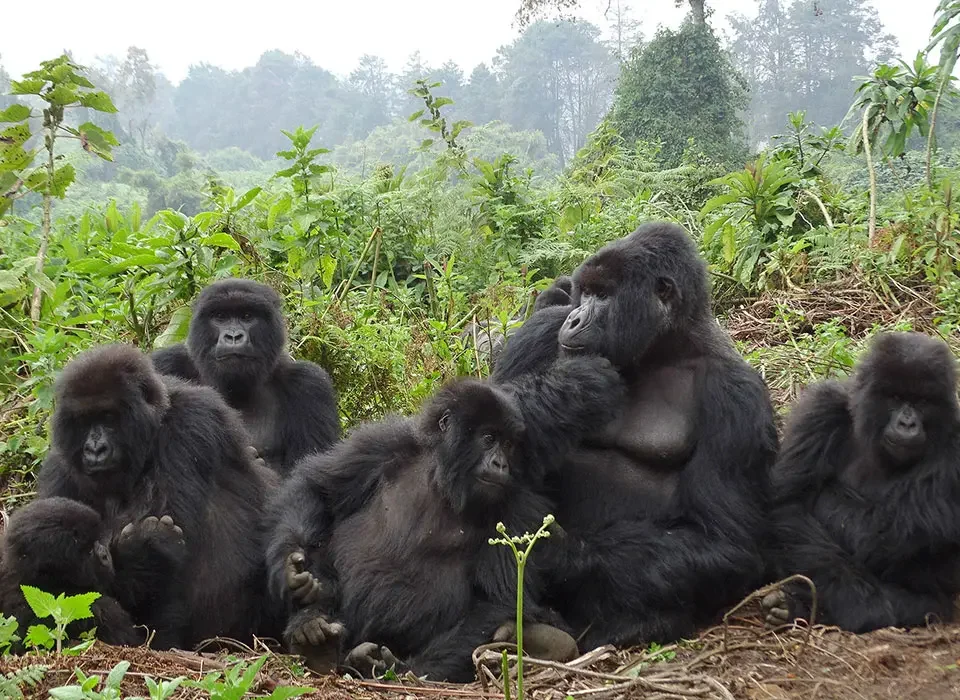
Gorilla trekking in the rain can be a rewarding experience when you prepare properly for wet forest conditions. Mountain gorillas inhabit tropical forests in Uganda and Rwanda, where rainfall occurs throughout the year, including during relatively dry months. Although wet weather can make walking more challenging, it does not necessarily prevent visitors from enjoying remarkable gorilla encounters.
Bwindi Impenetrable National Park, Mgahinga Gorilla National Park and Volcanoes National Park all experience unpredictable mountain weather. Visitors should therefore carry waterproof clothing, suitable hiking boots and protective equipment regardless of their travel dates.
Understanding how to navigate slippery trails, protect your belongings and remain comfortable during rainfall can improve your trekking experience. With appropriate preparation, you can concentrate on observing mountain gorillas rather than worrying about wet clothing or muddy paths.
Does Gorilla Trekking Continue When It Rains?
Yes. Gorilla trekking generally continues during rainfall in Uganda and Rwanda, provided park authorities consider forest conditions safe. Rain is a natural part of the mountain gorilla habitat, and these animals are accustomed to living in wet environments.
Experienced trackers continue monitoring habituated gorilla families during rainy weather. Rangers use this information to guide visitors through suitable forest routes.
Light and moderate rainfall rarely prevent trekking. However, severe weather, landslides or dangerous trail conditions may require changes to the planned activity.
Do not assume your trek will be cancelled simply because it is raining when you wake up.
What to Expect During Gorilla Trekking in the Rain
Wet forest conditions can make the experience considerably different from trekking during relatively dry weather.
You may encounter slippery slopes, muddy paths, exposed tree roots and water dripping from surrounding vegetation. Even after rainfall stops, moisture remains on leaves and branches.
Walking through thick vegetation can leave your trousers and sleeves wet. Morning temperatures may feel cooler, particularly in higher-altitude trekking sectors.
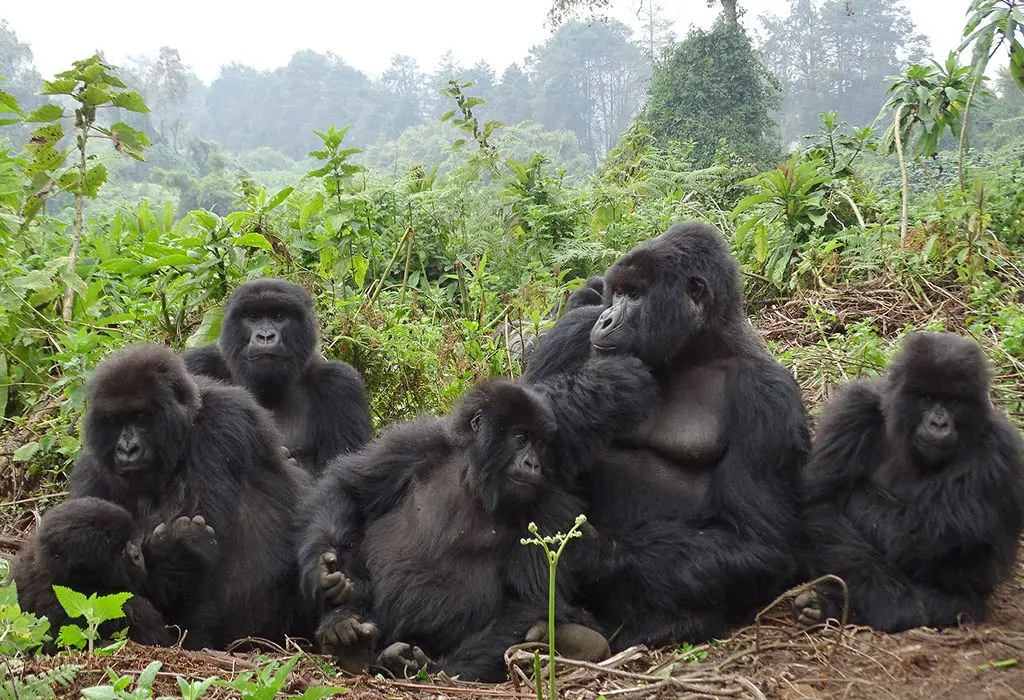
However, rainfall also brings attractive scenery, fresh vegetation and peaceful forest surroundings. Mist covering the hills creates beautiful photographic opportunities, while overcast conditions can provide soft natural lighting.
Best Clothing for Gorilla Trekking in the Rain
Choosing appropriate clothing is one of the most effective ways to remain comfortable during a rainy forest adventure.
Wear a Quality Waterproof Jacket
A lightweight waterproof jacket with an adjustable hood provides essential protection against rainfall.
Choose breathable material that allows body heat and moisture to escape during physical activity. A heavy, poorly ventilated jacket can become uncomfortable when climbing steep slopes.
Keep your jacket easily accessible rather than packing it underneath other belongings.
Choose Quick-Drying Trousers
Long hiking trousers made from quick-drying materials are preferable to ordinary jeans.
Denim absorbs considerable moisture, becomes heavy when wet and takes longer to dry. Lightweight trekking trousers provide better comfort and flexibility.
Waterproof overtrousers may offer additional protection during prolonged rainfall.
Wear Long-Sleeved Shirts
Long-sleeved shirts protect your arms against wet vegetation, insects, scratches and stinging plants.
Choose lightweight materials that dry quickly and remain comfortable during physical activity.
Use Waterproof Hiking Boots
Reliable hiking boots are particularly important during wet-season gorilla trekking.
Choose boots with deep tread, suitable ankle support and waterproof construction. Wear them several times before travelling to reduce the likelihood of developing blisters.
Avoid ordinary trainers, sandals and smooth-soled shoes because they provide insufficient grip on muddy forest trails.
Essential Equipment for Rainy Gorilla Trekking
| Equipment | Main purpose |
|---|---|
| Waterproof hiking boots | Better grip and foot protection |
| Hooded rain jacket | Protection against rainfall |
| Quick-drying trousers | Improved walking comfort |
| Waterproof gaiters | Keeping mud and water away from boots |
| Gardening gloves | Protection when holding vegetation |
| Waterproof backpack cover | Protecting personal belongings |
| Dry bags | Keeping electronics and clothing dry |
| Spare hiking socks | Replacing wet socks |
| Walking stick | Additional balance and stability |
| Microfibre towel | Drying hands and equipment |
Waterproof equipment reduces discomfort, although remaining completely dry throughout a forest trek may be difficult.
How to Walk Safely on Muddy Forest Trails
Take Short, Controlled Steps
Walking too quickly increases the likelihood of slipping on muddy slopes.
Take shorter steps and maintain a comfortable pace, particularly when descending steep terrain. Allow sufficient distance between yourself and other trekkers.
Your ranger understands the local terrain and can identify safer routes through difficult sections.
Use a Walking Stick
A walking stick provides additional stability when navigating slippery ground.
It can help you maintain balance when crossing uneven surfaces and descending hills.
Ask your guide or accommodation provider whether walking sticks are available before purchasing one.
Hire a Local Porter
Hiring a porter is particularly worthwhile during gorilla trekking in the rain.
Porters help carry backpacks, drinking water, packed lunches and photography equipment. They can also assist visitors when navigating difficult sections of forest trails.
Reducing the weight you carry allows you to concentrate on walking safely. Hiring porters also provides employment opportunities for neighbouring communities.
Protecting Your Camera and Electronics
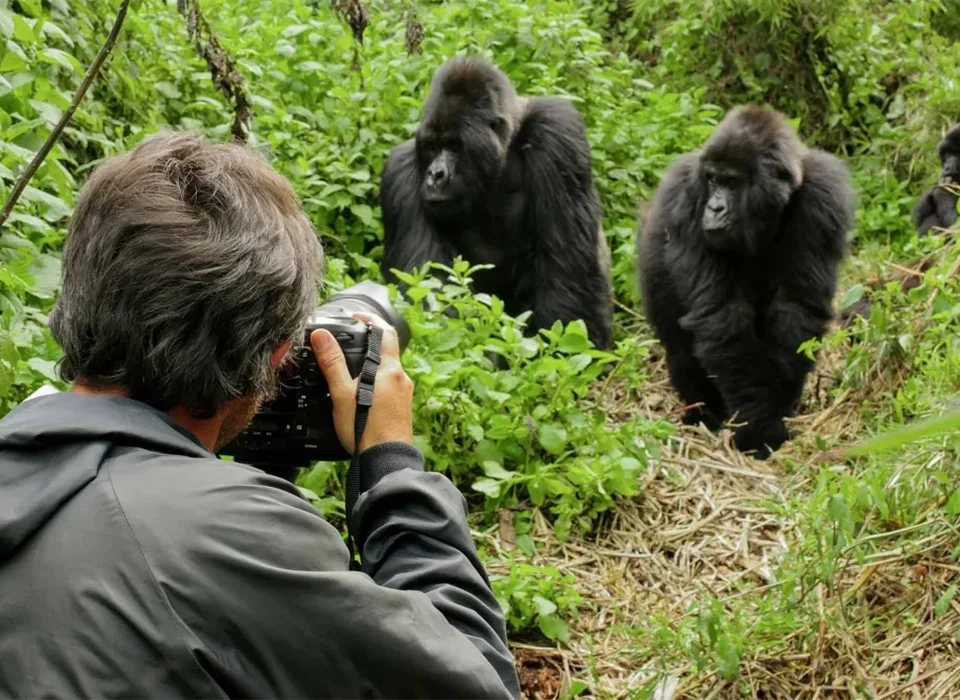
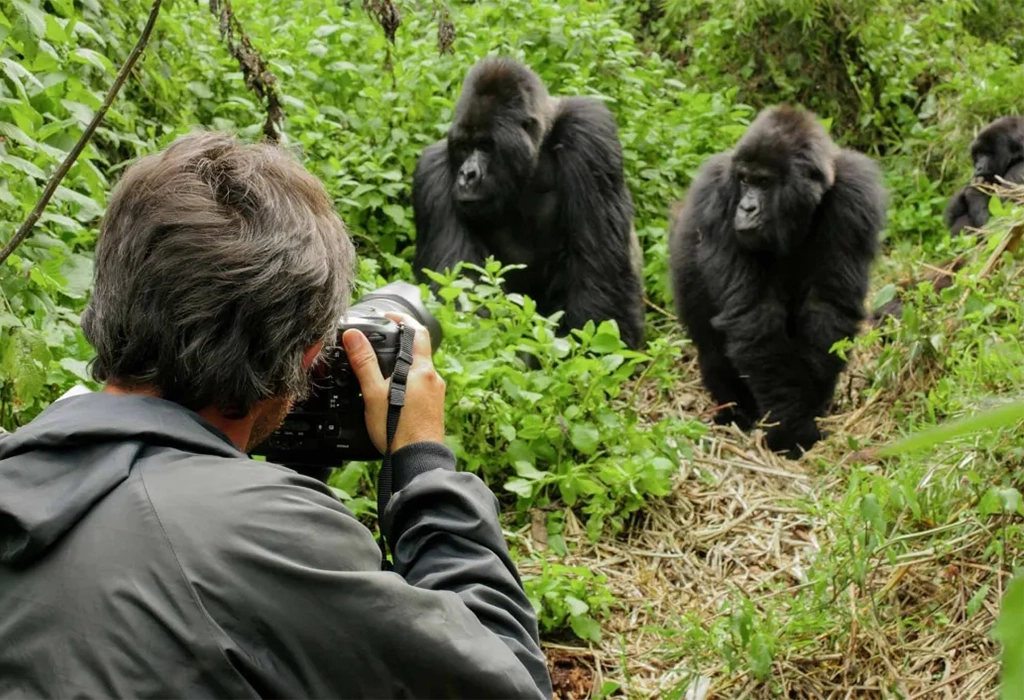
Rainfall and high humidity can damage expensive photography equipment. Preparing suitable protection before entering the forest is therefore essential.
Use Waterproof Storage Bags
Store cameras, mobile phones, spare batteries and memory cards inside waterproof dry bags when they are not in use.
A waterproof backpack cover provides additional protection, but water can still enter through openings and seams.
Using separate waterproof storage bags creates another protective layer.
Carry a Camera Rain Cover
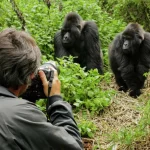
A dedicated camera rain cover allows photographers to continue taking pictures during light rainfall.
Keep a clean microfibre cloth available to remove water droplets from the lens.
Avoid changing lenses during heavy rainfall because moisture may enter the camera body.
Adjust Camera Settings
Rainy conditions often reduce available natural light. Photographers may need to increase ISO settings or use wider apertures to maintain suitable shutter speeds.
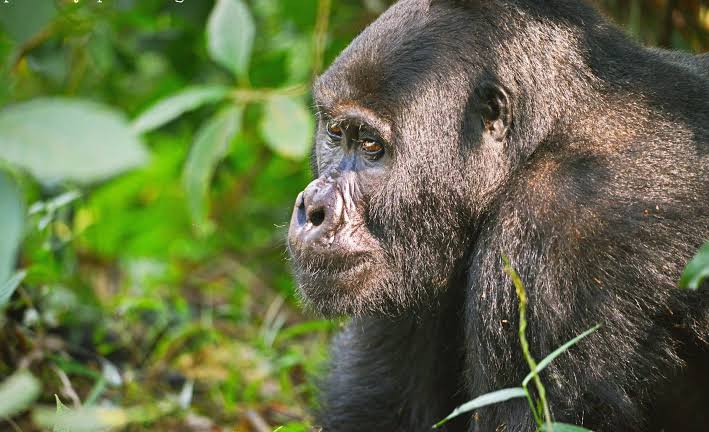
Overcast skies can provide soft lighting that helps reveal details in dark gorilla fur.
Remember that flash photography is prohibited during mountain gorilla encounters.
Best Months for Gorilla Trekking in the Rain
Uganda and Rwanda experience relatively wet conditions during two main periods each year.
| Month | General rainfall conditions |
|---|---|
| March | Increasing rainfall |
| April | Frequent and sometimes heavy rainfall |
| May | Continued rainy conditions |
| September | Transitional weather |
| October | Increasing rainfall |
| November | Frequently wet conditions |
Actual rainfall varies between destinations and years. Mountain forests can experience sudden showers during any month, so waterproof clothing remains essential throughout the year.
Advantages of Gorilla Trekking During Rainy Weather
Rainy conditions offer several advantages for travellers willing to manage challenging forest trails.
The surrounding vegetation appears particularly fresh and green. Photographers may appreciate softer natural lighting and beautiful misty landscapes.
Accommodation can be quieter outside popular travel periods, and some lodges offer seasonal discounts.
Travellers with flexible schedules may also find greater accommodation and permit availability, although reservations remain necessary.
How to Stay Warm During a Rainy Gorilla Trek
Mountain forests can feel surprisingly cold when your clothing becomes wet, especially when you stop walking to observe gorillas.
Wear several lightweight layers rather than one heavy garment. Carry a spare dry shirt or lightweight fleece inside a waterproof bag.
Drink water regularly, even when temperatures are cool. Carry sufficient snacks and eat when your ranger permits.
After returning to your accommodation, change into dry clothing, clean your boots and enjoy a warm meal.
Choosing Accommodation During the Rainy Season
Book a comfortable lodge close to your designated gorilla trekking headquarters. Shorter transfers reduce the time spent travelling along potentially muddy mountain roads.
Look for accommodation offering hot showers, laundry services, covered verandas and facilities for drying wet hiking equipment.
Some lodges assist guests with cleaning muddy boots after trekking. Confirm these services before booking.
Frequently Asked Questions
Do mountain gorillas hide when it rains?
Gorillas may shelter beneath vegetation, rest or adjust their movements during heavy rainfall. However, trackers continue monitoring habituated families throughout changing weather conditions.
Can I carry an umbrella during gorilla trekking?
A waterproof jacket is more practical. Umbrellas can become caught in vegetation and prevent you from using both hands for balance.
Will my gorilla permit be refunded if it rains?
Ordinary rainfall generally does not qualify for a refund. Applicable cancellation and refund arrangements depend on park authority regulations.
Should I wear waterproof gaiters?
Yes. Gaiters help prevent mud, water and vegetation from entering your hiking boots.
Is rainy-season gorilla trekking suitable for seniors?
It can be suitable for older travellers with appropriate fitness and assistance. However, relatively dry months may provide more manageable walking conditions.
Gorilla trekking in the rain requires suitable clothing, reliable footwear and careful preparation. Waterproof equipment, porter assistance and controlled walking can significantly improve your comfort. By accepting unpredictable forest weather and preparing accordingly, you can enjoy memorable mountain gorilla encounters regardless of rainfall.