Gorilla Trekking Porters: Why Hiring One Supports Local Communities
Beyond the practical physical assistance porters genuinely provide during gorilla trekking’s often quite demanding forest hikes, hiring one represents a meaningfully important way travellers can directly support local communities surrounding Bwindi Impenetrable Forest and Volcanoes National Park, creating genuine, direct economic opportunity from broader tourism revenue. This guide covers exactly what porters do, why hiring one genuinely matters beyond mere personal convenience, and how this simple decision meaningfully impacts the communities living alongside these celebrated conservation areas year-round.
What Porters Genuinely Do During a Gorilla Trek
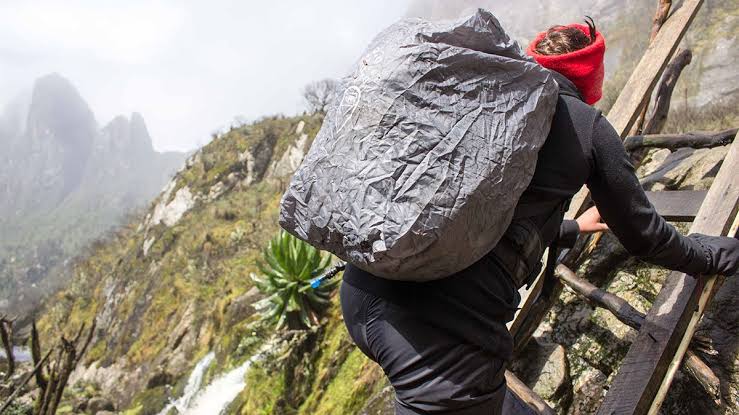
Porters genuinely carry trekkers’ daypacks, camera equipment, and other personal gear throughout the entire hike, while also providing genuine physical assistance navigating steep or muddy sections of the trail, allowing trekkers to conserve valuable energy for the demanding climb and the eventual gorilla encounter itself.
Why Porters Are Overwhelmingly Local Community Members
The vast majority of porters genuinely working at both Bwindi and Volcanoes National Park come directly from communities immediately surrounding these two parks, many of them former poachers who have genuinely transitioned into tourism-supported livelihoods following targeted community engagement programs carefully developed over recent decades.
How Porter Fees Directly Support Local Households
Porter fees genuinely go directly to the individual porter themselves rather than passing through a larger operator or agency, meaning this specific tipping and payment structure delivers immediate, direct economic benefit to local families rather than being diluted through much broader tourism revenue distribution channels elsewhere.
The Historical Context Behind Porter Employment Programs
Porter employment programs genuinely emerged partly as a deliberate, carefully considered conservation strategy, providing meaningful alternative income to communities that previously relied more heavily on poaching or forest resource extraction, directly linking tourism revenue to genuinely reduced pressure on the gorilla population itself over time.
Why Hiring a Porter Costs Relatively Little
Given how meaningful the community impact genuinely is, porter fees remain relatively modest compared to overall trip costs, permits, flights, and accommodation, making this a genuinely accessible way for nearly every single trekker to contribute directly to local economic development regardless of overall travel budget.
How Porters Enhance the Physical Trekking Experience
Beyond the community impact, porters genuinely provide practical, tangible value by allowing trekkers to move more comfortably through challenging terrain, particularly benefiting older travellers or those less accustomed to strenuous hiking, meaningfully improving overall trek enjoyment and personal safety throughout.
Common Misconceptions About Hiring a Porter
Some trekkers genuinely mistakenly assume hiring a porter suggests inadequate fitness or represents an unnecessary luxury, when in reality most experienced trekkers, including physically fit ones, hire porters specifically because of the genuine community benefit this decision delivers.
How Many Porters Trekkers Should Genuinely Consider Hiring
Most trekkers hire one porter per person, though those carrying substantial camera equipment or specifically wanting maximum community impact sometimes hire additional porters, recognizing that this decision creates more employment opportunities within the local community for each additional porter engaged.
Where and When to Hire a Porter During Your Trek
Porters are genuinely available for hire directly at the sector headquarters during the morning briefing, and travellers should confirm this arrangement with their guide upon arrival, since porter availability and specific hiring procedures can vary slightly between different trekking sectors.
How Porter Communities Have Organized Around This Opportunity
Many communities surrounding Bwindi and Volcanoes National Park have genuinely organized formal porter associations, ensuring fair rotation of employment opportunities among community members and maintaining consistent service standards for trekkers throughout the tourism season.
The Skills Porters Bring Beyond Physical Carrying
Beyond simply carrying gear, experienced porters genuinely bring valuable local knowledge of the specific terrain and forest conditions, often assisting trekkers with balance on difficult sections and providing genuine encouragement throughout the more physically demanding portions of the climb.
How This Employment Model Compares to Other Tourism Jobs
Porter work genuinely offers more accessible entry into tourism employment than roles requiring extensive formal training, like guiding, making it a particularly important economic opportunity for community members without access to more specialized tourism education or certification.
Long-Term Community Development Funded Through Tourism
Beyond direct porter fees, broader gorilla trekking tourism revenue genuinely funds community development projects, schools, health clinics, and infrastructure improvements, in villages surrounding both parks, with porter employment representing one direct, visible component of this larger economic relationship.
How Travellers Can Learn More About Porter Communities
Travellers genuinely interested in learning more about the communities their porter comes from can ask their guide about local village visits or cultural programs, often available as additional activities that provide deeper context beyond the brief interaction during the trek itself.
Tipping Etiquette Specifically for Porters
Beyond the base hiring fee, travellers should genuinely tip porters appropriately at the trek’s conclusion, recognizing their physical effort and community role, and researching appropriate tipping amounts in advance helps ensure fair, respectful compensation for this important service.
How Porter Employment Has Changed Community Attitudes Toward Conservation
Community members who genuinely benefit economically from porter work often develop a meaningfully different relationship with the surrounding forest and its gorilla population, shifting from viewing wildlife as competition for resources toward recognizing gorillas as a genuine source of sustainable household income.
Gender Representation Among Porters and Ongoing Progress
While porter work has historically skewed toward male community members, several programs around both parks have genuinely worked to expand opportunities for women porters, recognizing the broader economic empowerment benefits of ensuring tourism income reaches households more equitably across the community.
How Porter Numbers Have Grown Alongside Tourism Demand
As gorilla trekking tourism has genuinely expanded over recent years, the number of registered porters serving both Bwindi and Volcanoes National Park has grown correspondingly, reflecting sustained demand for this employment opportunity within surrounding communities eager to participate in tourism revenue sharing.
What Happens to Porter Fees During Off-Peak Seasons
Travellers should understand that porter employment genuinely fluctuates with overall tourism seasonality, meaning community members relying on this income experience meaningful variation between peak and shoulder seasons, another reason experienced advocates encourage hiring porters even during quieter travel periods.
How International Visitors Can Advocate for Porter Programs
Beyond simply hiring a porter during their own trek, travellers genuinely interested in supporting this employment model can share their positive experiences with fellow travellers and on review platforms, helping normalize porter hiring as a standard, expected part of the gorilla trekking experience.
How Porters Handle Different Weather and Terrain Conditions
Experienced porters genuinely adapt their approach based on current trail conditions, offering more hands-on physical support during muddy or slippery stretches following rain, and this adaptive expertise represents another genuine benefit beyond simple gear carrying that many trekkers only fully appreciate once experienced firsthand on a particularly challenging day.
Common Questions About Hiring Gorilla Trekking Porters
Travellers often ask whether hiring a porter is genuinely necessary for physically fit trekkers, and while not required, most experienced guides and conservation advocates encourage it regardless of fitness level specifically because of the meaningful community and conservation benefit this simple decision creates. Another common question concerns how porter fees are typically structured, and travellers should confirm current rates with their guide at the briefing, since these fees can be adjusted periodically to reflect fair community compensation standards.
How Porter Hiring Fits Into Broader Responsible Tourism Practices
Hiring a porter genuinely represents one specific, tangible action within the broader framework of responsible tourism practices travellers can adopt during a gorilla trekking trip, complementing other choices like supporting locally owned lodges and purchasing community-made crafts and souvenirs.
Why Guides Genuinely Encourage This Decision During Briefings
Most guides genuinely mention porter hiring during the morning briefing specifically because they’ve witnessed firsthand how meaningfully this decision impacts community members they know personally, adding genuine conviction to what might otherwise seem like a routine tourism suggestion.
Why This Decision Represents Genuinely Accessible Impact Tourism
Unlike some forms of impact tourism requiring significant additional planning or cost, hiring a porter genuinely represents one of the most accessible, low-effort ways travellers can meaningfully support local economic development, requiring only a brief conversation at the morning briefing rather than extensive advance arrangement.
Planning to Support Local Communities Through Porter Hire
Given how meaningfully this simple decision genuinely supports local communities and reinforces positive conservation incentives, travellers should genuinely consider hiring a porter as a standard part of their gorilla trekking preparation rather than an optional add-on. Done well, hiring a porter transforms a small additional expense into a genuinely meaningful contribution toward the communities and conservation success surrounding these extraordinary gorilla trekking destinations, extending the positive impact of a single trekking day well beyond the forest itself.
What Travellers Say After Experiencing Porter Support Firsthand
Many travellers who initially hired a porter purely for practical assistance genuinely describe coming away with a deeper appreciation for the broader community and conservation context surrounding their trek, transforming what began as a convenience decision into a genuinely meaningful part of their overall gorilla trekking memory.
Recommended Tours: 2 Days Rwanda Gorilla Trekking Safari | 3 Days Rwanda Gorilla Trekking for Beginners