How Walking Sticks and Trekking Poles Are Provided on the Trail
Given how genuinely steep, muddy, and physically demanding gorilla trekking terrain often proves, walking sticks and trekking poles represent a surprisingly important piece of trail equipment that many first-time trekkers don’t fully consider until actually facing the forest’s genuinely challenging conditions firsthand on the day itself. This guide covers exactly how walking sticks are typically provided during gorilla trekking, whether travellers should genuinely bring their own trekking poles, and how this simple equipment meaningfully affects overall trek comfort and safety throughout the hike.
How Walking Sticks Are Typically Provided at the Trailhead
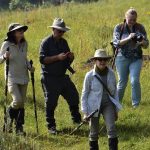
Most Bwindi and Volcanoes National Park sectors genuinely provide simple wooden walking sticks free of charge or for a small, genuinely nominal fee directly at the trailhead, cut and carefully prepared by local community members specifically for this purpose each morning before that day’s trekking groups actually depart.
Why These Locally Provided Sticks Genuinely Suffice for Most Trekkers
Despite their basic construction, these locally provided wooden walking sticks genuinely offer meaningful stability assistance on steep or slippery sections, and most trekkers genuinely find them entirely adequate for the actual physical demands of a standard gorilla trekking experience overall.
Whether to Bring Your Own Trekking Poles
Travellers with existing genuine hiking experience and their own quality trekking poles should genuinely consider bringing them along, since properly fitted, adjustable poles can genuinely offer superior support compared to a simple fixed-length wooden stick, particularly for those with specific joint concerns or ongoing balance needs.
How Local Sticks Support Community Livelihoods
The practice of providing locally cut and carefully prepared walking sticks genuinely creates a small but meaningful additional income opportunity for community members directly involved in their preparation, another genuine example of how gorilla trekking tourism generates diffuse economic benefits beyond the more prominent porter and guide employment roles.
Terrain Challenges That Genuinely Warrant Extra Support
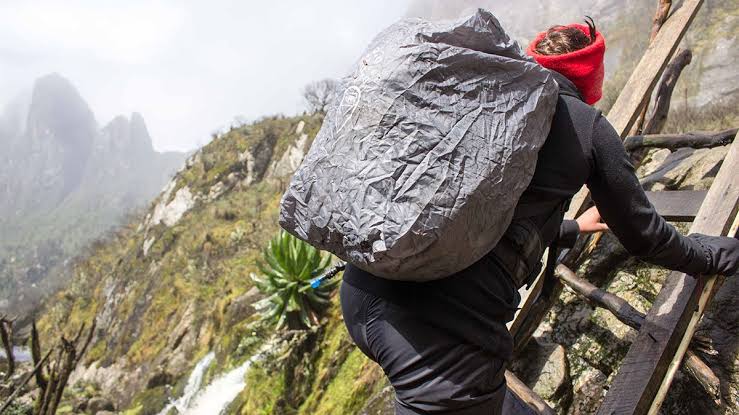
Bwindi’s genuinely steep, often muddy forest terrain, particularly during wetter months of the year, and Volcanoes National Park’s volcanic slopes both present conditions where additional stability support meaningfully reduces fall risk, making walking sticks or trekking poles a genuinely practical rather than optional consideration for most trekkers overall.
How to Properly Use a Walking Stick on Uneven Terrain
Trekkers genuinely unfamiliar with using a walking stick effectively should ask their guide for a brief, quick demonstration, since proper technique, planting the stick ahead and slightly to the side on descents, genuinely improves the stability benefit this simple tool ultimately provides.
Weight and Portability Considerations for Trekking Poles
Travellers genuinely choosing to bring their own collapsible trekking poles should confirm these fit within specific airline luggage restrictions, since some airlines specifically classify trekking poles as items requiring checked baggage rather than permitting them in carry-on hand luggage.
How Porters Sometimes Assist Beyond Walking Sticks Alone
Beyond simple walking stick support, hired porters genuinely provide additional physical assistance specifically on particularly challenging trail sections, offering a steadying hand or arm that genuinely complements whatever walking stick or pole a trekker happens to be using throughout the entire hike.
Age and Fitness Considerations for Walking Aid Decisions
Older trekkers or those with genuinely real mobility concerns should particularly consider both a walking stick and a hired porter together, since this combination genuinely provides meaningfully more comprehensive support than either option alone across the trek’s full duration overall.
How Weather Affects the Value of Walking Sticks
Rain genuinely increases the practical value of walking sticks considerably, since wet, muddy terrain becomes meaningfully more treacherous, and trekkers visiting during wetter seasons should place extra emphasis on securing reliable additional stability support before departing the trailhead.
How Guides Assess Trail Conditions Before Departure
Experienced guides genuinely assess current trail conditions each morning before departure, and their recommendations about walking stick necessity often reflect real-time knowledge of recent rain, mud levels, or particularly treacherous sections that day’s specific trekking route might involve.
Why Trekking Pole Technique Differs From Standard Hiking
Gorilla trekking’s often steep, uneven forest terrain genuinely requires somewhat different pole technique than standard trail hiking, with trekkers frequently needing both hands free for grabbing vegetation or maintaining balance, meaning even travellers experienced with trekking poles elsewhere should remain flexible about usage throughout the day.
How Children Benefit From Appropriately Sized Walking Sticks
Younger trekkers meeting the minimum age requirement for gorilla trekking should genuinely request an appropriately sized walking stick, since standard adult-length sticks provided at the trailhead sometimes prove awkward for shorter trekkers navigating the same challenging terrain as adults.
Why Some Trekkers Skip Walking Sticks Entirely
A minority of genuinely experienced, physically fit trekkers choose to forgo walking sticks altogether, preferring to rely entirely on their own balance and the physical support porters provide, though most guides still recommend at least trying a stick given the terrain’s inherent unpredictability.
How Walking Stick Quality Varies by Trekking Sector
Travellers should understand that walking stick quality and availability can genuinely vary somewhat between Bwindi’s different sectors and Volcanoes National Park, with some locations maintaining more consistently well-prepared sticks than others depending on local community organization and current demand.
Storing Walking Sticks and Poles During Rest Breaks
During brief rest stops along the trail, trekkers should genuinely keep their walking stick or trekking pole within easy reach rather than setting it aside carelessly, since retrieving a misplaced stick on uneven ground before resuming the hike can prove more inconvenient than expected.
How Repeat Trekkers Adjust Their Equipment Choices Over Time
Travellers who have completed multiple gorilla treks across different sectors or seasons often genuinely refine their walking stick preferences based on prior experience, sometimes shifting from relying entirely on local sticks toward bringing their own poles, or vice versa, as they learn what specifically suits their own trekking style best.
Common Questions About Walking Sticks and Trekking Poles
Travellers often ask whether the free locally provided walking sticks are genuinely adequate compared to purchasing dedicated trekking poles before their trip, and most trekkers find these simple wooden sticks entirely sufficient for the standard trekking experience, reserving personal trekking poles specifically for those with particular physical needs. Another common question concerns whether using a walking stick suggests inadequate fitness, and experienced guides consistently note that trekkers of all fitness levels genuinely benefit from this simple additional stability tool given the terrain’s inherent unpredictability.
What Happens to Walking Sticks at Trek’s End
Most trekkers genuinely return their borrowed walking stick at the trailhead following the completed trek, though some sectors allow trekkers to keep the stick as a modest souvenir, a detail worth confirming with your guide if this appeals to you personally.
How This Simple Equipment Reflects Broader Trail Preparation
The genuine availability and thoughtful provision of walking sticks reflects the broader, well-organized preparation both Uganda Wildlife Authority and Rwanda Development Board have developed around gorilla trekking logistics, anticipating practical trekker needs beyond the core permit and guiding arrangements themselves.
Combining a Walking Stick With Other Trekking Gear
Travellers should genuinely think of a walking stick or trekking pole as one component within a broader trekking gear strategy, alongside appropriate footwear, gaiters, and rain protection, rather than assuming this single item alone compensates for otherwise inadequate trail preparation.
How This Detail Fits Into Broader Pre-Trip Research
Travellers thoroughly researching their upcoming gorilla trekking trip genuinely benefit from understanding small logistical details like walking stick provision alongside bigger considerations like permits and accommodation, since these smaller details collectively shape overall trekking day comfort and preparedness.
Why Guides Appreciate Trekkers Who Ask About Equipment
Guides genuinely welcome questions about walking sticks and other trail equipment during the morning briefing, viewing this curiosity as a positive sign of a trekker taking their preparation seriously rather than an unnecessary or bothersome inquiry before the day’s hike begins.
How This Small Detail Reflects Overall Trip Preparation Culture
The thoughtful, well-organized approach to something as small as walking stick provision genuinely reflects the broader professionalism and attention to detail that characterizes well-run gorilla trekking operations across both Uganda and Rwanda, reassuring travellers that similarly careful planning extends to more significant trip logistics.
Planning Your Trekking Day Equipment Needs
Given how genuinely useful proper walking support proves during gorilla trekking’s demanding terrain, working with an operator who clearly explains what’s provided at the trailhead versus what travellers should bring themselves helps ensure appropriate preparation for this important logistical detail. Done well, understanding walking stick availability in advance removes one more small uncertainty from an already carefully planned gorilla trekking day, letting trekkers focus entirely on the forest and the extraordinary encounter ahead rather than worrying about equipment logistics.
How Trekking Poles Compare to Simple Wooden Sticks in Practice
While dedicated trekking poles genuinely offer superior adjustability and grip compared to simple wooden sticks, most trekkers find the practical difference matters less than expected once actually navigating the forest, since both options provide meaningful stability benefit on the specific terrain gorilla trekking involves.
Recommended Tours: 2 Days Rwanda Gorilla Trekking Safari | 3 Days Rwanda Gorilla Trekking for Beginners