Guide for Visiting Amboseli National Park: The Land of Giants
Nestled at the foot of Mount Kilimanjaro, Amboseli National Park is one of Kenya’s most iconic safari destinations. Often called “The Land of Giants”, this park is world-famous for its large elephant herds, panoramic views of Africa’s tallest peak, and quintessential savannah landscapes. Covering approximately 392 square kilometers (151 square miles), Amboseli offers a safari experience that combines wildlife abundance, stunning photography opportunities, and cultural encounters with the local Maasai communities.

For travelers seeking classic African safari experiences, Amboseli is unparalleled. Its compact size allows for easy wildlife viewing, and its flat plains, swamps, and scattered acacia trees create perfect conditions for spotting elephants, predators, and a wide variety of herbivores.
Why Amboseli is Called the Land of Giants
Amboseli’s nickname, “The Land of Giants,” comes primarily from its elephant populations. These elephants are among the largest in Africa, with some bulls exceeding 6 meters in height. Their long tusks, impressive size, and majestic movements across golden plains make them a symbol of Amboseli and a highlight for any safari.
The park’s open landscapes, framed by the snow-capped peak of Mount Kilimanjaro, further enhance the sense of grandeur. Watching elephants traverse plains under the looming mountain is a photographic experience that defines Amboseli’s appeal.
Getting to Amboseli National Park
Amboseli is located about 240 kilometers southeast of Nairobi, near the border with Tanzania. Travelers can reach the park via:
-
Road: A 4–5 hour drive from Nairobi through scenic countryside. Roads are generally accessible, though some sections may be rough, especially after rains.
-
Air: Daily flights from Nairobi to Amboseli airstrips shorten travel time to under an hour. This option is ideal for travelers seeking more convenience and less time on the road.
Once inside the park, most visitors rely on 4×4 safari vehicles for game drives, as they provide better access across varied terrain and higher visibility for wildlife spotting.
Best Time to Visit Amboseli
Amboseli is a year-round destination, but wildlife viewing and scenery vary with the seasons:
-
Dry Season (June–October): The most popular period for game drives. Wildlife concentrates near swamps and water sources, making sightings more predictable. The plains are golden, roads are accessible, and elephants and predators are highly visible.
-
Wet Season (November–May): The park becomes lush and green, attracting migratory birds and enhancing photography opportunities. While some roads may be muddy, fewer tourists mean peaceful and intimate wildlife experiences.
Wildlife in Amboseli National Park
Amboseli is home to a remarkable diversity of animals, making it a prime safari destination:
Elephants
Amboseli is renowned for its large elephant herds, often seen migrating across plains or drinking at swamps. The elephants here are notable for their long tusks and large size, and visitors can watch calves learning survival skills under the guidance of matriarchs.
Predators
The park hosts lions, cheetahs, and hyenas, with lions commonly observed resting under acacia trees. Cheetahs patrol open plains, providing rare glimpses of Africa’s fastest land animal, while spotted hyenas are active mostly at night, adding nocturnal excitement to the ecosystem.
Herbivores
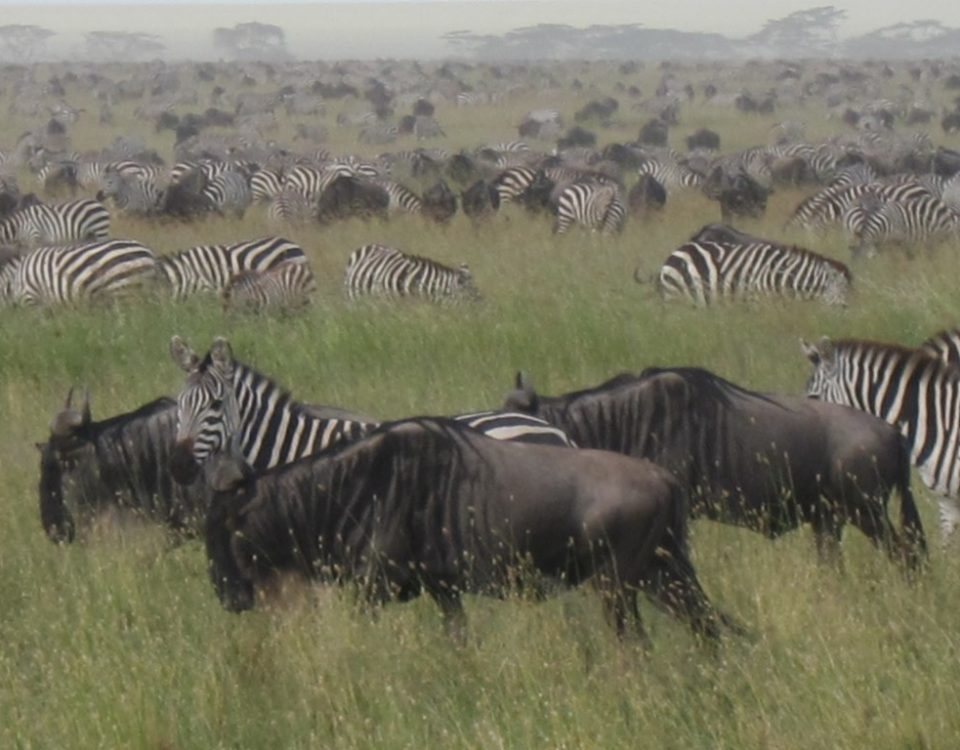
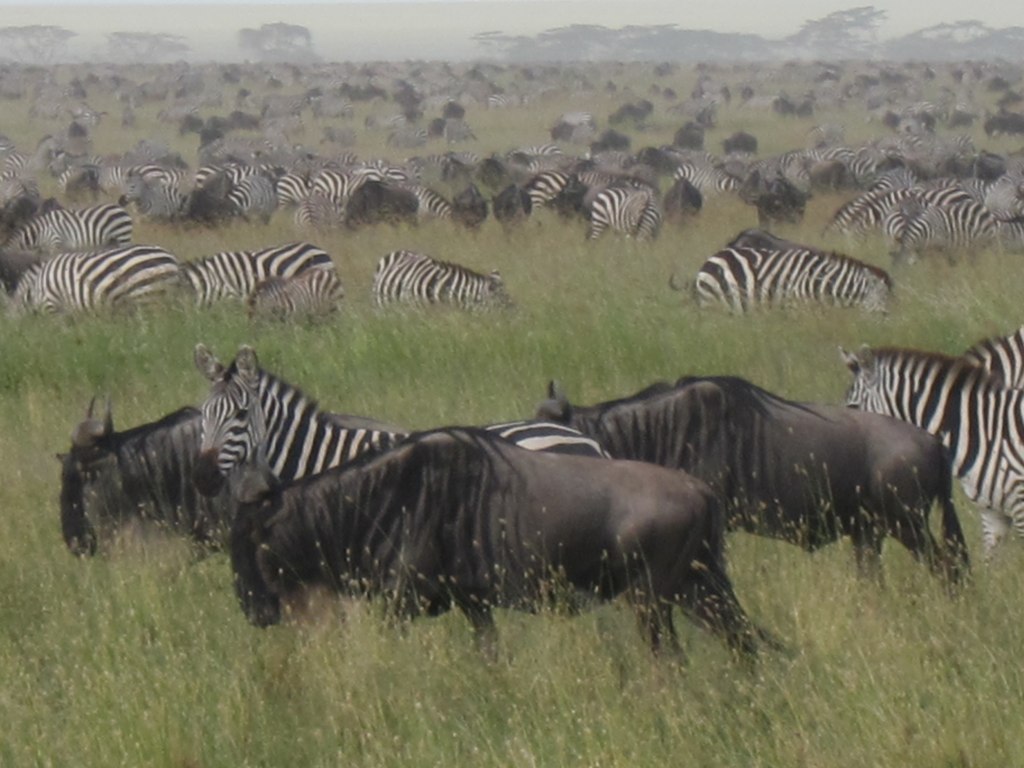
Amboseli’s plains are alive with zebras, wildebeests, giraffes, and waterbucks. These herbivores graze near swamps and woodland areas, creating dynamic predator-prey interactions that make game drives thrilling.
Birdlife
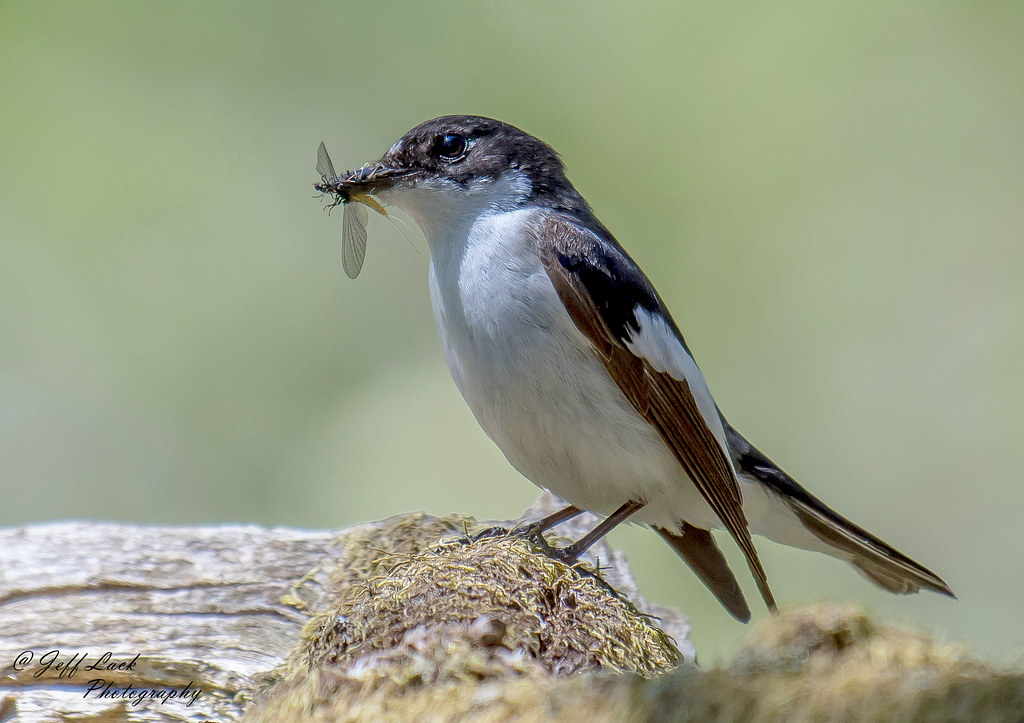
With over 400 bird species, Amboseli is also a birdwatcher’s paradise. Highlights include African fish eagles, hornbills, flamingos (in seasonal lakes), and a variety of migratory species. Birds are particularly abundant around swamps and rivers during the wet season.
Other Wildlife
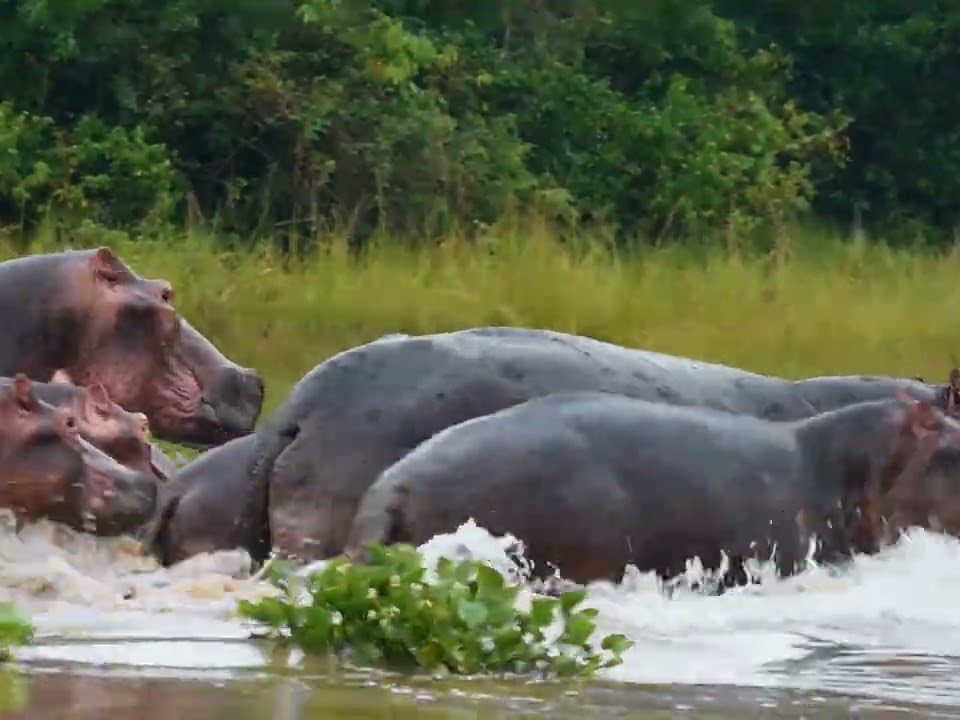
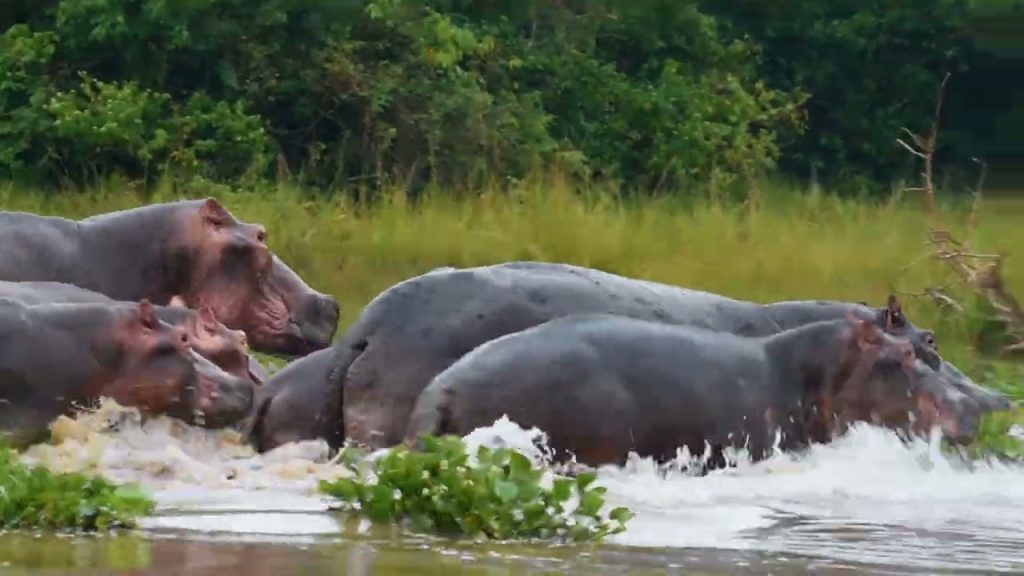
Small mammals like vervet monkeys, mongooses, and jackals add depth to the safari experience. Hippos inhabit swamps, while crocodiles are occasionally seen in waterholes, contributing to Amboseli’s ecological richness.
Safari Activities in Amboseli
Game Drives
Game drives are the primary way to explore Amboseli. Morning and late afternoon drives are ideal for wildlife activity and optimal lighting. Experienced guides help visitors spot elusive predators, track elephant movements, and identify bird species, enhancing the safari experience.
Photography Safaris
Amboseli is a photographer’s dream. The combination of elephants, open plains, and Kilimanjaro in the background provides classic African safari shots. Sunrise and sunset drives are particularly spectacular, casting golden light across the savannah and creating iconic silhouettes of elephants against the mountain.
Walking Safaris
While vehicle safaris dominate, guided walking safaris are available in certain areas, offering a closer connection with nature. Walks focus on tracking smaller wildlife, examining plant species, and spotting birdlife, providing a complementary perspective to traditional game drives.
Cultural Visits
Amboseli borders Maasai communities, providing opportunities to experience traditional Maasai culture. Visitors can learn about cattle herding, traditional beadwork, and Maasai customs, adding cultural depth to the safari adventure.
Accommodation Options in Amboseli
Amboseli offers a wide range of accommodation to suit different budgets and preferences:
-
Luxury Lodges: Amboseli Serena Safari Lodge provides panoramic views of Kilimanjaro and the park’s plains, combining comfort with scenic beauty.
-
Mid-Range Lodges: Tawi Lodge offers cozy accommodations and easy access to game drives.
-
Eco-Camps and Tented Safari Camps: For a more immersive experience, these lodges place visitors close to wildlife while maintaining comfort and sustainability.
Tips for a Successful Safari in Amboseli
-
Bring binoculars and a good camera, as the open plains allow wildlife to be spotted from a distance.
-
Wear neutral-colored clothing to blend into the environment and avoid startling wildlife.
-
Plan game drives in the morning and late afternoon, when wildlife is most active.
-
Carry sunscreen, hats, and insect repellent, as temperatures can be high and mosquitoes are common.
-
Respect wildlife and maintain safe distances, particularly near elephants and predators.
Conservation in Amboseli
Amboseli is managed by the Kenya Wildlife Service (KWS) and serves as a model for community-based conservation. Efforts include:
-
Elephant protection programs, preserving matriarch-led herds.
-
Anti-poaching patrols, ensuring predator and herbivore populations remain stable.
-
Community engagement, promoting sustainable tourism and supporting local Maasai livelihoods.
These measures have helped Amboseli maintain its wildlife populations and provide visitors with unforgettable safari experiences.
Why Amboseli National Park is a Must-Visit
Amboseli National Park offers a classic African safari experience, with easy access to large wildlife herds, dramatic landscapes, and iconic Mount Kilimanjaro backdrops. Its combination of elephants, predators, birdlife, and Maasai culture makes it a perfect destination for photographers, wildlife enthusiasts, and first-time safari travelers.
The park’s accessibility, infrastructure, and compact size mean that visitors can experience multiple wildlife encounters in a single day, making it ideal for short trips or extended safaris.
Amboseli National Park truly earns its title as “The Land of Giants”. From the majestic elephants roaming golden plains to the snow-capped Kilimanjaro providing an awe-inspiring backdrop, every safari here is memorable. The park offers rich wildlife encounters, cultural experiences, and photographic opportunities, making it one of Kenya’s most iconic safari destinations.
For anyone seeking a quintessential African safari, Amboseli is a must-visit park—where the scale of wildlife, the grandeur of landscapes, and the magic of the savannah come together to create a once-in-a-lifetime experience.
Recommended Tours: 6 Days Kilimanjaro Hiking Safari | 6 Days Tanzania Wildlife Safari