Gulu City Travel Guide: Visiting Northern Uganda Safely
Gulu City is one of northern Uganda’s most important urban centres and an interesting destination for travellers who want to understand the region’s history, culture and everyday life. Located within the Acholi sub-region, Gulu offers opportunities to explore traditional communities, historical landmarks, local markets and nearby natural attractions.
For many years, northern Uganda experienced serious insecurity associated with the Lord’s Resistance Army conflict. Although the situation in Gulu has changed considerably, visitors should understand the region’s history and follow current travel advice when planning their journeys.
This Gulu City travel guide explains what to see, how to reach the city, where to stay and which safety precautions you should take. Whether you are visiting for business, cultural tourism or a longer northern Uganda safari, careful planning can help you enjoy a comfortable and informative experience.
Where Is Gulu City Located?
Gulu City is situated in northern Uganda, approximately 330 kilometres by road from Kampala, depending on the route and starting point.
It serves as an important commercial, administrative and transport centre for the Acholi sub-region.
The city connects travellers with surrounding districts and destinations farther north.
Gulu is also known for its educational institutions, healthcare facilities, markets and growing hospitality industry.
Its position makes it a useful base for exploring historical and cultural attractions in northern Uganda.
However, travellers continuing towards remote areas should research road conditions and regional security before departure.
How to Travel From Kampala to Gulu
Most visitors reach Gulu by road.
The main route travels north from Kampala through central Uganda before continuing towards Gulu.
Driving generally takes approximately five to seven hours, although traffic, roadworks and weather can extend the journey.
Transport Options
| Transport | Main advantage | Important consideration |
|---|---|---|
| Private vehicle | Flexible departure and stopping times | Higher transport cost |
| Hired vehicle with driver | Convenient for visitors unfamiliar with the route | Arrange with a reputable provider |
| Intercity bus | Usually more affordable | Confirm departure times and operator |
| Domestic flight | Potentially shorter journey | Availability varies and requires confirmation |
If travelling by road, leave early enough to reach Gulu during daylight.
Avoid unnecessary night driving, particularly on unfamiliar roads.
Carry drinking water, keep your phone charged and plan suitable rest stops.
Is Gulu City Safe for Tourists?
Safety is one of the main questions travellers ask before visiting northern Uganda.
Gulu is an established city where residents conduct ordinary business, education and social activities.
However, visitors should not assume that every location in northern Uganda has the same security conditions.
Travel risks can change, particularly in remote areas and near international borders.
Government travel advisories have identified security concerns in parts of northern Uganda, including areas near South Sudan.
Before travelling, review the latest advice issued by your government and seek reliable local information.
Practical Safety Precautions
Take the same precautions you would use when visiting an unfamiliar city.
Avoid walking alone in poorly lit areas at night.
Use transport arranged through your hotel or a reputable operator.
Keep valuable belongings secure and avoid displaying large amounts of cash.
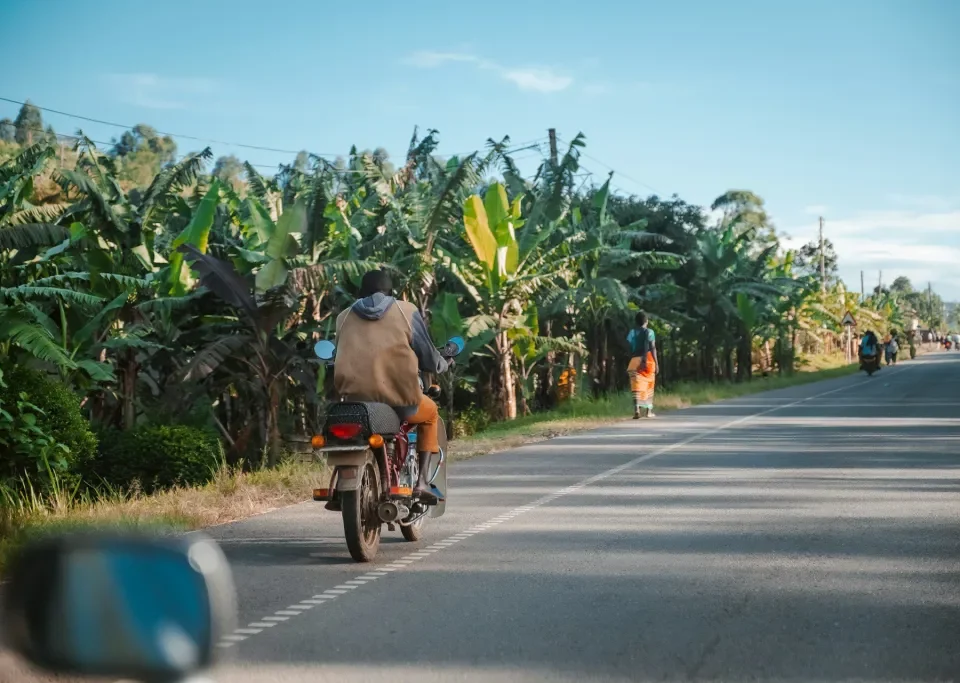
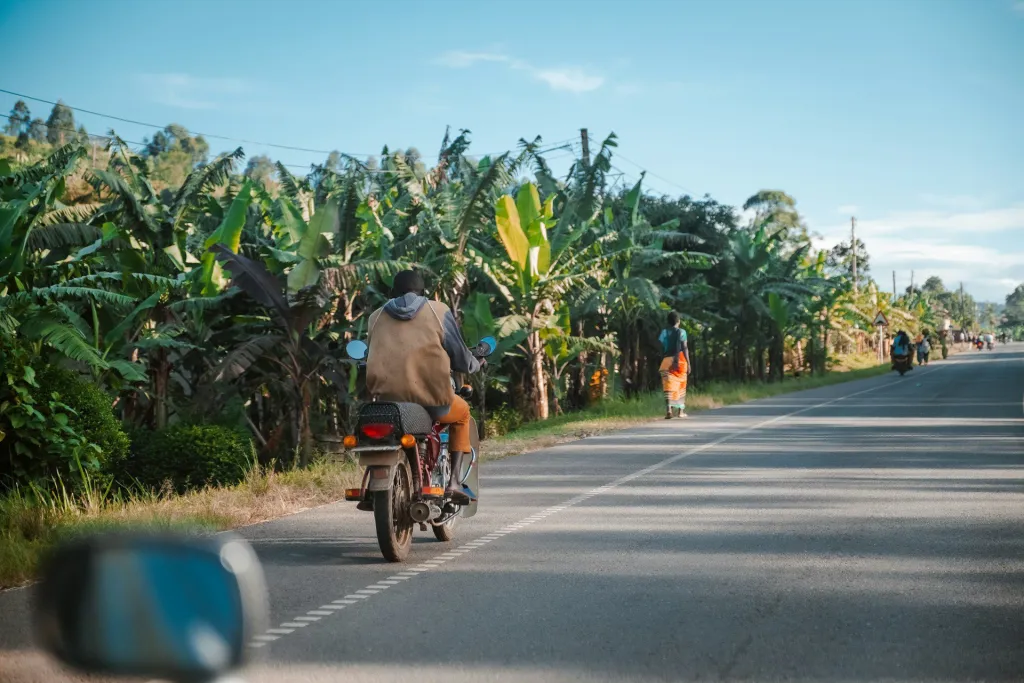
Be cautious when using unfamiliar motorcycles or roadside transport services.
If demonstrations or large political gatherings occur, avoid the affected areas.
For travel outside Gulu, discuss your intended route with knowledgeable local contacts.
Best Things to Do in Gulu City
Gulu offers a combination of historical, cultural and everyday urban experiences.
Some attractions are located within the city, while others require a short excursion.
1. Visit Fort Patiko
Fort Patiko, also known as Baker’s Fort, is one of the best-known historical attractions near Gulu.
The site is associated with nineteenth-century history and the activities of European explorers and colonial-era expeditions.
It also has connections to the region’s difficult history involving slave trading.
Visitors can explore the rocky landscape and remaining historical features while learning about events associated with the site.
Planning Your Visit
Fort Patiko lies outside central Gulu, so you should arrange suitable transport.
A local guide can explain the site’s history and help you navigate the surrounding area.
Wear comfortable shoes because some sections involve uneven ground.
Carry drinking water and avoid climbing unstable structures.
Allow approximately two to three hours for the excursion, depending on your transport arrangements.
2. Explore Acholi Culture
Gulu is an important centre of Acholi cultural identity.
The Acholi people have distinctive traditions involving music, dance, storytelling and community ceremonies.
Visitors interested in cultural tourism can arrange experiences with local organisations or community guides.
Traditional dances, including performances associated with Acholi heritage, may be available through organised cultural programmes.
However, these experiences should be arranged respectfully rather than expecting communities to perform without prior agreement.
Ask about the purpose of the activity and whether participants receive appropriate payment.
Traditional Food
Food provides another opportunity to learn about local culture.
Restaurants and family-run establishments may serve dishes associated with northern Uganda.
Popular ingredients include millet, sorghum, groundnuts, vegetables and locally prepared meat or fish.
Ask your host or guide to recommend suitable places to try regional dishes.
Choose establishments that follow good food hygiene practices.
3. Visit Local Markets
Markets provide an introduction to Gulu’s everyday commercial life.
You can observe traders selling fresh produce, clothing, household goods and other products.
A guided market visit can help you understand local food preferences and trading activities.
Markets are also useful places to purchase selected everyday items.
However, crowded areas require attention to personal belongings.
Carry only the money you expect to use, and keep your phone secure.
Ask permission before photographing traders or their customers.
4. Visit St Joseph’s Cathedral
St Joseph’s Cathedral is among Gulu’s recognised religious landmarks.
The cathedral reflects the importance of Christianity within the city’s history and community life.
Visitors interested in architecture and religious heritage may appreciate its setting.
If you plan to enter, dress respectfully and avoid disturbing worshippers.
Photography arrangements may depend on activities taking place at the time.
A short visit can fit comfortably into a city sightseeing programme.
5. Discover Gulu’s Historical Background
Understanding Gulu’s recent history is important for visitors interested in northern Uganda.
The region experienced years of conflict and displacement during the Lord’s Resistance Army insurgency.
Many families suffered significant losses, while communities faced difficult social and economic conditions.
Today, organisations and community groups continue working on recovery, education and social development.
Visitors can learn about this history through appropriately organised educational or community experiences.
Approach sensitive conversations carefully.
Avoid photographing people or discussing traumatic events without consent.
Best Time to Visit Gulu
Gulu experiences tropical weather, with seasonal differences in rainfall.
The relatively drier months generally include December to February.
These months can be convenient for road journeys and outdoor sightseeing.
Rainfall often increases during other parts of the year, although conditions vary.
During wetter periods, unpaved roads outside the city may become difficult to use.
Check weather forecasts before planning excursions to rural attractions.
Regardless of the season, carry sun protection and drinking water.
Where to Stay in Gulu City
Gulu has accommodation options ranging from modest guesthouses to established hotels.
Your choice should depend on your budget, transport requirements and planned activities.
Travellers visiting for business may prefer accommodation near central commercial areas.
Those organising cultural excursions can choose a hotel that provides reliable transport arrangements.
Before booking, confirm:
-
The property’s exact location.
-
Availability of secure parking.
-
Reliable electricity and water.
-
Whether breakfast is included.
-
Transport arrangements for evening arrivals.
-
Current guest reviews and cancellation conditions.
If arriving after dark, arrange your transfer before departure.
Suggested Two-Day Gulu Itinerary
A two-day visit provides enough time to explore several attractions without rushing.
| Day | Morning | Afternoon |
|---|---|---|
| Day 1 | Travel from Kampala to Gulu | Hotel check-in and city orientation |
| Day 2 | Guided visit to Fort Patiko | Cultural activity or market visit |
Visitors with additional time can explore more of the surrounding region.
However, longer excursions require separate planning because travel distances and security conditions vary.
Health and Travel Preparations
Before visiting northern Uganda, check the current health requirements for your nationality and travel route.
Uganda generally requires eligible international visitors to present proof of yellow fever vaccination, subject to applicable exemptions.
Malaria is present in Uganda, so discuss preventive medication and mosquito protection with a qualified healthcare professional before travelling.
Carry insect repellent and wear suitable clothing during evenings.
Drink treated or bottled water when uncertain about local water quality.
For longer journeys, carry essential medication and a small first-aid kit.
Travel insurance should cover medical treatment and suitable emergency assistance.
Frequently Asked Questions
Is Gulu worth visiting?
Yes. Gulu offers cultural experiences, historical attractions and opportunities to learn about northern Uganda.
Can tourists travel independently?
Independent travel is possible, but visitors should research current conditions, arrange reliable transport and avoid unnecessary journeys into unfamiliar remote areas.
How many days should I spend in Gulu?
One or two days can cover the main city attractions. Additional days are useful for organised excursions.
Is Gulu close to Kidepo Valley National Park?
Gulu can serve as a stop on selected journeys towards northeastern Uganda, but Kidepo remains several hours away by road. Check current security advice before planning that route.
What language is spoken in Gulu?
Acholi is widely spoken. English is also used, particularly in businesses, hotels and administrative settings.
Gulu City provides an opportunity to experience northern Uganda’s culture, history and urban life.
Fort Patiko, local markets, religious landmarks and organised cultural activities offer worthwhile experiences for visitors.
However, responsible travel requires attention to road safety, current regional security information and local advice.
Plan your transport carefully, choose suitable accommodation and respect the communities you visit.
With realistic expectations and good preparation, Gulu can be an informative addition to a broader Uganda travel itinerary.