Many travelers wonder, How is gorilla trekking in the rain? Does it ruin the experience, or does it add an unexpected layer of magic? The truth is, gorilla trekking in the rain is not just an adventure—it’s a test of resilience, a lesson in perseverance, and ultimately, one of the most rewarding experiences you can have. Here’s why.
The Challenge: Embracing the Unpredictable
Gorilla trekking is never easy. Whether under the blazing sun or through a downpour, trekking through dense forests, steep hills, and muddy trails demands physical and mental strength. But when it rains, the difficulty level increases. The paths become slippery, the vegetation heavier with water, and the air thick with humidity.
Yet, this is where the real adventure begins.
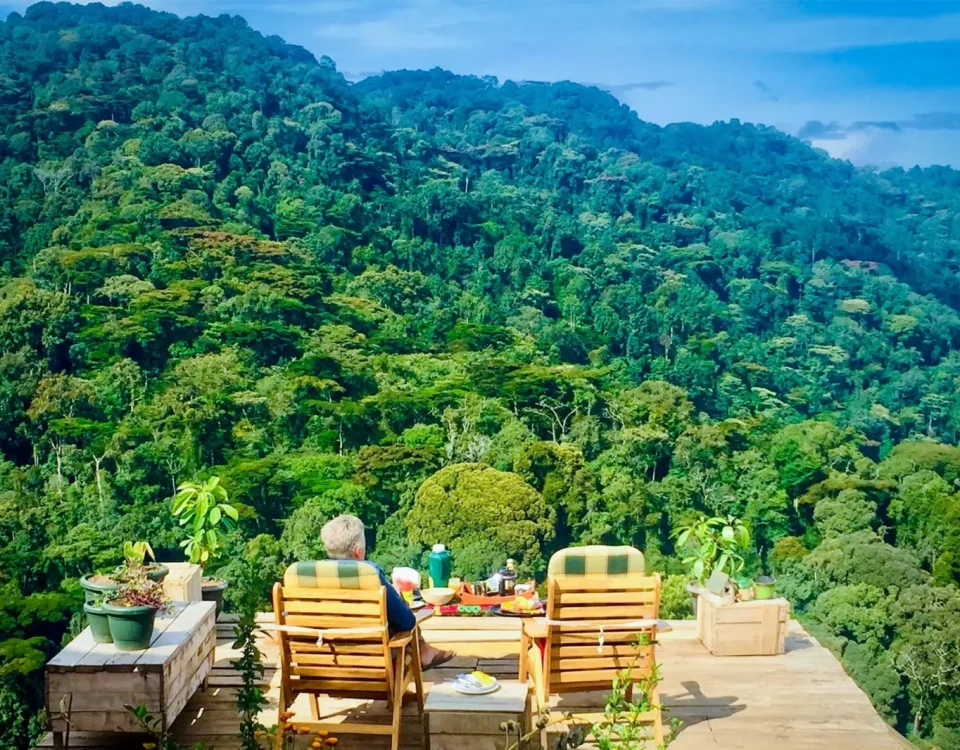
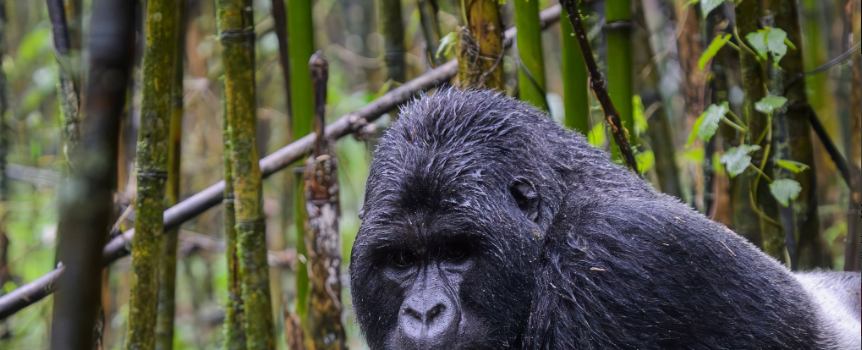
Rain transforms the forest into a different world—the sounds of droplets hitting leaves, the mist rising from the ground, and the earthy scent of wet soil create an almost mystical atmosphere. The challenge of navigating through this environment makes the eventual encounter with the gorillas even more rewarding.
The Reward: A More Intimate Experience
One of the most surprising aspects of gorilla trekking in the rain is that it often leads to a more intimate and authentic wildlife experience. Here’s why:
-
Fewer Tourists – Many people shy away from trekking in the rain, meaning smaller groups and a more personal encounter with the gorillas.
-
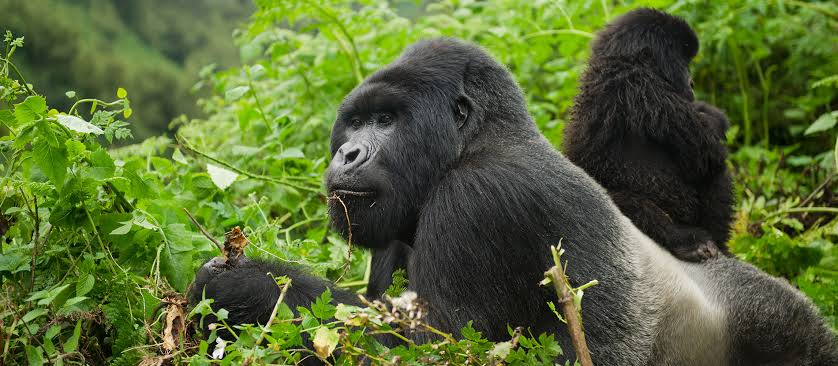
Active Gorillas – Rain cools the forest, making gorillas more active. They may forage, play, or move around more, giving you a dynamic view of their natural behaviors.
-
Unique Photography – The diffused light and misty backdrop create stunning, moody photographs that stand out from typical sunny-day shots.
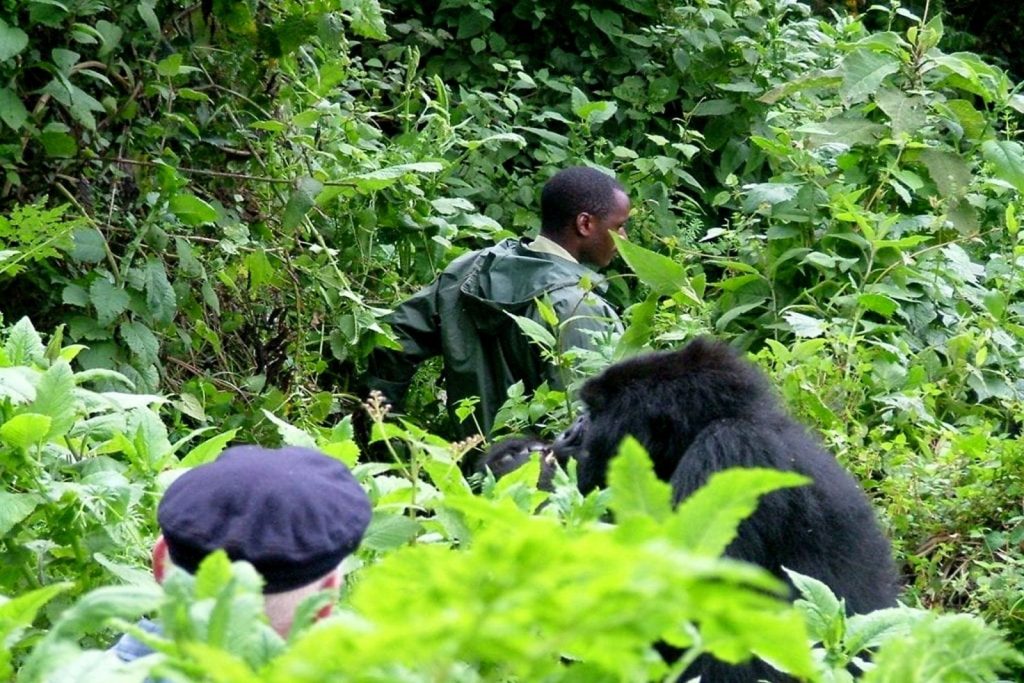
When you finally find the gorillas, watching them in their natural habitat—unbothered by the rain, moving gracefully through the wet foliage—you realize that nature doesn’t stop for weather. And neither should you.
The Mindset: Growth Through Discomfort
Gorilla trekking in the rain teaches a powerful life lesson: the best experiences often come from pushing through discomfort.
Think about it—how many incredible moments have you missed because you were afraid of a little inconvenience? How many opportunities passed by because you waited for “perfect” conditions that never came?
The rain forces you to adapt, to focus on the goal rather than the obstacles. It reminds you that discomfort is temporary, but the memories of overcoming it last forever.
Practical Tips for Trekking in the Rain
If you’re considering gorilla trekking in the rain, here’s how to make the most of it:
-
Wear the Right Gear – Waterproof hiking boots, rain jackets, and quick-dry clothing are essential.
-
Protect Your Equipment – Use waterproof covers for cameras and backpacks.
-
Stay Positive – A good attitude turns a challenging trek into an unforgettable story.
-
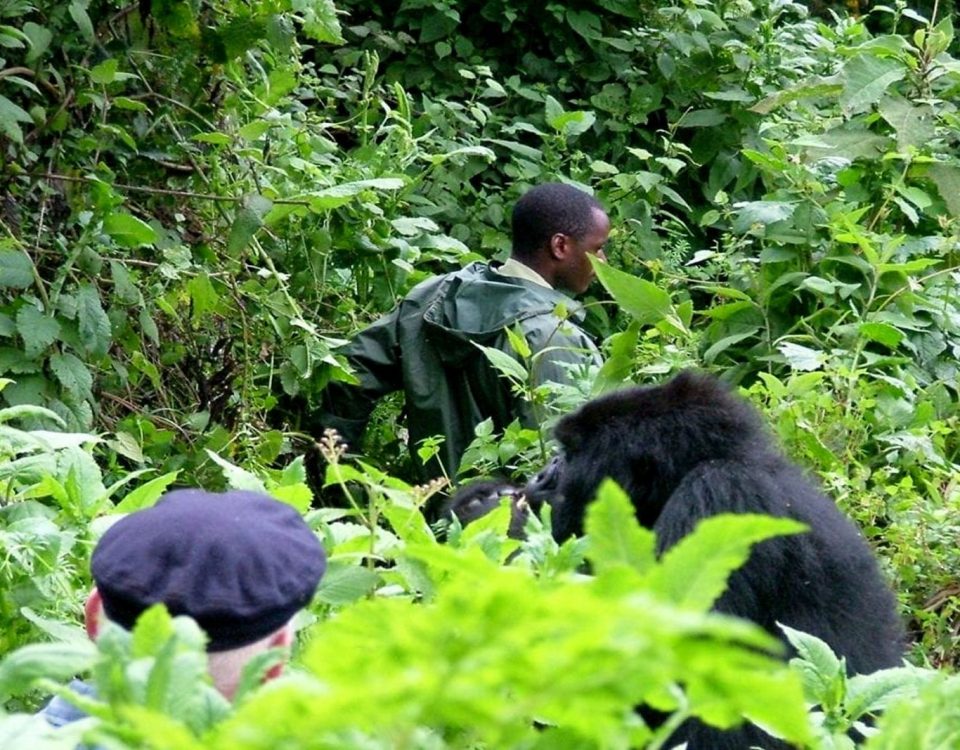
Trust Your Guides – Local trackers know the terrain and will ensure your safety.
The Takeaway: Why Rain Makes the Experience Better
So, how is gorilla trekking in the rain? It’s wet, muddy, and demanding—but it’s also magical, raw, and deeply fulfilling. It strips away the polished tourist experience and replaces it with something real, something wild.
When you look back, you won’t remember the rain as an obstacle. You’ll remember it as the element that made your journey unique, the force that tested you and made your success even sweeter.
Life, like gorilla trekking, isn’t about waiting for perfect conditions. It’s about stepping into the storm, embracing the challenge, and discovering strength you never knew you had.
So, the next time you face a downpour—whether in the forests of Rwanda, Uganda, or in your own life—remember: the rain isn’t there to stop you. It’s there to transform the journey into something extraordinary.
Will you let it?
Everything You Need to Know About Mountain Gorillas
The mountain gorilla (Gorilla beringei beringei) is one of the world’s most endangered great apes and one of its most magnificent wildlife spectacles. With fewer than 1,063 individuals remaining in the wild, every encounter with a habituated gorilla family is a rare and deeply moving privilege.
Mountain gorillas live in family groups of 5–30 individuals, led by a dominant silverback male. Gorillas are primarily herbivores, feeding on leaves, stems, bark, roots and fruits — a silverback can consume up to 34kg of vegetation per day. At dusk each individual builds a fresh sleeping nest from bent vegetation.
Where to See Mountain Gorillas
Mountain gorillas can only be seen in the wild — they do not survive in captivity. They exist in two populations:
- Bwindi Impenetrable Forest, Uganda: The largest gorilla population, home to over 400 individuals across 19 habituated families. Four trekking sectors: Buhoma, Ruhija, Rushaga, and Nkuringo.
- Virunga Massif: Shared between Uganda (Mgahinga), Rwanda (Volcanoes National Park), and the DRC (Virunga National Park). Home to around 600 gorillas across the six volcanic mountains.
Gorilla Trekking Permits — Uganda vs Rwanda
Both Uganda and Rwanda offer outstanding gorilla trekking experiences with important differences:
- Uganda (USD 800): More affordable permit. Greater number of habituated families and sectors. Bwindi terrain is more challenging but offers more choice. Also offers the Gorilla Habituation Experience (USD 1,500).
- Rwanda (USD 1,500): Higher permit cost but closer to Kigali airport (2.5 hours). More developed luxury lodge sector. Smaller park but highly managed experience with reliable gorilla sightings.
Recommended Tours: 4 Days Bwindi Gorilla Trekking Safari | 4 Days Rwanda Gorilla Trekking Safari