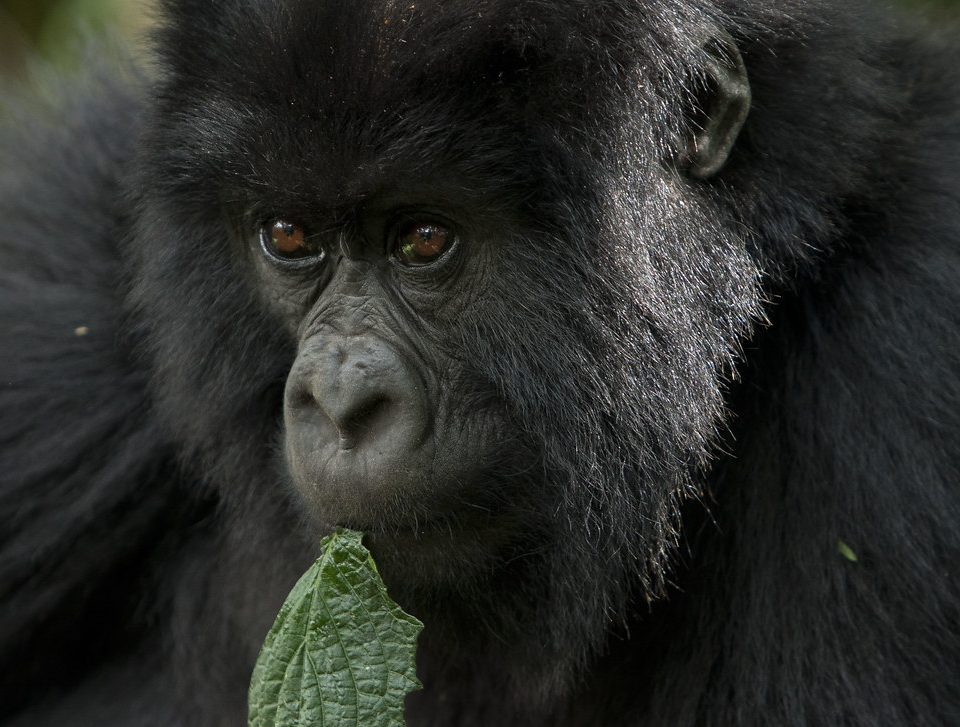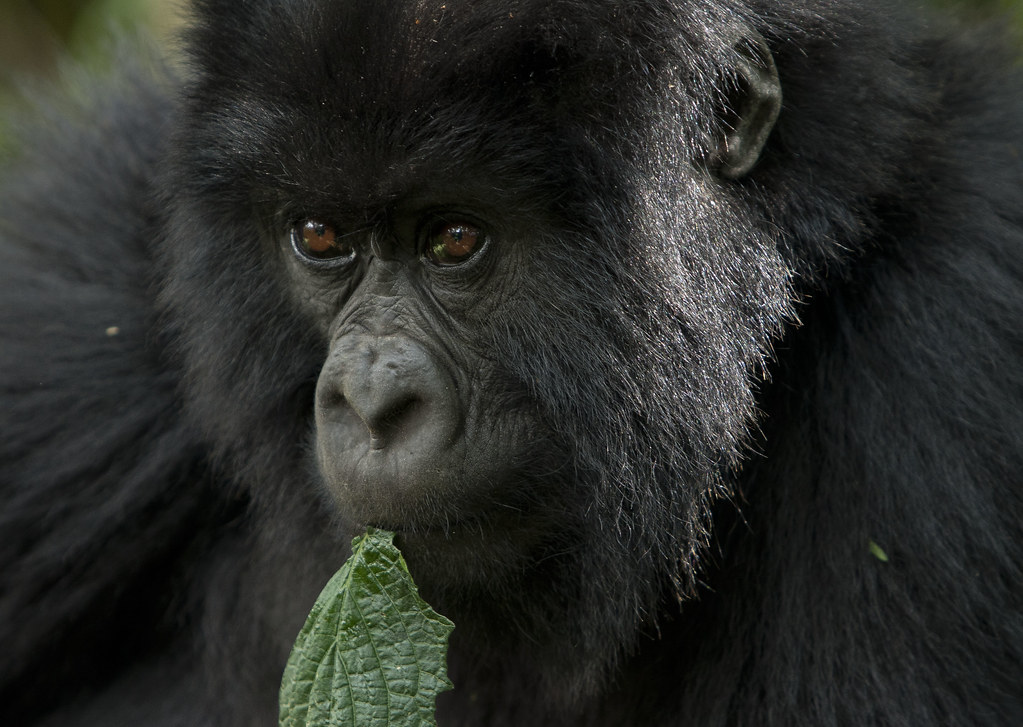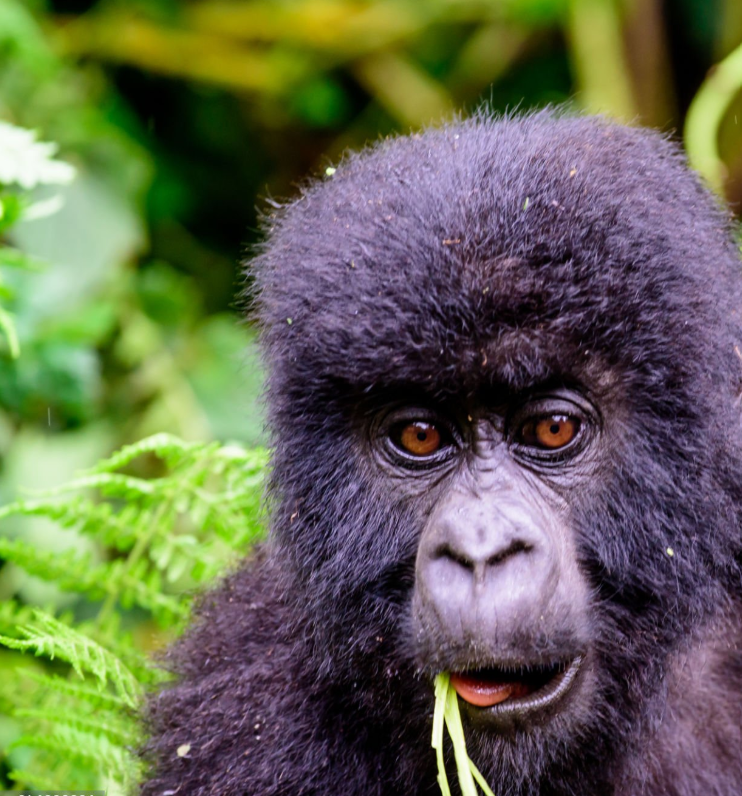
Rwanda Gorilla Population, Rwanda often referred to as the « Land of a Thousand Hills, » is one of the best places in the world to see mountain gorillas in their natural habitat. But just how many gorillas are in Rwanda? According to recent estimates, Rwanda is home to approximately 380 mountain gorillas, with the majority residing in Volcanoes National Park. This number has been steadily increasing thanks to rigorous conservation efforts by the Rwandan government and organizations like the Dian Fossey Gorilla Fund. That recovery is a genuine conservation success story worth noting, since mountain gorilla numbers were once feared to be heading toward extinction entirely, and Rwanda’s population today is one of the clearest examples of what sustained anti-poaching work and real community involvement can actually achieve over time.
gorilla trekking in Rwanda is a once-in-a-lifetime experience, attracting wildlife enthusiasts and adventure seekers from around the globe. Beyond gorillas, Rwanda offers breathtaking landscapes, rich culture, and vibrant cities. In this guide, we’ll explore the best places to visit, transportation options, the ideal time to explore, and accommodations ranging from budget to luxury. Rwanda’s compact size also means these different experiences sit much closer together than in many other safari destinations across the region, so it is entirely possible to see gorillas, a savannah park, and a proper city break all within a single, relatively short trip.
Places to Visit in Rwanda Gorilla Population & More
1. Volcanoes National Park
This is the crown jewel of Rwanda’s wildlife tourism, home to the endangered mountain gorillas. Visitors can embark on guided treks to observe gorilla families in their natural habitat. The park also offers golden monkey tracking, hiking to Dian Fossey’s grave, and climbing the Bisoke volcano. Each of these activities requires its own permit and level of fitness, so most visitors pick one or two to focus on rather than trying to fit everything into a single visit. Gorilla trekking permits in particular sell out well in advance during the busiest months of the year, so this is often the very first booking to lock in once travel dates have been set.
2. Nyungwe Forest National Park
Famous for its chimpanzee trekking and canopy walks, Nyungwe Forest is one of Africa’s oldest rainforests. It hosts over 13 primate species, including colobus monkeys, and is a paradise for birdwatchers. The forest’s canopy walkway, one of the few of its kind in East Africa, gives visitors a rare vantage point above the treeline that most rainforest parks simply cannot offer. Guided walks through the lower forest trails complement the canopy experience well, since the two together give visitors a much fuller sense of the forest than either activity would provide alone.
3. Akagera National Park
For a classic Big Five safari experience, Akagera National Park is the place to go. Lions, elephants, rhinos, leopards, and buffaloes roam the savannah, along with hippos and crocodiles in the park’s lakes. A boat safari on Lake Ihema is a popular way to see many of these species up close, offering a change of pace from the vehicle-based game drives that make up most of a visit here. Akagera also sits close enough to both the Tanzanian and Ugandan borders that some travelers choose to combine it with a broader regional itinerary, rather than treating it purely as a stop within Rwanda alone.
4. Lake Kivu
A serene escape, Lake Kivu offers beautiful beaches, boat rides, and water sports. The towns of Gisenyi, Kibuye, and Cyangugu provide relaxing lakeside retreats. Lake Kivu also works well as a scenic stopover between Volcanoes National Park and Nyungwe Forest, since the main road linking the two regions runs directly along much of its shoreline. Several lodges dotted along the lake offer kayaking and stand-up paddleboarding, giving visitors an easy, low-commitment way to get out on the water without booking a full boat excursion in advance.
5. Kigali
Rwanda’s capital is a vibrant city with historical sites like the Kigali Genocide Memorial, bustling local markets (Kimironko Market being the best known), and a growing scene of upscale restaurants and cafes worth exploring in the evening. Kigali is also known for being unusually clean and orderly by regional standards, and most visitors pass through at least twice, once on arrival and again before departing. A monthly car-free morning known as Umuganda, when residents across the city take part in community clean-up work together, is one of several local customs that give Kigali a noticeably different feel from many other regional capitals in East Africa.
Transport to Use in Rwanda
1. By Air
- Kigali International Airport (KGL) is the main entry point, with flights from major African and international airlines landing throughout the day and into the evening.
- Charter flights are available for quick transfers to national parks. These flights can save considerable time on longer itineraries that combine several parks, though they come at a noticeably higher cost than road transport. Booking a charter usually needs to be arranged several days ahead through a tour operator or the airline directly, since these are not scheduled commercial routes with fixed daily departure times.
2. By Road
- Private Car Hire: The most convenient option for gorilla trekking, with 4×4 vehicles recommended for rough terrain. Roads leading into Volcanoes National Park in particular can be genuinely uneven in places, so this is not simply a comfort preference but a real practical necessity for reaching the trailheads reliably each morning. The same applies to routes into parts of Nyungwe Forest, where the road climbs and winds through hilly terrain that can be genuinely slow going in an ordinary saloon car not built for the gradient.
- Public Buses: Affordable but less flexible; buses run between major towns.
- Motorbike Taxis (Motos): Common in cities but not ideal for long-distance travel.
3. Organized Tours
Many tour operators offer all-inclusive gorilla trekking packages, including transport, permits, and guides. This route tends to suit first-time visitors to Rwanda best, since it removes most of the coordination and guesswork that independent travel through several different parks would otherwise require. More experienced travelers sometimes prefer to arrange permits and lodging independently and simply hire a driver-guide for the road portions of the trip, striking a comfortable middle ground between full independence and a fully packaged tour.

Best Time to Explore Rwanda
The best time for gorilla trekking and general travel in Rwanda is during the dry seasons: Outside these windows travel is still possible, but conditions on the trails and roads become noticeably less predictable.
- June to September (long dry season)
- December to February (short dry season)
Why?
- Trails are less muddy, making trekking easier.
- Wildlife is more visible as animals gather around water sources. These same conditions also apply equally to the savannah of Akagera, making the dry season by far the more reliable choice for travelers hoping to combine gorilla trekking with a classic game drive on the same trip.
Wet Seasons (March-May & October-November):
- Fewer tourists, lower prices.
- Lush green landscapes, but trekking can be challenging due to rain. Permits and lodges are also generally easier to book on shorter notice during these quieter months, which can genuinely suit travelers whose own dates happen to be less flexible.
Accommodations in Rwanda: Budget, Mid-Range & Luxury
Budget Accommodations ($20- $80 per night)
- Ibis Hotel Kigali – Affordable and centrally located.
- Home Inn & Suites Kigali – Budget-friendly with good amenities.
- Kinigi Guesthouse – Near Volcanoes National Park, basic but clean. Staying this close to the park entrance can shave a meaningful amount of time off the early morning drive to the trekking briefing.
Mid-Range Accommodations ($100- $300 per night)
- Five Volcanoes Boutique Hotel – Stunning views of the volcanoes.
- Lake Kivu Serena Hotel – Lakeside luxury at reasonable rates.
- Gorilla Volcanoes Hotel – Comfortable stay close to gorilla trekking. Mid-range options like these typically add a proper on-site restaurant and reliable hot water on demand, both of which matter a great deal after a long day spent hiking through the forest.
Luxury Accommodations ($400- $1,500+ per night)
- Bisate Lodge – Ultra-luxurious eco-lodges with private gorilla trekking access.
- One&Only Gorilla’s Nest – Exclusive retreat near Volcanoes National Park.
- Singita Kwitonda Lodge – High-end safari experience with world-class service. Rates at this level almost always include meals, park fees beyond the permit itself, and airport transfers, so the headline price genuinely reflects the full experience on offer rather than just the room alone.
Rwanda is a premier destination for gorilla trekking, with around 380 mountain gorillas thriving in Volcanoes National Park. Beyond gorillas, the country offers diverse wildlife, stunning landscapes, and rich cultural experiences. Most first-time visitors are genuinely surprised by just how much fits into a relatively short trip, since Rwanda’s small size means very little time is ever lost simply moving between the country’s various highlights, unlike larger safari destinations where transfers alone can eat up entire days. Whether you choose budget hostels or luxury lodges, Rwanda provides unforgettable adventures for every traveler.
Whichever parks make the final itinerary, booking gorilla permits early remains the one step that shapes everything else about the trip.