Is Malaria High in Kenya Safaris? Your Complete Guide
Travelers dreaming of thrilling wildlife encounters often wonder: Is malaria high in Kenya safaris? With Kenya’s diverse ecologies—from highlands to lowland parks—it’s important to understand malaria risk when planning your safari adventure. This guide dives deep into regional risk, prevention, treatment, and expert advice to ensure you stay healthy on safari.
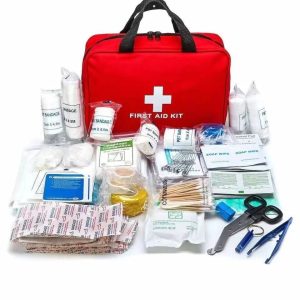
First Aid Kit well equipped.
1. Why Ask: Is Malaria High in Kenya Safaris?
Malaria, spread by infected Anopheles mosquitoes, remains a major health threat in sub-Saharan Africa. For safari-goers, it’s crucial to ask “Is malaria high in Kenya safaris?” because wildlife areas often overlap with mosquito habitats. Kenya experiences around 3.3 million malaria cases a year, with about 70% of the population at risk—especially near lakes and coastlines. Whether you’re headed to the Maasai Mara, Amboseli, Tsavo, or Samburu, understanding malaria risk helps protect your health.
2. Malaria Risk Zones Across Kenya
Kenya’s malaria risk isn’t uniform, and knowing regional differences is key. Here’s a breakdown:
High-Risk Areas
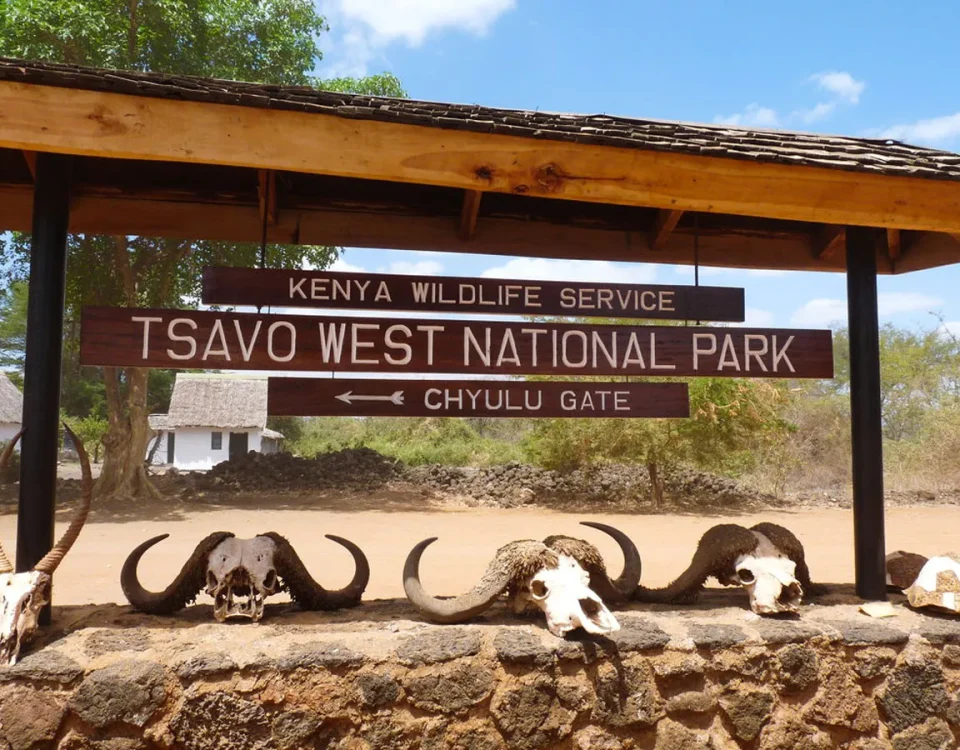
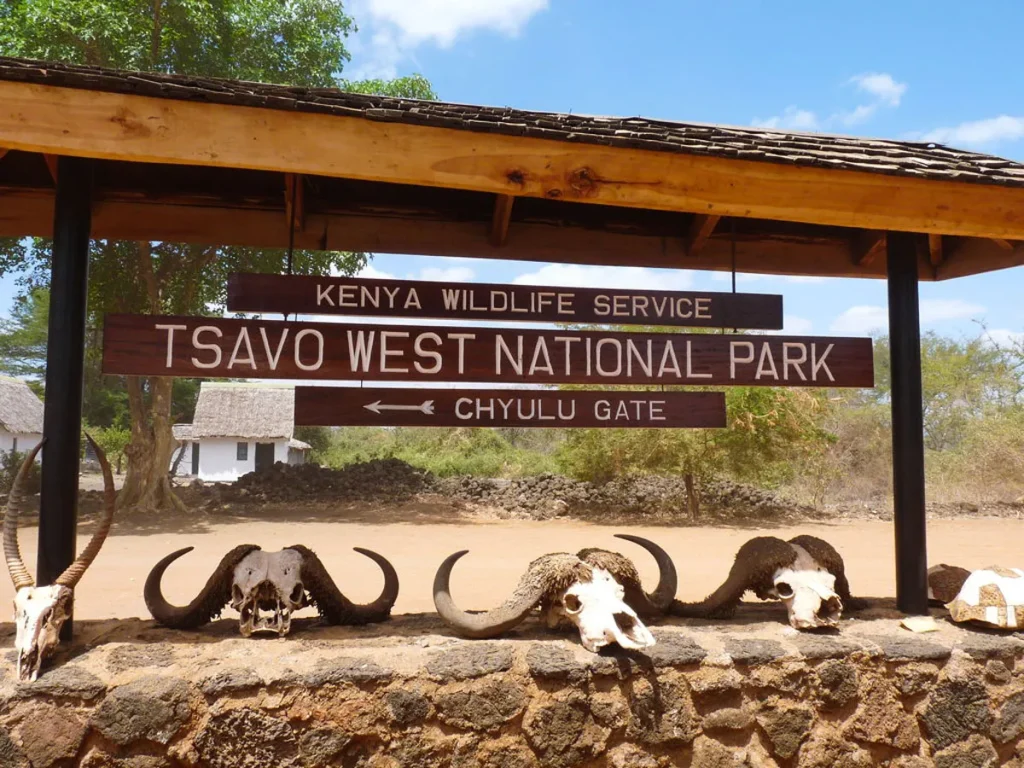
Most low-altitude parks and conservancies—like Maasai Mara, Tsavo East/West, Samburu, and coastal zones (Mombasa, Malindi, Lamu)—experience high malaria rates year-round, with peaks during rainy seasons (March–May and October–December).
Moderate or Low-Risk Areas
- Nairobi and surrounding high-altitude zones (~1,800–2,000 m) carry low risk, though bite prevention remains advised
- Highlands above 2,500 m—such as the Aberdares and Mt. Kenya regions—have very low malaria risk
Given these facts, asking “Is malaria high in Kenya safaris?” is valid—and the answer depends on your chosen destinations.
3. Why Malaria Risk Is High in Kenya Safaris
Several factors make malaria high in Kenya safaris:
- Low-lying, warm ecosystems: Ideal for mosquito breeding, especially near savannah waterholes.
- Rainy seasons: Increased stagnant water means more mosquito habitats
- Outdoor lodging: Open-air camps, tents, and nighttime drives expose guests to mosquito bites.
- Wildlife draws: Animals attract mosquitoes, and proximity increases transmission likelihood.
So yes, malaria high in Kenya safaris is a concrete risk if you don’t take preventive measures.
4. Safer Seasons and Destinations
Dry Seasons (July–September & January–March)
Mosquito activity drops, reducing malaria risk. This is a popular window for safari travel.
Highland Areas
Destinations like Nairobi National Park (1,800 m) have very low malaria risk.
Still, guided safari circuits usually include lowland reserves—where malaria remains a risk.
Overall, malaria high in Kenya safaris becomes manageable with timing and destination strategy.
5. How to Prepare: Prevention & Prophylaxis
Antimalarial Tablets
Because malaria is high in Kenya safaris, prophylactic meds are vital. Top options include:
- Atovaquone–proguanil (Malarone) – Daily dosing, well tolerated
- Doxycycline – Daily, effective but sun-sensitive
- Mefloquine (Lariam) – Weekly doses, some neuropsychiatric side effects
Start recommended meds 1–2 days before entering risk areas and continue for 7–28 days after exit .
Mosquito Bite Prevention
- DEET-based repellent (30–50%)
- Permethrin-treated clothing and bed nets, especially untreated safari tents
- Wear long sleeves/pants from dusk to dawn
- Sleep under insecticidal nets or with air conditioning
- Spray accommodations to reduce mosquito presence
Together, these measure constitute the “Bite prevention” part of malaria strategy.
6. Symptoms and Emergency Action
Despite best efforts, bites can occur. Watch for:
- High fever (38°C+), chills, sweating
- Headache, nausea, muscle aches
- Fatigue, confusion, breathlessness
If symptoms appear one week to up to one year after exposure, seek immediate medical attention
Diagnosis & Treatment
- Rapid diagnostic tests or microscopy
- Treatment with arterisinin-based combination therapy (ACTs)
- Severe cases may need hospitalization or medical evacuation
7. Regional Risk Snapshot: Safari Destinations
Maasai Mara
Moderate to high malaria risk—especially in wet seasons. Antimalarials and mosquito avoidance are non-negotiable
Tsavo East/West
High risk during rains. But gowns, nets, and repellents reduce transmission
Amboseli
Hot, dry climate reduces risk but doesn’t eliminate it. Malaria remains high in Kenya safaris here—take precautions
Samburu
Lowland heat supports mosquito breeding—expect high risk .
Coastal & Lake Regions
Always high-risk—Mombasa, Lamu, Lake Victoria. Focus on prevention and medication.
8. Is Malaria Really That High in Kenya Safaris?
FACTS:
- 75% of Kenyans live in malaria areas—so adult travelers entering protectable zones encounter real risk.
- Malaria contributes 16% of outpatient visits in Kenya.
- Prevention programs—treated nets, spraying, chemoprevention—have reduced prevalence from 11% (2010) to 8% (2015) nationally.
In short, risk is real—but malaria high in Kenya safaris doesn’t have to translate into infection—if you act wisely.
9. Traveler Experiences & Community Advice
From traveler forums:
- One user visiting highland safaris noted minimal mosquito exposure, but still used antimalarials.
- Another said repellent, treated clothes, and medication provided an “almost bug-free room” approach
These perspectives highlight that malaria high in Kenya safaris can be mitigated significantly with layered prevention.
10. Military of Malaria Prevention: ABCD Guide
- Awareness: Know which areas you’re entering are high-risk
- Bite prevention: Take all protective measures—mosquito nets, repellents, permethrin, clothing
- Chemoprophylaxis: Use antimalarial tablets consistently
- Diagnosis: Seek testing at first sign of illness
11. Special Groups: Risk Variants
Children & Pregnant Women
- Children under 5 and pregnant women face higher malaria complications (who.int).
- Pregnant travelers advised to avoid high-risk zones or consult physicians.
Immunocompromised or Elderly
- They carry higher severe disease risk—strict adherence to prevention and medication necessary.
12. What If You Get Malaria on Safari?
- Seek prompt medical evaluation—many lodges or nearby clinics have RDTs.
- Start treatment immediately; ACT is available at most safari clinics.
- If symptoms are severe, lodge evacuation protocols (e.g., Flying Doctors) can quickly transport you to Nairobi facilities such as Aga Khan or Nairobi Hospital.
Proactive measures reduce emergency need—but kits and risk awareness remain essential.
13. Final Word on Malaria Risk
So—is malaria high in Kenya safaris? Yes, especially in low-altitude parks during wet seasons. But with strategic planning—including medications, bite prevention, timing travel, and mosquito control—malaria high in Kenya safaris transitions from threat to manageable risk.
Summary
- High-risk areas include: Maasai Mara, Amboseli, Tsavo, Samburu, coastal/lake regions.
- Low-risk areas include: Nairobi and highlands above 2,500 m.
- Prevention is key: don’t skip antimalarials and bite control.
- Season matters: dry seasons reduce risk.
- Be alert: early malaria symptoms need immediate action.
Next Steps
- Consult a travel clinic at least 4–6 weeks before departure.
- Pack antimalarial medication, repellents, and protective clothing.
- Use bed nets and treated lodges.
- Stay informed and prepared.
With these precautions, you can enjoy Kenya’s wildlife with confidence—knowing you’ve minimized the threat of malaria on safari.
Recommended Tours: 8 Days Kenya Wildlife Safari | 4 Days Amboseli & Masai Mara