Lake Katwe Salt Mine Visit: What to Know Before You Go
Lake Katwe is one of Uganda’s most interesting cultural attractions, offering visitors an opportunity to learn about traditional salt mining and the daily lives of communities surrounding Queen Elizabeth National Park. Located in Kasese District, western Uganda, this unusual crater lake has supported salt production for generations.
A Lake Katwe salt mine visit allows you to observe local workers harvesting salt, explore traditional evaporation ponds and understand how natural minerals contribute to the local economy.
Unlike the wildlife activities commonly associated with Queen Elizabeth National Park, Lake Katwe provides a cultural experience focused on traditional skills, local businesses and community history.
This guide explains how salt is collected, what visitors can expect, the best time to go and practical advice for exploring the lake respectfully.
Overview of Lake Katwe Salt Mine
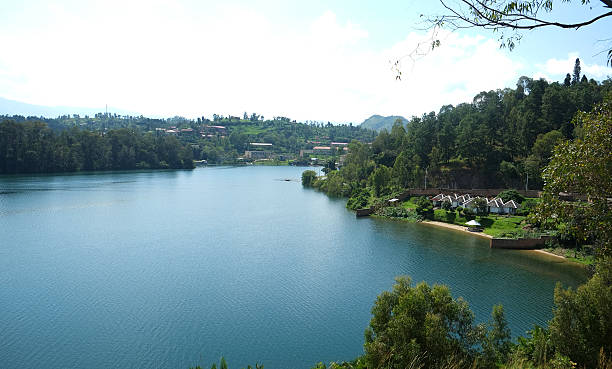
Lake Katwe is a saline crater lake located near Katwe town, close to Queen Elizabeth National Park.
The lake lies within the Katwe-Kikorongo volcanic field, an area shaped by ancient volcanic activity.
Its mineral-rich water has supported salt extraction for many years.
Local communities use traditional methods to collect different types of salt for domestic, agricultural and commercial purposes.
Salt mining remains an important economic activity for families living around the lake.
Quick Visitor Information
| Feature | Details |
|---|---|
| Location | Katwe, Kasese District |
| Nearby attraction | Queen Elizabeth National Park |
| Main activity | Guided salt mining visit |
| Recommended duration | 1–2 hours |
| Walking difficulty | Easy to moderate |
| Best visiting time | Morning |
| Main interest | Traditional salt production |
| Suitable visitors | Cultural travellers and photographers |
The experience can be included in a Queen Elizabeth National Park itinerary without requiring an additional full day.
History of Salt Mining at Lake Katwe
Salt extraction at Lake Katwe has a long history connected with trade and community livelihoods in western Uganda.
Before modern industrial salt production became widespread, natural salt sources were important trading commodities.
Communities around Lake Katwe collected salt and exchanged it for food, livestock and other goods.
Salt was valuable because it supported food preparation, preservation and livestock management.
Traditional mining methods developed through practical experience and knowledge passed between generations.
Today, many workers still depend on manual labour and natural evaporation processes.
The activity provides an opportunity to understand the relationship between natural resources and local economic survival.
How Salt Is Produced at Lake Katwe
Salt production at Lake Katwe involves collecting mineral-rich water and allowing dissolved salts to crystallise.
The process depends on evaporation, mineral composition and suitable weather conditions.
Visitors can observe different stages during a guided tour.
Traditional Evaporation Ponds
One of the most distinctive features of Lake Katwe is the arrangement of small salt ponds around the lake.
These ponds are separated by narrow earthen boundaries.
Workers direct or place concentrated brine into suitable ponds and allow water to evaporate.
As evaporation continues, dissolved minerals become more concentrated.
Under appropriate conditions, salt crystals form.
Workers then collect and prepare the harvested materials.
Collecting Salt
Salt harvesting is physically demanding.
Workers may spend long periods exposed to sunlight while handling mineral-rich water and salt deposits.
The work requires experience because different conditions affect the quality and quantity of harvested salt.
During your visit, a guide can explain how workers identify suitable harvesting periods and manage their ponds.
Processing the Salt
Salt collected from Lake Katwe can contain different minerals and impurities.
Processing requirements depend on the intended use.
Some materials are suitable for livestock-related applications, while salt intended for human consumption requires appropriate treatment and quality control.
Visitors should never assume that freshly collected salt is ready to eat.
Different Types of Salt Produced
Lake Katwe contains mineral deposits that support different salt products.
Local terminology and classifications may vary according to production methods.
Crystallised Salt
Crystallised salt forms when mineral-rich water evaporates under suitable conditions.
Workers collect the crystals after sufficient concentration and precipitation.
The resulting material may require further processing before commercial use.
Rock Salt
Rock salt refers to solid mineral deposits collected from suitable areas.
The material can contain varying concentrations of sodium chloride and other minerals.
Its quality determines the appropriate processing and potential uses.
Salt for Livestock
Some salt products are intended for livestock rather than direct human consumption.
Mineral supplements are important in animal management, although suitability depends on composition and processing.
Your guide can explain how local traders distinguish different products.
What to Expect During a Lake Katwe Salt Mine Visit
A guided visit generally begins near the salt-working area.
Your guide introduces the lake’s history and explains its importance to surrounding communities.
You may then walk along designated areas where salt production takes place.
Observing Salt Workers
One of the most interesting parts of the experience is watching workers manage the evaporation ponds.
You may observe people collecting salt, maintaining pond boundaries or preparing harvested material.
Activities depend on weather and the production cycle.
Some ponds may be active while others are undergoing preparation.
Avoid interrupting workers or entering production areas without permission.
Learning About Local Livelihoods
Salt mining provides income for many households around Lake Katwe.
However, the work involves physical challenges, including prolonged exposure to sunlight and concentrated brine.
A knowledgeable guide can explain the economic importance of the industry and the difficulties experienced by workers.
Approach conversations respectfully and avoid treating people’s working conditions as entertainment.
Exploring the Crater Landscape
The lake’s surrounding landscape is another interesting feature.
Its crater setting provides opportunities to observe geological formations associated with volcanic activity.
The mineral-rich water and salt ponds create unusual colours and textures.
These conditions make the area attractive for landscape photography.
Best Time to Visit Lake Katwe
Lake Katwe can be visited throughout the year.
However, weather conditions influence comfort and salt production activities.
Morning Visits
Morning is generally a comfortable time to explore the salt-working areas.
Temperatures may be lower, making outdoor walking easier.
Morning light can also be suitable for photography.
Consider arriving between approximately 8:00 am and 10:00 am, subject to local guiding arrangements.
Dry Season Visits
Uganda commonly experiences relatively drier periods around December to February and June to August.
Dry conditions can support evaporation and may make walking around the ponds easier.
However, salt production continues according to local conditions rather than a fixed tourist schedule.
Rainy Season Visits
Rainfall may affect evaporation and create muddy walking surfaces.
Some areas can become slippery.
Visitors should wear suitable shoes and follow guidance about where walking is permitted.
Lake Katwe Photography Tips
Lake Katwe offers interesting opportunities for cultural and landscape photography.
However, the working environment requires particular care.
Ask Before Photographing People
Salt miners are working to earn a living.
Always request permission before photographing individuals.
Some workers may prefer not to be photographed.
Respect their decision without argument.
Photograph the Landscape
The arrangement of salt ponds can create interesting patterns.
You can photograph the lake, surrounding crater slopes and production areas without focusing entirely on individual workers.
Early morning light may provide comfortable conditions for photography.
Protect Your Equipment
Salt, dust and moisture can damage cameras and lenses.
Avoid placing equipment directly on salty surfaces.
Carry a protective bag and clean your equipment carefully after the visit.
Safety Tips for Visiting Lake Katwe
Although Lake Katwe is a recognised cultural attraction, it remains an active working environment.
Visitors should follow local safety instructions.
Avoid Entering Salt Ponds
Do not step into evaporation ponds or attempt to collect salt without permission.
Some surfaces may be unstable, slippery or sharply crystallised.
Concentrated brine can also irritate damaged skin.
Do Not Swim in the Lake
Lake Katwe should not be treated as a recreational swimming destination.
Its mineral-rich water and working conditions make swimming inappropriate.
Choose recognised swimming facilities elsewhere if you want water-based recreation.
Protect Yourself From Sunlight
The area can become hot, particularly during the middle of the day.
Carry drinking water, sunscreen and a hat.
Lightweight clothing that covers your shoulders can provide additional protection.
How to Reach Lake Katwe
Lake Katwe is located near Queen Elizabeth National Park in western Uganda.
Visitors commonly reach the area while staying around the park’s northern tourism sector or nearby Kasese.
A private safari vehicle provides convenient transport.
Transport Options
| Transport | Recommendation |
|---|---|
| Private safari vehicle | Convenient for organised visitors |
| Local taxi | Possible from nearby towns |
| Guided cultural excursion | Useful for historical explanations |
| Self-drive vehicle | Suitable with reliable directions |
Road conditions can change during rainy periods.
Confirm the route and guiding arrangements before travelling.
Combining Lake Katwe With Queen Elizabeth National Park
Lake Katwe fits naturally into a safari itinerary around Queen Elizabeth National Park.
Game Drives
The park provides opportunities to observe elephants, buffaloes, antelopes and other wildlife.
A morning game drive can be followed by a cultural visit, depending on your schedule.
Kazinga Channel Boat Cruise
The Kazinga Channel is known for boat excursions offering opportunities to observe hippos, birds and other wildlife.
You can arrange the salt mine visit around your boat cruise departure time.
Ishasha Tree-Climbing Lions
Travellers continuing towards the southern sector of Queen Elizabeth National Park can search for the famous tree-climbing lions.
However, Ishasha requires additional driving time and should be planned separately.
Frequently Asked Questions
Is Lake Katwe worth visiting?
Yes, particularly if you enjoy cultural experiences and want to understand traditional economic activities around Queen Elizabeth National Park.
How long does the visit take?
Most visitors should allow approximately one to two hours.
The duration depends on the guiding programme and your interest in salt production.
Can visitors buy salt?
Salt products may be available through local traders.
Ask about their intended use and whether they have undergone appropriate processing.
Is Lake Katwe suitable for children?
Families can visit, but children require close supervision around ponds and uneven surfaces.
Do you need a guide?
A local guide is strongly recommended.
Guides can explain the production process and help visitors avoid restricted working areas.
Practical Planning Advice
Arrange your visit through a knowledgeable local guide or established tour operator.
Confirm current guiding charges before arrival.
Wear closed shoes with suitable grip.
Carry drinking water and avoid walking on fragile pond boundaries.
Respect workers’ privacy and ask before taking photographs.
If you purchase local products, consider supporting established community traders.
Most importantly, remember that Lake Katwe is a working salt production area rather than a purpose-built tourist attraction.
Lake Katwe offers an informative cultural experience near Queen Elizabeth National Park.
Its traditional salt ponds, mineral-rich crater landscape and hardworking communities provide opportunities to learn about Uganda’s local economy and historical trading practices.
A guided visit helps you understand how salt is harvested and why the lake remains important to surrounding families.
With respectful behaviour, suitable footwear and careful planning, Lake Katwe can become a worthwhile addition to your western Uganda safari.