

Lewa Wildlife Conservancy: A Model for Community-Led Rhino Conservation
Lewa Wildlife Conservancy stands as one of Africa’s most internationally recognized conservation success stories, a UNESCO World Heritage Site that has pioneered a genuinely effective model combining rhino protection, Big Five wildlife viewing, and deep community partnership that other conservation areas across the continent have studied and adapted. Located in Kenya’s central highlands, Lewa offers travelers both excellent wildlife viewing and a genuinely instructive look at conservation done right. This guide covers what makes Lewa’s model so significant, from its rhino protection program through to its far-reaching community partnership.
A UNESCO World Heritage Conservation Model
Lewa’s recognition as a UNESCO World Heritage Site reflects its genuinely significant contribution to rhino conservation and its broader model of integrating wildlife protection with community development, a combination that has proven considerably more sustainable than conservation approaches that exclude local communities.
Lewa’s Rhino Conservation Success
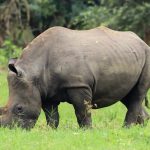
Lewa hosts a substantial population of both black and white rhinos, protected under genuinely rigorous security measures that have made the conservancy one of Kenya’s most successful rhino breeding and protection programs.
The Community Partnership Model
What genuinely sets Lewa apart is its deep integration with surrounding communities, channeling tourism revenue directly into local healthcare, education, and infrastructure, creating tangible incentives for community support of conservation rather than viewing wildlife protection as a burden imposed from outside.
Big Five Wildlife Beyond Rhinos
Beyond its rhino conservation focus, Lewa offers genuinely excellent Big Five viewing, including healthy elephant, lion, and leopard populations, alongside the endangered Grevy’s zebra found in this part of northern Kenya.
Walking Safaris and Horseback Riding
Lewa offers genuinely varied activity options beyond standard game drives, including walking safaris and horseback riding, giving visitors multiple ways to experience the conservancy’s landscape and wildlife.
Grevy’s Zebra Conservation at Lewa
Lewa serves as another genuinely important stronghold for the endangered Grevy’s zebra, complementing populations found at Samburu further north, and the conservancy’s protection efforts contribute meaningfully to the species’ overall survival across its shrinking range.
The Safaricom Marathon
Lewa hosts an annual marathon run directly through the conservancy alongside wildlife, a genuinely unique event that has become an internationally recognized fundraising and awareness platform for the conservancy’s conservation work.
Why Lewa’s Model Gets Studied Internationally
Conservation organizations and policymakers from across Africa and beyond have studied Lewa’s specific approach to community integration, seeking to replicate its genuine success in balancing wildlife protection with tangible local economic benefit elsewhere.
Accommodation Within Lewa
Lewa offers a range of genuinely excellent lodges and camps, several specifically designed to support the conservancy’s broader conservation and community funding model directly through guest fees.
Getting to Lewa
Lewa’s position in Kenya’s central highlands, accessible via scheduled flights from Nairobi, makes it a genuinely convenient addition to a broader Kenya itinerary.
How Revenue Sharing Actually Works
Lewa’s model channels a genuine, substantial portion of tourism revenue directly into community projects, including school construction, healthcare clinics, and water infrastructure, creating a transparent, tangible link between visitor spending and local benefit that distinguishes it from conservation models where community involvement remains more nominal.
Security and Anti-Poaching Efforts
Lewa maintains genuinely sophisticated anti-poaching operations, including trained ranger teams and technology-assisted monitoring, security infrastructure that has made the conservancy one of the safest environments for rhinos anywhere in East Africa.
How Lewa’s Founding Shaped Its Distinctive Approach
Lewa’s origins as a private ranch that gradually transitioned toward conservation genuinely shaped its distinctive, pragmatic approach to balancing wildlife protection with working-landscape economics, a founding history that continues influencing how the conservancy operates decades later.
How Lewa Coordinates With Neighboring Conservancies
Lewa works genuinely closely with neighboring conservancies and community lands, forming part of a broader connected landscape that allows wildlife, particularly elephants, to move across a considerably larger combined territory than any single protected area could offer alone.
Why Education Programs Matter Within Lewa’s Model
Beyond direct revenue sharing, Lewa genuinely invests in environmental education programs for local schools, building long-term community understanding and support for conservation among younger generations who will eventually inherit responsibility for the landscape’s future.
How Rhino Monitoring Technology Has Evolved at Lewa
Lewa has genuinely embraced advancing tracking and monitoring technology over the years, from radio collars to more sophisticated sensor networks, continuously refining its security capabilities to stay ahead of evolving poaching threats across the region.
Why Lewa Appeals to Travelers Interested in Conservation Stories
Beyond simple wildlife viewing, Lewa genuinely rewards travelers who want to understand the deeper story behind the animals they’re photographing, offering guided conversations with conservancy staff and rangers that add real substance beyond a standard game drive narration.
Common Questions About Visiting Lewa
Travelers frequently ask whether Lewa’s community model genuinely benefits local people or simply markets itself that way, and independent assessments and UNESCO’s own recognition support the conservancy’s substantive, measurable community impact rather than superficial branding. Visitors also ask whether Lewa suits first-time African safari travelers, and yes, its combination of excellent wildlife viewing, varied activities, and comfortable accommodation makes it genuinely accessible for travelers at any experience level.
Why Lewa Represents Conservation’s Future
As conservation increasingly recognizes that long-term wildlife protection depends on genuine local buy-in rather than exclusion, Lewa’s decades of demonstrated success offer a genuinely important template for how community and conservation interests can align rather than conflict.
How Lewa’s Rhino Population Has Grown Over Time
Since its formal establishment as a dedicated rhino sanctuary, Lewa’s population has genuinely grown substantially through sustained protection and careful management, a growth trajectory that has allowed the conservancy to periodically translocate rhinos to help establish or bolster populations at other protected areas across Kenya.
Why Lewa’s Landscape Suits Both Black and White Rhinos
Lewa’s genuinely varied terrain, combining open grassland with denser bush, supports both black rhinos’ browsing habits and white rhinos’ grazing preferences, allowing the conservancy to sustain healthy populations of both species within a single protected landscape.
How Tourism Revenue Directly Funds Ranger Operations
A genuinely significant portion of Lewa’s anti-poaching and ranger operations budget comes directly from tourism revenue, meaning every visitor’s stay contributes tangibly to the security infrastructure protecting the conservancy’s rhino population around the clock.
Why Walking Safaris Offer a Genuinely Different Perspective
Beyond standard vehicle-based game drives, Lewa’s guided walking safaris offer travelers a genuinely more intimate, slower-paced connection to the landscape, tracking signs and reading terrain in a way that vehicle-based viewing simply cannot replicate.
How Lewa’s Model Has Influenced Policy Beyond Kenya
Beyond individual conservancies studying Lewa’s approach, some national conservation policies across the broader region have genuinely drawn on lessons from Lewa’s community integration model, reflecting the conservancy’s influence extending well beyond its own physical boundaries.
Why First-Time Rhino Sightings at Lewa Feel Genuinely Significant
Given the species’ endangered status and the visible security infrastructure protecting them, a rhino sighting at Lewa carries genuine emotional weight beyond simple wildlife viewing, offering travelers a tangible sense of witnessing an active conservation success story rather than a passive tourist attraction.
Why This Model Rewards Travelers Interested in Meaningful Travel
Beyond simply photographing wildlife, travelers who choose Lewa specifically because of its community model often describe their visit as genuinely more meaningful, knowing their spending directly supports both conservation and local livelihoods rather than disappearing into an opaque tourism system.
How This Destination Fits Into a Broader Kenya Itinerary
Travelers combining Lewa with the Maasai Mara or other classic Kenya destinations often find the conservancy offers a genuinely worthwhile contrast, trading the Mara’s dramatic herd numbers for Lewa’s more intimate, conservation-focused wildlife experience.
Why This Conservancy Rewards a Longer, Unhurried Stay
Given the genuine depth of activities and conservation storytelling available at Lewa, travelers who allocate two or three nights rather than a brief single-night stopover consistently report a considerably richer experience, with time enough for both wildlife viewing and meaningful conversation with conservancy staff.
How This Destination Suits Repeat Kenya Visitors
Travelers who’ve already experienced Kenya’s more famous parks on a previous trip often find Lewa offers a genuinely worthwhile next layer of exploration, treating it as a deliberate return-visit priority rather than a first-timer’s default itinerary stop.
Why Lewa’s Story Resonates Beyond Dedicated Conservationists
Even travelers without a particular prior interest in conservation policy often leave Lewa genuinely moved by the tangible connection between their visit and real community outcomes, a rare kind of safari experience that combines memorable wildlife viewing with a concrete sense of positive impact.
Why Lewa Deserves Serious Consideration on Any Kenya Itinerary
Given the genuine combination of excellent wildlife, thoughtful community integration, and varied activities available, Lewa deserves serious consideration well beyond a brief add-on, standing on its own as a genuinely worthwhile centerpiece destination within a broader Kenya trip.
Planning Your Lewa Visit
Working with an experienced operator to include Lewa within your broader Kenya itinerary offers both genuinely excellent wildlife viewing and a meaningful look at conservation’s community dimension within your East Africa safari, turning a standard game drive into a genuinely informed appreciation of conservation done well.
Recommended Tours: 12-Day Uganda Gorilla Tours and Kenya Great Migration Safaris | 10 Days Ultimate Uganda Gorilla & Big Five Safari


















