Mabamba Swamp Shoebill Tour: Best Time and What to Expect
Mabamba Swamp is one of Uganda’s best destinations for birdwatching, particularly for travellers hoping to see the rare shoebill in its natural habitat. Located along the northern shores of Lake Victoria, west of Entebbe, this extensive wetland attracts bird enthusiasts, wildlife photographers and visitors interested in Uganda’s natural environment.
A Mabamba Swamp shoebill tour involves travelling through narrow wetland channels in a small boat with an experienced local guide. Along the way, you may observe waterbirds, papyrus vegetation and the remarkable shoebill, a large bird recognised for its enormous bill and unusual appearance.
The shoebill is one of Africa’s most sought-after birds, and Mabamba offers a good opportunity to search for it without travelling far from Kampala or Entebbe.
However, sightings are never guaranteed. Your chances depend on the bird’s movements, weather, water levels and the experience of your guide.
This guide explains the best time to visit Mabamba Swamp, how the boat excursion works, what birds you may encounter and how to prepare for a comfortable visit.
Where Is Mabamba Swamp Located?
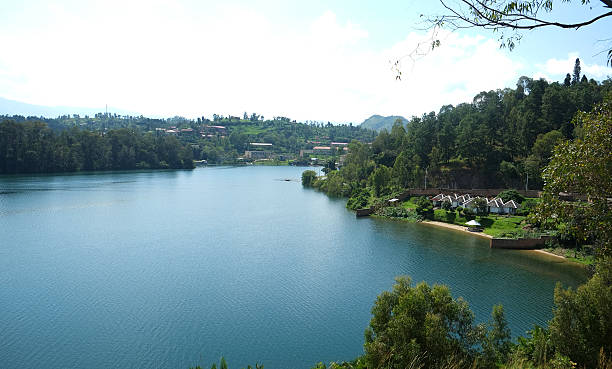
Mabamba Swamp, also called the Mabamba Bay Wetland System, lies along Lake Victoria’s northern shoreline in Wakiso District.
The wetland is located west of Entebbe and is accessible through local roads and waterways.
It is recognised internationally as a Ramsar wetland because of its ecological importance.
The area contains extensive papyrus vegetation, open water channels and other wetland habitats that support numerous bird species.
Getting to Mabamba From Entebbe
Entebbe is a convenient starting point for a Mabamba shoebill excursion.
Visitors can travel by road towards the wetland’s boat departure areas.
The journey commonly takes approximately 45 minutes to one and a half hours, depending on the chosen route, departure point and road conditions.
Some tour operators also arrange boat transfers across suitable sections of Lake Victoria.
These transfers depend on weather, boat availability and safety arrangements.
Getting to Mabamba From Kampala
Mabamba can also be visited from Kampala.
Road travel may take approximately one and a half to two and a half hours, although traffic can make the journey longer.
If you are staying in Kampala, an early departure is advisable.
Why Mabamba Swamp Is Famous for Shoebills
The shoebill is a large wetland bird scientifically known as Balaeniceps rex.
It is recognised by its broad, shoe-shaped bill, long legs and grey feathers.
An adult shoebill can stand approximately 1.1 to 1.4 metres tall.
Its unusual appearance and patient hunting behaviour make it a favourite among birdwatchers.
What Do Shoebills Eat?
Shoebills feed mainly on aquatic animals.
Lungfish are an important part of their diet, although they also catch other fish and suitable wetland prey.
They often remain motionless for long periods while waiting for an opportunity to strike.
Their hunting method involves a sudden movement of the head and large bill.
Watching this behaviour can be fascinating, although you may spend considerable time observing a bird that barely moves.
Why Do Shoebills Live at Mabamba?
Mabamba provides suitable wetland habitat with shallow water, vegetation and feeding areas.
The papyrus channels and surrounding marshes support the aquatic animals on which shoebills depend.
The wetland also provides habitat for many other bird species.
Protecting this environment is essential for maintaining its wildlife populations.
Best Time to Visit Mabamba Swamp for Shoebill Tracking
Mabamba can be visited throughout the year.
Shoebills are resident birds in the wider wetland environment, so visitors do not need to wait for a particular annual migration.
However, some conditions are more comfortable for birdwatching than others.
Early Morning: The Recommended Time
Early morning is often the preferred period for a Mabamba birdwatching excursion.
Many guides recommend beginning the boat activity around 7:00 am or shortly afterwards, depending on local arrangements.
Morning conditions may offer:
-
Cooler temperatures.
-
Pleasant natural lighting.
-
Less disturbance from other activities.
-
Good opportunities to observe wetland birds.
Starting early also provides enough time to search different channels if the shoebill is not immediately visible.
Afternoon Birdwatching
Afternoon excursions may also be possible.
However, increasing heat, wind or changing weather can affect comfort and boat conditions.
Shoebills can be encountered at different times of day, so morning is a preference rather than a guarantee of success.
Rainy and Drier Seasons
Mabamba remains accessible during much of the year, but rainfall affects water levels and the condition of surrounding access roads.
During wetter periods, the wetland may have higher water levels and lush vegetation.
Heavy rain or strong winds can interrupt boat activities.
Relatively drier periods may offer more predictable travel arrangements, although water levels and bird locations continue to change.
How a Mabamba Swamp Shoebill Tour Works
Most visits follow a straightforward programme involving transport, registration and guided birdwatching by boat.
Step 1: Travel to the Wetland
Your guide or driver collects you from your accommodation.
If you are staying in Entebbe, departure may be early enough to reach the wetland during the preferred birdwatching period.
At the arrival point, you meet the local boat guide and prepare for the excursion.
Step 2: Safety Briefing
Before boarding, the guide explains the boat arrangements and safety procedures.
Visitors should wear properly fitted life jackets.
Keep your belongings secure and avoid sudden movements inside the boat.
Step 3: Entering the Papyrus Channels
The boat moves through open water and narrow channels surrounded by wetland vegetation.
Your guide searches areas where shoebills have recently been observed or where feeding conditions appear suitable.
The search may involve moving slowly and stopping to examine birds in the distance.
Step 4: Searching for the Shoebill
Shoebills can be difficult to identify from far away when standing among vegetation.
Experienced local guides understand their preferred habitats and behaviour.
However, the bird may move between different areas of the wetland.
The guide may need time to locate a suitable individual.
Step 5: Observing and Photographing Birds
If a shoebill is found, the guide should position the boat at a respectful distance.
Visitors can observe the bird without attempting to approach too closely.
The experience may also include sightings of other waterbirds.
After the excursion, the boat returns to the departure point.
How Long Does a Mabamba Shoebill Tour Take?
The duration depends on where the shoebill is located and how much time you want to spend birdwatching.
The boat excursion often takes approximately two to three hours.
Some trips may be shorter, while dedicated birdwatchers may request more time.
A complete excursion from Entebbe, including transport, can require around four to six hours.
Travellers departing from Kampala should allow additional driving time.
If you have an afternoon flight, avoid planning the excursion too tightly.
Mabamba Swamp Tour Planning Guide
| Activity Detail | What to Expect |
|---|---|
| Location | Wakiso District, near Lake Victoria |
| Main attraction | Shoebill |
| Best time of day | Early morning |
| Visiting season | Year-round |
| Main activity | Guided birdwatching by boat |
| Typical boat duration | Approximately 2–3 hours |
| Suggested starting point | Entebbe |
| Photography | Possible with suitable equipment |
| Safety equipment | Properly fitted life jacket |
| Advance booking | Recommended |
Times and arrangements depend on your tour operator and conditions at the wetland.
Other Birds You May See at Mabamba Swamp
Although the shoebill is the main attraction, Mabamba supports many other bird species.
This makes the excursion enjoyable even when the shoebill is difficult to locate.
Birds you may encounter include:
-
African jacana.
-
Pied kingfisher.
-
Malachite kingfisher.
-
African fish eagle.
-
Purple heron.
-
Goliath heron.
-
Yellow-billed duck.
-
Various egrets and other wetland birds.
Sightings depend on the season, habitat and conditions.
A knowledgeable guide can help identify species by their appearance, calls and behaviour.
Photographing Shoebills at Mabamba Swamp
Photographing a shoebill requires patience.
The bird may remain still for extended periods before moving or hunting.
Recommended Camera Equipment
A telephoto lens is useful because visitors must maintain a respectful viewing distance.
A 100–400 mm zoom can work well in some situations.
A longer lens may provide additional reach when birds are farther away.
If you use a smartphone, you may obtain attractive wider photographs of the wetland, although detailed shoebill portraits can be more difficult.
Photography Tips
Use a shutter speed suitable for the movement of the boat.
Keep your equipment secure when changing lenses or adjusting settings.
Avoid leaning dangerously over the side.
Do not ask the boat guide to disturb the bird for a better photograph.
Never use flash at close range.
A calm observation is more important than obtaining a particular image.
What to Wear for a Mabamba Swamp Tour
Mabamba birdwatching generally involves sitting in a boat rather than completing a long hike.
Comfortable outdoor clothing is therefore suitable.
Choose lightweight clothes that protect you from the sun.
A long-sleeved shirt can help reduce sun exposure and insect bites.
What to Carry
| Item | Purpose |
|---|---|
| Sunhat | Protection from direct sunlight |
| Sunscreen | Reducing sun exposure |
| Insect repellent | Protection against biting insects |
| Drinking water | Staying hydrated |
| Binoculars | Observing distant birds |
| Camera | Wildlife photography |
| Waterproof bag | Protecting electronics |
| Light rain jacket | Protection from unexpected rain |
Avoid carrying unnecessary luggage onto the boat.
Keep cameras and phones in waterproof protection when not in use.
Safety During a Mabamba Boat Safari
Boat safety is essential because the excursion takes place on wetland waterways connected to Lake Victoria.
Always travel with an experienced local boat operator.
Wear your life jacket throughout the trip.
Remain seated when instructed and avoid standing suddenly.
Do not place your hands into the water or attempt to touch wildlife.
If strong wind, lightning or heavy rain develops, follow your guide’s instructions immediately.
The boat operator should decide whether conditions are suitable for continuing the excursion.
The Importance of Mabamba Swamp Conservation
Mabamba is an important habitat for the shoebill and other wetland wildlife.
The area also supports local livelihoods, including fishing and tourism.
However, wetlands face pressures from habitat alteration, pollution and unsustainable resource use.
Responsible tourism can help support conservation by providing income to local guides and boat operators.
How Visitors Can Help
Choose responsible local operators.
Do not leave rubbish in the wetland.
Avoid making loud noises near birds.
Never ask guides to chase or approach shoebills aggressively.
Respect restrictions around sensitive nesting or feeding areas.
These practices help reduce disturbance to wildlife.
Combining Mabamba With Other Uganda Activities
Mabamba is particularly convenient for travellers staying near Entebbe.
You can arrange the excursion at the beginning or end of a longer Uganda safari.
Suggested One-Day Programme
Early morning: Depart Entebbe for Mabamba Swamp.
Morning: Enjoy guided birdwatching and search for the shoebill.
Late morning: Return from the boat excursion.
Afternoon: Relax in Entebbe or enjoy another suitable activity.
Travellers continuing towards western Uganda may prefer to visit Mabamba before beginning a longer road journey.
If your itinerary includes gorilla trekking, chimpanzee trekking or wildlife safaris, the shoebill excursion provides a different wildlife experience.
Who Should Visit Mabamba Swamp?
Mabamba is suitable for several types of travellers.
Birdwatchers will appreciate the opportunity to search for the shoebill and other wetland species.
Wildlife photographers may enjoy the quiet waterways and natural surroundings.
Families can also find the experience interesting, provided children meet the operator’s safety requirements.
Visitors with limited time in Uganda may appreciate Mabamba because of its proximity to Entebbe.
However, travellers uncomfortable with small boats should discuss their concerns with the operator before booking.
Frequently Asked Questions About Mabamba Swamp
Is Mabamba Swamp the best place to see shoebills in Uganda?
Mabamba is among Uganda’s most accessible and reliable places to search for wild shoebills, particularly for travellers staying near Entebbe.
Is a shoebill sighting guaranteed?
No. Shoebills are wild birds, and sightings depend on their movements and habitat conditions.
What is the best time to visit Mabamba Swamp?
Early morning is generally recommended because conditions can be comfortable for birdwatching.
Can you visit Mabamba Swamp throughout the year?
Yes. Mabamba is a year-round birdwatching destination, although weather and water levels affect individual excursions.
How long does a shoebill tour take?
The boat excursion commonly takes around two to three hours. Additional time is needed for road transfers.
Do you need binoculars?
Binoculars are useful for observing distant birds, but they are not always essential. Ask whether your guide can provide a pair.
Can you visit Mabamba from Kampala?
Yes. Mabamba can be reached from Kampala by road, although an early departure is advisable.
Mabamba Swamp offers one of Uganda’s most rewarding short birdwatching experiences.
Its papyrus channels and wetland environment provide an opportunity to search for the rare shoebill while observing other bird species.
An early morning visit with an experienced local guide is a practical choice, although sightings can never be guaranteed.
The excursion is particularly convenient for travellers staying in Entebbe or planning a longer Uganda safari.
With suitable clothing, binoculars and respect for the wetland environment, your Mabamba visit can provide a memorable introduction to Uganda’s birdlife.