There’s a particular freedom to crossing borders on two wheels rather than inside a sealed vehicle, weather and dust and the smell of woodsmoke reaching you directly rather than filtered through glass and air conditioning. Motorcycle touring across East Africa has built a small but genuinely dedicated following among riders drawn to the region’s dramatic terrain, from Rwanda’s terraced volcanic hills to the mud tracks of Uganda’s Congo Nile Trail, covering ground that a conventional vehicle safari simply experiences differently. This complete guide walks through the main routes, logistics, and realistic expectations for anyone considering a motorcycle-based trip through the region, from choosing between a guided tour and going it alone to the practical realities of fuel, repairs, and border paperwork along the way.
Why Motorcycle Touring Suits East Africa’s Terrain
The region’s mix of paved highways, red laterite dirt roads, and genuinely rough backcountry tracks creates a riding environment that rewards a motorcycle’s flexibility in ways a car or safari vehicle can’t match, threading through village markets, pausing wherever a view or a roadside chai stall demands, and reaching remote stretches of countryside that larger vehicles struggle to access on narrower tracks. Rwanda in particular has developed a reputation among touring riders for exceptional road quality by regional standards, smooth, well-maintained routes climbing through tea and coffee plantations with views across the country’s famous thousand hills, while Uganda and Kenya offer a rougher, more varied riding experience across a wider range of surface conditions.
Major Touring Routes
The Kenya-Uganda-Rwanda-Tanzania Loop
Established operators run guided tours covering roughly 2,900 kilometres through all four countries, weaving together border crossings, safari stops, and gorilla trekking arrangements into a single continuous itinerary that typically runs two to three weeks depending on pacing. These guided routes handle the considerable logistics of multi-country motorcycle travel, border paperwork, fuel planning across regions with inconsistent station availability, and mechanical support, that would be genuinely daunting for an independent rider attempting the same crossing without local support.
Rwanda’s Congo Nile Trail and Volcanic Highlands
Within Rwanda specifically, the Congo Nile Trail and surrounding volcanic highland roads offer some of the country’s most rewarding riding, tea plantation switchbacks, Lake Kivu shoreline stretches, and the dramatic backdrop of the Virunga volcanoes rising in the distance. Riders describe Rwanda’s roads as genuinely among the best motorable surfaces anywhere on the continent, a reputation that stands in useful contrast to the rougher, more unpredictable conditions found on many rural routes elsewhere in the region.
Uganda’s Karamoja and Sipi Falls Circuits
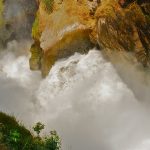
Uganda’s northeastern Karamoja region and the Sipi Falls area on Mount Elgon’s slopes offer rougher, more exploratory riding for touring motorcyclists seeking terrain with less infrastructure and considerably fewer other travellers, passing through pastoralist communities and coffee-growing hillsides largely untouched by conventional tourism. This kind of riding demands greater self-sufficiency, more careful fuel and route planning, and genuine comfort navigating with minimal support infrastructure compared with Rwanda’s more developed highland roads.
Choosing Between a Guided Tour and Independent Riding
Guided motorcycle tours, run by specialist operators with established routes, accommodation bookings, and mechanical support, suit riders wanting the adventure of the terrain without the considerable additional logistical burden of independent multi-country motorcycle travel. Independent riding, bringing or renting a bike and planning a self-guided route, offers far greater flexibility and a more genuinely improvised sense of adventure, but demands serious preparation: familiarity with each country’s specific import and licensing requirements for motorcycles, comfort navigating border crossings without a guide’s assistance, and a realistic contingency plan for mechanical issues in areas with limited spare parts availability for anything beyond the most common local motorcycle models.
Licensing, Insurance, and Border Crossings
Riders bringing their own motorcycle into the region, or those planning to cross multiple countries on a rented bike, need to navigate a genuinely complex web of import permits, insurance requirements, and licensing rules that vary meaningfully between Kenya, Uganda, Rwanda, and Tanzania. An International Driving Permit alongside a home country motorcycle licence covers the basic legal requirement in most cases, but temporary vehicle import documentation, particularly a carnet de passage for riders bringing their own machine across multiple borders, requires advance arrangement well before departure. Guided tour operators handle this complexity directly, which is a significant part of what riders are paying for beyond simply route knowledge and mechanical support.
Renting Versus Bringing Your Own Bike
Most touring riders visiting East Africa specifically for a motorcycle trip rent locally rather than shipping their own machine, a considerably simpler and more cost-effective approach given the expense and paperwork involved in international motorcycle shipping. Rental fleets across the region’s established touring operators typically favour mid-size adventure or dual-sport bikes suited to the mixed paved and unpaved conditions riders will encounter, rather than large touring bikes better suited to smooth highway riding elsewhere in the world. Riders with strong preferences about a specific bike model or those planning an extended, multi-month journey through multiple African regions beyond just East Africa are more likely to find bringing their own machine worthwhile despite the added logistics.
Fuel, Repairs, and Support Along the Route
Fuel availability varies considerably across the region, reasonably consistent along major highways and in larger towns, considerably less predictable across remote stretches of Karamoja or other backcountry riding, and riders planning independent routes through less developed areas should carry supplementary fuel capacity and plan refuelling stops conservatively rather than assuming a station will appear exactly when the tank runs low. Mechanical support follows a similar pattern: major towns generally have at least basic motorcycle repair capability, often geared toward the common Chinese and Indian-made bikes that dominate local transport rather than larger touring or adventure motorcycles, meaning riders on less common models should carry a more comprehensive spares kit and basic repair skills than they might need in a region with more standardised motorcycle infrastructure.
Safety Considerations Specific to the Region
Road conditions across East Africa vary dramatically within short distances, smooth paved highway giving way abruptly to deep potholes, unmarked speed bumps, or sudden gravel sections, and riders unfamiliar with these conditions should maintain considerably more cautious speeds than they might on comparable rural roads elsewhere. Wildlife crossing roads, particularly near national park boundaries, presents a genuine hazard worth taking seriously, and riders should reduce speed significantly in areas known for animal movement across roadways, especially around dawn and dusk when large mammals are most active. Full protective gear, helmet, jacket, and appropriate riding boots, matters as much here as anywhere, and the heat and dust of equatorial riding shouldn’t tempt riders into compromising on protective equipment for comfort, however appealing shedding a layer might seem by mid-afternoon on a long, hot riding day.
Packing and Gear for a Multi-Country Ride
Beyond standard protective riding gear, touring East Africa’s mixed terrain rewards a specific kind of packing discipline: waterproof panniers or dry bags to protect gear during sudden rain, a basic mechanical toolkit and tyre repair supplies given the unpredictable availability of specialist parts outside major towns, and layered clothing that can handle both cool highland mornings, particularly in Rwanda’s volcanic highlands, and the considerably warmer conditions found in lower-lying regions later the same day. A reliable GPS unit or offline mapping app matters more here than it might in regions with more consistent signage and road infrastructure, since route-finding on Uganda’s or Kenya’s rural roads can genuinely challenge riders relying purely on paper maps or memory.
Combining Motorcycle Touring With Wildlife and Gorilla Trekking
Several guided motorcycle tour operators build gorilla trekking and conventional game drives directly into their itineraries, arranging secure motorcycle storage at a lodge or park headquarters while riders swap two wheels for a day or two of trekking or a vehicle-based safari activity. This hybrid approach suits most touring riders well, since motorcycles aren’t practical or permitted for the activities themselves, forest trekking and game drives both require appropriate vehicles or walking, but the flexibility to combine riding days with these more conventional safari activities gives a motorcycle tour genuine breadth beyond simply covering distance on two wheels.
Best Time of Year to Ride
Dry season months, June through September and December through February across most of the region, offer significantly better riding conditions, since unpaved sections that make up a meaningful portion of many touring routes turn to genuinely difficult, sometimes impassable mud during the long and short rains. Rwanda’s well-maintained paved roads hold up better across a wider stretch of the calendar than Uganda’s and Kenya’s rougher rural routes, but riders planning any significant off-highway riding should build their itinerary firmly around the regional dry seasons rather than risking routes that become substantially more dangerous and less enjoyable once heavy rain sets in. Altitude adds a further seasonal wrinkle worth planning around: Rwanda’s and Uganda’s highland routes stay noticeably cooler year-round than lower-lying stretches near Lake Victoria or the Kenyan coast, and riders crossing between these zones within a single day should pack layers capable of handling a genuinely wide temperature swing rather than dressing for just one climate across an entire multi-country itinerary.