Mountain Biking Safaris: Exploring Uganda and Rwanda on Two Wheels
A mountain biking safari in Uganda offers a genuinely active alternative to the standard vehicle-based game drive, letting travelers cover ground at their own pace while getting considerably closer to the sounds, smells, and physical texture of the landscape than a safari vehicle allows. Uganda and Rwanda’s hilly, green terrain, dotted with tea plantations, terraced farmland, and forest edges, suits cycling particularly well, and a growing number of lodges and operators now offer guided rides ranging from a gentle few hours to more demanding multi-day routes. This guide covers where to ride and what to expect.
Why Cycling Suits Uganda and Rwanda’s Landscape
Unlike the flat, open savannah associated with classic East African safaris, Uganda and Rwanda’s landscapes, rolling hills, terraced farmland, and dense forest edges, translate naturally into rewarding cycling terrain, with enough elevation change to keep rides interesting without demanding extreme technical mountain biking skill on most established routes. Rwanda in particular, often called the Land of a Thousand Hills, has built a genuine cycling culture and even hosts competitive cycling events, reflecting how well the country’s terrain and community enthusiasm support the sport at both recreational and competitive levels, a genuine point of national pride that visiting cyclists often notice in the warmth of local encouragement along the road.
Cycling Around Lake Bunyonyi and Kisoro
The hills surrounding Lake Bunyonyi and the town of Kisoro in southwestern Uganda offer some of the region’s most scenic cycling, winding past terraced hillsides, small farming communities, and sweeping views over the lake’s many islands. Routes here range from gentle rides suited to casual cyclists to steeper, more demanding climbs for riders seeking a genuine workout alongside the scenery. Several lodges in the area rent bikes and can arrange a local guide, useful both for navigation and for the cultural context a knowledgeable local rider adds to the ride.
Rwanda’s Congo Nile Trail
Rwanda’s Congo Nile Trail, running along the shore of Lake Kivu, has become one of the region’s signature multi-day cycling routes, covering roughly two hundred kilometers of hilly terrain with lake views for much of the way. The full trail typically takes several days to complete, with riders overnighting at lakeside lodges or guesthouses along the route, though shorter sections work well for travelers without the time or fitness for the complete multi-day ride. The trail’s popularity has grown enough that several operators now offer fully supported versions, handling luggage transfers and accommodation bookings so riders can focus purely on the cycling.
Combining Cycling With Gorilla Trekking
Many travelers build a day or two of cycling into a broader itinerary otherwise centered on gorilla trekking, since the regions around Bwindi, Mgahinga, and Rwanda’s Volcanoes National Park all offer reasonable cycling terrain within a short drive of the parks themselves. A cycling day works particularly well as a lower-intensity activity slotted in around a physically demanding trekking day, letting the body recover with a different kind of movement rather than a full rest day spent entirely at the lodge.
Fitness Level Needed
Most guided mountain biking routes in Uganda and Rwanda are accessible to reasonably fit riders without requiring advanced technical mountain biking skills, though the region’s hilly terrain means sustained climbing is a genuine feature of most rides rather than an occasional challenge. Riders should have a realistic sense of their own fitness and communicate it clearly when booking, since operators can typically adjust route length and difficulty to match a group’s actual ability rather than defaulting to their most demanding standard itinerary.
Bike Rental and Equipment
Quality varies considerably between operators, and travelers with specific expectations around bike quality, gearing, or fit should ask detailed questions before booking rather than assuming rental equipment will match what they’re used to at home. Bringing your own padded cycling shorts and a comfortable saddle cover, if you have strong preferences, is a reasonable precaution given that rental saddles don’t always suit every rider equally well. Helmets are standard safety equipment provided by reputable operators, and confirming this before your ride, rather than assuming, is worth the extra question.
Safety on Uganda and Rwanda’s Roads and Trails
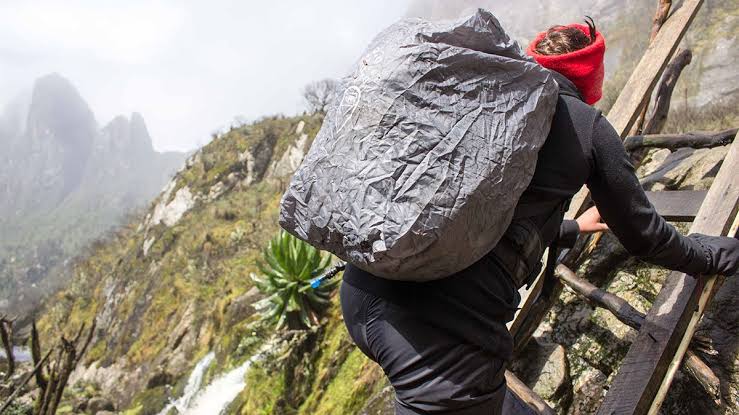
Traffic on shared roads can be a genuine consideration on some cycling routes, particularly sections that briefly join busier roads between more remote trail segments, and riding with a knowledgeable local guide who understands current traffic patterns and safer route variations adds real value beyond simple navigation. Weather also affects trail conditions considerably, with the region’s clay-heavy soil turning notably slippery after rain, so checking conditions and adjusting plans around recent weather is a sensible habit for any multi-day cycling itinerary.
Best Time to Go Cycling
The dry season months, broadly June through September and December through February, offer the most reliable trail conditions, since heavy rain during the wetter months can make hillside trails genuinely difficult and occasionally hazardous. Cooler morning temperatures also make for more comfortable riding on climbs, and most guided rides depart early specifically to take advantage of this before the midday heat sets in.
Cycling as a Community Encounter
Because cycling moves at a slower, quieter pace than a safari vehicle, rides through rural Uganda and Rwanda naturally bring riders into closer contact with local communities, farmers working roadside plots, children walking to school, small trading centers along the route, than most vehicle-based itineraries allow. This makes a guided cycling day as much a cultural experience as a physical one, and a good local guide helps translate brief roadside interactions into a genuine sense of daily rural life in the region, well beyond what’s visible from behind a car window, and many riders come away describing these small roadside encounters as a genuine highlight of the day.
Multi-Day Cycling Logistics
Multi-day rides like the full Congo Nile Trail require more planning than a single guided day out, including confirming accommodation bookings along the route, arranging luggage transport separate from the riders themselves, and building in rest days for anyone attempting the complete distance rather than a shorter section. Fully supported tour packages handle most of this logistics for travelers who’d rather focus purely on the riding, while independently organized multi-day trips demand more advance research into which sections have reliable accommodation and which are better tackled as a long single-day out-and-back from a fixed base.
Combining Cycling With Rwanda’s Other Activities
Rwanda’s compact size makes it easy to pair a cycling day or two with the country’s other headline activities, gorilla trekking in Volcanoes National Park, golden monkey trekking, or a visit to Kigali’s Genocide Memorial, without excessive additional travel time between them. This flexibility is part of what makes Rwanda in particular an appealing destination for travelers wanting to build a more varied, multi-activity itinerary rather than a trip centered purely on wildlife viewing.
Environmental Benefits of Cycling Tourism
Cycling-based tourism carries a lighter environmental footprint than vehicle-heavy safari circuits, and several operators in the region have built their cycling programs specifically around this appeal, pairing rides with visits to community conservation or reforestation projects along popular routes. Travelers drawn to lower-impact ways of experiencing East Africa’s landscapes often find cycling tourism aligns well with broader sustainability priorities, without requiring any sacrifice in the quality or memorability of the experience itself.
Planning a Cycling Day Into Your Trip
Travelers interested in adding cycling to an otherwise standard gorilla trekking and wildlife itinerary should raise it with their tour operator during the planning stage, since building in a cycling day, or a multi-day cycling extension around Lake Kivu or Lake Bunyonyi, works best when planned alongside the rest of the trip rather than added as a last-minute afterthought once other bookings are already locked in.
Recommended Tours: 7 Days Rwanda & Uganda Gorilla and Wildlife Safari from Kigali | 5 Days Double Gorilla Trekking Uganda