Most travelers pass through Mto wa Mbu without stopping, catching only a blur of roadside stalls and banana groves through a vehicle window on the drive between Lake Manyara and the Ngorongoro Crater. That is a missed opportunity, because this small town at the base of the Rift Valley escarpment offers one of northern Tanzania’s more genuine cultural encounters, built around a community shaped by an unusual mix of ethnic groups living side by side rather than the single-tribe villages more typical elsewhere in the region.
A Crossroads Town Unlike Its Neighbors
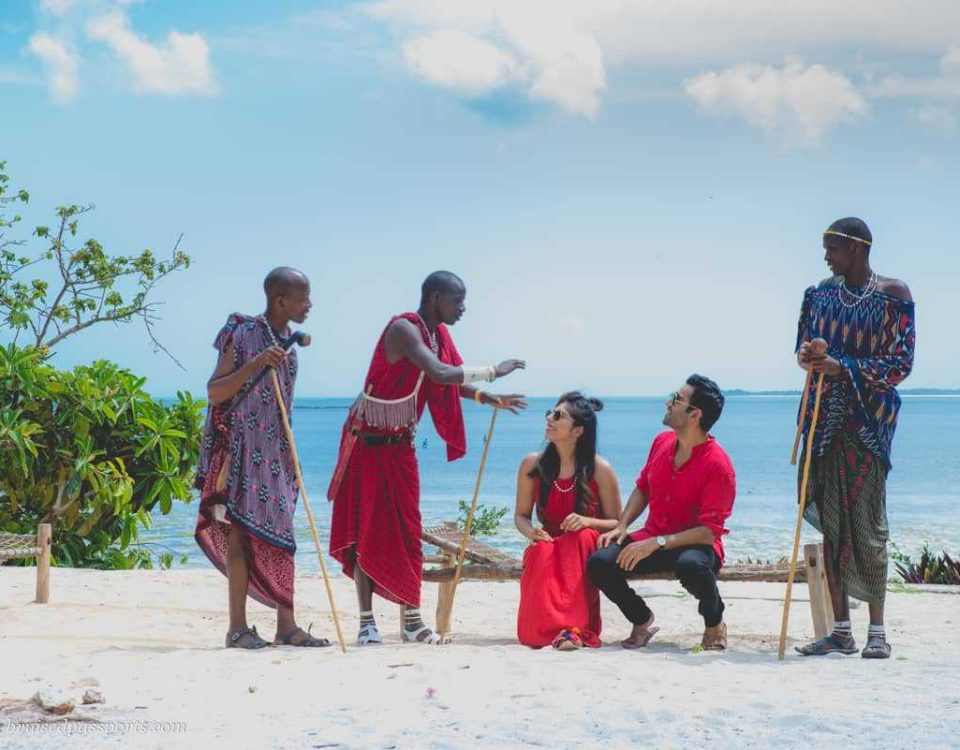
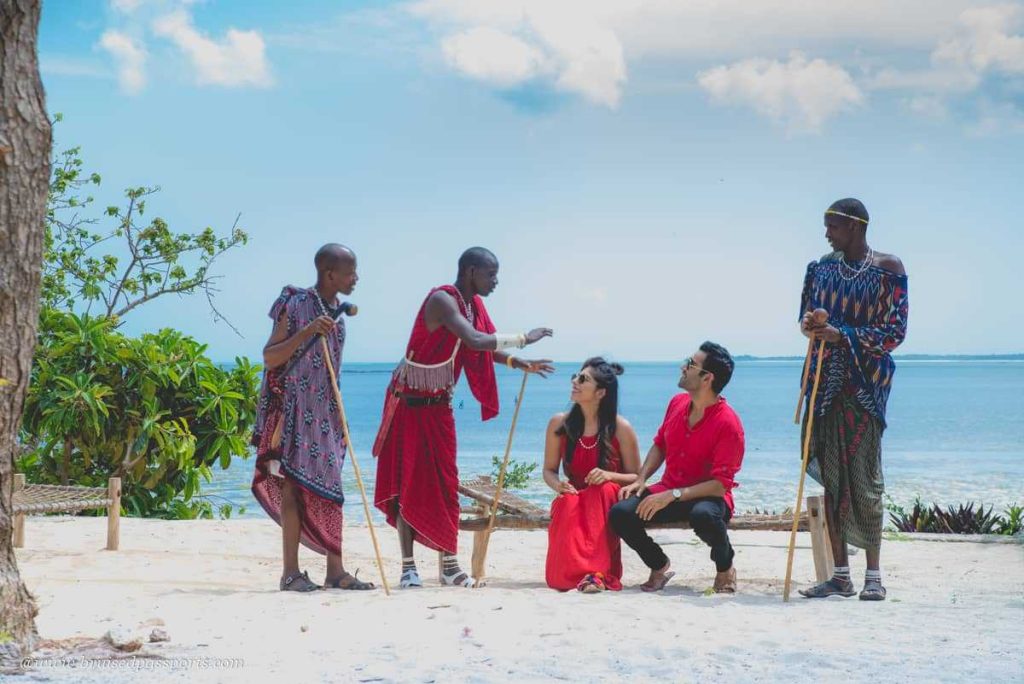
Mto wa Mbu, whose name translates from Swahili as “River of Mosquitoes,” sits at a natural crossroads where the road from Arusha meets the routes heading toward both Lake Manyara and, further on, the Ngorongoro Crater and Serengeti. That position, combined with fertile irrigated farmland fed by streams running off the Rift wall, has drawn migrants from across Tanzania for generations, producing a town where more than twenty different ethnic groups live and work within a few square kilometers, a diversity rare anywhere in rural East Africa where villages typically remain dominated by a single group. Maasai pastoralists share the town with Chagga farmers from the Kilimanjaro region, Iraqw highlanders, Sukuma fishermen-turned-farmers from the Lake Victoria basin, and dozens of smaller groups, each bringing distinct agricultural techniques, crafts, and traditions that now overlap in a single, compact community.
That mix gives Mto wa Mbu a genuinely different texture from the more staged cultural boma visits common elsewhere on the northern safari circuit, where a single group performs a curated dance for passing tour groups. Here, the cultural experience on offer is closer to observing an actual working, multi-ethnic Tanzanian town going about its business, with guided walks designed to explain that complexity rather than reduce it to a performance.
What a Guided Village Walk Actually Covers
Local guides, most affiliated with community-run cooperatives that channel a share of tourism income back into the town, lead walks that typically wind through farmland, past irrigation channels dug decades ago to bring water down from the escarpment, and into the market areas and workshops where much of the town’s economic activity happens. Visitors usually see banana and rice paddies worked using techniques passed down through generations of Chagga and Sukuma farmers, along with smaller plots growing coffee, maize, and a variety of vegetables that supply both local consumption and regional markets. Grilled banana beer, brewed locally and central to several of the town’s ethnic traditions, features on many of these walking tours as both a tasting opportunity and a starting point for guides to explain fermentation traditions that differ meaningfully between the groups represented in town.
Craft workshops form another common stop, particularly woodcarving cooperatives where artisans, many trained through apprenticeship systems stretching back generations, produce everything from small tourist curios to substantial furniture pieces and ceremonial masks. The Tanzanite jewelry and batik textile workshops scattered through town offer a similar window into livelihoods that exist independent of tourism but that welcome visitors interested in the production process rather than just the finished product.
The Balozi Market and Everyday Commerce
Mto wa Mbu’s central market operates most days but grows substantially larger on designated market days, when farmers and traders from surrounding areas converge to sell produce, livestock, and household goods. A walk through the market during a peak trading day offers a much less curated slice of daily Tanzanian commerce than the craft stalls set up specifically for passing tourists, and guides familiar with the town can usually time a visit to coincide with the busier trading periods for visitors who want that fuller picture.
Farming Between the Rift Wall and the Lake
The agricultural productivity that drew so many different groups to Mto wa Mbu in the first place stems directly from its unusual position at the base of the Rift Valley escarpment, where streams draining off the highlands provide reliable irrigation water in a region where rainfall alone would support far less intensive farming. Rice cultivation, introduced and expanded over recent decades, has become one of the area’s most significant crops, grown in flooded paddies that create a strikingly different landscape from the dry acacia woodland just a few kilometers away inside Lake Manyara National Park. Banana groves, providing both food and the raw material for local brewing traditions, line much of the approach into town, their broad leaves creating a green, humid microclimate distinct from the drier savanna surrounding it.
This fertile pocket also supports a thriving trade in fruit, and roadside stalls selling bananas, papayas, and other produce grown in the immediate area have become a familiar sight for anyone driving the main road toward Ngorongoro, offering a convenient and inexpensive stop even for travelers not booking a full guided walk.
Biking and Longer Cultural Itineraries
Some operators offer bicycle tours through Mto wa Mbu’s farmland and surrounding villages as an alternative to walking, covering more ground and reaching smaller outlying settlements that a walking tour typically cannot include within a half-day itinerary. These longer excursions sometimes combine a village visit with a stop at Miwaleni Falls, a small but scenic waterfall a short distance from town fed by the same escarpment springs that irrigate the surrounding farmland, or with canoe trips on nearby ponds for birdwatching, extending the visit into a fuller day that pairs cultural and natural attractions in a single itinerary.
Balancing Tourism and Authenticity
Mto wa Mbu’s proximity to Lake Manyara and its position directly on the main tourist route has inevitably shaped how the town presents itself to visitors, and travelers should go in with realistic expectations about the line between genuine daily life and elements arranged specifically for tourism revenue. Community-based tourism initiatives operating in the town generally direct a meaningful share of proceeds toward local schools, water projects, and cooperative development, and choosing a guide affiliated with one of these established community programs, rather than an informal freelance operator, tends to produce both a better-informed walk and a more direct community benefit. Prices for guided walks are modest by international standards but vary by operator and the length and scope of the itinerary, so confirming what is included, including whether tastings, craft workshop entry, and transport are covered, is worth doing before setting out.
Language, Religion, and the Town’s Social Fabric
The sheer number of ethnic groups sharing Mto wa Mbu has produced a distinctive social arrangement rarely found in rural Tanzania, where Swahili functions as the essential common language binding together communities that would otherwise have no shared tongue, since each group’s home language, whether Maa, Chagga, Iraqw, or Sukuma, remains largely mutually unintelligible with the others. Religious life follows a similarly layered pattern, with mosques, Lutheran and Catholic churches, and traditional belief systems all practiced within walking distance of one another, and intermarriage between groups, while not universal, has become common enough over recent generations to further blur lines that remain much more rigid in single-ethnicity villages elsewhere in the region. Guides often point to specific families in town, sometimes their own, as examples of this blending, describing households where grandparents from three or four different ethnic backgrounds converge in a single home, each contributing distinct culinary and cultural traditions that children growing up in Mto wa Mbu absorb simultaneously rather than choosing between.
This social complexity is part of what distinguishes a Mto wa Mbu visit from the more common single-group cultural boma experiences offered elsewhere on Tanzania’s northern circuit, where a Maasai or Hadzabe community presents its own traditions in relative isolation. Here, the traditions on display are plural by default, and a well-informed guide will typically spend as much time explaining how the groups interact, cooperate, and occasionally clash over land and water rights as describing any single group’s customs in isolation.
Practical Tips for Visiting
Most guided walks through Mto wa Mbu run between two and four hours, making the stop easy to slot into a morning or afternoon without disrupting a broader park-to-park itinerary, and comfortable closed shoes are worth packing given the mix of paved streets, farm paths, and occasionally muddy irrigation-channel crossings a typical route covers. Guides generally speak functional English, though the depth of historical and cultural detail offered varies noticeably between operators, and travelers with a strong interest in the town’s ethnic history may want to ask in advance whether a particular guide has specific expertise in that subject rather than a more general tourism-focused script. Cash in small denominations is useful for craft purchases and tastings along the route, and while bargaining is culturally normal in the market and craft stalls, guides affiliated with community cooperatives typically work from fixed, transparent pricing structures for the walk itself.
Because Mto wa Mbu sits at a lower, warmer elevation than the Ngorongoro highlands just up the road, visitors arriving directly from a cooler crater-rim lodge should expect a noticeably warmer, more humid climate during the walk, and light, breathable clothing tends to be more practical than the layers often needed at higher elevations nearby.
Fitting Mto wa Mbu Into a Northern Circuit Itinerary
Because Mto wa Mbu sits directly on the route linking Tarangire, Lake Manyara, and the Ngorongoro Crater, a village walk fits naturally into a rest stop that would otherwise be spent simply driving between parks, adding cultural texture to a trip that might otherwise be focused entirely on wildlife. A half-day here works well either on the morning departing Lake Manyara or as a leg-stretching break en route to Ngorongoro, and several operators build the stop directly into broader northern circuit safari itineraries without requiring travelers to arrange it separately. For visitors whose itinerary does not already include a stop, requesting one is generally a simple addition rather than a significant detour, given the town’s position directly astride the main safari road.
What makes Mto wa Mbu worth the stop, ultimately, is less any single attraction than the cumulative effect of walking through a town where irrigation canals dug generations ago still water banana groves tended by families from a dozen different backgrounds, all sharing a single market, a single river, and a single strip of fertile land squeezed between a Rift Valley wall and a soda lake most of those same travelers came to Tanzania specifically to see.