Retirees on Safari: Pace, Comfort, and Health Planning
Retirement can provide an excellent opportunity to explore Africa’s wildlife destinations. With more flexibility to travel, retirees can enjoy game drives, boat safaris, birdwatching, cultural experiences and visits to beautiful national parks.
However, planning a safari later in life requires attention to comfort, health, accommodation and travelling distances.
Understanding safari planning for retirees helps you choose suitable activities, organise comfortable transport and prepare for different weather conditions.
Uganda, Kenya, Tanzania and Rwanda offer many wildlife experiences that do not require strenuous physical activity.
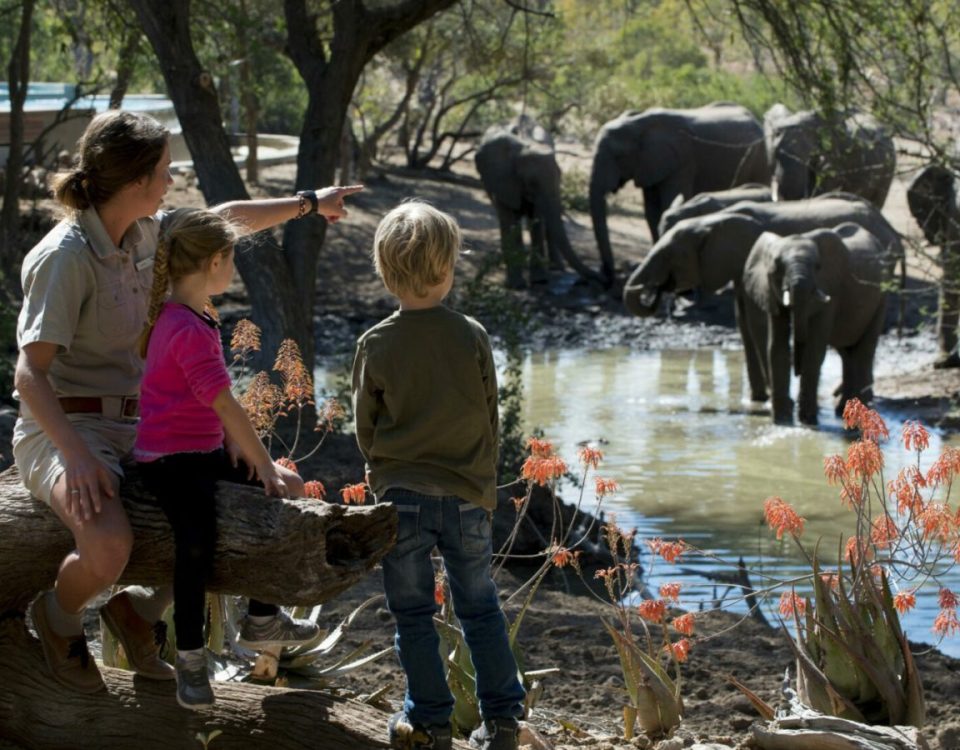
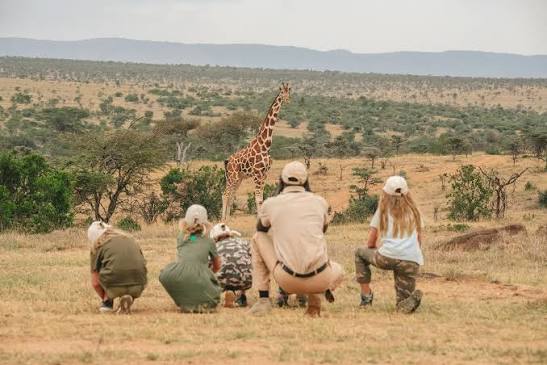
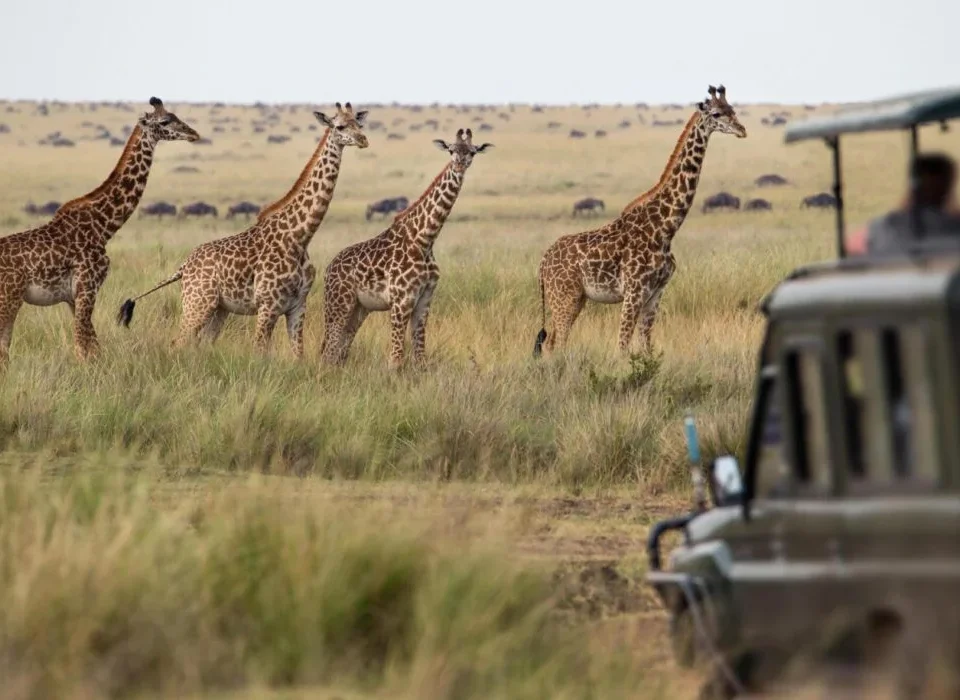
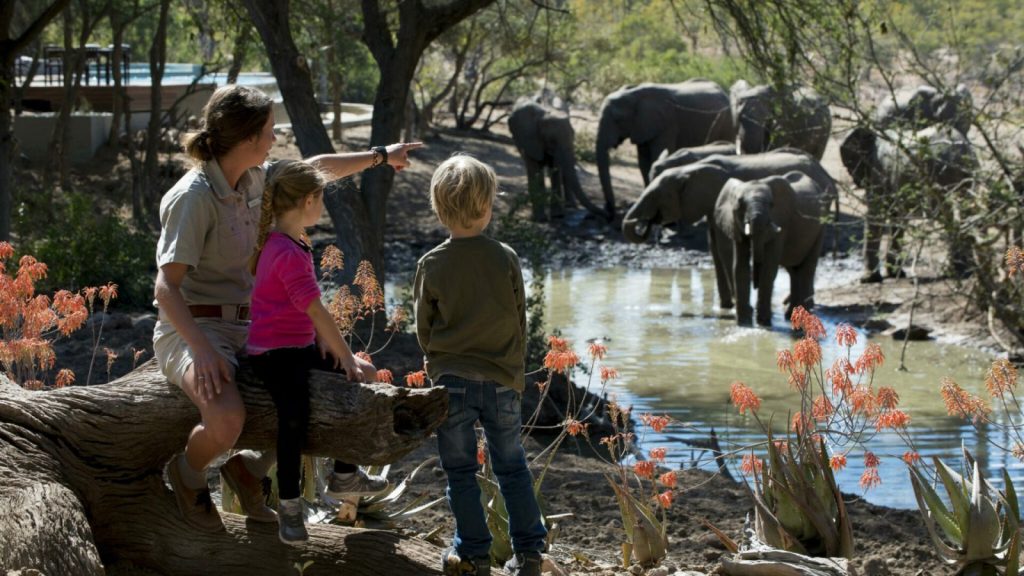
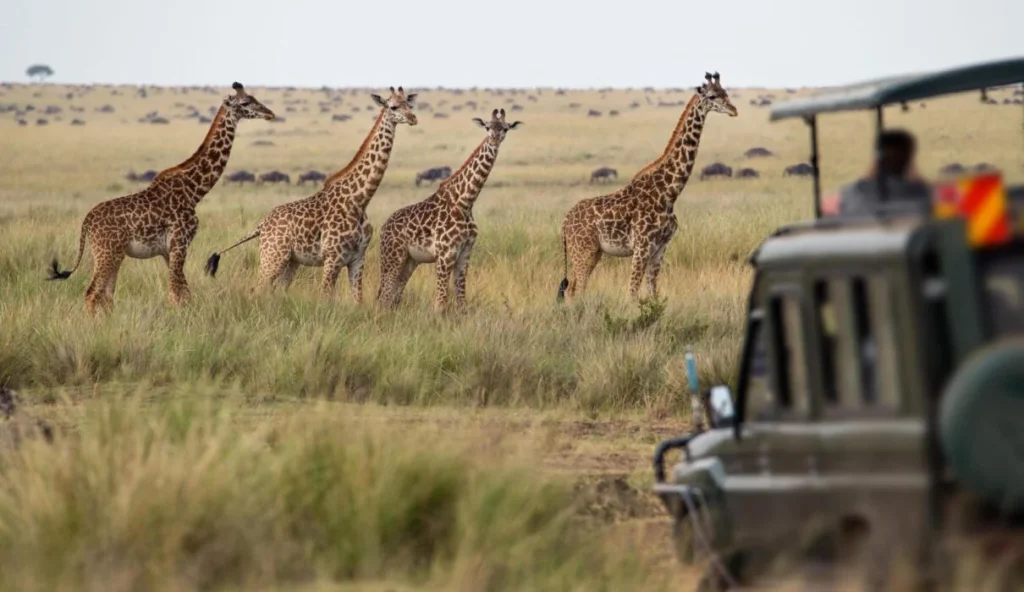
You can watch elephants from a safari vehicle, photograph giraffes, enjoy boat cruises and relax at comfortable lodges.
Age alone should not determine which activities you choose. Your health, mobility, interests and personal comfort are more useful considerations.
This guide explains how retirees can plan enjoyable African safaris while managing travel schedules, accommodation, medical requirements and physical activities.
Are African Safaris Suitable for Retirees?
Yes. Many African safari activities are suitable for older travellers.
Traditional game drives allow visitors to observe animals while sitting inside specially designed vehicles.
Boat safaris also provide opportunities to watch wildlife without extensive walking.
However, some activities involve uneven terrain, long journeys or demanding physical conditions.
For example, gorilla trekking in Uganda may involve walking through steep and muddy forest trails.
The suitability of each activity depends on your individual circumstances.
A person aged 75 who regularly hikes may feel more comfortable on challenging trails than someone aged 60 with significant mobility difficulties.
Choose experiences based on your abilities rather than your age alone.
Best East African Safari Destinations for Retirees
Several East African national parks offer comfortable wildlife viewing experiences.
1. Murchison Falls National Park, Uganda
Murchison Falls National Park provides opportunities to observe elephants, giraffes, buffaloes, lions and numerous bird species.
Game drives allow visitors to view wildlife from a vehicle.
Boat cruises along the River Nile are another popular activity.
However, travellers with mobility limitations should confirm boat boarding arrangements in advance.
2. Queen Elizabeth National Park, Uganda
Queen Elizabeth National Park offers game drives and boat safaris along the Kazinga Channel.
Visitors can observe hippos, elephants, buffaloes and waterbirds.
Many activities involve limited walking, making the destination suitable for travellers who prefer a relaxed pace.
3. Maasai Mara National Reserve, Kenya
The Maasai Mara is famous for lions, elephants, giraffes and seasonal wildebeest migration.
Wildlife viewing mainly takes place from safari vehicles.
Retirees can choose comfortable lodges and private game drives.
4. Serengeti National Park, Tanzania
Serengeti National Park offers extensive wildlife viewing opportunities.
However, travel distances can be considerable.
Choosing accommodation close to planned game viewing areas can reduce unnecessary driving.
5. Akagera National Park, Rwanda
Akagera offers savannah wildlife viewing and selected boat activities.
It can be included in a Rwanda itinerary beginning in Kigali.
Travellers can enjoy guided wildlife activities while staying in established accommodation.
Choosing the Right Safari Pace
A comfortable safari schedule is particularly important for retirees who prefer relaxed travel.
Some itineraries involve early departures, long road transfers and several activities each day.
Although these schedules may suit certain travellers, others prefer more time for rest.
Avoid Overloading Your Itinerary
Instead of visiting five national parks in seven days, consider choosing two or three destinations.
This reduces packing, unpacking and travelling time.
For example, a seven-day Uganda safari could include Murchison Falls National Park and Queen Elizabeth National Park, with suitable overnight stops.
The itinerary can include game drives, boat cruises and leisure time.
Include Rest Periods
Allow time between demanding activities.
You may prefer a morning game drive followed by lunch and relaxation at your lodge.
An optional afternoon activity can be arranged according to your energy level.
A flexible schedule allows you to enjoy wildlife without feeling rushed.
Recommended Daily Safari Schedule
The following example illustrates a relaxed safari day.
| Time | Suggested Activity |
|---|---|
| 6:30 am | Morning game drive |
| 9:30 am | Breakfast |
| 11:00 am | Rest or leisure time |
| 1:00 pm | Lunch |
| 2:00 pm | Relaxation |
| 4:00 pm | Optional short activity |
| 6:30 pm | Return to accommodation |
| 7:30 pm | Dinner |
Actual activity times depend on park regulations, wildlife conditions and accommodation arrangements.
You can adjust the schedule to suit your preferences.
Choosing Comfortable Safari Accommodation
Accommodation quality can significantly affect your safari experience.
When booking, consider accessibility, room location and available facilities.
Retirees may prefer lodges offering:
-
Comfortable beds.
-
Private bathrooms.
-
Reliable hot water.
-
Accessible rooms.
-
Minimal staircases.
-
Good lighting.
-
Comfortable dining areas.
-
Assistance with luggage.
-
Reliable communication facilities.
Some safari lodges have rooms located far from reception or restaurants.
Ask whether accommodation can be arranged close to the main facilities.
Accessibility Considerations
If you use a walking stick, wheelchair or other mobility aid, discuss your requirements before booking.
Ask about pathways, bathroom access and vehicle transfers.
Do not assume that a lodge described as luxurious is fully accessible.
Choosing a Suitable Safari Vehicle
Comfortable transport is essential during longer wildlife holidays.
Safari vehicles often travel over gravel roads and uneven tracks.
A suitable vehicle should provide comfortable seating, functional seatbelts and enough space for passengers.
Important Vehicle Features
Look for:
-
Comfortable seats with adequate support.
-
Accessible entry and exit arrangements.
-
Good ventilation.
-
Sufficient legroom.
-
Reliable suspension.
-
Adequate luggage space.
-
Clear wildlife viewing positions.
If you experience back pain or joint discomfort, discuss seating arrangements with your tour operator.
A private safari vehicle may provide greater flexibility with stops and daily schedules.
Managing Long Road Transfers
Road journeys between East African national parks can take several hours.
Some routes include winding mountain roads or unpaved sections.
Long periods of sitting may cause discomfort, especially for travellers with joint or circulation problems.
Plan appropriate breaks where safe and practical.
During stops, you can stretch your legs and use available facilities.
However, never leave the vehicle inside a wildlife area without your guide’s permission.
Travellers with medical conditions affecting circulation should ask their healthcare professional about suitable precautions.
Can Retirees Participate in Gorilla Trekking?
Mountain gorilla trekking is a popular experience in Uganda and Rwanda.
There is generally no fixed upper age limit for gorilla trekking.
However, participants must be able to undertake the activity safely and follow ranger instructions.
Treks may involve steep slopes, muddy paths and several hours of walking.
Gorilla Trekking Support Options
Some visitors hire porters to carry backpacks and provide assistance along difficult paths.
In certain trekking locations, specialised carrying arrangements may be available for visitors with significant mobility limitations.
These services require advance planning and additional payment.
Availability should be confirmed with the authorised operator.
A carrying arrangement does not remove every medical or safety risk.
Discuss your fitness and mobility needs with your healthcare professional before booking.
Health Planning Before Your Safari
Medical preparation is important for travellers with existing health conditions.
If you have diabetes, heart disease, respiratory conditions or other ongoing health concerns, discuss your proposed itinerary with your healthcare provider.
Ideally, arrange a pre-travel consultation at least four to six weeks before departure.
Your doctor can review medication, physical activities and any necessary precautions.
Important Health Preparation Steps
-
Review existing medical conditions.
-
Check recommended travel vaccinations.
-
Discuss malaria prevention.
-
Confirm medication requirements.
-
Prepare relevant medical documents.
-
Review emergency treatment arrangements.
-
Arrange suitable travel insurance.
Health advice should be personalised to your medical history and destinations.
Carrying Prescription Medication
Bring enough prescribed medication for the entire trip, with an additional supply for unexpected delays where permitted.
Keep medicines in their original labelled containers.
Carry essential medication in your hand luggage.
Avoid placing all medication inside checked baggage.
If you use several medicines, prepare an updated medication list.
Include generic medicine names, prescribed doses and relevant medical information.
Check whether any medication is restricted in your destination country.
Malaria Prevention for Older Travellers
Malaria occurs in many East African destinations.
Prevention may involve suitable medication and measures to avoid mosquito bites.
Your travel health professional can recommend appropriate malaria prevention based on your itinerary and medical history.
Some malaria medicines interact with other treatments.
Therefore, disclose all regular medication during your consultation.
Additional precautions include:
-
Using suitable insect repellent.
-
Wearing long sleeves during mosquito-active periods.
-
Sleeping in protected accommodation.
-
Using mosquito nets where appropriate.
-
Seeking prompt medical assessment for fever during or after travel.
Do not assume that a fever after returning home is unrelated to malaria.
Travel Insurance and Medical Evacuation
Comprehensive travel insurance is important for safari travellers.
Medical facilities may be far from remote national parks.
In some circumstances, emergency transport to a larger medical centre may be necessary.
Before purchasing insurance, confirm that it covers:
-
Your age group.
-
Relevant pre-existing medical conditions.
-
Emergency medical treatment.
-
Medical evacuation.
-
Planned wildlife activities.
-
Trip interruption.
-
Emergency assistance services.
Some insurance policies impose age limits or specific medical exclusions.
Read the conditions carefully before booking.
Staying Hydrated and Comfortable
Warm temperatures and outdoor activities can increase fluid requirements.
Carry drinking water during game drives.
Take regular breaks when appropriate.
Wear lightweight, breathable clothing.
A wide-brimmed hat and suitable sunscreen can help protect against strong sunlight.
However, people with heart, kidney or other conditions requiring fluid restrictions should follow personalised medical advice.
Avoid excessive alcohol before long journeys or demanding activities.
What Should Retirees Pack for Safari?
Packing requirements depend on the activities planned.
A practical checklist includes:
| Item | Purpose |
|---|---|
| Comfortable safari clothing | Suitable for changing temperatures |
| Lightweight jacket | Warmth during early mornings |
| Waterproof jacket | Protection against rain |
| Comfortable walking shoes | General outdoor activities |
| Prescription medication | Ongoing health management |
| Sunhat | Sun protection |
| Binoculars | Wildlife observation |
| Camera | Photography |
| Power bank | Backup charging |
| Travel documents | Identification and reservations |
| Personal medical information | Emergency reference |
Avoid carrying unnecessarily heavy luggage.
Some lodges provide laundry services during longer stays.
Travelling With Family Members
Retirees sometimes travel with adult children and grandchildren.
Multi-generation safaris can be enjoyable when activities suit different ages.
However, avoid scheduling every family member for the same activity.
Some may prefer long hikes, while others enjoy relaxed game drives.
A private safari arrangement allows greater flexibility.
Families can organise separate activities and reunite later.
Frequently Asked Questions
Are Safaris Suitable for People Over 70?
Yes, many safari experiences are suitable for older travellers. Individual health, mobility and comfort requirements should guide activity choices.
Can Retirees Go Gorilla Trekking?
There is generally no fixed upper age limit, but physical ability and medical suitability should be assessed before booking.
Are Safari Vehicles Comfortable?
Comfort varies by vehicle design. Ask about seating, suspension and accessibility before selecting your transport.
Should Older Travellers Buy Medical Evacuation Insurance?
Medical evacuation cover is strongly worth considering, particularly when visiting remote national parks.
Which Safari Activities Require Less Walking?
Traditional game drives and selected boat safaris generally require less walking than trekking or hiking activities.
Retirees can enjoy rewarding wildlife safaris across Uganda, Kenya, Tanzania and Rwanda with suitable preparation.
Choose destinations that match your interests and organise a comfortable daily schedule.
Prioritise suitable accommodation, reliable transport and manageable travel distances.
Discuss medical requirements with a qualified healthcare professional and arrange appropriate insurance.
With thoughtful planning, you can enjoy wildlife viewing, cultural experiences and beautiful landscapes at a pace that suits your comfort and personal needs.