What to Do If You’re Not Fit Enough on Trekking Day
Given how genuinely demanding gorilla trekking’s physical requirements can prove, even for reasonably active travellers, understanding what actually happens if you discover yourself struggling on the actual trekking day genuinely helps set realistic expectations and reduces anxiety about this genuinely common concern shared by many first-time trekkers. This guide covers exactly what options genuinely exist if you find yourself not fit enough during an actual gorilla trekking day, and how the entire system genuinely accommodates varying fitness levels across all trekkers.
Understanding That Fitness Concerns Are Genuinely Common
Travellers should genuinely understand that concerns about fitness represent one of the most common anxieties among gorilla trekkers, and rangers and guides genuinely have extensive experience accommodating a wide range of actual fitness levels rather than expecting uniform athletic capability from every single trekker.
How Honest Communication During the Briefing Genuinely Helps
Travellers should genuinely communicate honestly about their fitness level and any physical concerns during the morning briefing itself, since this information genuinely directly influences family assignment decisions, potentially matching less fit trekkers with more genuinely accessible gorilla family locations found that particular morning.
What Porters Genuinely Provide for Struggling Trekkers
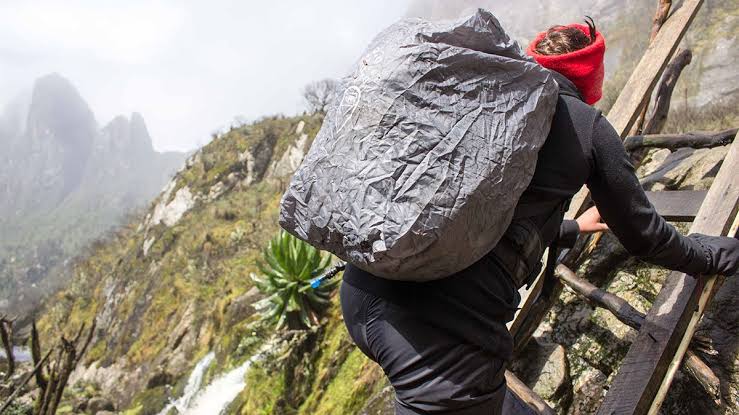
Hiring a porter genuinely provides significant physical assistance for trekkers finding the terrain challenging, offering steadying support, carrying equipment, and helping navigate particularly difficult sections that might otherwise prove genuinely overwhelming without this specific kind of assistance.
How Guides Adjust Pace for Struggling Group Members
Experienced guides genuinely adjust the overall group pace to accommodate the slowest or most challenged member present, understanding that rushing a struggling trekker genuinely creates safety risk and diminishes the overall experience for everyone involved in the entire group.
What Happens if You Need to Stop and Rest
Trekkers genuinely can and should always request rest stops when genuinely needed, and experienced guides genuinely build reasonable flexibility into the day’s timing specifically to accommodate these breaks, without creating undue pressure to continue before you feel genuinely ready.
How Sedan Chair or Stretcher Options Sometimes Exist
Some trekking sectors genuinely offer sedan chair transport, carried carefully by a dedicated team of local porters, for trekkers who genuinely become unable to continue walking independently, representing a last-resort option that ensures even significantly struggling trekkers can potentially still complete their trek.
When Turning Back Genuinely Becomes the Right Choice
Travellers should understand that genuinely turning back before reaching the gorilla family remains a legitimate option if physical struggle becomes too severe, and guides will genuinely discuss this possibility honestly if safety concerns clearly outweigh the value of continuing further.
How Medical Concerns Are Handled During Trekking
Guides and rangers genuinely carry basic first aid supplies and maintain reliable radio communication with park headquarters, meaning any medical concern genuinely arising during the trek can be addressed promptly, including arranging emergency evacuation if that becomes genuinely necessary.
Why Preparing Physically Beforehand Genuinely Reduces Risk
While the overall trekking system genuinely accommodates varying fitness levels, travellers should genuinely prepare with some cardiovascular conditioning well before their trip, since better baseline fitness genuinely reduces the overall likelihood of struggling significantly during the actual trekking day itself.
How Age Factors Into Realistic Fitness Expectations
Older trekkers should genuinely have honest, thorough conversations with their doctor about trekking fitness before booking, understanding that while many older travellers genuinely successfully complete gorilla treks each year, appropriate preparation and realistic pacing expectations genuinely matter more as physical capacity naturally changes with advancing age.
What Refund Policies Apply if You Cannot Complete the Trek
Travellers should genuinely understand that permits typically don’t offer refunds simply for failing to reach the gorillas due to fitness limitations, making genuinely honest self-assessment before booking and appropriate preparation genuinely important overall considerations.
How Choosing an Easier Sector Can Genuinely Help
Travellers with genuine fitness concerns should discuss sector selection with their operator, since some Bwindi sectors and specific gorilla families genuinely involve less demanding terrain than others, a consideration worth factoring into initial booking decisions.
Why Multiple Porters Sometimes Provide Additional Support
Trekkers with more significant fitness or mobility concerns sometimes genuinely hire multiple porters, providing support from both sides during particularly difficult sections, a more intensive assistance option worth discussing directly with guides during the briefing.
How Weather Conditions Compound Fitness Challenges
Travellers should genuinely understand that rain and resulting mud can meaningfully increase trekking difficulty regardless of underlying fitness level, meaning even reasonably fit trekkers should mentally prepare for potentially more demanding conditions than dry-weather scenarios might suggest.
How Realistic Timeframe Expectations Reduce Struggle-Related Panic
Travellers genuinely benefit from understanding that trek duration to reach a gorilla family can range from thirty minutes to several hours depending purely on the family’s location that morning, meaning a slower pace doesn’t necessarily indicate personal inadequacy but simply reflects that particular day’s genuine trekking distance.
Why Building in Recovery Time Afterward Genuinely Helps
Travellers who anticipate feeling physically depleted after a demanding trek should genuinely plan a restful remainder of that day rather than scheduling additional strenuous activities immediately afterward, allowing appropriate recovery time that itself reduces the pressure felt during the trek itself.
How Group Dynamics Affect a Struggling Trekker’s Experience
Travellers should genuinely understand that fellow group members typically show considerable patience and support toward a struggling trekker, since most trekking groups share genuine excitement about the shared goal, creating a supportive rather than judgmental atmosphere even when pace slows considerably.
Why Practicing on Local Trails Before Departure Genuinely Helps
Travellers genuinely concerned about their fitness level should practice hiking on hilly, uneven local trails in the weeks before departure, building both physical conditioning and realistic personal insight into their own capability on terrain resembling actual trekking conditions.
How Breathing Techniques Can Genuinely Ease Difficult Sections
Guides sometimes genuinely share simple breathing and pacing techniques with struggling trekkers, helping manage exertion more effectively during steep climbs, a practical skill that can meaningfully improve endurance even without additional physical fitness preparation beforehand.
What Snacks and Hydration Genuinely Contribute to Endurance
Travellers should genuinely carry adequate water and energy-dense snacks, since proper hydration and blood sugar management meaningfully affects physical performance during a demanding multi-hour trek, sometimes making the difference between struggling and managing reasonably well.
How Realistic Expectations From the Start Genuinely Help
Travellers who genuinely research actual trekking difficulty before booking, rather than assuming a leisurely walk, arrive better mentally prepared for genuine physical challenge, reducing the shock and associated struggle that unrealistic expectations can otherwise create on the actual day.
How the Habituation Experience Compares in Physical Demand
Travellers considering the extended gorilla habituation experience should genuinely understand this activity typically demands even greater physical endurance than standard trekking, given its considerably longer duration, making honest fitness assessment particularly important before choosing this more demanding permit option specifically.
Common Questions About Fitness Concerns During Trekking
Travellers often ask whether genuinely admitting fitness limitations during the briefing risks exclusion from trekking entirely, and rangers genuinely use this information constructively to assign appropriate family locations and pacing rather than excluding honest trekkers from the experience. Another common question concerns whether hiring multiple porters guarantees successful trek completion, and while additional support genuinely helps considerably, guides remain honest that severe fitness limitations might still ultimately require turning back regardless of available assistance.
How Trekking Poles Provide Additional Fitness-Related Support
Beyond porters, trekkers genuinely concerned about their fitness should strongly consider trekking poles or the locally provided walking stick, since this additional stability support meaningfully reduces the physical strain of navigating uneven terrain compared to walking entirely unassisted.
Why Comparing Notes With Fellow Travellers Afterward Helps Future Planning
Travellers who genuinely struggled during their trek often share this experience honestly in reviews or with future trekkers, providing valuable realistic insight that helps subsequent visitors calibrate their own preparation and expectations more accurately than official marketing materials alone might suggest.
How Mental Preparation Complements Physical Fitness
Beyond physical conditioning, travellers genuinely benefit from mental preparation, accepting that some genuine struggle represents a normal, expected part of gorilla trekking’s demanding nature rather than a personal failing, a mindset shift that itself often genuinely makes the actual physical challenge feel considerably more manageable throughout the day.
Planning Realistically for Your Own Fitness Level
Given how genuinely important honest fitness self-assessment remains for a positive trekking experience, working with an operator who discusses realistic expectations and appropriate preparation recommendations helps ensure travellers approach trekking day with genuine confidence. Done well, understanding these accommodation options in advance transforms fitness-related anxiety into realistic, manageable preparation, helping trekkers approach their gorilla encounter with appropriate confidence rather than unnecessary worry about their own physical limitations.
How This Preparation Mindset Extends Beyond Fitness Alone
Travellers who approach fitness concerns with honest self-assessment and proactive preparation often find this same mindset genuinely serves them well across other aspects of trip planning, from documentation to gear selection, reinforcing how thorough preparation generally improves the overall trekking experience.
Recommended Tours: 2 Days Rwanda Gorilla Trekking Safari | 3 Days Rwanda Gorilla Trekking for Beginners