
Tipping Gorilla Trekking Guides and Porters: A Practical Breakdown
Given how genuinely important tipping represents both a practical income component and a meaningful gesture of appreciation for gorilla trekking staff, travellers should genuinely understand exactly how much to tip guides, porters, and rangers, and how this practice actually works out on the ground. This guide covers exactly what practical tipping breakdown travellers should genuinely follow for their upcoming Uganda or Rwanda gorilla trekking experience overall.
Why Tipping Genuinely Matters Within the Local Tourism Economy
Tipping genuinely represents a meaningful, direct income component for gorilla trekking guides, porters, and rangers alike, supplementing base wages in a way that genuinely significantly affects overall household income for many staff members working within this specific tourism sector.
Recommended Tipping Amounts for Head Guides
Travellers should genuinely research current recommended tipping ranges for head guides, typically calculated per person per trekking day, and while exact amounts fluctuate somewhat, most experienced operators can genuinely provide current guidance reflecting appropriate compensation levels overall.
How Tipping for Assistant Guides Genuinely Works
Beyond the primary guide, some treks genuinely also involve assistant guides or trackers, and travellers should understand appropriate tipping distribution across these different roles, ensuring everyone contributing to the trek’s success receives fair recognition for their specific contribution.
Porter Tipping as a Distinct Cash Consideration
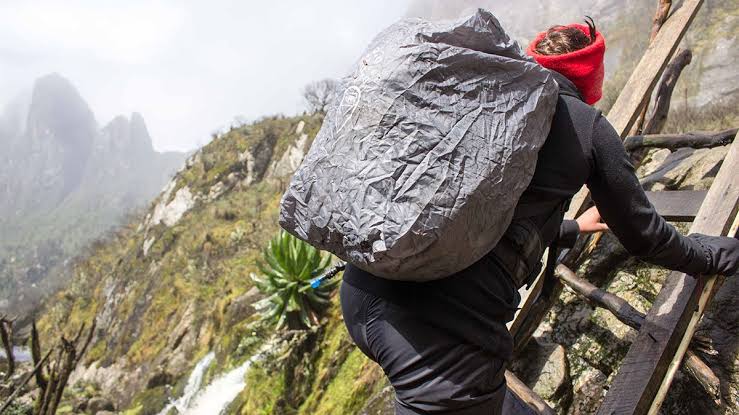
Porters genuinely receive both a base hiring fee, negotiated or fixed at the trailhead, and a separate tip reflecting appreciation for their physical assistance throughout the trek, and travellers should budget for both components rather than treating the hiring fee as covering everything.
Ranger Tipping and Its Specific Role
Rangers accompanying trekking groups genuinely deserve separate tipping consideration beyond the guide, since their role in tracking, safety, and wildlife management represents distinct expertise and responsibility worth recognizing through appropriate gratuity.
How Group Size Affects Individual Tipping Calculations
Travellers in larger groups should genuinely understand whether tipping amounts apply per person or are meant to be pooled and divided among group members, clarifying this detail with their guide to ensure fair, adequate compensation reaches each staff member appropriately.
When and How to Actually Present Tips
Tips are genuinely presented at the conclusion of the trekking activity, typically in cash directly to each individual recipient, and travellers should have appropriate currency and denominations ready rather than needing to make change or search for cash at this specific moment.
How Currency Choice Affects Tipping Practicality
While US dollars remain broadly accepted for tipping, travellers should genuinely consider that local currency, Ugandan shillings or Rwandan francs, often proves more immediately useful for recipients who might otherwise need to exchange dollars themselves.
How Exceptional Service Might Warrant Additional Tipping
Travellers who experience genuinely exceptional guiding, particularly knowledgeable wildlife interpretation, exceptional patience, or going beyond standard expectations, might reasonably consider tipping above standard recommended ranges as recognition for this superior service.
Cultural Sensitivity Around Tipping Practices
Travellers should genuinely approach tipping with cultural sensitivity and respect, understanding this practice as a meaningful economic exchange within the local tourism industry rather than simply an optional afterthought or obligation to minimize.
How Operators Sometimes Include Tipping Guidance in Pre-Trip Materials
Many reputable operators genuinely provide clear tipping guidance within pre-trip materials, and travellers should review this information carefully, treating it as current, locally informed guidance rather than relying solely on potentially outdated online sources.
Budgeting Tipping Costs Within Overall Trip Planning
Given how tipping represents a genuine, meaningful expense across multiple staff categories, travellers should incorporate this cost into their overall trip budget planning from the outset, rather than treating it as a minor afterthought discovered only during the actual trekking day.
How Repeat Trekking Days Affect Cumulative Tipping
Travellers completing multiple trekking days, whether through the extended habituation experience or multiple permits, should genuinely plan cumulative tipping across each separate day, since staff involved may differ or the same individuals deserve recognition for each day’s separate effort.
How Trackers and Backup Staff Sometimes Deserve Recognition
Beyond the visible guide and ranger presence, treks genuinely rely on dedicated trackers who located the gorilla family before dawn, and travellers who learn about this behind-the-scenes effort during their briefing should genuinely consider whether any portion of their tip should acknowledge this less visible but essential contribution.
Why Consistency in Tipping Approach Builds Trust Over Time
Guides and rangers who consistently receive fair, appropriate tipping from visiting travellers genuinely develop trust in the broader tourism system supporting their livelihood, reinforcing the positive relationship between conservation-based tourism and the local communities whose cooperation makes it genuinely sustainable long-term.
How Lodge Staff Tipping Differs From Trekking-Specific Tipping
Travellers should genuinely distinguish tipping for gorilla trekking guides, porters, and rangers from separate tipping practices for lodge staff, since these represent distinct service categories deserving independent consideration rather than a single combined gratuity covering everyone involved in the broader trip.
How Driver-Guides Fit Into the Overall Tipping Picture
Travellers with a private driver-guide accompanying them throughout their broader itinerary should genuinely plan separate tipping for this individual distinct from trekking-specific staff, since this role typically extends across the entire trip rather than a single trekking day alone.
Why Consulting Multiple Sources Helps Confirm Current Amounts
Given how tipping norms genuinely shift over time, travellers should cross-reference guidance from their operator, recent traveller reviews, and official park authority recommendations where available, building a well-rounded understanding of currently appropriate tipping ranges.
How Language Barriers Sometimes Affect Tipping Interactions
Travellers should genuinely prepare simple phrases of gratitude in the local language, alongside the cash tip itself, since this small gesture of cultural respect often means as much to recipients as the monetary amount, particularly given the personal nature of this specific interaction.
How Tipping Envelopes Sometimes Add a Thoughtful Touch
Some travellers genuinely bring small envelopes for presenting tips, adding a slightly more formal, considered touch to the gesture compared to simply handing over loose cash, though this remains a personal preference rather than any genuine requirement or expectation.
How First-Time Trekkers Can Approach Tipping Without Anxiety
First-time trekkers genuinely feeling uncertain about tipping etiquette should simply ask their guide or operator directly for current specific guidance, since experienced professionals genuinely welcome this question and would rather clarify expectations upfront than have travellers feel awkward or uncertain during the actual moment of tipping.
How This Practice Has Evolved as Tourism Has Grown
Given how significantly gorilla trekking tourism has genuinely grown over recent years, tipping norms have correspondingly evolved, making it genuinely worthwhile for even repeat visitors to confirm current amounts rather than assuming figures from a previous trip several years earlier remain accurate today.
Common Questions About Gorilla Trekking Tipping
Travellers often ask whether tipping is genuinely mandatory or simply culturally expected, and while not formally required, tipping represents such a well-established, meaningful practice within this specific tourism sector that most experienced guides and operators consider it a standard, expected component of the overall experience. Another common question concerns whether credit cards can substitute for cash tips, and given the immediate, personal nature of this transaction, cash remains genuinely the only practical method for tipping guides, porters, and rangers directly at the conclusion of the trek.
How This Practice Reflects Broader Responsible Tourism
Appropriate tipping genuinely represents one meaningful component within broader responsible tourism practices, complementing other choices like hiring porters and supporting locally owned businesses throughout a gorilla trekking trip.
How Group Coordination Prevents Awkward Tipping Moments
Travellers in group bookings should genuinely coordinate tipping expectations before the trek concludes, avoiding awkward last-minute discussions about who contributes what amount, ideally designating this coordination during trip planning rather than improvising at the trailhead itself.
Why Genuine Appreciation Matters Alongside the Monetary Tip
Beyond the financial gesture itself, travellers should genuinely express verbal appreciation and acknowledgment to guides, porters, and rangers, since this combination of monetary tip and genuine personal thanks together creates a more meaningful interaction than cash alone.
How Tipping Practices Compare Across Uganda and Rwanda
While both countries share broadly similar tipping structures for gorilla trekking staff, travellers should genuinely confirm any specific differences with their operator, since minor variations in expected amounts or currency preference sometimes exist between the two countries’ respective trekking systems.
Planning Your Tipping Strategy for Gorilla Trekking
Given how genuinely important appropriate tipping remains for supporting the guides, porters, and rangers who make gorilla trekking possible, working with an operator who provides current, specific tipping guidance helps travellers prepare appropriately for this meaningful practice. Done well, thoughtful tipping transforms a simple financial transaction into a genuine expression of gratitude toward the people whose expertise and effort make an extraordinary gorilla trekking experience genuinely possible in the first place.
How This Small Gesture Sustains a Larger Conservation Ecosystem
Beyond individual recipients, appropriate tipping genuinely helps sustain the broader ecosystem of local employment surrounding gorilla trekking, reinforcing the economic incentives that have made conservation-supporting tourism jobs genuinely more attractive than alternative, less sustainable uses of the surrounding forest.
Recommended Tours: 2 Days Rwanda Gorilla Trekking Safari | 3 Days Rwanda Gorilla Trekking for Beginners