Nyerere National Park (Formerly Selous): The Complete Guide
This Nyerere National Park guide covers Tanzania’s largest protected area, a vast wilderness that spent most of the twentieth century known internationally as the Selous Game Reserve before being renamed in 2019 to honor Julius Nyerere, the country’s founding president. Despite its size and genuine wildlife abundance, Nyerere remains far less visited than the Serengeti or Ngorongoro Crater, offering a wilder, more exclusive safari experience for travelers willing to venture into Tanzania’s southern circuit.
Understanding the Name Change
The area long known as Selous Game Reserve, named after British explorer Frederick Selous, was formally renamed Nyerere National Park as part of a broader reorganization that also created new protected areas from portions of the original reserve. This shift, alongside the upgrade from game reserve to national park status for the northern section, reflects both a move toward more consistent conservation management and a symbolic gesture honoring Tanzania’s post-independence history rather than colonial-era naming.
Why Nyerere Remains Uncrowded
Nyerere’s remoteness relative to Tanzania’s northern circuit, the Serengeti, Ngorongoro, and Tarangire, has kept visitor numbers considerably lower despite the park’s genuine wildlife credentials, since most first-time Tanzania visitors default to the more famous, more accessible northern parks. This translates directly into a more exclusive, less crowded safari experience, where encountering another vehicle at a sighting is a rarity rather than an expectation, a genuine draw for travelers who’ve found the northern circuit’s popularity somewhat at odds with the sense of wilderness they were hoping for.
Wildlife Highlights
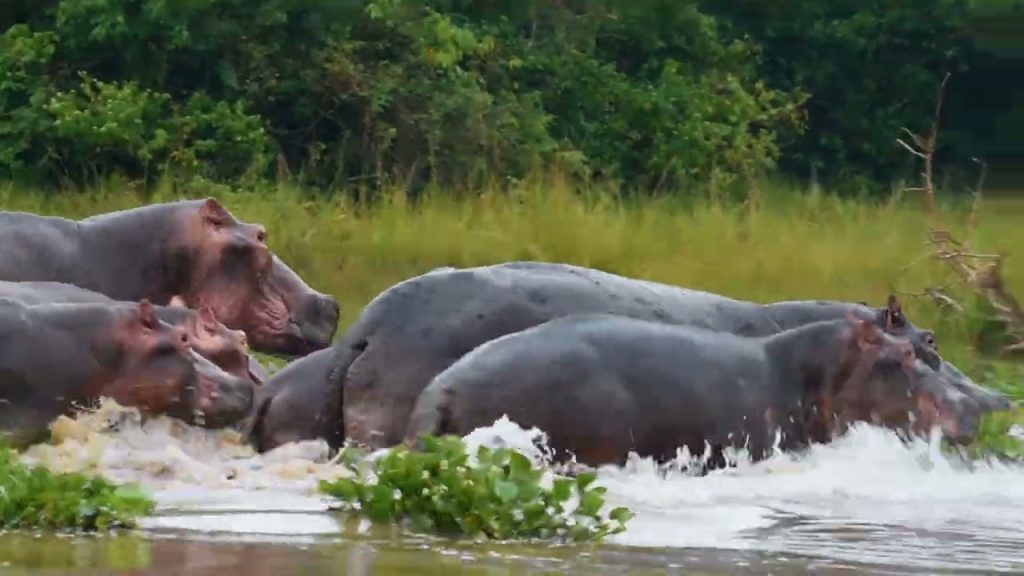
Nyerere holds substantial populations of elephant, buffalo, and hippo, along with one of Tanzania’s most significant remaining wild dog populations, a species increasingly rare across much of Africa and a genuine highlight for visitors specifically interested in predator diversity beyond the more commonly sighted lions and leopards. The park’s rivers and lakes support excellent birdlife and crocodile populations, and its sheer size means wildlife densities and habitat types vary considerably across different sections, rewarding visitors who explore beyond a single fixed camp location.
The Rufiji River and Boat Safaris
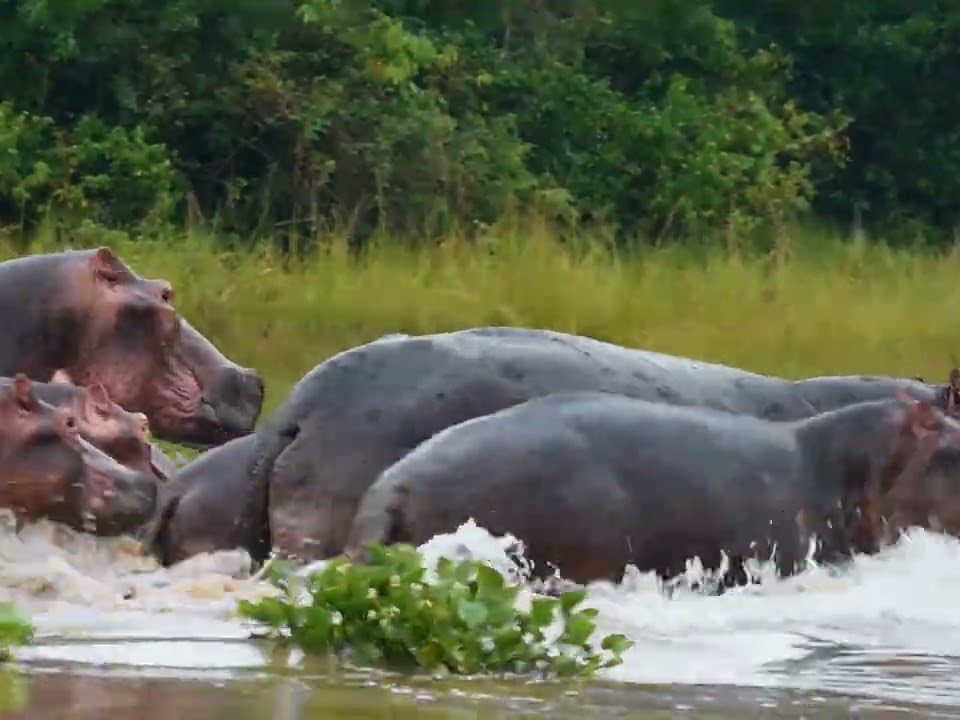
The Rufiji River, running through the park’s core, enables a genuinely distinctive activity rare elsewhere in Tanzania’s safari circuit: boat safaris offering close-range views of hippos, crocodiles, and elephants coming to drink, alongside a range of waterbirds along the riverbanks. This water-based perspective adds meaningful variety to a Nyerere itinerary, complementing traditional game drives with an activity that most of Tanzania’s northern parks simply can’t offer given their more limited permanent water features.
Walking Safaris: A Signature Nyerere Experience
Nyerere permits walking safaris more extensively than many of Tanzania’s other major parks, offering visitors a genuinely different, more intimate way to experience the bush, tracking animal signs on foot with an armed ranger guide rather than viewing wildlife exclusively from a vehicle. This activity demands a different kind of attention and patience than a game drive, rewarding visitors with details, tracks, dung, smaller creatures, and plant life, that a vehicle safari moves past too quickly to notice.
Getting to Nyerere
Most visitors reach Nyerere by domestic flight from Dar es Salaam or Zanzibar, landing at one of several airstrips serving camps within the park, since road access from Tanzania’s northern circuit involves a considerably longer overland journey than most itineraries can accommodate. This flight-based access makes Nyerere a natural addition for travelers already spending time on Tanzania’s coast, particularly Zanzibar, rather than an easy extension from the northern safari circuit.
Best Time to Visit
The dry season, roughly June through October, offers the most reliable wildlife viewing as animals concentrate around the Rufiji River and remaining water sources, and this window also coincides with the best conditions for both boat safaris and walking safaris. The wet season brings lush scenery and lower rates but can make some areas of the park considerably harder to access, and several camps close entirely during the heaviest rains given the logistical challenges of operating in the resulting conditions.
Combining Nyerere With Zanzibar
Nyerere’s proximity to Tanzania’s coast makes it a natural pairing with a Zanzibar beach extension, letting travelers combine a genuinely wild, uncrowded safari experience with relaxed time on some of East Africa’s best beaches, all without the longer transfers required to reach the northern safari circuit from the coast. This combination has become an increasingly popular alternative for travelers who’ve already done the classic Serengeti and Ngorongoro circuit and want a genuinely different southern Tanzania experience on a return trip.
Accommodation Options in Nyerere
Nyerere’s camps range from comfortable tented lodges along the Rufiji River to more remote, exclusive properties deeper within the park’s less-visited sections, generally at a lower density than the northern circuit’s more developed lodge infrastructure. Many camps operate seasonally, closing during the heaviest rains, and booking ahead matters given the more limited overall bed capacity spread across such a vast park compared to the more concentrated accommodation clusters found in the Serengeti or Ngorongoro area.
How Nyerere Compares to the Northern Circuit
Travelers weighing Nyerere against the Serengeti and Ngorongoro should understand the trade-off clearly: the northern circuit offers higher wildlife density, the Great Migration, and more extensive tourism infrastructure, while Nyerere trades some of that density for genuine exclusivity, water-based activities, and walking safaris rarely available at the same scale up north. Many experienced Tanzania travelers on a second or third visit specifically choose Nyerere precisely because it offers something meaningfully different from the more heavily marketed northern parks.
Conservation Significance
As one of Africa’s largest protected wilderness areas, Nyerere plays an outsized role in regional conservation, particularly for wide-ranging species like elephants and African wild dogs that require substantial connected habitat to maintain viable populations. Tourism revenue here directly supports anti-poaching efforts across an area that would otherwise be extremely difficult and costly to protect given its sheer size, making a visit here a genuinely meaningful contribution to conservation at a landscape scale rather than within a single smaller park boundary.
Fishing and Other Activities
Beyond game drives, boat safaris, and walking safaris, several Nyerere camps offer catch-and-release fishing on the Rufiji River, a genuinely unusual safari activity that adds another dimension for travelers looking to break up a standard game-viewing routine. This variety of activities, water-based, on-foot, and vehicle-based, is part of what distinguishes a Nyerere stay from a more uniform northern-circuit itinerary centered almost entirely around game drives.
Planning Your Visit
Nyerere’s remoteness and the specialized nature of its activities, boat safaris and extensive walking safaris in particular, mean booking through an operator experienced specifically with Tanzania’s southern circuit pays off considerably compared to treating it as an afterthought attached to a standard northern-circuit itinerary. For travelers who’ve already experienced the Serengeti and Ngorongoro, or who specifically want a quieter, more varied safari experience, Nyerere offers a genuinely rewarding alternative well worth the extra planning it requires, and one that rewards patience and flexibility with an experience genuinely distinct from anywhere else on Tanzania’s safari map.
Recommended Tours: 9 Days Uganda Gorilla Trek and Tanzania Wildlife Safari | 12-Day Uganda Gorilla Tours and Kenya Great Migration Safaris