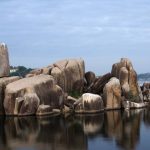
Pemba Island Travel Guide: Diving, Clove Farms, and Quiet Beaches
Pemba Island is one of Tanzania’s most peaceful coastal destinations, known for its coral reefs, clove plantations, green landscapes and uncrowded beaches. Located in the Indian Ocean, north of Zanzibar’s main island, Pemba offers a quieter atmosphere for travellers who enjoy nature, diving and traditional Swahili culture.
This Pemba Island travel guide explains what you can expect when visiting the island, including the best diving locations, clove farm experiences, beautiful beaches, accommodation options and practical travel advice.
Unlike the busier tourist areas of Zanzibar’s main island, Pemba has fewer large resorts and a stronger agricultural character. Fishing villages, small markets, clove farms and tropical forests remain important parts of everyday life.
Whether you are planning a diving holiday, a cultural excursion or a relaxing coastal escape, Pemba provides several experiences worth including in your Tanzania itinerary.
Where Is Pemba Island Located?
Pemba Island forms part of the Zanzibar Archipelago, approximately 50 kilometres north of Unguja, commonly called Zanzibar Island.
It is surrounded by the Indian Ocean, with the Pemba Channel separating it from mainland Tanzania.
The island has a hilly landscape, fertile agricultural areas, mangrove forests and a coastline containing bays, reefs and small offshore islands.
Its principal towns include Chake Chake, Wete and Mkoani.
Chake Chake serves as an important commercial and transport centre, while Wete is associated with northern agricultural communities and fishing activities.
Mkoani, in southern Pemba, is an important arrival point for passenger ferries.
Pemba’s greener landscape distinguishes it from some of Tanzania’s drier coastal destinations.
What Makes Pemba Island Special?
Pemba appeals particularly to travellers looking for natural surroundings and less crowded attractions.
The island is widely associated with clove production, coral reefs and traditional coastal communities.
Its offshore waters provide opportunities for experienced scuba divers, while its farms and forests attract visitors interested in nature and local livelihoods.
Some of the main reasons to visit include:
- Scuba diving around coral reefs and underwater walls.
- Snorkelling in suitable sheltered marine areas.
- Visiting traditional clove plantations.
- Exploring Ngezi Forest and its wildlife.
- Relaxing on relatively quiet beaches.
- Visiting fishing villages and local markets.
- Taking guided boat excursions to nearby islands.
You should plan activities around the weather, sea conditions and availability of local operators.
Diving in Pemba Island
Scuba diving is one of Pemba’s best-known attractions.
The island’s surrounding waters contain coral reefs, underwater slopes and deeper channels that support a variety of marine life.
Depending on your dive location, you may encounter reef fish, sea turtles, rays and other Indian Ocean species.
However, wildlife sightings depend on conditions and cannot be guaranteed.
Diving Along the Pemba Channel
The Pemba Channel separates the island from mainland Tanzania and contains deep water relatively close to parts of the coast.
Some diving areas are known for steep underwater walls, coral formations and strong currents.
These conditions can create interesting diving opportunities, particularly for experienced divers.
Strong currents also mean certain sites are unsuitable for beginners.
Choose a qualified dive operator who assesses your certification, experience and comfort in the water before recommending a site.
Coral Reefs and Marine Life
Pemba’s reefs support different types of coral and marine organisms.
During suitable dives, you may see:
- Angelfish and butterflyfish.
- Parrotfish and surgeonfish.
- Groupers and snappers.
- Moray eels.
- Sea turtles.
- Reef-associated rays.
- Small reef creatures such as nudibranchs.
The species you encounter will vary with the site, season, depth and visibility.
Avoid touching coral, collecting marine animals or standing on reef formations.
Responsible diving helps protect these fragile habitats.
Is Pemba Suitable for Beginner Divers?
Yes, beginners may find suitable introductory diving opportunities around Pemba.
However, the island also contains demanding dive sites with deeper water and stronger currents.
If you have never dived before, ask whether a recognised instructor offers supervised introductory sessions.
Certified beginners should choose protected locations appropriate to their qualifications.
Never select a difficult dive simply because it appears in a holiday brochure.
Snorkelling Around Misali Island
Misali Island is one of the best-known marine destinations near Pemba.
Located off the western coast, it is associated with coral reefs, marine conservation and boat excursions.
Snorkelling around suitable areas can introduce visitors to colourful reef fish and underwater habitats without requiring scuba certification.
Conditions vary throughout the year, and some areas may experience currents.
A local boat operator should explain where swimming and snorkelling are permitted.
What to Expect During a Misali Island Excursion
A typical excursion may include a boat journey, guided snorkelling and time to enjoy the island’s surroundings.
The actual programme depends on weather conditions, tides, conservation rules and the operator.
Before booking, ask whether the quoted price includes equipment, conservation charges, drinking water and transport.
Choose operators who follow marine protection regulations and provide appropriate safety equipment.
Visiting Pemba’s Clove Farms
Clove farming is central to Pemba’s agricultural identity.
The island’s fertile soils and tropical conditions support clove trees alongside other crops.
Cloves are the dried flower buds of the clove tree. They are used in cooking, traditional preparations and various commercial products.
A guided farm visit helps you understand the work involved in producing this important spice.
What Happens During a Clove Farm Tour?
Your guide may explain how clove trees grow, when their buds are harvested and how farmers prepare the crop for sale.
Depending on the season, you might observe harvesting, drying or storage activities.
Cloves are commonly dried after collection, allowing them to develop their familiar appearance.
Farm visits may also introduce you to other crops grown locally.
These can include bananas, coconuts, cassava and different tropical fruits.
When Is Clove Harvesting Season?
Clove harvesting is seasonal, and timing can vary with local growing conditions.
If seeing active harvesting is important to your trip, confirm the expected period with a farm operator before booking.
You can still enjoy a farm visit outside harvesting season.
The experience provides information about agriculture, local employment and the island’s trading history.
Ask permission before entering private farmland or photographing workers.
Quiet Beaches on Pemba Island
Pemba has several stretches of coastline that appeal to travellers seeking peaceful surroundings.
However, its beaches differ from the long, developed resort beaches found in parts of Unguja.
Some sections contain mangroves, rocky shorelines or tidal flats.
Others offer open sandy areas with limited development.
Vumawimbi Beach
Vumawimbi Beach is located in northern Pemba, near the Ngezi area.
It is known for its relatively undeveloped setting and natural coastal scenery.
Visitors may find stretches of sand, surrounding vegetation and fewer tourist facilities than at major Zanzibar resorts.
The beach can be suitable for walking and enjoying coastal views.
Swimming conditions depend on tides, currents and weather.
Do not assume the water is safe simply because a beach appears calm.
Beaches Near Kigomasha
The Kigomasha area in northern Pemba offers access to coastal scenery, nearby sandbanks and selected accommodation.
Some beaches and offshore locations require organised transport.
Your accommodation provider can advise which areas are accessible and whether boat excursions are available.
Southern Pemba and Fundu Lagoon
Southern Pemba contains sheltered bays, mangrove areas and coastal lodges.
The Fundu Lagoon area is associated with secluded accommodation and boat-based access.
It may appeal to couples and travellers looking for a quiet holiday.
Always confirm transfer arrangements because some properties require both road and boat journeys.
Ngezi Forest: Nature Beyond the Beaches
Ngezi Forest is one of Pemba’s important natural attractions.
Located in the northern part of the island, it protects forest habitat and supports several species of plants and animals.
Guided forest walks allow visitors to experience a different environment from the island’s beaches and farms.
You may encounter birds, butterflies and other forest wildlife.
The Pemba flying fox, a large fruit bat native to the island, is another species of interest.
Sightings depend on the location and should never be guaranteed.
A knowledgeable guide can help you understand the forest’s ecology and conservation importance.
Wear closed walking shoes and carry drinking water.
Exploring Pemba’s Towns and Culture
Pemba’s towns provide opportunities to experience everyday life beyond organised tourist attractions.
Chake Chake
Chake Chake is an important commercial centre with markets, shops and transport services.
Visitors can explore selected streets, observe local trading activities and learn about the island’s history.
It is also a convenient base for travellers arriving by air.
Wete
Wete is a northern coastal town associated with fishing, agriculture and local commerce.
Its surrounding countryside includes farming communities where cloves and other crops are grown.
A guided visit can combine a market excursion with a farm experience.
Local Customs and Respectful Travel
Pemba has a predominantly Muslim population, and local customs should be respected.
Wear modest clothing when visiting towns, villages and religious areas.
Beachwear is more appropriate at designated swimming areas and accommodation facilities.
Ask before photographing residents, particularly children.
Learning a few Swahili greetings can make everyday interactions easier.
Best Time to Visit Pemba Island
Pemba has a tropical climate, with warm temperatures throughout the year.
Rainfall and seasonal winds influence diving, boat excursions and outdoor activities.
| Travel period | General conditions | Recommended activities |
|---|---|---|
| June to September | Generally drier, with seasonal winds | Forest walks and cultural visits |
| October to December | Warm with possible short rains | Diving and farm visits when conditions allow |
| January to February | Hot and often relatively dry | Beach stays, diving and snorkelling |
| March to May | Main rainy season | Flexible cultural trips and quieter stays |
For diving, sea conditions can vary considerably between locations and months.
Some operators prefer particular periods when winds are lighter and underwater visibility is more favourable.
Always confirm conditions with a professional dive centre before finalising your holiday.
During the main rainy season, some accommodation providers and marine operators may reduce services or close temporarily.
How to Get to Pemba Island
Travelling by Air
Flying is generally the most convenient way to reach Pemba.
Flights operate from Zanzibar and may also be available from Dar es Salaam, depending on current schedules.
A flight from Zanzibar to Pemba typically takes around 30 minutes.
Pemba Airport is located near Chake Chake.
Arrange your airport transfer before arrival, especially if staying in northern or southern coastal areas.
Travelling by Ferry
Passenger ferry services connect Zanzibar’s main island with Pemba.
Ferries generally arrive at Mkoani in southern Pemba.
Journey times depend on the vessel, route and sea conditions.
Services can change, so confirm departures directly with the operator.
If you are prone to seasickness, consider whether flying would provide a more comfortable journey.
Where to Stay on Pemba Island
Pemba offers accommodation ranging from modest guesthouses to exclusive coastal lodges.
Your ideal location depends on your planned activities.
| Accommodation area | Best suited for | Main consideration |
|---|---|---|
| Chake Chake | Short visits and practical transport | Convenient access to services |
| Wete and surrounding areas | Cultural trips and farm visits | Access to northern communities |
| Kigomasha and northern coast | Beach relaxation and diving | Longer road transfers |
| Southern Pemba | Secluded coastal holidays | Some lodges require boat transfers |
Book well ahead if you have specific accommodation preferences.
Before paying, confirm meal arrangements, transport, diving availability and cancellation terms.
Remote properties may have fewer nearby shops and restaurants.
Practical Pemba Island Travel Guide
Allow at least three or four days to experience Pemba without rushing.
Divers may prefer five to seven nights, especially if planning multiple diving sessions.
Carry some Tanzanian shillings because smaller businesses may not accept cards.
Mobile network coverage and cash withdrawal facilities can be less reliable outside the main towns.
Bring sunscreen, insect repellent, lightweight clothing and comfortable walking shoes.
For marine activities, use reputable operators and follow safety instructions.
If you are flying after scuba diving, allow an appropriate surface interval based on your dive profile and professional guidance. Common recommendations include at least 18 hours after multiple dives, although longer may be necessary.
Arrange suitable travel insurance, including diving and emergency evacuation cover if required.
Check Tanzania’s current entry, visa and health requirements before travelling.
Frequently Asked Questions About Pemba Island
Is Pemba Island worth visiting?
Yes. Pemba is particularly suitable for travellers interested in diving, clove farming, nature and quieter coastal holidays.
Is Pemba better than Zanzibar Island?
Neither island is universally better. Unguja has more developed tourist facilities, while Pemba generally offers a quieter setting and fewer large resorts.
How many days do you need in Pemba?
Three or four days provide time for selected activities. Five to seven days are more suitable for a relaxed diving holiday.
Can you visit Pemba without diving?
Yes. You can explore clove farms, forest areas, villages, markets and beaches without participating in scuba diving.
Are Pemba’s beaches suitable for swimming?
Some are suitable under the right conditions. Always check tides, currents and local advice before swimming.
Combining Pemba With Other Tanzania Destinations
Pemba can be included in a longer Tanzania holiday.
Travellers interested in coastal culture may spend time in Dar es Salaam before continuing to Zanzibar and Pemba.
Those who enjoy marine activities can also consider other Tanzanian coastal destinations, depending on available travel connections.
Because Pemba is less developed for mass tourism, allow enough time between flights, ferries and scheduled activities.
A carefully planned itinerary makes it easier to enjoy the island’s natural and cultural attractions.
Pemba Island is an excellent destination for travellers who want to experience Tanzania’s quieter Indian Ocean coastline.
Its coral reefs attract divers, while clove plantations provide an introduction to the island’s agricultural traditions.
The beaches, forest areas and fishing communities add variety to a coastal holiday.
You can spend your mornings exploring farms, visiting villages or diving, then enjoy a peaceful afternoon beside the ocean.
For the best experience, plan around seasonal weather, choose responsible local operators and allow enough time to explore at a comfortable pace.
Pemba rewards travellers who appreciate natural surroundings, local culture and .a slower style of travel