Plains Zebras: Where and When to See Them in East Africa
Plains zebras rank among East Africa’s most widely distributed and reliably spotted large herbivores, appearing across nearly every major savannah park in genuinely impressive numbers, and playing a surprisingly significant, often overlooked role in the Great Migration alongside their more famous wildebeest counterparts. Understanding where the largest herds concentrate and how zebras fit into the broader migration story helps travelers appreciate this genuinely common but visually striking species. This guide covers where and when to look, along with the science and social behavior that make zebras considerably more interesting than their familiar status might suggest.
Maasai Mara and Serengeti
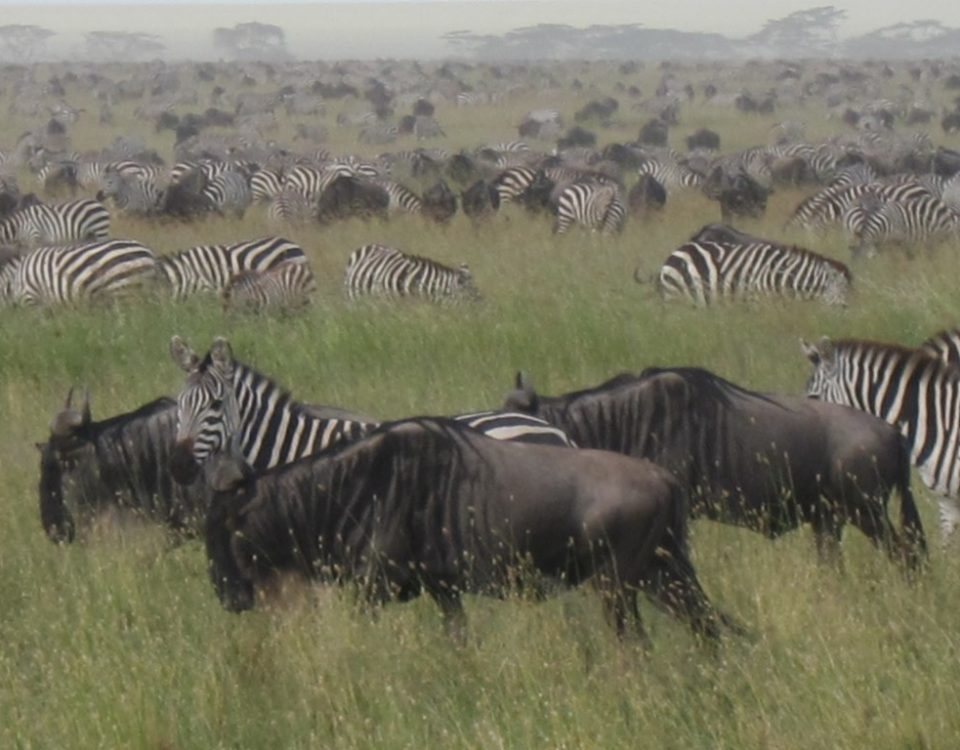
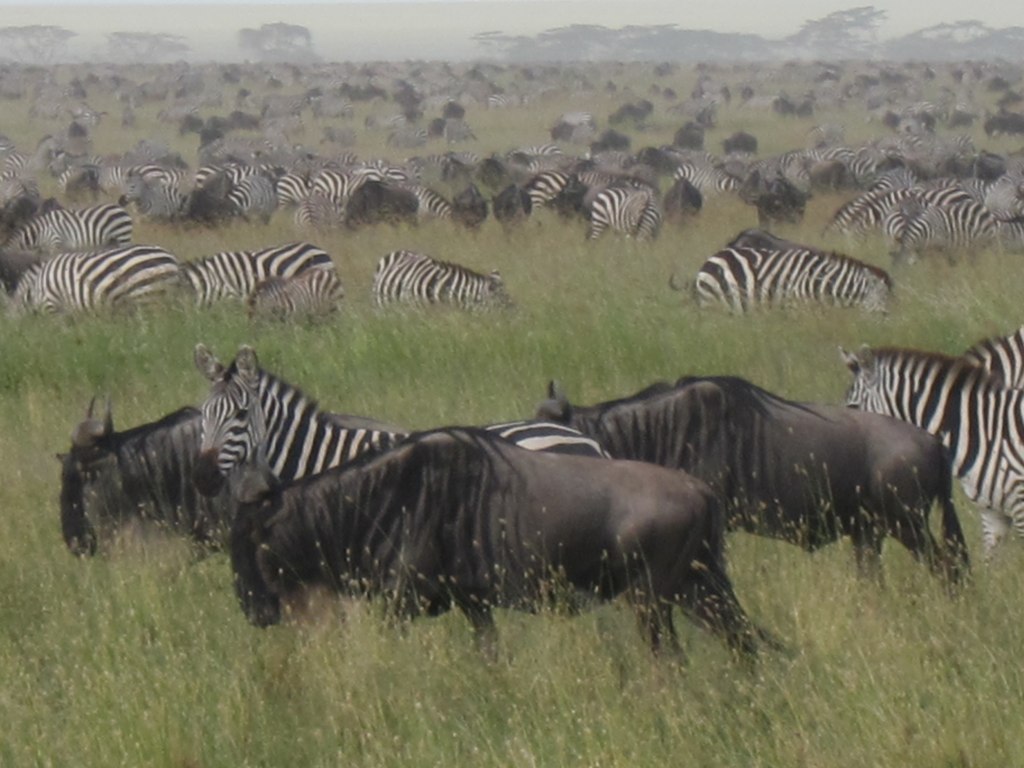
Kenya and Tanzania’s classic plains ecosystems host genuinely massive zebra populations, particularly visible during migration season when they travel alongside wildebeest herds across the shared grassland ecosystem.
Lake Mburo National Park, Uganda
Lake Mburo hosts Uganda’s most significant zebra population, offering reliable sightings in a park specifically known for this species alongside its broader savannah wildlife.
Queen Elizabeth and Murchison Falls, Uganda
Both parks support zebra populations across their open savannah sections, offering additional reliable Uganda sighting opportunities beyond Lake Mburo specifically.
Why Zebras Travel With Wildebeest
Plains zebras and wildebeest form a genuinely mutually beneficial migration partnership, zebras’ taller grazing height clears coarser grass tops that wildebeest can’t easily access, while wildebeest’s superior sense of smell and hearing helps detect predators, benefiting both species through this shared movement.
Understanding Zebra Stripe Patterns
Each zebra’s stripe pattern is genuinely unique, functioning similarly to a human fingerprint, and current scientific research suggests these patterns may serve multiple purposes including temperature regulation and confusing biting insects and predators.
Best Time of Year for Zebra Migration Viewing
Zebras typically move ahead of the main wildebeest herds during migration season, meaning their peak visibility sometimes precedes the more famous wildebeest crossings by a short window, worth understanding for migration-focused itinerary timing.
Grevy’s Zebra vs Plains Zebra
Plains zebras display broader, more rounded stripes compared to the narrower, more numerous stripes of the considerably rarer Grevy’s zebra found specifically in northern Kenya’s Samburu region.
How Foals Recognize Their Mothers
Newborn zebra foals learn to recognize their specific mother’s unique stripe pattern, scent, and vocalization within the first days of life, a genuinely critical bonding process given how visually similar a large herd can otherwise appear, especially amid the chaos of migration-season movement.
Zebra Social Structure
Plains zebras live in family groups called harems, led by a dominant stallion, with genuinely stable social bonds that persist even within the chaos of larger migration herds.
Why Zebras Deserve More Attention
Despite being among the most commonly seen savannah species, zebras’ genuine visual drama and fascinating stripe science reward more attention than their common status might initially suggest.
What Science Says About Why Zebras Have Stripes
Beyond the fingerprint-like individual variation, researchers have proposed several competing theories for why zebras evolved striped coats in the first place, insect deterrence appears to be among the most scientifically supported explanations, with studies showing biting flies struggle to land accurately on striped surfaces compared to solid-colored ones.
How Zebra Herds Defend Against Predators
Zebra harems display genuinely coordinated defense behavior against predators, with the dominant stallion often positioning himself between threats and the group, while confusing collective movement patterns within larger herds make it genuinely harder for predators to isolate a single vulnerable individual.
Why Bachelor Male Groups Form Alongside Family Harems
Young male zebras that have left their birth harem often form loose bachelor groups while awaiting the opportunity to challenge an established stallion or attract females of their own, a genuinely important social structure that adds another layer of dynamics worth watching for beyond the more visible family harems.
How Zebra Vocalizations Function Within the Herd
Zebras produce a genuinely distinctive range of barking and braying calls used for alarm, contact, and social coordination, vocalizations that experienced guides sometimes use as an indirect indicator of nearby predator activity or herd movement decisions.
Why Zebra Migration Timing Sometimes Differs From Wildebeest
Given their somewhat different grazing preferences and predator avoidance strategies, zebra movement patterns don’t always align perfectly with the main wildebeest herds, meaning attentive travelers sometimes encounter substantial zebra concentrations slightly ahead of or behind the peak wildebeest crossing window.
How This Species Compares Across East Africa’s Different Ecosystems
While Serengeti-Mara zebras participate in the dramatic seasonal migration, Uganda’s Lake Mburo population remains genuinely resident year-round, offering a useful behavioral contrast between migratory and non-migratory populations of the exact same species within the broader region.
Common Questions About Zebra Sightings
Travelers frequently ask whether zebras are dangerous, and while generally not aggressive toward humans, they can deliver a genuinely powerful kick when threatened, meaning standard safari distance and vehicle-based viewing remains the sensible approach. Visitors also ask whether Uganda offers comparable zebra viewing to Kenya and Tanzania, and while Lake Mburo provides reliable sightings, the sheer scale of Maasai Mara and Serengeti herds during migration season remains considerably more dramatic.
Why Zebras Make the Migration Genuinely Richer
Far from being a secondary character to the wildebeest, zebras’ visual drama and genuine ecological partnership role make them an equally worthwhile focus during any migration-season safari, rewarding travelers who look beyond the more heavily marketed wildebeest crossings alone.
Why Zebra Photography Rewards a Focus on Pattern and Motion
Beyond simple portrait shots, genuinely compelling zebra photography captures the interplay of stripe patterns across a moving herd or the dramatic contrast of dust and motion during a group startled into flight, images considerably more dynamic than a single static individual alone.
How Zebra Populations Have Fared Amid Habitat Pressure
While plains zebras remain genuinely more numerous than their endangered Grevy’s relatives, habitat fragmentation and competition with livestock have pressured populations across parts of their range, making well-protected parks increasingly important strongholds for sustaining healthy long-term numbers.
Why Local Guides Enjoy Explaining Stripe Science to Travelers
Given how genuinely counterintuitive some stripe-function theories initially sound, guides often relish walking travelers through the competing scientific explanations, turning what could be a simple identification note into a genuinely engaging small science lesson during a game drive.
How This Species Fits Into a Broader Grassland Herbivore Picture
Travelers interested in understanding East Africa’s full range of grazing strategies find zebras offer a genuinely instructive example of mixed-species grazing partnership, a useful contrast against the more solitary or single-species grazing patterns of other savannah herbivores.
Why This Sighting Suits Every Type of Safari Traveler
Given their genuine visual appeal and near-universal presence across East Africa’s parks, zebras offer a genuinely accessible, rewarding sighting for travelers of any experience level, requiring no specialized timing or dedicated search beyond a standard game drive.
Why Even Repeat Safari Travelers Still Enjoy Zebra Sightings
Unlike some species whose appeal fades with repeated exposure, zebras’ genuinely striking visual pattern and lively herd behavior mean even travelers on their fifth or sixth East Africa trip pause to appreciate a well-lit group grazing against open grassland.
How This Species Rewards a Slower, More Observant Pace
Rather than a quick drive-by sighting, zebra herds reward travelers who pause to watch social interaction unfold, foal bonding, stallion posturing, and the subtle coordination that keeps a harem moving together across open terrain.
How This Species Fits Into a Complete Migration Understanding
Travelers who understand zebras’ genuine ecological partnership role alongside wildebeest leave migration season with a considerably richer appreciation for how the entire spectacle actually functions, rather than viewing it as a single-species event centered purely on wildebeest numbers.
Why This Sighting Works Well for Family Travelers
Given their genuine visual appeal, reliable presence, and relatively calm demeanor around vehicles, zebras offer a genuinely engaging, easy-to-appreciate sighting for younger travelers on a family safari, often ranking among children’s favorite early game drive moments.
Why This Species Deserves a Place in Every Migration Narrative
Marketing materials and documentaries understandably emphasize the wildebeest crossings, but travelers who arrive already understanding zebras’ genuine co-starring role experience the same spectacle with considerably more informed appreciation than those expecting a purely single-species event.
Why This Species Rewards a Closer Look at Individual Variation
Beyond the herd-level spectacle, spending time observing individual stripe patterns and behavioral quirks within a single zebra family genuinely rewards patient travelers, revealing a level of individual character easily missed when viewing the species purely as an undifferentiated mass of black and white.
Why This Species Remains a Genuine Safari Favorite Year After Year
Long after the excitement of a first lion or elephant sighting settles into familiarity, zebras continue delivering reliable, visually striking encounters on nearly every drive, a quiet consistency that keeps them firmly among the most fondly remembered sightings from any East Africa trip.
Planning Your Zebra and Migration Safari
Working with an experienced operator to time your visit around migration season maximizes both zebra and wildebeest viewing within your broader East Africa safari, and pausing to appreciate the zebras alongside the more famous herds rounds out a genuinely complete migration experience.
Recommended Tours: 12-Day Uganda Gorilla Tours and Kenya Great Migration Safaris | 10 Days Ultimate Uganda Gorilla & Big Five Safari