Nile Crocodiles: Where and When to See Them in East Africa
Nile crocodiles, among Africa’s largest and most formidable predators, offer genuinely dramatic wildlife viewing across East Africa’s major rivers and lakes, from massive individuals basking along riverbanks to the genuinely thrilling predator role they play during the Great Migration’s dramatic river crossings. Understanding where these ancient predators concentrate, and when their behavior peaks most dramatically, helps travelers plan a genuinely memorable crocodile encounter. This guide covers where and when to look, along with the biology and hunting behavior that make this species such an enduring symbol of Africa’s rivers.
The Mara River, Kenya and Tanzania
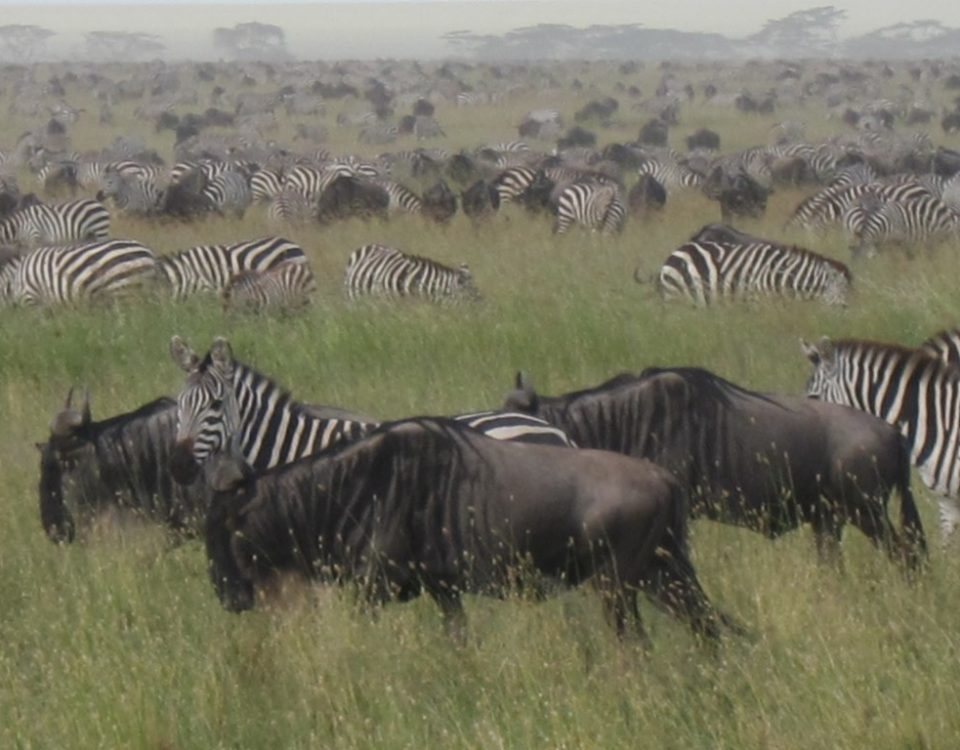
The Mara River hosts genuinely massive Nile crocodiles that play a dramatic predatory role during the Great Migration’s river crossings, when wildebeest herds attempting to cross face these ambush predators in one of Africa’s most intense wildlife spectacles.
Murchison Falls National Park, Uganda
Murchison Falls’ Nile River sections support substantial crocodile populations, viewable through both boat cruises and riverside vantage points across the park.
Kazinga Channel, Queen Elizabeth National Park, Uganda
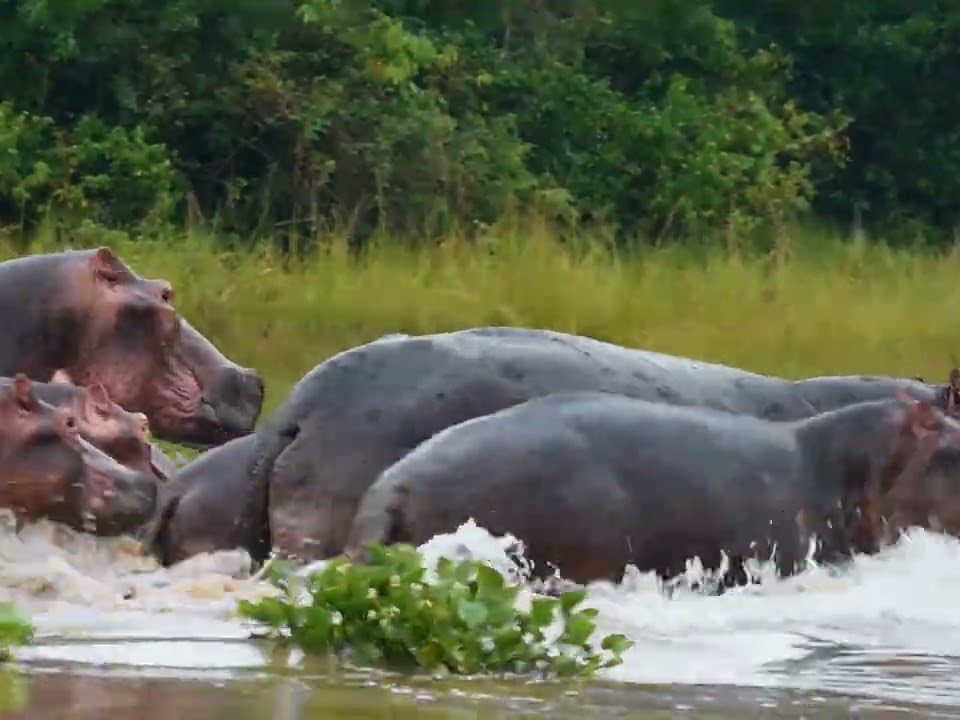
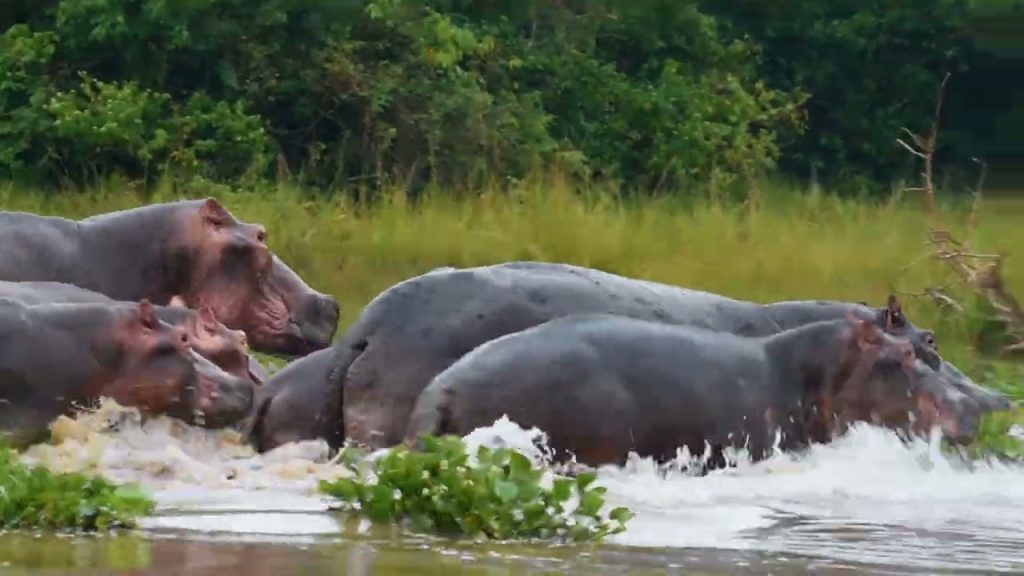
The Kazinga Channel offers reliable crocodile sightings alongside its famous hippo population, with boat safaris providing genuinely excellent viewing of both species together.
Lake Chamo and the Nile River System
Beyond East Africa’s main safari circuit, the broader Nile River system supports significant crocodile populations throughout its length, reflecting the species’ deep historical association with this iconic waterway.
Why the Mara River Crossings Offer Peak Crocodile Drama
During the Great Migration’s crossing season, roughly July through October, crocodiles position themselves strategically along known crossing points, creating genuinely dramatic predator-prey encounters as wildebeest attempt the dangerous river crossing.
Nile Crocodile Size and Physical Characteristics
Nile crocodiles rank among the largest crocodilian species worldwide, with genuinely impressive individuals reaching substantial length, a physical scale that becomes apparent watching them ambush prey many times their own body weight in coordinated fashion.
How Guides Read Crocodile Activity
Experienced Mara guides monitor subtle signs, crocodile positioning along known crossing points, water disturbance, and herd hesitation at the riverbank, to help anticipate when a dramatic crossing attempt might unfold, adding genuine expertise-driven anticipation to the wait for this spectacular event.
Crocodile Hunting Behavior
Nile crocodiles rely on patient ambush hunting, remaining motionless for extended periods before executing explosive, high-speed attacks, a genuinely dramatic hunting strategy quite different from mammalian predators’ pursuit-based approach.
Best Time of Day for Crocodile Viewing
Crocodiles are frequently visible basking on riverbanks during daylight hours, particularly morning, when they regulate body temperature before becoming more active hunters as the day progresses.
Safety Considerations Around Crocodiles
Given their genuine ambush-hunting capability, maintaining safe distance from riverbanks and water edges in crocodile habitat matters considerably, with boat safaris and guided viewing offering the safest observation method.
How Crocodiles Have Survived Since the Age of Dinosaurs
Nile crocodiles belong to a lineage that has remained genuinely remarkably unchanged for tens of millions of years, making them among the closest living relatives to the ancient reptiles that once dominated the planet, a fact that adds real evolutionary weight to any sighting beyond simple predator drama.
Crocodile Reproduction and Nesting
Female Nile crocodiles display genuinely attentive maternal behavior, guarding nests and even carrying newly hatched young to water in their mouths, a surprising contrast to their fearsome predatory reputation that guides often highlight during sightings near nesting season.
How Crocodile Bite Force Compares Across the Animal Kingdom
Nile crocodiles possess genuinely one of the most powerful bite forces measured across the entire animal kingdom, a physical capability that, combined with their patient ambush strategy, makes them formidable predators capable of subduing prey many times their own size once contact is made.
Why Crocodiles Thermoregulate Through Basking
As cold-blooded reptiles, Nile crocodiles genuinely depend on external heat sources to regulate body temperature, a behavioral necessity that explains their consistent riverbank basking pattern and offers reliable, predictable viewing opportunities for travelers during daylight hours.
How Crocodile Populations Have Recovered From Historical Decline
Following significant historical population decline from hunting, Nile crocodile numbers have genuinely recovered substantially across many protected East African rivers and lakes, a conservation success story that has restored healthy predator populations to ecosystems where they had once become considerably scarcer.
Why Crocodiles Play Such an Important Ecological Role
Beyond their dramatic predatory reputation, Nile crocodiles genuinely help regulate fish and other aquatic prey populations, contributing to the broader ecological balance of the river and lake systems they inhabit across their extensive range.
How This Species Fits Into Local Cultural History
Nile crocodiles have held genuine cultural and even religious significance across various African societies for millennia, a historical relationship that predates modern wildlife tourism by thousands of years and reflects the species’ deep, ancient association with the rivers that sustain human civilization.
Common Questions About Crocodile Sightings
Travelers frequently ask whether crocodile attacks on migration crossings are guaranteed to be seen, and honestly, no, the exact timing and outcome of any crossing remains genuinely unpredictable, though the crossing season itself offers meaningfully elevated odds of witnessing dramatic predator activity. Visitors also ask whether boat safaris are safe given crocodile presence, and yes, professional operators maintain appropriate distance and safety protocols, making boat viewing genuinely one of the safest ways to observe crocodiles up close.
Why Crocodiles Deserve Real Respect and Attention
Beyond their dramatic hunting reputation, Nile crocodiles’ evolutionary longevity and genuine ecological importance as apex river predators make them a species worth appreciating well beyond the sensationalized migration-crossing footage most travelers associate with them.
How Crocodiles Coordinate Ambush Positions During Crossings
During peak migration crossing season, multiple crocodiles genuinely position themselves at different points along a likely crossing site, an informal, opportunistic coordination that maximizes the collective chance of a successful strike as the herd finally commits to entering the water.
Why Crocodile Size Varies Considerably Between Individuals
Given that Nile crocodiles continue growing gradually throughout their genuinely long lifespan, size varies considerably between individuals of different ages, meaning the largest, most impressive specimens typically represent decades of accumulated growth within a stable, undisturbed territory.
How Boat Safari Guides Position for Safe, Close Viewing
Experienced boat operators genuinely understand crocodile behavior well enough to approach basking or resting individuals at a respectful but genuinely close distance, offering considerably better viewing and photography opportunities than a distant riverbank vantage point alone could provide.
Why Crocodile Vocalizations Add an Unexpected Dimension
Beyond their fearsome silent-ambush reputation, Nile crocodiles genuinely produce a range of vocalizations, including hatchling distress calls and adult territorial bellows, sounds that surprise many travelers unfamiliar with this vocal dimension of crocodile behavior.
How This Species Fits Into a Broader Big Five and Predator Safari
Travelers building a dedicated predator-focused itinerary across East Africa’s parks often treat Nile crocodiles as a genuinely essential inclusion alongside lions and leopards, representing an entirely different, reptilian hunting strategy within the same broader predator ecosystem.
Why Crocodile Sightings Rank Among the Migration’s Most Requested Moments
Despite the emotional difficulty some travelers feel witnessing an actual predation event, a dramatic crocodile-wildebeest encounter genuinely ranks among the most specifically requested and anticipated moments for travelers planning their migration-season Mara visit.
Why This Species Rewards Both Patience and Realistic Expectations
Much like the migration crossings themselves, witnessing genuinely dramatic crocodile hunting behavior rewards travelers who build in enough time at the right location rather than expecting instant spectacle on arrival, since the most memorable moments often unfold only after considerable patient waiting.
How This Sighting Fits Into a Complete River Ecosystem Experience
Crocodile viewing pairs naturally with hippo, fish eagle, and waterbird sightings during the same boat safari, rounding out a water-based activity into a genuinely comprehensive picture of East Africa’s riverine wildlife rather than a single dramatic predator alone.
Why This Species Deserves Recognition Beyond the Migration Alone
While the crossing season understandably dominates crocodile sighting expectations, appreciating the species’ broader year-round behavior, basking, nesting, and territorial patrol, adds genuine depth to understanding why this predator has remained so consistently successful across millions of years.
How This Sighting Fits Travelers With Limited Migration-Season Availability
Travelers unable to time their trip around the specific crossing window still find genuinely rewarding crocodile viewing available year-round along Uganda’s Nile River sections and Kazinga Channel, making this species accessible regardless of exact travel timing.
Why This Encounter Leaves a Lasting Impression
Whether witnessed as a single, motionless giant basking in the sun or as an active participant in one of the migration’s most intense moments, a genuine Nile crocodile sighting consistently ranks among the wildlife encounters travelers describe most vividly long after their trip has ended.
Why This Species Anchors So Many River-Based Itineraries
Given its genuine visual impact and reliable presence, Nile crocodiles frequently serve as a key drawing point for boat safari activities specifically, a species whose sheer prehistoric presence justifies the water-based detour on its own merits.
Planning Your Crocodile-Focused Safari
Working with an experienced operator to include a genuine boat safari or migration-season Mara visit within your East Africa itinerary ensures a dramatic crocodile encounter, whether timed around the famous crossings or simply a close boat-level view of this ancient predator at rest.
Recommended Tours: 12-Day Uganda Gorilla Tours and Kenya Great Migration Safaris | 10 Days Ultimate Uganda Gorilla & Big Five Safari