Rising to 4,507 meters above sea level, Mount Karisimbi towers over every other point in Rwanda, its summit frequently wrapped in cloud and, on genuinely clear mornings, dusted with frost that feels almost impossible to reconcile with the country’s equatorial location just a couple of degrees south of the equator. As the tallest of the eight volcanoes forming the Virunga chain and the highest point in the entire country, Karisimbi represents both a serious mountaineering challenge and a deeply symbolic peak, one intimately tied to the conservation history of the mountain gorillas that range across its lower slopes.
Karisimbi’s Place Among the Virunga Volcanoes
The Virunga Massif comprises eight volcanoes stretching across the borders of Rwanda, Uganda, and the Democratic Republic of Congo, ranging from long-dormant, heavily eroded peaks to the still-active Nyiragongo on the Congolese side of the range. Karisimbi sits at the range’s western end within Rwanda’s Volcanoes National Park, its name derived from the Kinyarwanda word for a shell used to hold gunpowder, a reference local tradition ties to the white cap of frost that sometimes covers its uppermost slopes and reportedly resembled the cowrie shell powder containers once carried by hunters and warriors in the region. Its considerable height above the surrounding volcanoes, roughly six hundred meters taller than its nearest neighbor Bisoke, gives Karisimbi a genuinely distinct climate and ecological zonation compared to the park’s other, lower peaks.
What the Climb Actually Involves
Climbing Karisimbi is unambiguously the most physically demanding trekking activity available within Volcanoes National Park, typically structured as a two-day expedition with an overnight camp at roughly 3,700 meters rather than attempted as a single-day push the way Bisoke’s shorter crater lake hike usually is. The route climbs steadily through the same bamboo and montane forest zones found on the park’s other volcanoes before transitioning into higher-elevation Hagenia woodland, then increasingly sparse Afro-alpine vegetation as the trail approaches the summit, where vegetation thins dramatically and exposed volcanic rock becomes the dominant terrain. Total elevation gain across the full climb exceeds 2,700 meters from the trailhead, a genuinely serious mountaineering statistic that places Karisimbi in a different category of difficulty from virtually every other activity offered within the park.
Altitude and Physical Preparation
Given the summit’s elevation, altitude effects become a real and unavoidable consideration for anyone attempting the climb, with symptoms of altitude sickness, headache, nausea, and fatigue, becoming increasingly likely for climbers who have not built in adequate acclimatization time or who push the pace too aggressively on summit day. The overnight camp partway up the mountain serves an important acclimatization function beyond simply breaking the climb into manageable daily distances, giving climbers’ bodies a chance to adjust before continuing to the higher, thinner-air sections above camp. Climbers with any history of altitude-related illness, or without recent experience at comparable elevations, should discuss the climb with a knowledgeable guide or medical professional well before their trekking dates, and should treat the mountain with genuine respect rather than assuming fitness alone guarantees a comfortable summit attempt.
Weather Conditions Near the Summit
Conditions at Karisimbi’s summit differ dramatically from the warm, humid climate found at the mountain’s base, with temperatures regularly dropping close to or below freezing overnight at the higher camp and near the summit itself, a genuinely startling shift for climbers who began their trek in shirt-sleeve weather at the trailhead only a day earlier. Rain, mist, and strong wind are common at any point during the climb regardless of season, and the summit itself is frequently obscured by cloud cover, meaning climbers should temper expectations around guaranteed clear-day panoramic views and instead treat any genuinely clear summit moment as a fortunate bonus rather than an assured outcome of the climb.
What You Can See From the Top
On the clearer days when cloud cover does lift, Karisimbi’s summit rewards climbers with sweeping views across the entire Virunga chain, extending toward neighboring Bisoke and Mikeno and, on exceptionally clear days, further across the volcanic landscape into the Democratic Republic of Congo and toward Lake Kivu in the distance. The summit area itself includes remnants of past research infrastructure, since Karisimbi’s slopes have hosted scientific monitoring stations connected to the region’s long history of primatological and volcanological research, adding a layer of scientific significance to what is already one of the most physically demanding views available anywhere in East Africa.
Karisimbi Versus Bisoke: Choosing the Right Climb
Travelers deciding between Karisimbi and the considerably shorter, more accessible Bisoke crater lake hike should understand that these represent genuinely different categories of activity rather than simply a harder and easier version of the same experience. A detailed side-by-side comparison covering difficulty, duration, and what each summit actually offers is available in a dedicated look at Mount Karisimbi versus Bisoke, which is worth consulting closely before booking, since Karisimbi’s two-day, high-altitude commitment demands considerably more preparation, fitness, and schedule flexibility than Bisoke’s single-day outing.
Gorillas on Karisimbi’s Lower Slopes
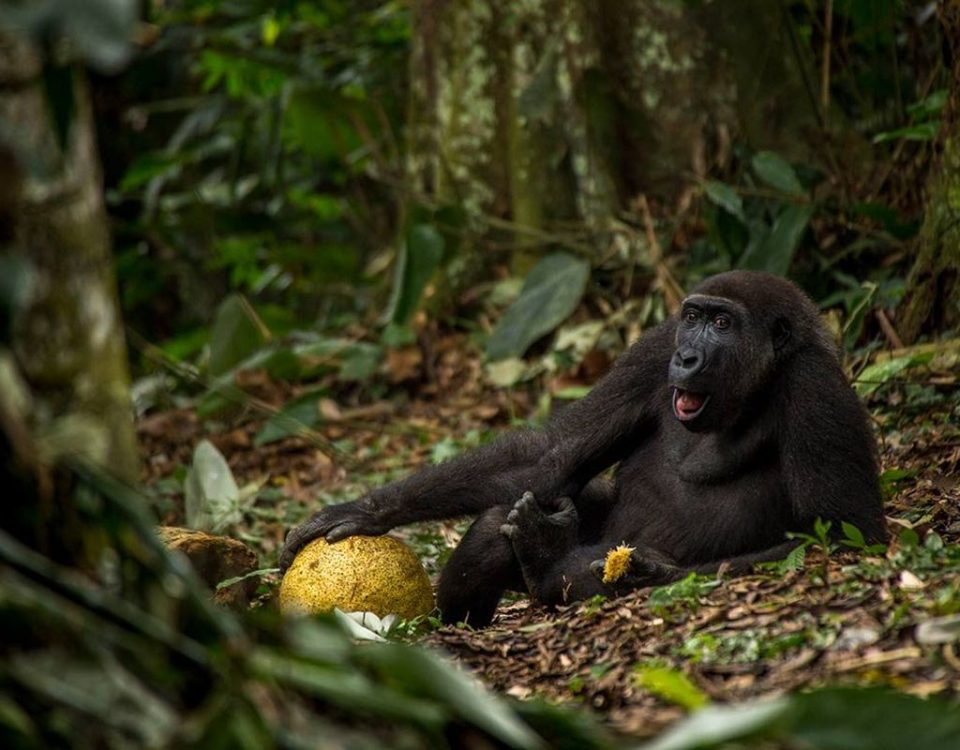
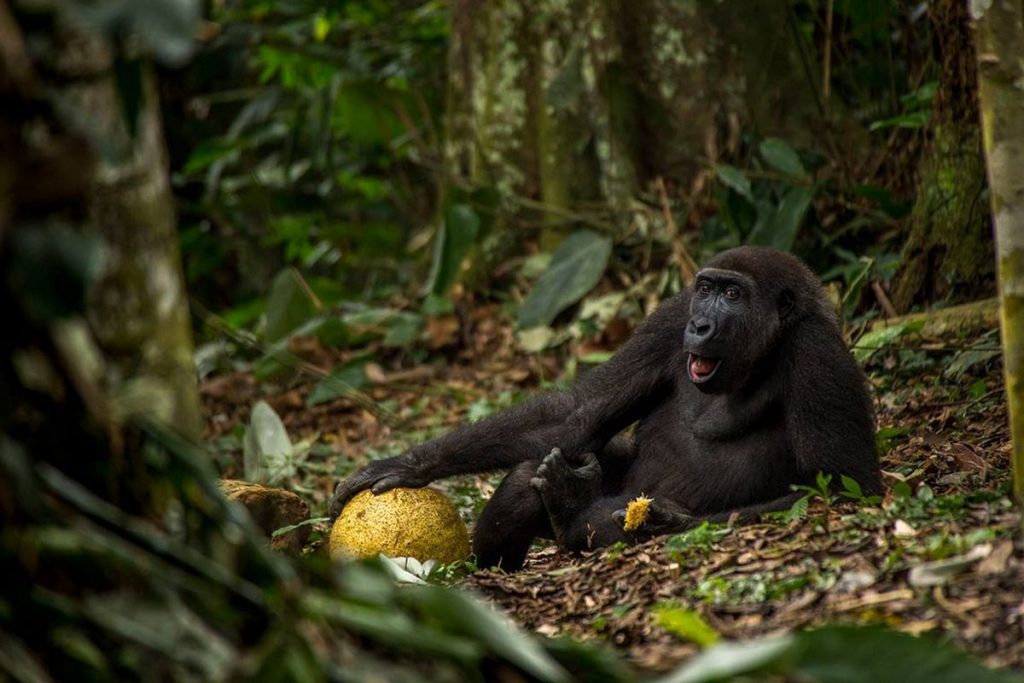
Karisimbi’s forested lower elevations form part of the broader habitat range used by several habituated mountain gorilla families, including the group named directly after the mountain itself, and the peak’s slopes have historical significance in mountain gorilla research dating back to Dian Fossey’s establishment of the Karisoke Research Center in the saddle between Karisimbi and Bisoke. Climbers attempting the summit trek follow a different route and permit system entirely from gorilla trekking, and the two activities should not be confused or combined into a single day, but understanding this shared geography adds meaningful context to why this particular volcano carries such outsized significance within the broader story of Rwandan primate conservation.
Permits, Guides, and Booking the Climb
Climbing Karisimbi requires a dedicated permit separate from gorilla and golden monkey trekking permits, along with mandatory park ranger guides who accompany every group for both safety and security reasons consistent with standard practice throughout Volcanoes National Park. Given the overnight camping component, climbers need appropriate camping equipment, either brought independently or arranged through a tour operator, along with porters to help manage gear across the demanding, multi-day ascent. Advance booking is strongly recommended given the logistical complexity involved, and travelers should build genuine buffer time into their broader Rwanda itinerary around the climb dates, since weather delays or the physical toll of the ascent can occasionally affect onward travel plans immediately following a summit attempt.
What to Pack for a Two-Day Summit Attempt
Layered clothing is essential given how dramatically conditions shift across the climb’s elevation range, starting with lightweight, moisture-wicking layers suitable for the warm, humid lower forest and building toward genuinely warm insulated layers, a proper winter hat, and gloves for the cold, exposed conditions near camp and the summit itself. A quality sleeping bag rated for near-freezing temperatures matters considerably given the overnight camp’s elevation, and waterproof outer layers are non-negotiable given how frequently rain and mist affect the mountain regardless of season or forecast. Sturdy, well broken-in hiking boots with good ankle support are essential given the extended distance and uneven volcanic terrain underfoot, and trekking poles noticeably ease the strain of both the steep ascent and the equally demanding descent on the second day.
Headlamps, a basic first aid kit, high-energy snacks, and sufficient water purification capability round out the essential packing list, and climbers should confirm exactly what camping equipment and meals their tour operator provides versus what they need to supply independently well before arriving at the trailhead, since gaps in this planning are considerably harder to resolve once the climb is already underway.
Rwanda’s Roof, Earned One Step at a Time
Mount Karisimbi rewards climbers with something no other activity in Rwanda can quite replicate: two full days of sustained physical effort moving through nearly every ecological zone the Virunga volcanoes contain, from bamboo forest through Hagenia woodland into stark Afro-alpine terrain, culminating at the literal highest point in the entire country. For travelers with the fitness, preparation, and schedule flexibility to take it on, standing atop Rwanda’s roof offers a sense of earned accomplishment that few other experiences in the country, however extraordinary in their own right, can genuinely match, a summit reached not by vehicle or a short forest walk but by two full days of the kind of sustained physical effort that makes the eventual view, on the days it actually appears, feel entirely deserved.
Best Time of Year to Attempt the Climb
Rwanda’s dry seasons, roughly June through September and December into February, offer the most favorable conditions for a Karisimbi summit attempt, reducing the likelihood of the trail becoming dangerously slick on the steeper volcanic sections and improving, though never guaranteeing, the odds of clearer visibility near the summit. Attempting the climb during the heavier rain periods is possible but considerably more physically taxing and carries a higher risk of the trip being cut short by unsafe conditions, so climbers with flexible travel dates should prioritize the dry season windows when planning this particular demanding activity above nearly any other single consideration on their itinerary.