Safari With Teenagers: Activities That Keep Them Interested
Give your teenager one real choice before you book: would they rather track animals on foot, take a boat ride or spend a morning photographing wildlife? Their answer can shape the trip more usefully than a long list of activities labelled “family-friendly”. A teenager who wants to film elephants may enjoy a patient game drive. Another may be ready to get out of the vehicle after an hour.
A safari with teenagers works best when you vary the way they experience wildlife and give them some say over the pace. Keep a few strong game drives, add an outing that gets everyone out of the vehicle and leave time to sleep in or relax. If you’re travelling with more than one teenager, let each choose an activity. They don’t have to enjoy the same things for the trip to work.
Best Activities for a Safari With Teenagers
| If your teenager enjoys | Try this | What to confirm before booking |
|---|---|---|
| Solving puzzles or noticing details | A guided walk focused on tracks, calls and animal signs | Minimum age, terrain and time on foot |
| Photography or making videos | A drive with time to watch one animal or group | Passenger numbers, side views and room for equipment |
| Being on the water | A guided boat safari or wetland outing | Life jacket fit, seating and time on board |
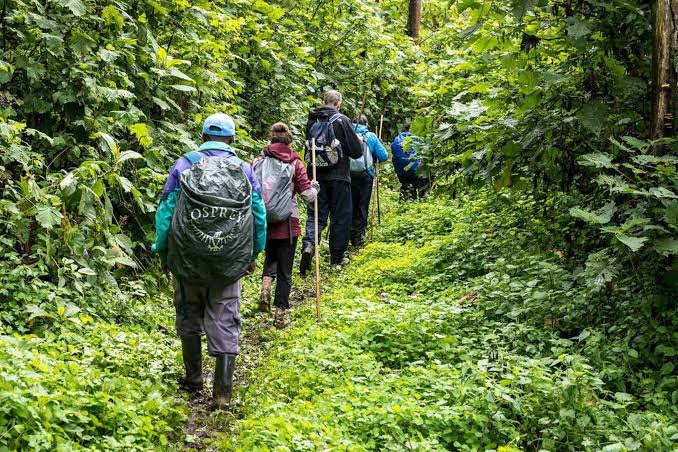
| Primates and forest walks | Chimpanzee tracking, gorilla trekking or a guided wetland walk | Age rules, walking difficulty and which activity needs a permit |
| Riding or trying a new skill | A short, supervised horseback ride | Riding experience, helmet fit and operator restrictions |
| Quiet evenings outdoors | Stargazing from an approved area at camp | Whether staff escorts are needed and when the area is open |
Make Game Drives More Engaging
Give them something real to look for
At the start of a drive, let your teenager tell the guide what they’d like to see or understand. If they choose predators, ask the guide to show them what to look for besides the animals themselves. Fresh tracks, monkeys calling or antelope staring in one direction can give the group something to investigate, even when no predator appears.
Set a goal that doesn’t depend on a rare sighting. A teenager who likes filming could record three short clips that show what one herd is doing: feeding, moving and interacting. Someone who likes keeping records could note which birds appear by water and which turn up on open ground. Offer the idea, then let them drop it if they’d rather watch without making notes.
Keep the first outing manageable
Rather than starting with a full day in the vehicle, ask for a shorter drive on the first morning if the itinerary allows it. You’ll find out how everyone handles the early start, rough roads and long gaps between sightings. If the group comes back asking for more, you can plan a longer outing later.
On a shared drive, confirm the scheduled duration and ask about seat rotation. If one teenager gets carsick or needs to see forward, tell the operator before booking. A private vehicle may give your family more control over when to return, but stops still depend on park rules and the guide’s judgement. Check the actual flexibility before paying for an upgrade.
Swap a Game Drive for a Walk, Boat Ride or Riding Outing
Walk to see what you miss from the vehicle
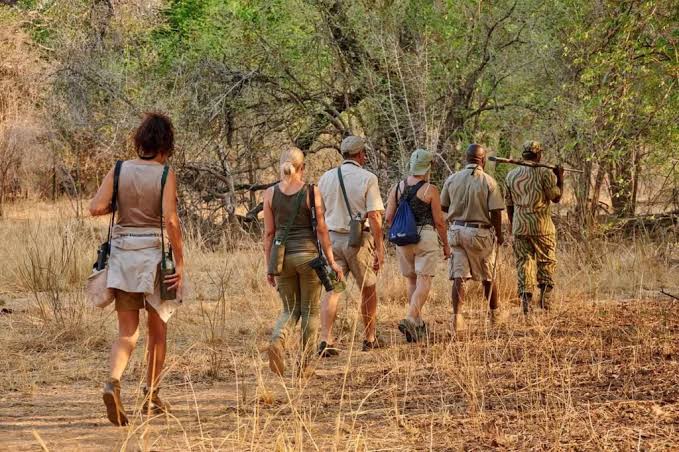
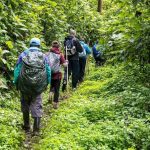
A guided walk gives teenagers a chance to ask how a footprint was made, why animals use a particular path or what is calling from the trees. Lake Mburo National Park in Uganda is a useful option for a savannah walk. If your itinerary takes you to Kibale, consider Bigodi Wetland Sanctuary for a different pace and a focus on birds, monkeys and wetland habitat.
Don’t assume all guided walks have the same age limit or level of difficulty. Ask about the exact route, expected walking time and what the guide does if someone needs to turn back. A short nature trail might suit a family that wouldn’t enjoy several hours on exposed ground. A teenager who plays sport may still prefer an hour of looking for tracks to a long walk with few stops.
Try a boat safari for a change of viewpoint
On Uganda’s Kazinga Channel, for example, a boat outing changes what your teenager can look for and how they see it. Instead of scanning dusty tracks, they can watch the banks for birds or look at how hippos use the water. Ask whether the boat is shared, how long the outing lasts and whether there is shade. Confirm that everyone will have a properly fitting life jacket.
If your teenager likes using a camera, suggest watching one stretch of bank before moving on to the next subject. They might notice where a bird returns to perch or how animals respond as others approach the water. Let the crew choose the viewing distance rather than asking the boat to move closer for a picture.
Choose an activity based on skill, not age alone
A short horseback ride can appeal to teenagers who want to learn a skill rather than spend another morning seated in a vehicle. Borana Conservancy in Kenya is one example of a place that offers riding for different experience levels. Tell the operator what your teenager has actually done before, including whether they’ve ridden outside an arena. Ask for an outing matched to their ability and confirm helmet fit and the applicable restrictions.
If only one person wants to ride, ask what the others can do at the same time. Separate outings can work well if everyone has a clear meeting point and the operator can supervise each activity appropriately.
Check Age Limits Before Promising a Trek
In Uganda, Uganda Wildlife Authority sets a minimum age of 15 for gorilla tracking and 12 for chimpanzee tracking. Check the requirements for the activity you’re booking and use your teenager’s age on the day of the trek. Don’t assume the same minimum applies in another country, or that a lodge which welcomes teenagers can waive a park rule.
Eligibility is only the first question. Ask how steep or slippery the trail can be, how much time your group should allow and what happens if conditions change. If one sibling is too young for a trek, plan an alternative they can look forward to. A guided wetland walk or a birding outing with another adult can be a worthwhile plan in its own right, especially if they help choose it.
A Three-Day Plan That Leaves Room to Change Your Mind
If you have three nights in one safari area, use the arrival afternoon for a short drive if you reach camp in time. Keep it optional if the journey has already taken most of the day. Ask your teenager what felt too short, too long or worth doing again.
On the first full day, take an early game drive and leave the middle of the day free. Let your teenager decide whether they want to join the afternoon outing or stay back with an adult. Check with the camp in advance if you’re sharing a vehicle so the guide knows who is coming.
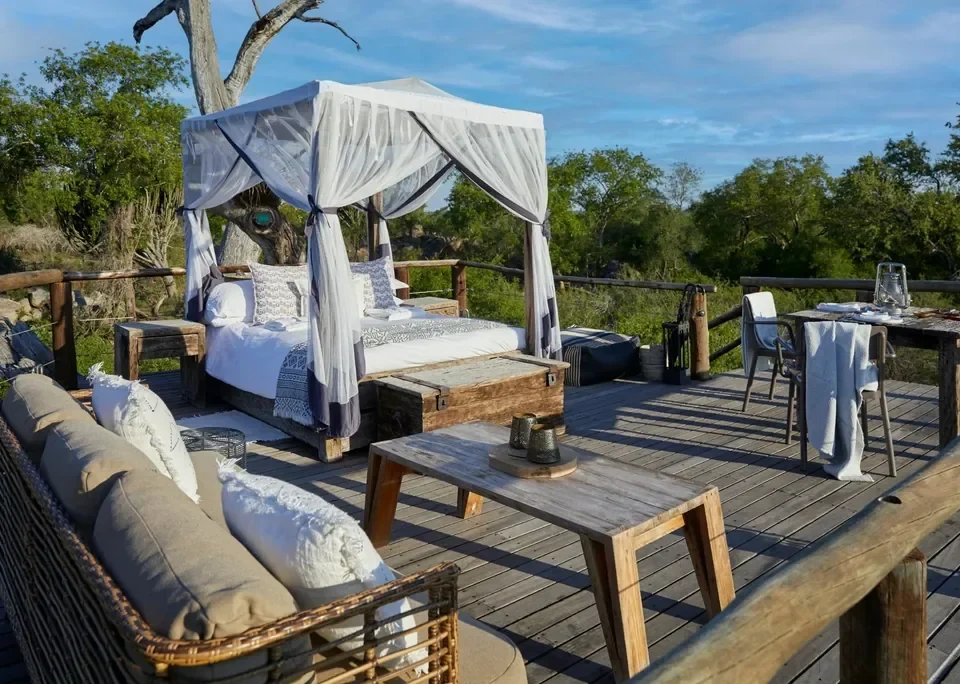
On the second full day, do something different, such as a guided walk, a boat outing or a photography drive that your teenager helped plan. If everyone is tired, keep the evening unscheduled. If the sky is clear and the lodge has an approved viewing spot, spend a little time stargazing after dinner. You don’t need another paid activity to end the day well.
Frequently Asked Questions
Is a private safari vehicle essential for families with teenagers?
No. A well-spaced shared vehicle can work if everyone is happy with the planned pace. Private is worth pricing if your family wants shorter drives, needs particular seating or expects to spend longer at certain sightings. Confirm what the operator can adjust before paying the supplement.
Should teenagers bring a camera or binoculars?
If you only bring one, choose binoculars unless your teenager already loves photography. They can use binoculars to see a bird’s bill, a lion’s ears above the grass or something the guide has pointed out far from the track. A phone is enough for short clips and wider views. If they want to bring a larger camera, check the room available in the vehicle and how they’ll charge it.
What if my teenager doesn’t want to wake up early every day?
Let them choose a morning to sleep in. Protect early starts for the outings they care about most or those that have a fixed reporting time. On other days, a later breakfast followed by a short activity can work better than asking everyone to get in the vehicle at dawn again.