Cape Buffalo: Where and When to See Them in East Africa
Cape buffalo, one of Africa’s Big Five members, offer travelers genuinely reliable sightings across nearly every major East Africa savannah park, though their reputation as one of the continent’s most dangerous animals to encounter on foot makes understanding their behavior, and respecting appropriate distance, genuinely important. This guide covers where the largest herds gather and what makes this often-overlooked Big Five member worth real attention, from herd social structure through to the specific behavior that shapes their fearsome reputation.
Queen Elizabeth National Park, Uganda
Queen Elizabeth hosts substantial buffalo herds across its savannah terrain, offering reliable sightings alongside the park’s other major wildlife draws.
Murchison Falls National Park, Uganda
Murchison Falls supports healthy buffalo populations, often spotted in large mixed herds alongside other savannah wildlife across the park’s grassland areas.
Maasai Mara and Serengeti
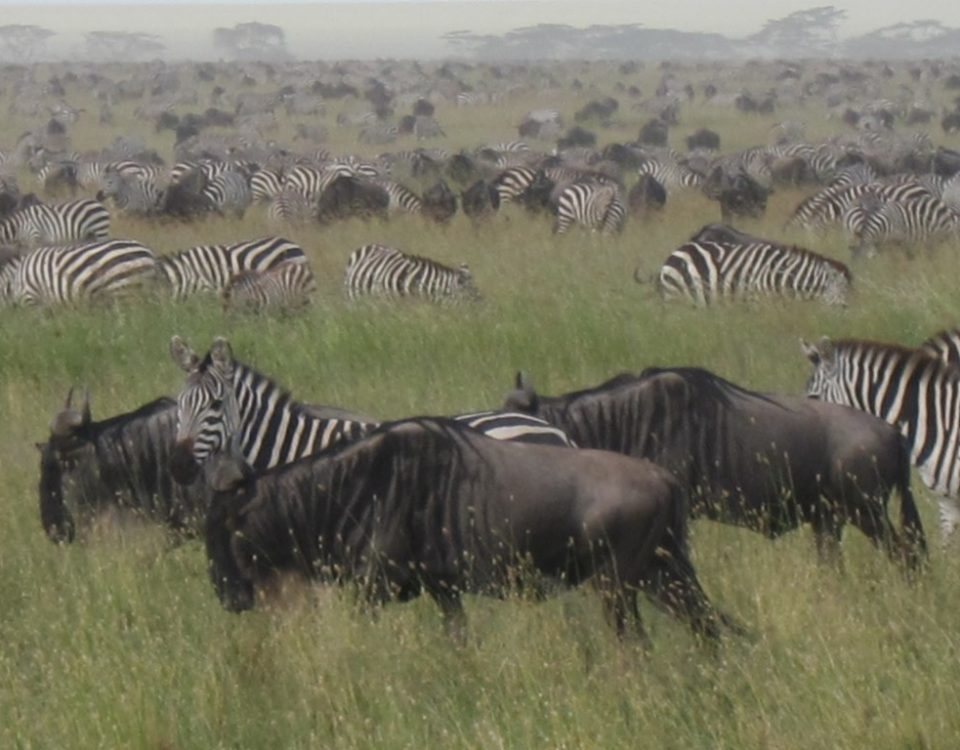
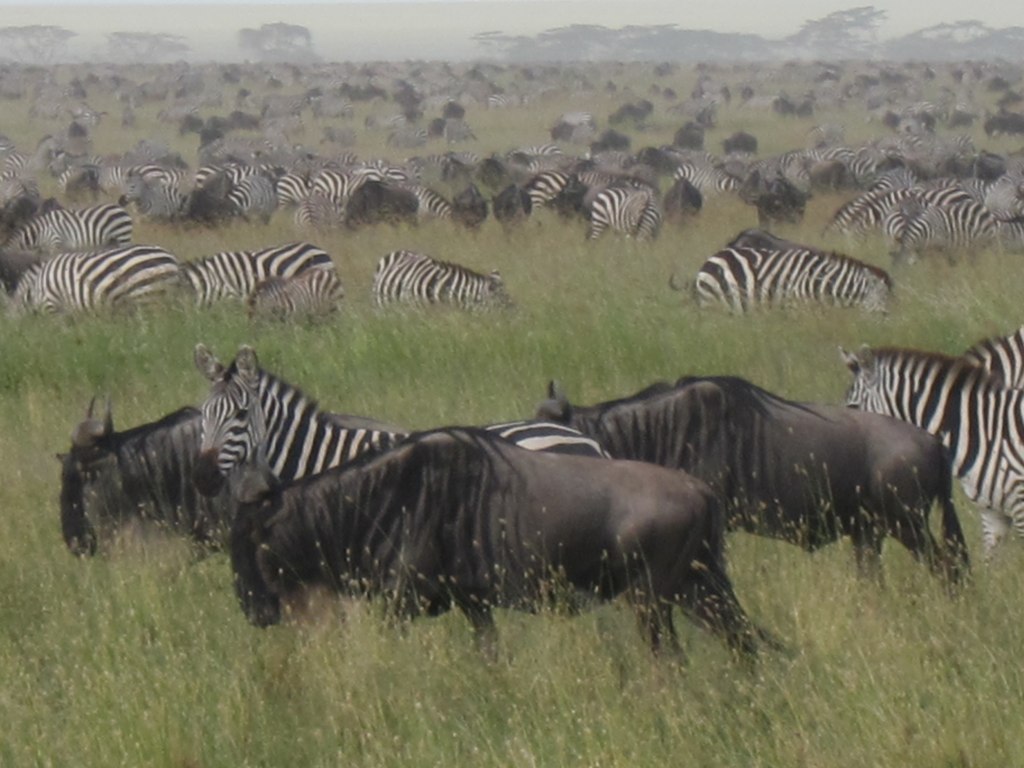
Kenya and Tanzania’s classic plains ecosystems host genuinely massive buffalo herds, sometimes numbering in the hundreds, particularly impressive during dry season concentrations around remaining water sources.
Ngorongoro Crater, Tanzania
The crater’s confined, water-rich ecosystem supports dense buffalo populations, offering reliable, close-range viewing given the crater’s naturally concentrated wildlife.
Why Cape Buffalo Are Considered So Dangerous
Cape buffalo’s genuine reputation for danger stems from their unpredictable temperament, particularly among old solitary bulls, sometimes called ‘dagga boys’, which can display aggressive, defensive behavior when threatened or surprised, a genuine consideration for any walking safari activity.
Herd Structure and Social Behavior
Buffalo typically move in large, cohesive herds offering genuine protection through numbers, with a complex social structure that includes coordinated defense against predators like lions.
Best Time of Year for Buffalo Sightings
Buffalo remain visible year-round given their non-migratory nature within most East Africa parks, though dry season concentrations around water sources generally offer the most dramatic large-herd viewing.
Why Buffalo Deserve More Appreciation
Despite being among the most commonly and reliably seen Big Five members, buffalo are sometimes overlooked by travelers focused on rarer sightings, yet their genuine behavioral complexity and impressive herd dynamics reward real attention.
Buffalo Weight and Sheer Physical Power
An adult Cape buffalo bull can weigh genuinely enormous amounts, with muscular power and a heavy, boss-shaped horn structure capable of inflicting serious damage, physical attributes that underpin both their formidable predator defense and their dangerous reputation among humans encountering them at close range.
Buffalo and Predator Interactions
Watching buffalo herds respond collectively to nearby predator threats, sometimes even mobbing and driving off lions, offers genuinely dramatic behavioral viewing beyond simple grazing observation.
Safety Considerations Around Buffalo
Given their genuine unpredictability, maintaining appropriate vehicle distance and following your guide’s instructions carefully matters considerably more with buffalo than with many other commonly encountered savannah species.
Why ‘Dagga Boys’ Earn Their Nickname
Older male buffalo that have left the main herd, often called dagga boys after the Zulu word for mud given their habit of wallowing, tend to display genuinely more unpredictable, solitary behavior than herd members, making them a specific point of caution for guides during both vehicle-based and walking safari activities.
How Buffalo Herds Coordinate Defense
When threatened by predators, buffalo herds display genuinely impressive collective defense behavior, sometimes forming protective circles around vulnerable calves or actively mobbing an attacking lion, a level of coordinated group defense rarely matched by other savannah herbivores.
How Buffalo Horns Develop and Signal Age
Male buffalo develop a genuinely distinctive fused horn structure called a boss across the forehead as they mature, a feature that thickens and hardens with age, allowing experienced guides to estimate a bull’s approximate age and dominance status at a glance during any sighting.
Why Buffalo Wallow in Mud So Frequently
Beyond simple cooling, buffalo mud wallowing serves a genuinely practical dual purpose, regulating body temperature while also coating the skin in a protective layer against biting insects and sun exposure, behavior worth watching for near water sources during the hotter parts of the day.
How Oxpeckers and Buffalo Share a Mutual Relationship
Buffalo frequently host oxpecker birds that feed on ticks and parasites along their hide, a genuinely mutually beneficial relationship that also provides buffalo with an early warning system, since startled oxpeckers taking flight often alert the herd to approaching danger before it becomes visible.
Why Buffalo Herds Sometimes Number in the Thousands
During peak dry season concentrations in the Serengeti and Maasai Mara specifically, buffalo herds can genuinely swell to remarkable size as multiple smaller groups converge around shrinking water sources, creating some of the most visually striking mass-herd scenes available anywhere on a standard game drive.
Common Questions About Cape Buffalo Sightings
Travelers frequently ask whether buffalo are genuinely more dangerous than lions, and by some measures of unpredictable, close-range aggression toward humans on foot, yes, buffalo’s defensive charges account for a notable share of dangerous wildlife encounters across Africa. Visitors also ask whether buffalo herds are easy to find, and generally yes, given their reliance on grassland and water sources, making them one of the more consistently spotted Big Five members on any standard game drive.
Why This Big Five Member Deserves a Second Look
Beyond their reputation for danger, buffalo herds offer genuinely rich behavioral viewing, complex social bonds, coordinated movement, and dramatic predator interactions, that reward travelers willing to look past their sometimes-overlooked status among the more glamorous Big Five species.
Why Guides Take Buffalo Encounters Seriously on Walking Safaris
Given the genuine risk solitary bulls pose during close-proximity encounters, experienced walking safari guides maintain heightened vigilance and specific protocol around buffalo sightings, treating them with a level of caution that reflects real, well-documented incident history rather than exaggerated caution.
How Buffalo Calves Develop Within the Protective Herd
Young buffalo remain genuinely closely guarded within the center of the herd during their vulnerable early months, protected by the collective vigilance and defensive positioning of surrounding adults, a social safety net that considerably improves calf survival odds compared to more solitary-raising herbivore species.
Why Buffalo Herds Display Genuine Democratic Decision-Making
Research into buffalo herd movement has revealed genuinely fascinating collective decision-making behavior, where individual animals appear to signal directional preference through body orientation, with the herd’s eventual movement reflecting something like a democratic consensus among members rather than pure matriarch-led direction.
How Buffalo Fit Into the Broader Big Five Viewing Experience
Given their genuine reliability compared to rarer Big Five members like leopards or rhinos, buffalo often serve as an early, confidence-building sighting on any dedicated Big Five safari, setting encouraging momentum for the rarer encounters travelers hope to secure later in their trip.
Why Photography of Buffalo Herds Rewards Patience
Beyond simple portrait shots, genuinely compelling buffalo photography captures herd dynamics, oxpecker interactions, or defensive posturing during a predator encounter, images considerably more evocative than a single static individual portrait alone.
How Buffalo Grazing Patterns Shape Grassland Ecology
As bulk grazers consuming substantial quantities of grass daily, buffalo herds play a genuinely significant ecological role shaping grassland structure and composition, influencing conditions for numerous other grazing species sharing the same savannah habitat.
Why Local Guides Bring Essential Expertise to Buffalo Sightings
Given the genuine behavioral unpredictability involved, guides with extensive buffalo experience read herd body language and warning signs with a level of nuance that considerably improves both safety and the overall quality of any close-range sighting.
Why This Species Rewards a Second, More Informed Look
Travelers who take the time to actually understand buffalo social structure and behavior, rather than simply photographing them as a checklist item, consistently discover a considerably more fascinating animal than their sometimes-overlooked Big Five status alone would suggest.
How This Sighting Fits a Complete Big Five Understanding
Appreciating buffalo’s genuine ecological and behavioral complexity adds real depth to understanding why they earned Big Five status in the first place, a designation originally based on hunting difficulty and danger rather than rarity or visual glamour alone.
Why Buffalo Serve as a Genuinely Good Teaching Example
Guides often use buffalo as a genuinely useful teaching example for explaining how the original Big Five designation reflected hunting danger rather than modern popularity, helping travelers understand the historical context behind a term now used primarily for wildlife viewing rather than its original sporting origin.
Why Even Experienced Guides Never Grow Complacent Around Buffalo
Regardless of how many buffalo encounters a guide has safely navigated over their career, genuine professional respect for the species’ unpredictability never fades, a consistent caution that reflects hard-earned field wisdom rather than excessive caution.
How This Species Rounds Out a Complete Safari Understanding
Recognizing buffalo’s genuine complexity alongside the more universally celebrated Big Five members offers travelers a more balanced, accurate picture of African wildlife, one that values behavioral richness and ecological role over simple visual glamour alone.
Planning Your Big Five Safari
Working with an experienced operator to include buffalo-rich parks within your broader East Africa Big Five safari ensures you don’t overlook this genuinely underrated species, and pausing to watch herd dynamics unfold turns a routine sighting into a genuinely rewarding one.
Recommended Tours: 10 Days Ultimate Uganda Gorilla & Big Five Safari | 12-Day Uganda Gorilla Tours and Kenya Great Migration Safaris