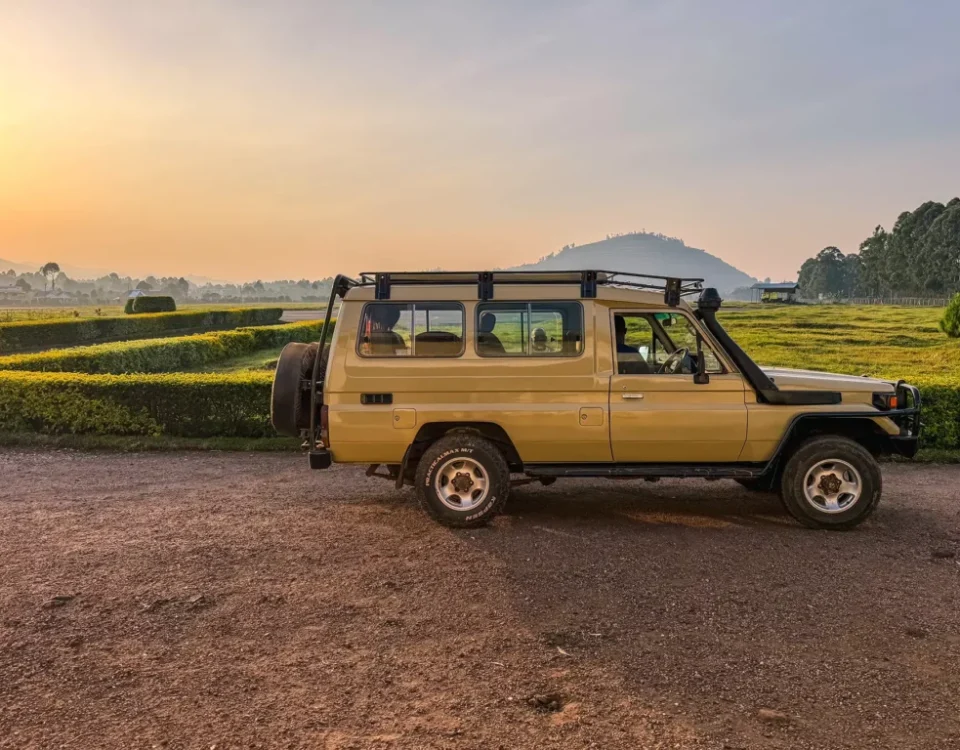
A vehicle window offers a particular kind of safari, one filtered through glass and diesel exhaust, encounters kept at a comfortable, buffered distance. Step outside that vehicle, and the entire experience recalibrates. Sounds carry differently, scale becomes real rather than photographic, and a buffalo herd grazing three hundred meters away commands an attention no drive-by sighting ever quite manages. Tanzania’s best walking safari camps have built their entire model around that recalibration, and a handful of them, scattered across the country’s less-trafficked wilderness areas, do it better than almost anywhere else in Africa.
Why Tanzania Suits Walking Safaris
Walking safaris require a particular combination of low visitor density, armed ranger or guide escort, and wildlife habituated enough to tolerate a human presence on foot without panicking, but not so habituated that animals ignore appropriate caution. Tanzania’s southern circuit parks, in particular Nyerere National Park and Ruaha, alongside the more remote Selous-adjacent wilderness areas, offer exactly this combination, with visitor numbers running a fraction of the northern circuit’s Serengeti and Ngorongoro crowds even during peak season. That relative emptiness matters enormously for walking, since a landscape crossed by dozens of vehicles daily rarely supports the kind of quiet, unhurried wildlife encounters walking safaris are built around.
Nyerere National Park’s Walking Camps
Nyerere, Africa’s largest national park by area and formerly known as Selous Game Reserve before its 2019 redesignation, has built a reputation over decades as one of the continent’s foundational walking safari destinations, predating much of the current interest in foot-based wildlife encounters elsewhere in Africa. Several camps along the Rufiji River and its associated lake system offer guided walks led by professionally licensed walking guides, typically accompanied by an armed ranger as required under Tanzanian park regulations, covering terrain ranging from riverine forest to open miombo woodland. The Rufiji’s abundant hippo and crocodile population, combined with regular sightings of African wild dogs, one of Nyerere’s signature draws given the park’s status as home to one of Africa’s largest remaining wild dog populations, gives walking guides here a particularly rich set of tracks, signs, and encounters to interpret for guests on foot.
Multi-day walking safaris, where guests move between fly-camps set up specifically for a walking itinerary rather than returning to a fixed lodge each night, remain available at a handful of Nyerere operators, offering an experience closer to old-style African foot safaris than the more common single guided walk offered as an add-on activity at most lodges.
Ruaha’s Wilder, Less-Trafficked Walks
Ruaha National Park, Tanzania’s largest national park and a park that receives only a small fraction of the visitor numbers seen in the northern circuit, offers walking safaris across dramatic baobab-studded terrain along the Great Ruaha River. Ruaha’s elephant population, among the largest of any Tanzanian park, along with healthy lion and leopard numbers, gives walking guides here substantial wildlife density to work with despite the park’s remote, still relatively undeveloped tourism infrastructure. Because Ruaha sees so few visitors relative to its size, walking routes here frequently cover ground that may not see another vehicle or walking group for the entire outing, an increasingly rare quality even among Tanzania’s less-visited parks.
A small number of specialist camps in Ruaha have built their entire guest experience around walking rather than treating it as a supplementary activity to vehicle-based game drives, employing guides with years of specific foot-safari training and deep knowledge of the park’s tracking conditions, particularly valuable during the dry season when animal movement concentrates predictably around the shrinking river and its remaining pools.
What Distinguishes a Dedicated Walking Camp
Not every camp offering a guided walk qualifies as a true walking safari specialist. The strongest operators maintain guides with advanced walking-safari certifications, keep walking groups small, typically no more than six guests, and structure their broader camp experience, from game drive scheduling to fly-camp logistics, around maximizing time on foot rather than treating walks as a brief morning add-on between vehicle-based activities.
The Northern Circuit’s More Limited Walking Options
Walking safaris in the northern circuit parks, including the Serengeti and Ngorongoro Crater itself, face tighter restrictions than the southern circuit given higher predator density and considerably heavier visitor traffic, and true walking safaris are generally limited or unavailable within the core game-viewing areas of these parks. Where walking is possible in the north, it tends to be concentrated in specific concession areas or adjacent conservation zones rather than the primary park territory, and typically covers shorter distances focused on smaller wildlife, birdlife, and ecological interpretation rather than the big-game tracking walks more characteristic of the southern circuit. Travelers whose primary interest is walking safaris specifically, rather than a broader mix of walking and vehicle-based game drives, generally find the southern circuit’s Nyerere and Ruaha considerably better suited to that focus.
What a Guided Walk Actually Involves
A typical guided walk departs early, often before sunrise, when temperatures remain cool and animal activity peaks before the heat of the day sends most wildlife into shade. Guides lead at a deliberately unhurried pace, stopping frequently to interpret tracks, dung, and other signs that a passing vehicle would never register, and to explain smaller ecological details, from termite mound structure to specific tree species and their role in the broader ecosystem, that vehicle-based safaris rarely cover in comparable depth. Encounters with dangerous game on foot, while considerably less common than sightings from a vehicle, are managed through strict protocols, maintaining safe distances, moving with the wind in mind to avoid alerting animals to a group’s presence, and relying on the armed ranger’s assessment of when to hold position, retreat, or continue. Most walks last between two and four hours, though multi-day walking itineraries moving between fly-camps can extend the experience across several days for guests specifically seeking that immersive format.
Safety, Training, and What Sets a Professional Walking Guide Apart
Tanzania regulates walking safari guiding more strictly than standard vehicle-based game drive guiding, reflecting the genuinely elevated risk of close, unmediated encounters with elephant, buffalo, lion, and other potentially dangerous species. Guides leading walking safaris in Nyerere, Ruaha, and elsewhere typically hold specific walking-guide certifications beyond the standard driver-guide qualification, involving extended apprenticeship periods under senior guides, rigorous testing on animal behavior and bush safety protocols, and, in most operations, a minimum number of logged walking hours before being cleared to lead guests independently. The armed ranger accompanying most walking groups, a requirement under Tanzania National Parks Authority regulations, serves a distinct role from the guide, focused specifically on managing any dangerous encounter that develops, while the guide’s attention remains on interpretation, route-finding, and overall group management.
Guests new to walking safaris sometimes arrive with an inflated sense of danger drawn from dramatic media portrayals, when in practice a well-run walking safari with an experienced guide and ranger team manages risk through preparation and route selection rather than reactive confrontation. Guides scout wind direction constantly, since most dangerous encounters stem from surprising an animal at close range rather than a deliberate charge, and groups typically give a wide berth to any elephant, buffalo, or big cat spotted well before getting close enough for the animal to feel threatened. This disciplined, unhurried approach is precisely what separates a genuine walking safari from a rushed bush walk offered as an afterthought at a camp better known for its vehicle-based game drives.
Combining Walking With Fly-Camping
The most immersive version of a Tanzanian walking safari involves multi-day fly-camping, where a small mobile camp, often consisting of simple dome tents, a basic mess area, and minimal facilities, is set up specifically along a planned walking route and moved every night or every few nights as the group progresses. This format strips away most of the comforts of a permanent lodge in exchange for an experience considerably closer to historical foot-safari traditions, waking to birdsong rather than a generator, tracking animals across genuinely unfamiliar ground each day rather than repeating a fixed radius around a permanent camp. Fly-camping walking safaris remain a niche offering even within Tanzania’s walking-safari specialist camps, typically requiring advance booking and a minimum group size, but for travelers seeking the most authentic version of the experience, they represent the clearest expression of what walking safaris in Tanzania’s southern circuit were originally built around decades before the concept found wider popularity elsewhere on the continent.
Choosing the Right Camp for a Walking-Focused Safari
Travelers prioritizing walking safaris should look specifically for camps that describe walking as central to their identity rather than a peripheral activity, confirm the qualifications of their walking guides, and consider the balance of walking versus vehicle-based activities offered across a multi-night stay. Fitness level matters more for a walking safari than for a conventional vehicle-based trip, and camps generally ask guests in advance about mobility and stamina to match the pace and distance of planned walks appropriately. Season also affects the experience meaningfully, with the dry months from June through October generally offering the clearest tracking conditions and most concentrated wildlife around remaining water sources, though the shorter, greener grass of the immediate post-rains period in some areas can make certain tracks and signs easier to read for guides working with guests new to bush walking.
For travelers building a broader Tanzania itinerary, pairing a walking-focused stay in Ruaha or the Nyerere-Selous ecosystem with a more conventional vehicle-based circuit through the Serengeti and Ngorongoro offers a genuinely complementary contrast, combining the immersive, slow-paced encounters walking safaris deliver with the higher wildlife density and dramatic scale the northern parks are famous for. Several extended Tanzania safari itineraries now build in dedicated walking time specifically for travelers who want both experiences within a single trip, a combination that has become increasingly popular among repeat visitors to Tanzania looking for something beyond a standard vehicle-based circuit.