What Are Tanzania’s Airport Entry Rules?
Arriving in Tanzania is more than just the beginning of a journey; it is a step into a land alive with wonder, color, and contrast. Whether you’re heading to the plains of the Serengeti to witness the thunderous rhythm of the Great Migration, the white beaches of Zanzibar for rest and renewal, or the rugged slopes of Mount Kilimanjaro to chase new heights, your adventure begins the moment you touch down. But before the magic unfolds, there’s one crucial chapter to get right understanding Tanzania’s airport entry rules. With the right information, your arrival can be as seamless as the sunsets you’ll soon be admiring.
Getting There: International Gateways into Tanzania
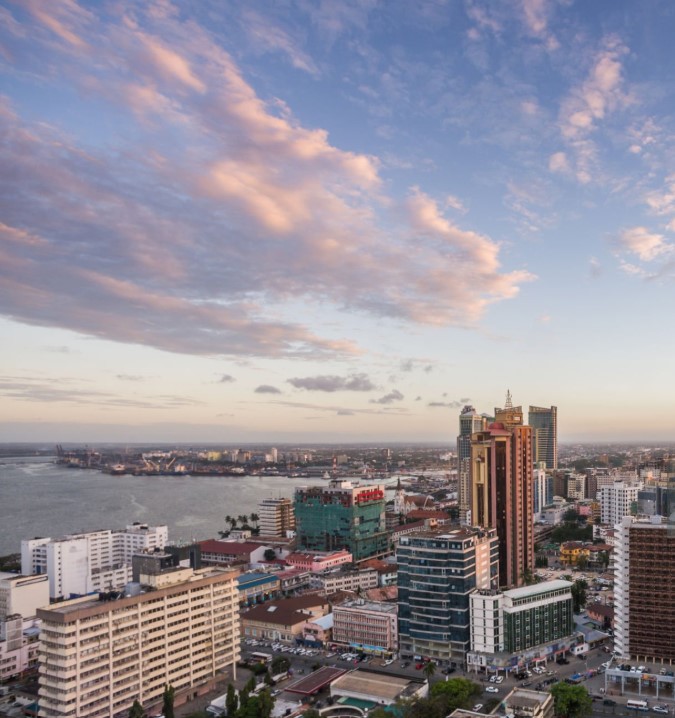
Tanzania has several international airports, but the most commonly used by tourists are Julius Nyerere International Airport (JNIA) in Dar es Salaam, Kilimanjaro International Airport (KIA) near Arusha, and Abeid Amani Karume International Airport (ZNZ) in Zanzibar. These serve as the main points of entry into the country and have well-established immigration procedures.
Passport Requirements: Validity and Blank Pages
Before anything else, ensure your passport is in order. Tanzania requires that your passport be valid for at least six months from the date of entry. Additionally, there should be at least one blank page available for entry stamps. It’s a small detail, but without it, you may be denied entry on arrival. Always double-check this before leaving your home country.
Visa Rules: Do You Need a Visa?
Most travelers to Tanzania do require a visa. Fortunately, the process is fairly straightforward. There are three main options to obtain a visa:
-
Visa on Arrival
Travelers from many countries can obtain a tourist visa upon landing in Tanzania. You’ll need to queue at the immigration desk, present your passport, pay the visa fee (usually $50 USD for most nationalities and $100 USD for U.S. citizens), and provide information about your stay. This process is reliable, but it can sometimes be time-consuming due to long lines. -
eVisa (Online Application)
Tanzania has a robust eVisa system that allows travelers to apply online before their trip. The application can be done via the official Tanzania Immigration website. It takes around 10 working days to process and is highly recommended for those who prefer to arrive with everything sorted. Once approved, you’ll receive an electronic approval letter, which must be presented at immigration. -
Embassy Visa
For those who prefer a more traditional route or who need a specific visa type (like a business or volunteer visa), you can also apply at a Tanzanian embassy or consulate in your home country. This process may vary depending on the embassy’s guidelines.
COVID-19 Entry Protocols (Updated)
As of the most recent updates, Tanzania has eased many of its COVID-19 entry protocols. Here’s what travelers should know:
-
No mandatory quarantine is required for fully vaccinated travelers.
-
Travelers do not need to present a negative PCR test if they are fully vaccinated.
-
Unvaccinated or partially vaccinated travelers may need to present a negative RT-PCR test taken within 72 hours before arrival.
-
It is highly recommended to fill out an online Health Surveillance Form 24 hours before arrival, especially if flying into major international airports.
-
Face masks are encouraged at the airport but are no longer strictly enforced.
Always check with your airline or the official Tanzanian immigration website shortly before departure for the most current health-related guidelines.
Entry Declaration and Customs
Upon arrival, you’ll be required to fill in an entry declaration form. This form typically asks for your basic personal information, reason for visit, address in Tanzania, and duration of stay. Customs procedures in Tanzania are generally smooth. You are allowed to bring in personal items duty-free, including reasonable amounts of clothing, electronics, and personal hygiene items.
However, bringing in drones requires special permission, and the import of certain medications and wildlife products (like ivory) is strictly prohibited. Always declare valuables, professional equipment, and large sums of money if applicable.
Yellow Fever Certificate: Is It Required?
One of the most important health requirements to consider is the Yellow Fever Vaccination Certificate. Tanzania only requires proof of vaccination if you are arriving from a country with a risk of yellow fever transmission. This includes many countries in Africa and South America.
If you are flying directly from Europe, North America, or most of Asia, you do not need to show proof of yellow fever vaccination. However, if your journey includes a layover of more than 12 hours in a yellow fever-endemic country, the certificate will be required.
Travel Insurance and Entry
While not mandatory, having travel insurance is highly recommended. Tanzanian officials won’t ask for proof of insurance upon arrival, but in the event of a medical emergency, theft, or cancellation, your insurance will be your safety net. Some high-end safari lodges and tour operators even require proof of travel insurance.
Entry for Minors
If you’re traveling with children, ensure they have individual passports. While there are no complicated requirements for minors, some additional documents like a notarized letter of consent may be needed if one parent or guardian is traveling alone with a child. This is particularly important for travelers coming from countries where child trafficking prevention regulations are stringent.
Immigration Experience: What to Expect Upon Arrival
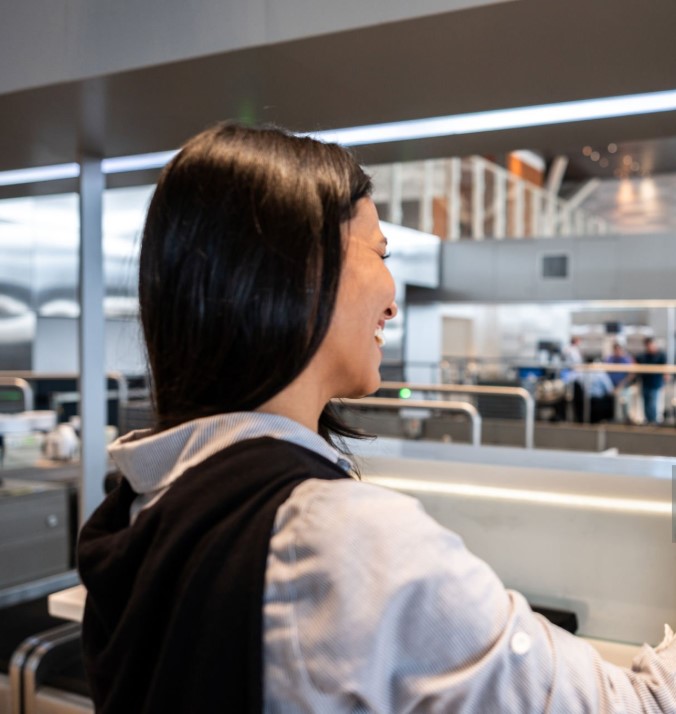
Upon disembarking, you’ll head to immigration where you present your passport, visa (if pre-approved), and completed entry form. The officers are generally courteous and efficient, but like in many developing countries, patience is key. Be polite, make eye contact, and have your documents ready.
Once through immigration, you’ll collect your baggage and pass through customs. Baggage screening is random but not overly invasive. From there, you can proceed to your connecting flight, hotel shuttle, or arranged transport.
Currency Rules
You are allowed to bring in any amount of foreign currency, but amounts exceeding $10,000 USD must be declared. The Tanzanian Shilling (TZS) is the local currency, but U.S. dollars are widely accepted, especially for park fees, accommodations, and safaris. Make sure any U.S. bills you bring are issued after 2009-older notes are often rejected by local banks and businesses.
Final Thoughts: Welcome to Tanzania
Entering Tanzania is not just about crossing a border. It’s about stepping into a different rhythm of life, where the earth feels ancient, and every moment carries the weight of stories told in the rustle of acacia trees or the roar of a lion. With the right preparation valid passport, correct visa, and awareness of entry protocols you ensure your journey starts without stress.
Tanzania’s airport entry rules are straightforward, but being prepared can transform your arrival from a process into a warm welcome. And once you’re in, the magic truly begins. From sunrises over savannahs to the scent of spices in Stone Town, Tanzania is ready to embrace you. All you have to do is arrive ready and informed.
How to Prepare for Climbing Kilimanjaro
Preparing well is the single most important factor in successfully summiting Mount Kilimanjaro. Unlike technical mountaineering peaks, Kilimanjaro requires no ropes or climbing equipment – but it does demand cardiovascular fitness, mental resilience, and proper acclimatization. Start your preparation at least three months before your climb.
Begin with regular cardiovascular training including hiking, running, cycling, and stair climbing. Aim to hike with a loaded backpack on uneven terrain at least once a week. Strength training focusing on legs and core will help significantly on the steep sections, particularly the Barafu or Stella Point approaches to the summit.
Sleep at altitude before your climb if possible. Even a weekend at a mountain lodge at 3,000m will help your body begin to adapt. On the mountain, the golden rule is “pole pole” – slowly, slowly. Rushing is the most common cause of altitude sickness and failed summits.
Kilimanjaro Routes Compared
There are seven official routes up Kilimanjaro, each with different scenery, difficulty levels, and summit success rates. The most popular routes are:
- Machame Route (6-7 days): Known as the “Whiskey Route” for its challenging terrain, Machame is the most scenic and has a good acclimatization profile. Success rate: ~85% on 7-day itinerary.
- Lemosho Route (7-8 days): Starting from the west, Lemosho offers the most diverse scenery and the best acclimatization profile. Fewer crowds. Success rate: ~90%.
- Marangu Route (5-6 days): The only route with hut accommodation. Called the “Coca-Cola Route,” it is the shortest but has the lowest success rate (~65%) due to insufficient acclimatization time.
- Rongai Route (6-7 days): The only route approaching from the north, near the Kenyan border. Drier and less crowded, with good wildlife sightings in the lower zone.
- Northern Circuit (9 days): The longest route with the highest success rate (~95%). Circles the entire northern hemisphere of the mountain before the summit push.
Recommended Tours: 6 Days Kilimanjaro Hiking Safari | 6 Days Tanzania Wildlife Safari