
When we ask, “What’s Uganda’s currency?”, the straightforward answer is the Ugandan Shilling (UGX). But beyond its name and value, the Ugandan Shilling represents something far greater—a symbol of national pride, economic resilience, and the unwavering spirit of the Ugandan people.
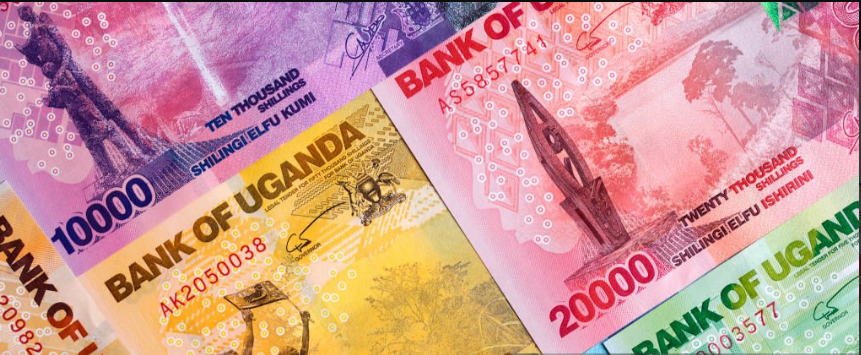
In this article, we will explore the history, significance, and inspirational journey of Uganda’s currency, uncovering how it reflects the nation’s struggles, triumphs, and aspirations. Whether you’re a traveler, an economist, or someone seeking motivation from a nation’s financial journey, the story of the Ugandan Shilling will leave you inspired.
The Birth of Uganda’s Currency: A Historical Perspective
Before independence in 1962, Uganda, like many African nations under colonial rule, used the East African Shilling. However, after gaining sovereignty, Uganda introduced its own currency—the Ugandan Shilling—in 1966, marking a crucial step in asserting its economic identity.
This shift was more than just a change in banknotes; it was a declaration of self-reliance. The new currency bore the images of Uganda’s wildlife, landscapes, and national heroes, embedding the nation’s heritage into everyday transactions.
Currency Through Turbulent Times
The journey of the Ugandan Shilling has not been smooth. The 1970s and 1980s were particularly challenging, with hyperinflation, political instability, and economic mismanagement severely devaluing the currency. At one point, the Ugandan Shilling was nearly worthless, and people struggled to afford basic necessities.
Yet, just as Uganda rebuilt itself after years of conflict, the Ugandan Shilling also regained strength. Through economic reforms, disciplined fiscal policies, and international partnerships, Uganda stabilized its currency, proving that resilience can overcome even the toughest financial crises.
The Symbolism of Uganda’s Currency: More Than Just Money
Every note of the Ugandan Shilling tells a story:
-
The 1,000 Shilling Note features the majestic Crested Crane, Uganda’s national bird, symbolizing grace and endurance.
-
The 5,000 Shilling Note displays the iconic Independence Monument, a reminder of Uganda’s hard-fought freedom.
-
The 50,000 Shilling Note honors the late Nobel Peace Prize winner Wangari Maathai, celebrating environmental conservation and women’s empowerment.
These designs are not random; they are carefully chosen to inspire patriotism and remind Ugandans of their shared values and history.
The Economic Impact
A stable currency is the backbone of any thriving economy. Over the past two decades, Uganda has made significant strides in maintaining the value of the Ugandan Shilling, attracting foreign investment, and fostering trade within the East African Community.
Farmers, entrepreneurs, and business owners rely on the stability of the Ugandan Shilling to plan for the future. When the currency holds its value, dreams become achievable—school fees are paid, businesses expand, and families prosper.
Lessons from Uganda’s Currency: Resilience and Hope
The story of the Ugandan Shilling teaches us powerful life lessons:
-
Resilience in Adversity – Just as Uganda’s currency recovered from near-collapse, we too can bounce back from setbacks with determination.
-
Identity Matters – A currency is more than paper; it represents a nation’s soul. Similarly, our personal values define who we are.
-
Stability Leads to Growth – Financial discipline, whether in a nation or an individual’s life, creates opportunities for success.
-
Pride in Progress – Every small step toward economic stability is a victory worth celebrating.
The Future of Uganda’s Currency: A Vision of Prosperity
As Uganda embraces digital banking and mobile money, the Ugandan Shilling continues to evolve. The rise of fintech innovations ensures that even remote villages can participate in the economy, further strengthening the nation’s financial inclusion.
The dream is clear: a Uganda where the Shilling is not just a medium of exchange but a catalyst for prosperity, innovation, and unity.
What’s Uganda’s Currency? A Testament to Strength
So, when someone asks, “What’s Uganda’s currency?”, we now know it’s more than just the Ugandan Shilling—it’s a living testament to resilience, pride, and the unyielding spirit of a nation that refuses to be defined by its past struggles.
Whether you are Ugandan or simply an admirer of inspiring stories, let the journey of Uganda’s currency remind you that with perseverance, even the most battered economies—and individuals—can rise again.
The Ugandan Shilling is not just money; it’s a symbol of hope. And in that hope lies the promise of a brighter future.
Uganda Travel Guide — The Pearl of Africa
Uganda is one of Africa’s most rewarding and underrated destinations. Winston Churchill’s description of Uganda as the “Pearl of Africa” — inspired by its extraordinary combination of landscapes, wildlife, and people — remains as apt today as when he coined it in 1908. The country packs an astonishing range of experiences into a relatively compact area: snow-capped mountains, vast savannahs, dense tropical rainforests, the source of the Nile, and some of the world’s most remarkable wildlife.
Uganda shares borders with Kenya, Tanzania, Rwanda, the Democratic Republic of Congo, and South Sudan, and sits astride the equator in East-Central Africa. The capital, Kampala, is a vibrant, growing city that serves as the gateway to Uganda’s national parks. Most wildlife safaris begin and end in Kampala or at Entebbe International Airport, 45 minutes south of the city.
Uganda’s Key National Parks and Wildlife Areas
- Bwindi Impenetrable Forest: UNESCO World Heritage Site and home to over half the world’s mountain gorillas. Four trekking sectors: Buhoma, Ruhija, Rushaga, and Nkuringo.
- Queen Elizabeth National Park: Uganda’s most visited park, famous for tree-climbing lions in the Ishasha sector, boat cruises on the Kazinga Channel, and diverse savannah and forest habitats.
- Murchison Falls National Park: Uganda’s largest park, home to the world’s most powerful waterfall. Excellent for elephants, giraffes, buffalo, hippos, crocodiles, and shoebill storks on the Nile.
- Kibale Forest National Park: The world’s best chimpanzee trekking destination, also home to 12 other primate species and superb birdwatching.
- Kidepo Valley National Park: Uganda’s most remote and arguably most spectacular park, bordering South Sudan. Wild, untouched, and home to species found nowhere else in Uganda including cheetahs and caracals.
- Mgahinga Gorilla National Park: In the Virunga Mountains, offering gorilla trekking, golden monkey trekking, and volcano hiking in a compact, accessible park.
Practical Uganda Travel Information
Visa and entry requirements
Uganda offers an e-visa for most nationalities, applied online at visas.immigration.go.ug. East African Community citizens are exempt. The East Africa Tourist Visa (covering Uganda, Kenya, and Rwanda) is available at the point of entry. A yellow fever vaccination certificate is mandatory for entry.
Currency and costs
The Ugandan Shilling (UGX) is the local currency. USD is widely accepted in tourist areas. Mid-range safari lodges cost USD 150–350 per person per night. Budget accommodation in Kampala starts from USD 20–40. Gorilla permits (USD 800) are the single largest expense for most visitors.
Getting around Uganda
Most visitors use private safari vehicles (included in tour packages) or hire a driver-guide. Public minibus taxis (matatus) connect major towns but are not suitable for wildlife areas. Charter flights from Entebbe to Kihihi, Kisoro, Kasese, or Pakuba significantly reduce overland travel times on longer itineraries.
Recommended Tours: 9 Days Uganda Wildlife Safari | 7 Days Uganda Safari