Ugandan Food Guide: Must-Try Dishes and Where to Eat Them (2026)
Uganda’s cuisine is not flashy-it is soulful, grounded, and deeply tied to the land. Every meal tells a story of fertile soils, slow cooking, and generations of tradition. From roadside grills in Kampala to homesteads across the countryside, Ugandan food is about warmth, generosity, and bold simplicity.
In this 2026 guide, we explore the dishes that define Uganda-and where to experience them at their most authentic.
The Essence of Ugandan Food
Ugandan meals are built on a comforting rhythm: a hearty starch paired with a rich sauce. Matoke, posho, cassava, rice, or millet form the base, while groundnut sauce, beans, greens, or slow-cooked meats bring depth and flavor.
The magic lies not in complexity-but in freshness, patience, and balance.
Must-Try Ugandan Dishes
Matoke (Matooke): Uganda’s Culinary Soul
Soft, steamed green bananas mashed into a tender, almost buttery consistency, matoke is the backbone of central Ugandan cuisine. It is often served with groundnut sauce, beef stew, or fresh beans.
Where to try it:
- 2K Restaurant – Known for consistent, authentic local plates
- Faze 3 Restaurant – A favorite for generous portions and variety
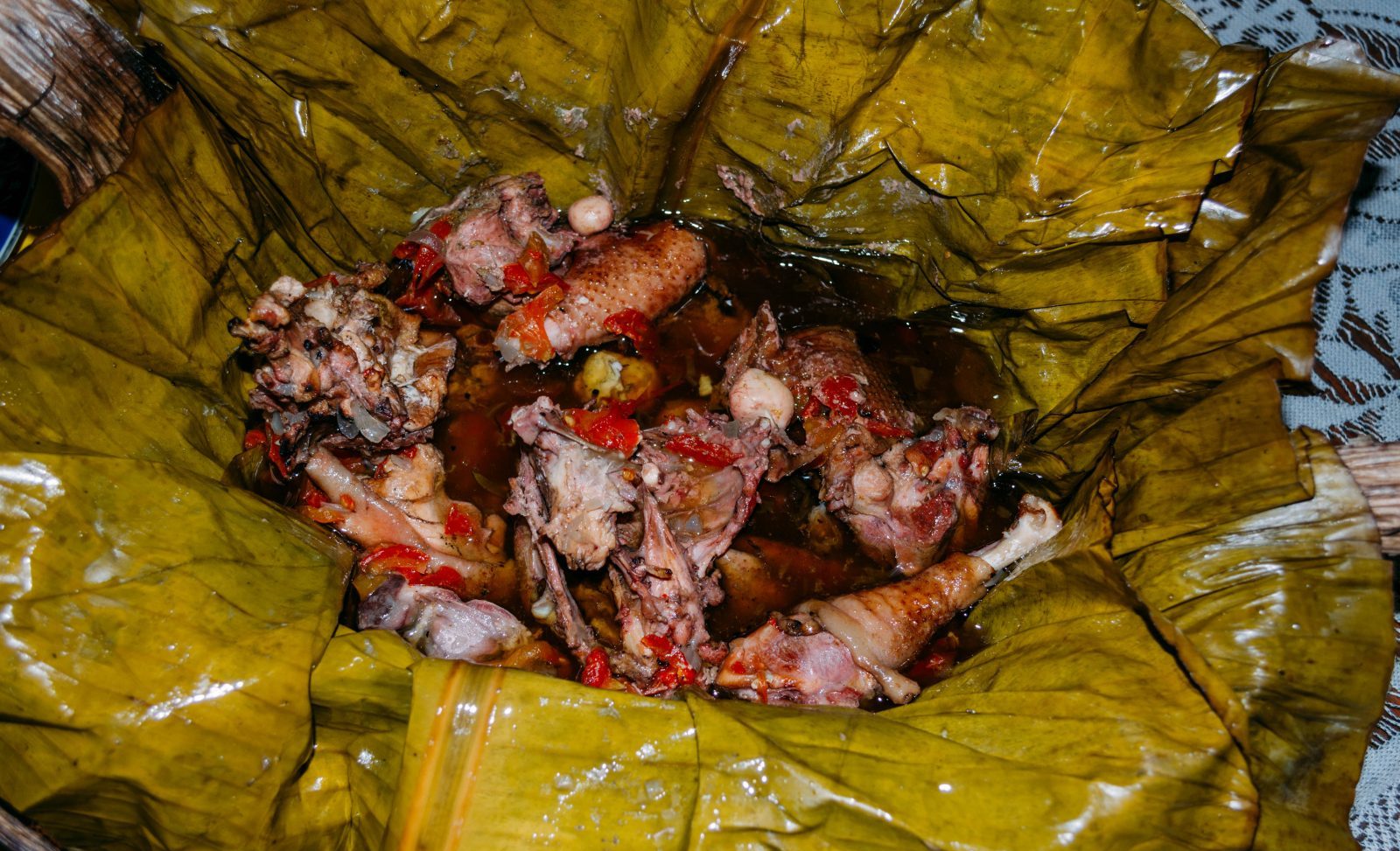
Luwombo
Luwombo: A Royal Stew
A dish with roots in the Buganda Kingdom, luwombo is slow-cooked in banana leaves, allowing chicken, beef, or groundnuts to absorb a rich, earthy aroma.
Where to try it:
- The Lawns Restaurant – Elegant setting with a refined take on tradition
- Garden City Rooftop Restaurant – A modern take on Ugandan classics
Rolex: Uganda’s Street Food Icon
Not a watch-but a rolled chapati filled with eggs, vegetables, and sometimes meat. It’s fast, affordable, and everywhere.
Where to try it:
- Street stalls across Kampala, especially around Wandegeya and Ntinda
Posho and Beans: The Everyday Classic
Simple yet deeply satisfying, posho (maize meal) paired with beans is a staple across homes, schools, and local eateries.
Where to try it:
- Local Markets and Eateries – Authentic and budget-friendly experiences
Muchomo (Grilled Meat): Uganda’s Social Food
Goat or beef grilled over open flames, chopped into bite-sized pieces, and served with kachumbari. Best enjoyed with friends and a cold drink.
Where to try it:
- Nomad Bar & Grill – Popular for nyama choma vibes
- Car Wash Restaurant – A legendary spot for grilled meats
Groundnut Sauce: The Flavor Backbone
Rich, nutty, and deeply comforting, groundnut sauce accompanies many Ugandan meals-from matoke to sweet potatoes.
Where to try it:
- 2K Restaurant
- Faze 3 Restaurant
Where to Eat Ugandan Food in 2026
For a refined local dining experience, The Lawns Restaurant offers beautifully prepared traditional dishes in a serene garden setting. If you want variety and consistency, Faze 3 Restaurant and 2K Restaurant remain top choices for both locals and visitors.
For a more lively, social atmosphere, grilled meat lovers flock to Car Wash Restaurant and Nomad Bar & Grill, where the aroma of charcoal and spice fills the air.
And for something truly authentic, nothing beats the roadside-where the best rolex is often found at the busiest stalls.
Final Taste of Uganda
Ugandan food is not about trends-it’s about connection. It is shared on wooden tables, wrapped in banana leaves, and served with a sense of home. Whether you’re enjoying a carefully prepared luwombo or grabbing a quick rolex on a bustling street, each bite carries the spirit of Uganda.
In 2026, the country’s food scene continues to grow, blending tradition with modern dining-but never losing its soul.
Uganda Travel Guide – The Pearl of Africa
Uganda is one of Africa’s most rewarding and underrated destinations. Winston Churchill’s description of Uganda as the “Pearl of Africa” – inspired by its extraordinary combination of landscapes, wildlife, and people – remains as apt today as when he coined it in 1908. The country packs an astonishing range of experiences into a relatively compact area: snow-capped mountains, vast savannahs, dense tropical rainforests, the source of the Nile, and some of the world’s most remarkable wildlife.
Uganda shares borders with Kenya, Tanzania, Rwanda, the Democratic Republic of Congo, and South Sudan, and sits astride the equator in East-Central Africa. The capital, Kampala, is a vibrant, growing city that serves as the gateway to Uganda’s national parks. Most wildlife safaris begin and end in Kampala or at Entebbe International Airport, 45 minutes south of the city.
Uganda’s Key National Parks and Wildlife Areas
- Bwindi Impenetrable Forest: UNESCO World Heritage Site and home to over half the world’s mountain gorillas. Four trekking sectors: Buhoma, Ruhija, Rushaga, and Nkuringo.
- Queen Elizabeth National Park: Uganda’s most visited park, famous for tree-climbing lions in the Ishasha sector, boat cruises on the Kazinga Channel, and diverse savannah and forest habitats.
- Murchison Falls National Park: Uganda’s largest park, home to the world’s most powerful waterfall. Excellent for elephants, giraffes, buffalo, hippos, crocodiles, and shoebill storks on the Nile.
- Kibale Forest National Park: The world’s best chimpanzee trekking destination, also home to 12 other primate species and superb birdwatching.
- Kidepo Valley National Park: Uganda’s most remote and arguably most spectacular park, bordering South Sudan. Wild, untouched, and home to species found nowhere else in Uganda including cheetahs and caracals.
- Mgahinga Gorilla National Park: In the Virunga Mountains, offering gorilla trekking, golden monkey trekking, and volcano hiking in a compact, accessible park.
Practical Uganda Travel Information
Visa and entry requirements
Uganda offers an e-visa for most nationalities, applied online at visas.immigration.go.ug. East African Community citizens are exempt. The East Africa Tourist Visa (covering Uganda, Kenya, and Rwanda) is available at the point of entry. A yellow fever vaccination certificate is mandatory for entry.
Currency and costs
The Ugandan Shilling (UGX) is the local currency. USD is widely accepted in tourist areas. Mid-range safari lodges cost USD 150-350 per person per night. Budget accommodation in Kampala starts from USD 20-40. Gorilla permits (USD 800) are the single largest expense for most visitors.
Getting around Uganda
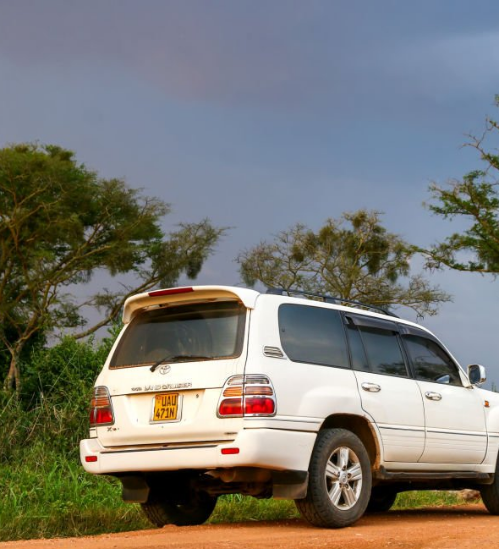
Most visitors use private safari vehicles (included in tour packages) or hire a driver-guide. Public minibus taxis (matatus) connect major towns but are not suitable for wildlife areas. Charter flights from Entebbe to Kihihi, Kisoro, Kasese, or Pakuba significantly reduce overland travel times on longer itineraries.
Recommended Tours: 9 Days Uganda Wildlife Safari | 7 Days Uganda Safari