Deposit and Payment Terms for Safari Bookings: What Is Normal?
Booking an African safari often requires paying money before your holiday begins. Whether you are planning gorilla trekking in Uganda, wildlife viewing in Kenya, a Serengeti safari in Tanzania or a holiday in Rwanda, understanding payment arrangements is essential.
Many safari companies request an advance deposit to secure accommodation, transport, permits and other services. However, deposit amounts and payment deadlines differ between operators.
Understanding deposit and payment terms for safari bookings helps you plan your budget, recognise reasonable booking conditions and avoid unnecessary financial risks.
Some companies request a 30% deposit, while others require 40% or 50%. Gorilla trekking permits, domestic flights and certain luxury accommodations may require full advance payment.
A deposit is not automatically refundable, and paying does not always mean every service has been confirmed.
What Is a Safari Booking Deposit?
A safari booking deposit is an advance payment made towards the total cost of your holiday.
Tour operators use deposits to reserve accommodation, arrange transport, purchase permits and confirm other services.
For example, when booking a seven-day Uganda safari, your operator may need to secure lodge rooms several months before your arrival.
Some suppliers require immediate payment before confirming reservations.
Your deposit therefore helps the operator meet these commitments.
However, you should receive clear written information explaining how the deposit will be used and when your booking becomes confirmed.
How Much Deposit Is Normal for an African Safari?
There is no single deposit percentage required across Uganda, Kenya, Tanzania and Rwanda.
Published safari booking policies commonly include deposits between approximately 25% and 50% of the total holiday price.
A 30% deposit is a frequently advertised arrangement, but 40% or 50% is also used.
Some operators require additional advance payments for wildlife permits or flights.
Common Safari Deposit Arrangements
| Deposit Amount | Typical Arrangement |
|---|---|
| 25% | Offered by some safari operators |
| 30% | Common advance booking arrangement |
| 40% | Used for certain packages or group bookings |
| 50% | Used by some operators and accommodation providers |
| 100% | May apply to short-notice bookings or specific services |
These figures are examples of published commercial policies, not government-mandated rates.
Always follow the payment schedule stated in your confirmed booking agreement.
Example: Paying for a $3,000 Safari
Suppose you book a safari costing USD 3,000 per person.
Your deposit depends on the operator’s policy.
| Deposit Percentage | Initial Payment | Remaining Balance |
|---|---|---|
| 25% | $750 | $2,250 |
| 30% | $900 | $2,100 |
| 40% | $1,200 | $1,800 |
| 50% | $1,500 | $1,500 |
For a 30% deposit, you would initially pay USD 900.
The remaining USD 2,100 would become payable according to your agreed schedule.
These calculations exclude transaction charges and any separately payable services.
When Is the Final Safari Balance Due?
Many safari operators require the remaining balance approximately 30–60 days before departure.
Some companies require payment 90 days ahead, particularly for peak-season travel or specialised arrangements.
Others allow different schedules for private groups.
Common Payment Deadlines
| Booking Situation | Possible Payment Arrangement |
|---|---|
| Several months before departure | Initial deposit, followed by later balance |
| 60 days before departure | Full balance due under many policies |
| 30 days before departure | Final deadline under some policies |
| Short-notice reservation | Full payment when confirming |
| Permit-dependent safari | Additional advance permit payment |
Your operator should specify exact payment dates on the invoice.
Avoid relying on verbal agreements.
Why Do Safari Companies Require Advance Payments?
Safari operators often purchase services from several independent suppliers.
These may include national park authorities, safari lodges, domestic airlines and transport providers.
Some suppliers require non-refundable payments to secure bookings.
For example, a lodge may request an advance payment during the busiest travel months.
A domestic airline may require full payment before issuing tickets.
Advance deposits help operators coordinate these arrangements.
However, a reasonable commercial explanation does not remove the need for transparent booking conditions.
Gorilla Trekking Permit Payment Terms
Gorilla trekking requires special attention because permits are limited and subject to official booking procedures.
In Uganda, the Uganda Wildlife Authority requires full payment when purchasing gorilla and chimpanzee tracking permits through its applicable booking arrangements.
Tour operators may therefore request the entire permit cost alongside a separate safari deposit.
For example, your operator might request a 30% safari deposit plus full payment for permits that are not already included in that deposit.
Ask for a clear breakdown to avoid paying twice.
What Should You Confirm?
Before paying for gorilla permits, ask whether the requested trekking date has availability.
Confirm the destination, permit cost and booking procedure.
Request written confirmation after the permits have been purchased.
Remember that permit cancellation, transfer and refund rules may differ from the operator’s general safari conditions.
Are Safari Deposits Refundable?
Refundability depends on the written booking contract and applicable consumer protection laws.
Some companies describe deposits as entirely non-refundable.
Others permit partial refunds after deducting confirmed supplier expenses.
For example, a cancellation made four months before travel may have different consequences from one made five days before departure.
Always read the cancellation policy before making your first payment.
Do not assume you will automatically recover your deposit if your plans change.
Understanding Safari Cancellation Charges
Safari cancellation charges commonly increase as the departure date approaches.
This happens because accommodation providers, airlines and activity suppliers may impose their own cancellation penalties.
Consider the following illustrative arrangement.
| Cancellation Timing | Possible Consequence |
|---|---|
| More than 90 days ahead | Deposit or documented charges may apply |
| 60–90 days ahead | Partial cancellation charge |
| 30–59 days ahead | Higher cancellation charge |
| Within 30 days | Substantial or full charge possible |
| Failure to arrive | Often no refund |
This table illustrates possible policies, not universal rules.
Your signed agreement determines the stated commercial terms, subject to applicable law.
What Happens if the Safari Operator Cancels?
The consequences depend on why the operator cancels and what your contract provides.
A company cancellation caused by operational problems may be treated differently from a disruption caused by severe weather, park closures or other circumstances beyond its control.
Ask whether the operator will offer alternative dates, replacement services or a refund.
Also confirm what happens if your replacement accommodation is cheaper than the property originally booked.
Any proposed changes should be documented.
Avoid accepting vague promises about future refunds.
Can You Pay for Your Safari in Instalments?
Some operators accept instalment payments.
For example, you may agree to pay 30% when booking, another 30% several weeks later and the remaining 40% before departure.
This arrangement can help distribute costs.
However, instalments should follow a documented schedule.
Ask whether late payments attract penalties or could result in cancellation.
Confirm whether previous payments become non-refundable after particular deadlines.
Common Safari Payment Methods
Safari companies may accept several payment methods.
These include international bank transfers, credit cards, debit cards and authorised online payment services.
Some companies accept mobile money or local payments.
Each method has different processing times, charges and protection arrangements.
Comparing Safari Payment Methods
| Payment Method | Main Consideration |
|---|---|
| Bank transfer | Verify beneficiary details carefully |
| Credit card | Potential dispute protections, subject to conditions |
| Debit card | Protection depends on issuer and payment network |
| Online payment platform | Check legitimacy and transaction fees |
| Mobile money | Confirm the registered recipient |
| Cash | Obtain an official receipt |
Never send substantial payments to an unfamiliar account without verification.
Are Credit Card Charges Normal?
Some safari companies add payment processing fees when customers use cards.
These charges vary according to the provider and transaction arrangements.
However, payment surcharges may be restricted by applicable laws or card network rules.
Ask for the complete amount before approving payment.
For example, a quoted safari price of USD 4,000 could become USD 4,120 if an applicable 3% processing charge is added.
Confirm whether the charge is permitted and whether alternative payment options are available.
Paying in US Dollars or Local Currency
Many East African safari companies quote international travel packages in US dollars.
However, some accept payments in Uganda shillings, Kenyan shillings, Tanzanian shillings or Rwandan francs.
Exchange rates may influence the final amount you pay.
Before transferring money, confirm the invoice currency and exchange rate arrangements.
Also establish who pays international bank charges.
Avoid informal currency conversions that are not documented.
How to Verify Payment Details
Before paying, verify the safari operator’s legal identity and bank account information.
A professional invoice should identify the company and the services being purchased.
Check that account details match information confirmed through a trusted communication channel.
Be particularly careful if someone suddenly announces new payment instructions.
Fraudsters sometimes impersonate legitimate travel companies through email or messaging applications.
Confirm unexpected changes independently before sending money.
Questions to Ask Before Paying
Use these questions when reviewing your booking:
- What percentage deposit is required?
- Is the deposit refundable?
- When must the balance be paid?
- Are wildlife permits included?
- Which accommodation reservations are confirmed?
- What happens if I cancel?
- Can I change my travel dates?
- Are payment processing charges included?
- What happens if the operator cancels?
- Will I receive an official receipt?
Written answers provide a useful record if disagreements arise.
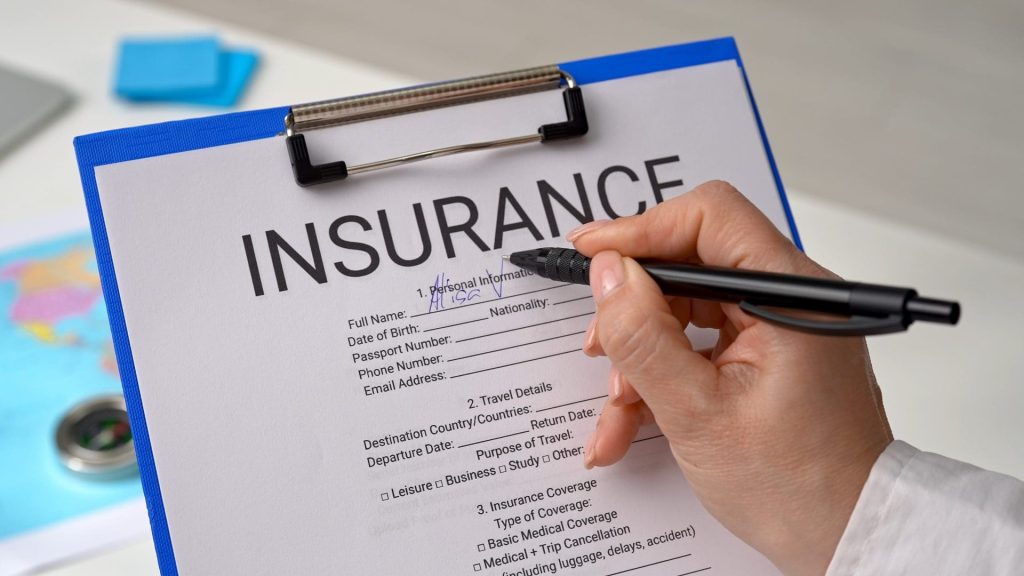
Travel Insurance and Safari Deposits
Travel insurance may protect certain prepaid holiday expenses when you cancel for a reason covered by your policy.
However, ordinary travel insurance does not cover every change of plan.
Some policies exclude cancellation simply because you no longer wish to travel.
Check coverage for medical emergencies, travel disruption and supplier failure where available.
Purchase suitable insurance early enough to meet the policy’s eligibility conditions.
Read exclusions carefully.
Common Payment Mistakes to Avoid
Travellers sometimes pay deposits before checking the operator’s legitimacy.
Others overlook cancellation rules or assume advertised prices include every activity.
Avoid paying without a detailed invoice.
Do not send money based entirely on social media messages.
Keep receipts and booking confirmations.
Confirm that your deposit has been received and that the relevant reservations have been made.
Frequently Asked Questions
Is a 30% Safari Deposit Normal?
Yes. A 30% deposit is used by many safari operators, although other percentages are also common.
Is a 50% Deposit Too High?
Not necessarily. Some operators require 50%, particularly when suppliers demand substantial advance payments. Verify the company and contract.
Can I Pay the Balance on Arrival?
Some operators may permit this, but many require full payment before departure. Confirm the arrangement in writing.
Are Gorilla Permits Paid Separately?
Sometimes. Operators may request full permit payment alongside the normal safari deposit.
What Happens if I Miss a Payment Deadline?
Your operator may cancel the reservation or apply contractual charges. Contact the company immediately to discuss available options.
Understanding deposit and payment terms for safari bookings helps you plan your holiday finances and avoid preventable disputes.
Deposits between approximately 25% and 50% are commonly advertised, while final balances are often due 30–60 days before departure.
Gorilla permits and other specialised services may require additional advance payments.
Before paying, verify your operator, review cancellation conditions and request a detailed invoice.
Clear written arrangements provide greater confidence when booking safaris across Uganda, Kenya, Tanzania and Rwanda.