
Group Size on Safari: Private, Small Group, or Large Tour?
Choosing the right group size is an important decision when planning an African safari. Whether you are travelling to Uganda, Kenya, Tanzania or Rwanda, the number of people sharing your safari vehicle can affect your comfort, costs, wildlife viewing opportunities and daily activities.
Some travellers prefer private safaris because they offer flexibility and personal attention. Others enjoy small-group tours because they provide opportunities to meet people while sharing expenses.
Larger group safaris can also be suitable for families, students, friends and organisations travelling together.
Understanding group size on safari helps you choose an arrangement that matches your budget, interests and preferred travel experience.
What Does Group Size Mean on Safari?
Safari group size refers to the number of travellers participating in a particular tour.
However, the number of people booked on a safari does not always equal the number travelling in one vehicle.
For example, a group of twelve travellers may use two safari vehicles carrying six passengers each.
The arrangement depends on vehicle capacity, available seating and the tour operator’s policy.
Common Safari Group Sizes
| Safari Type | Typical Group Size | Main Characteristic |
|---|---|---|
| Private safari | 1–6 travellers | Exclusive vehicle and flexible itinerary |
| Small-group safari | 4–8 travellers | Shared transport and planned activities |
| Medium-group safari | 9–15 travellers | Multiple vehicles may be required |
| Large-group safari | 16 or more travellers | Organised transport and group schedules |
These are general examples rather than official industry classifications.
Always confirm the maximum number of participants before booking.
1. What Is a Private Safari?
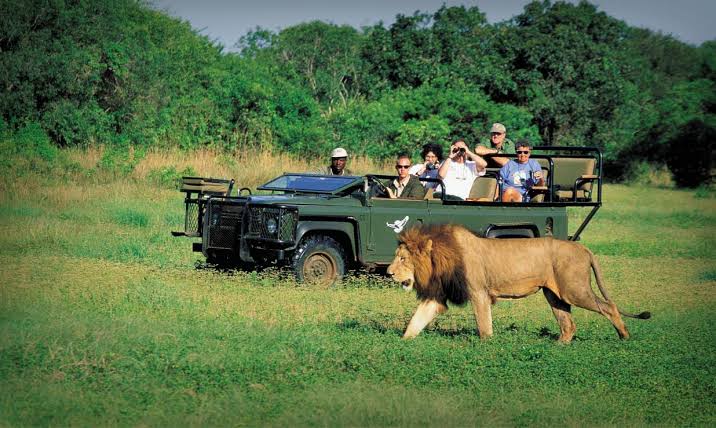
A private safari is an arrangement where you book a vehicle and guide exclusively for yourself or your travelling companions.
You do not share your vehicle with unrelated travellers.
Private safaris are popular among couples, families, photographers and visitors seeking personalised travel arrangements.
For example, two people visiting Queen Elizabeth National Park may book a private 4×4 vehicle for game drives and other activities.
Advantages of Private Safaris
Private safaris provide greater control over your daily schedule.
You can discuss preferred departure times, rest stops and wildlife interests with your guide.
If you enjoy birdwatching, your guide may allocate more time to suitable habitats.
Families can also arrange shorter game drives when children become tired.
Other benefits include privacy, flexible accommodation choices and additional space for photography equipment.
Disadvantages of Private Safaris
Private safaris often cost more per person when only one or two travellers participate.
This happens because fewer people share the vehicle, guide and transport expenses.
However, private safaris can become comparatively affordable when four or more people travel together.
2. What Is a Small-Group Safari?
A small-group safari involves several travellers joining a scheduled tour.
Participants share transport, guiding services and selected activities.
In East Africa, small groups commonly include approximately four to eight travellers, although operators define their own limits.
Small-group safaris are popular among solo travellers, couples and friends.
Advantages of Small-Group Safaris
Sharing transport can reduce the cost per person.
You may also meet travellers with similar interests.
Small groups can encourage conversation and shared wildlife experiences.
For example, six travellers exploring the Maasai Mara may share the cost of one suitable safari vehicle.
A smaller group is generally easier to organise than a large tour.
Disadvantages of Small-Group Safaris
You may have less control over the daily schedule.
Other passengers may prefer different wildlife sightings or activities.
For example, one traveller may want to spend twenty minutes photographing lions, while another wants to continue searching for elephants.
The guide must balance everyone’s interests.
Respectful communication helps prevent disagreements.
3. What Is a Large-Group Safari?
A large-group safari normally involves more than fifteen travellers.
Such tours are common among school groups, extended families, organisations and groups of friends.
Larger safaris may require several vehicles and guides.
Participants usually follow a shared itinerary.
Advantages of Large-Group Safaris
Large tours can create opportunities for social interaction.
Certain fixed expenses may be shared among more participants.
Group organisers may also negotiate accommodation or transport arrangements.
Large safaris can work well for educational travel, family celebrations and organised community trips.
Disadvantages of Large-Group Safaris
Large groups require more coordination.
Meal arrangements, departures and accommodation check-ins may take longer.
Different interests and physical abilities can make scheduling difficult.
Wildlife viewing may also require careful coordination between vehicles.
For these reasons, experienced tour management becomes particularly important.
Private vs Small Group vs Large Safari
| Feature | Private Safari | Small Group | Large Group |
|---|---|---|---|
| Privacy | High | Moderate | Lower |
| Schedule flexibility | High | Limited | Usually limited |
| Cost per person | Often higher | Often lower | Varies |
| Social interaction | Your companions | Other travellers | Many participants |
| Photography flexibility | High | Shared positions | Depends on vehicles |
| Organisation | Usually simple | Moderate | More complex |
| Ideal travellers | Couples and families | Solo travellers and friends | Schools and organisations |
No single arrangement is best for everyone.
The right choice depends on your priorities.
4. How Group Size Affects Safari Prices
Transport is a major expense in many East African safari packages.
Operators must cover vehicle hire, fuel, guiding and maintenance.
When more travellers share these costs, the individual price may decrease.
Example Safari Vehicle Costs
Suppose a private safari vehicle and guide cost USD 250 per day.
| Number of Travellers | Illustrative Cost Per Person |
|---|---|
| 1 | $250 |
| 2 | $125 |
| 4 | $62.50 |
| 5 | $50 |
| 6 | $41.67 |
These figures are hypothetical and cover only the assumed vehicle-and-guide cost.
Accommodation, meals, park entrance fees and permits are additional expenses.
Larger groups do not always produce lower prices because they may require additional vehicles.
5. How Group Size Affects Wildlife Viewing
Wildlife viewing quality depends on vehicle arrangements, guide experience and passenger behaviour.
In smaller vehicles, travellers may have easier access to windows and roof openings.
However, a well-organised larger group can also enjoy excellent sightings.
Ask whether every passenger receives a window seat.
This is especially important when photographing wildlife.
Avoid operators who promise unlimited passenger capacity inside vehicles designed for fewer people.
Comfort and safe seating should take priority.
6. Which Group Size Is Best for Photography?
Wildlife photographers often prefer private safaris.
A private vehicle allows photographers to discuss suitable positions and spend additional time observing animals.
For example, photographing a leopard resting in a tree may require patience.
Other travellers may prefer moving on sooner.
Small photography-focused groups can also work well when participants share similar interests.
Before booking, ask about roof access, available space and equipment storage.
7. Choosing Group Size for Families
Families often benefit from private arrangements.
Parents can adjust activities according to their children’s ages and needs.
Young children may require additional toilet breaks, snacks or shorter drives.
A private vehicle also allows families to travel without disturbing unrelated passengers.
However, family groups should still respect vehicle capacity and child restraint requirements.
For extended families, several vehicles may be necessary.
8. Group Size for Solo Travellers
Small-group safaris are often convenient for solo travellers.
Sharing transport reduces certain expenses and provides opportunities to meet people.
However, check whether the operator charges a single-room supplement.
A shared vehicle does not necessarily mean shared accommodation.
Some travellers prefer private rooms despite joining group activities.
Confirm room arrangements before paying.
9. Group Size for Gorilla Trekking
Gorilla trekking has specific visitor limits.
In Uganda, a maximum of eight visitors may visit one habituated gorilla family during a standard trekking encounter.
This limit applies even when travellers arrive on a larger organised safari.
For example, twelve travellers booking together cannot all join the same gorilla family visit.
They may need to be divided between different trekking groups, subject to permit availability.
Importantly, booking a private safari vehicle does not automatically provide a private gorilla trekking experience.
The relevant wildlife authority manages trekking group assignments.
10. Group Size for Boat Safaris
Boat safaris are popular in Murchison Falls National Park and Queen Elizabeth National Park.
Some operators provide shared scheduled departures.
Others offer private boats for families or small groups.
The number of passengers depends on the vessel’s licensed capacity and safety arrangements.
Ask about seating, life jackets and boarding facilities.
Never select a boat that exceeds its permitted passenger capacity.
11. Does Group Size Affect Accommodation?
Yes. Accommodation arrangements become more complicated as group size increases.
A couple may require one room, while a group of eighteen could need several rooms across different categories.
Popular safari lodges may have limited room availability.
Large groups should therefore book early.
Ask whether everyone will stay at the same property.
If accommodation must be divided between lodges, request an explanation of transport arrangements.
12. Questions to Ask Before Booking
Before selecting a safari, ask your operator:
- What is the maximum group size?
- How many passengers share each vehicle?
- Does everyone have a window seat?
- Is the vehicle private or shared?
- Can travellers request different activities?
- Are accommodation rooms private?
- Who decides departure times?
- What happens if someone becomes unwell?
- Are children permitted on the tour?
- Can the itinerary be modified?
Clear answers help you compare safari packages accurately.
13. Which Safari Group Size Should You Choose?
Choose a private safari if privacy, photography opportunities and flexible schedules are your main priorities.
Consider a small-group safari when you want to reduce expenses and enjoy meeting other travellers.
A large-group safari may be appropriate when organising a family reunion, school trip or company holiday.
Whatever you choose, confirm vehicle capacity, guiding arrangements and included services.
Frequently Asked Questions
Are Private Safaris Better Than Group Safaris?
Private safaris provide greater flexibility, but small-group safaris may offer better value for travellers comfortable with shared schedules.
How Many People Fit in a Safari Land Cruiser?
Capacity depends on the vehicle’s configuration. Many safari vehicles accommodate approximately six or seven guests, but you should verify the specific arrangement.
Can Solo Travellers Join Group Safaris?
Yes. Many operators offer scheduled group departures suitable for solo travellers.
Can Large Groups Go Gorilla Trekking Together?
Groups exceeding the permitted visitor limit must be divided into separate trekking groups, subject to available permits.
Are Small-Group Safaris Cheaper?
Often, but not always. Prices depend on accommodation, activities, transport and the number of paying participants.
Choosing the right group size on safari can improve comfort, wildlife viewing and overall travel satisfaction.
Private safaris offer flexibility and privacy, while small-group tours combine shared costs with opportunities to meet other travellers.
Large-group safaris can suit organisations and extended families when properly coordinated.
Compare vehicle arrangements, accommodation, prices and activity restrictions before booking.
The best safari group size is the one that suits your interests, budget and preferred travelling style