Safari Insurance Claims: What to Document if a Trip Is Disrupted
An African safari is an exciting travel experience, but unexpected problems can sometimes interrupt your holiday. Flight cancellations, illness, lost luggage, road accidents and severe weather may affect your itinerary or create additional expenses.
Understanding safari insurance claims helps you prepare for these situations and protect your travel investment.
Whether you are visiting Uganda, Kenya, Tanzania or Rwanda, keeping accurate documents can make an important difference when submitting a travel insurance claim.
Insurance companies generally require evidence explaining what happened, when it happened and how much money you lost.
Without suitable documentation, even a potentially valid claim may become difficult to process.
What Is a Safari Travel Insurance Claim?
A safari travel insurance claim is a formal request for payment under your travel insurance policy following a covered incident.
Depending on your policy, eligible incidents may include medical emergencies, trip cancellations, missed departures, lost luggage and certain unexpected travel delays.
However, insurance does not automatically cover every inconvenience.
Your insurer will assess the circumstances against your policy’s coverage, exclusions, financial limits and reporting requirements.
For example, a cancelled flight may qualify for assistance under certain conditions, while voluntarily changing your travel plans may not.
Always review your policy before departure.
1. Keep Your Original Safari Booking Documents
Your booking documents provide the foundation for many insurance claims.
They establish the original travel arrangements and the amounts you agreed to pay.
Before departure, save copies of:
- Your safari itinerary.
- Tour operator invoice.
- Booking confirmation.
- Accommodation reservations.
- Flight tickets.
- Wildlife activity permits.
- Payment receipts.
- Cancellation conditions.
- Travel insurance certificate.
Keep both electronic and offline copies.
If your safari is interrupted, these documents can help establish which services were affected.
2. Document Flight Cancellations and Delays
International and domestic flights are important parts of many East African safaris.
For example, a delayed arrival at Entebbe International Airport might cause you to miss a scheduled domestic flight or an overnight accommodation booking.
When your flight is disrupted, request written confirmation from the airline.
The confirmation should ideally include the scheduled departure time, actual departure time and reason for the disruption.
Evidence to Collect
Keep your original ticket, boarding pass, airline notifications and revised travel arrangements.
Save receipts for additional meals, transport and accommodation.
Ask the airline whether you qualify for a refund, replacement flight or other assistance.
Your insurer may require evidence of what the airline has already reimbursed.
3. Keep Medical Reports and Treatment Receipts
Illness or injury can interrupt safari activities, particularly in remote national parks.
If you receive medical treatment, ask the healthcare provider for a written report.
The report should explain the diagnosis, treatment and relevant dates.
For medical claims, retain:
- Hospital or clinic invoices.
- Consultation receipts.
- Prescriptions.
- Medication receipts.
- Medical certificates.
- Diagnostic test results.
- Discharge documents.
If your doctor advises you to cancel planned activities, request written confirmation explaining why.
Contact your insurer’s emergency assistance service promptly, particularly before expensive treatment or medical evacuation when circumstances allow.
Do not delay emergency medical care while seeking approval.
4. Document Missed Gorilla Trekking Activities
Gorilla trekking is a major attraction in Uganda and Rwanda.
Permits can be expensive, and cancellations may involve strict conditions.
If illness or another disruption prevents you from trekking, notify your safari operator immediately.
Ask whether the responsible wildlife authority permits any refund, rescheduling or alternative arrangement.
Important Documents
Keep your permit confirmation, payment receipt and original trekking date.
If illness prevents participation, obtain a medical report.
Request written information about any refund offered or refused.
Remember that insurance coverage depends on the reason for missing the activity and your specific policy.
A missed gorilla trek is not automatically refundable.
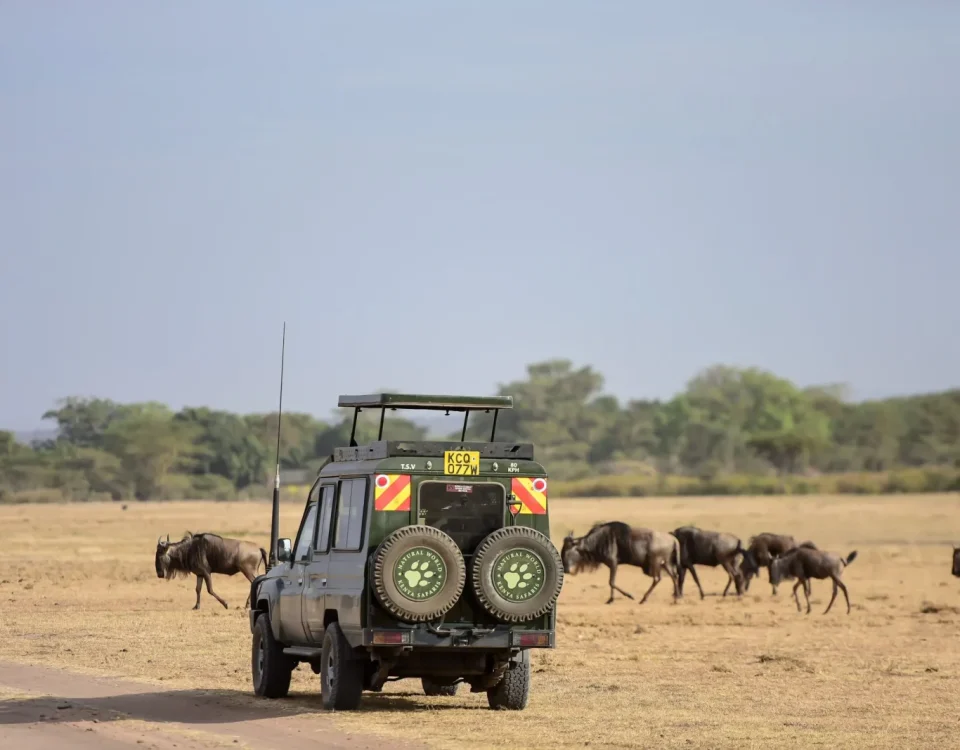
5. Record Safari Vehicle Breakdowns
Safari vehicles regularly travel along remote roads and uneven tracks.
Mechanical breakdowns occasionally cause delays or changes to planned activities.
If a breakdown interrupts your itinerary, record the date, location and approximate duration.
Ask your safari operator to explain the disruption in writing.
Keep evidence of any additional expenses.
For example, you might need replacement transport or an unexpected overnight stay.
However, vehicle breakdowns are not covered under every insurance policy.
Some situations remain the tour operator’s contractual responsibility.
6. Document Lost or Delayed Luggage
Lost luggage can create difficulties when arriving for a wildlife safari.
You may need replacement clothing, toiletries or other essential items.
If your baggage does not arrive, report the problem to the airline before leaving the airport.
Request a Property Irregularity Report or equivalent written reference.
Save receipts for reasonable emergency purchases.
Keep photographs and proof of ownership for valuable equipment.
When your luggage arrives, record the delivery date.
Airline reporting deadlines can be short, so act promptly rather than waiting until your safari ends.
7. Report Theft and Lost Property
Camera equipment, telephones, passports and personal belongings can be expensive to replace.
If property is stolen, report the incident to the local police as soon as it is safe.
Request a written police report and reference number.
Prepare a list of missing items with estimated values.
Where possible, provide original purchase receipts or other ownership records.
Contact your insurer for reporting instructions.
Remember that policies may exclude unattended property or impose limits on valuable equipment.
8. Keep Records of Weather Disruptions
Heavy rain, flooding and other weather conditions can sometimes affect safari travel.
Certain roads may become difficult to use, or activities may be cancelled for safety reasons.
If your itinerary changes, request written confirmation from the tour operator.
Record which services were cancelled and which alternatives were provided.
Keep evidence of additional costs.
Weather-related losses are not automatically covered.
Some policies exclude particular natural events or require specific circumstances before benefits apply.
Safari Insurance Claim Documentation Checklist
| Incident | Important Evidence |
|---|---|
| Flight cancellation | Airline confirmation and tickets |
| Medical emergency | Medical reports and invoices |
| Missed wildlife activity | Permit and cancellation confirmation |
| Vehicle breakdown | Operator report and additional receipts |
| Lost luggage | Airline baggage report |
| Theft | Police report and proof of ownership |
| Weather disruption | Operator confirmation |
| Trip cancellation | Booking documents and cancellation charges |
| Emergency evacuation | Medical records and assistance authorisation |
Your insurer may request additional documentation depending on the incident.
9. Record Every Additional Expense
Unexpected travel problems often create additional costs.
These may include hotel rooms, meals, airport transfers or replacement transport.
Keep itemised receipts showing dates, amounts and services purchased.
For example, if a cancelled flight requires an additional hotel night costing USD 120, retain the hotel invoice and proof of payment.
Do not assume your insurer will accept a bank statement alone.
Only claim expenses that are accurate, relevant and eligible under your policy.
10. Contact Your Insurance Company Early
Many insurers require prompt notification after an incident.
Some policies specify reporting deadlines, particularly for medical assistance, theft and cancellations.
Contact the insurer as soon as reasonably possible.
Provide your policy number and a brief explanation.
Ask which documents are required and how to submit them.
Record your claim reference number.
Keep copies of correspondence, including emails and written decisions.
11. Understand Refunds From Safari Operators
Before submitting an insurance claim, establish whether your safari operator, airline or accommodation provider owes you a refund.
Insurance generally does not reimburse expenses already recovered elsewhere.
For example, if a lodge refunds USD 300 for unused accommodation, you normally cannot claim that same USD 300 again.
Ask suppliers to confirm refunds and cancellation charges in writing.
Submit this information with your claim.
Different consumer protection rules may apply depending on your booking arrangements and country of purchase.
12. Keep a Simple Incident Timeline
A clear timeline helps your insurer understand what happened.
Write down the date, time, location and sequence of important events.
Include when you contacted your operator, airline or medical provider.
For example:
10 June: Flight cancelled at 4:00 pm.
10 June: Airline offered replacement departure the following morning.
10 June: Additional hotel accommodation purchased.
11 June: Replacement flight departed.
Attach supporting documents to each event.
This makes your claim easier to review.
13. Submit Your Claim Carefully
Follow your insurer’s claims procedure.
Complete all required fields accurately.
Upload readable copies of documents and provide an explanation connecting the disruption to your financial losses.
Check that claimed amounts match your receipts.
Do not exaggerate expenses or alter supporting evidence.
Keep original records until your claim is fully resolved.
If the insurer requests additional information, respond within the stated deadline.
14. What if Your Insurance Claim Is Rejected?
A rejected claim does not always mean the decision is final.
Ask the insurer for a written explanation identifying the relevant policy terms.
Review whether evidence is missing or whether the insurer misunderstood the circumstances.
If necessary, submit additional documents.
You may also use the insurer’s formal complaints procedure.
Depending on the insurer’s jurisdiction, an independent financial complaints organisation may be available.
Avoid assuming that every rejected claim qualifies for compensation.
Frequently Asked Questions
What Documents Are Needed for Safari Insurance Claims?
Common documents include booking confirmations, payment receipts, medical reports, airline notices and written evidence of disruptions.
Can I Claim for a Missed Gorilla Trek?
Possibly, depending on your policy, the reason for missing the trek and any refund available from the permit issuer.
Does Insurance Cover Safari Vehicle Breakdowns?
Some policies may cover qualifying travel disruption costs. However, ordinary breakdowns are not universally covered.
Should I Contact My Insurer During the Safari?
Yes. Prompt communication is particularly important for medical emergencies, cancellations and significant unexpected expenses.
Can I Claim Without Original Receipts?
Some insurers accept alternative evidence, but itemised receipts generally provide stronger support.
Preparing for safari insurance claims begins before your holiday.
Keep booking confirmations, permits, receipts and insurance documents organised.
If your trip is disrupted, record the incident promptly and request written confirmation from the relevant provider.
Contact your insurer, follow reporting deadlines and keep accurate financial records.
Whether travelling through Uganda, Kenya, Tanzania or Rwanda, good documentation can make the claims process clearer and help you recover eligible losses.