Rwandan Cuisine Guide: Traditional Dishes, Street Food and Restaurants (2026)
Rwandan cuisine is simple, grounded, and closely tied to the country’s agricultural landscape. Known as the “Land of a Thousand Hills,” Rwanda produces abundant bananas, beans, sweet potatoes, cassava, maize, and fresh vegetables that form the backbone of everyday meals. Food is not heavily spiced or complex; instead, it emphasizes freshness, balance, and natural flavor.
For visitors, eating in Rwanda is an opportunity to understand daily life through its staples, street foods, and evolving restaurant culture—especially in Kigali, where traditional cooking meets modern dining.
This guide explores Rwanda’s most important dishes, street food culture, and the best places to experience authentic Rwandan cuisine.
Understanding Rwandan Food Culture
Rwandan meals are typically built around starches and legumes. A standard plate often includes boiled bananas (matoke), sweet potatoes, cassava, rice, or ugali-like maize porridge, paired with beans, peas, vegetables, or meat.
Unlike heavily spiced cuisines, Rwandan food relies on slow cooking, natural sweetness, and light seasoning. Groundnut (peanut) sauce and bean stews are especially important, providing richness and protein.
Meals are usually shared at home or eaten in informal eateries known as “local restaurants,” which serve buffet-style or pre-plated dishes.
Isombe: Rwanda’s Most Iconic Dish
Isombe is one of the most traditional Rwandan dishes. It is made from cassava leaves cooked slowly with groundnut paste, onions, and sometimes fish or meat.
The result is a thick, green, nutrient-rich stew with a slightly earthy flavor. It is commonly eaten with rice, bananas, or cassava.
You will find excellent versions of isombe in traditional restaurants across Kigali, especially in local buffets and family-style eateries.
Isombe represents the heart of Rwandan home cooking—simple ingredients transformed through slow preparation.
Ugali and Staple Carbohydrates
Ugali (locally known as “posho” in neighboring countries) is made from maize flour and water, cooked into a firm dough-like consistency. It is eaten with vegetables, beans, or meat stews.
Other staples include:
Boiled green bananas
Sweet potatoes
Cassava
Rice
These carbohydrates form the base of nearly every meal and are designed to be filling and energy-rich.
Beans: The Everyday Protein
Beans are a cornerstone of Rwandan cuisine. They are cooked in tomato-based sauces and often paired with rice, bananas, or ugali.
Simple but nutritious, beans are eaten daily in many households and are a reliable source of protein for much of the population.
In Kigali, beans are commonly served in local restaurants and buffets, often alongside vegetables and starches.
Brochettes: Rwanda’s Street Food Favourite
Brochettes are one of the most popular street foods in Rwanda. They consist of skewered meat—usually beef, goat, or fish—grilled over charcoal and served with onions and chili sauce.
They are widely available in bars, street stalls, and small restaurants across the country.
In the evenings, brochette stands become social hubs where locals gather to eat, drink, and relax.
For some of the best experiences, explore nightlife areas in Kigali where grilled meat culture is especially strong.
Sambaza and Lake Fish
Fish is an important part of Rwandan cuisine, especially from lakes such as Lake Kivu and Lake Muhazi. One of the most famous types is sambaza—small sardine-like fish that are fried and eaten whole.
Fish is typically served fried, grilled, or stewed, often accompanied by plantains or rice.
Lake-side towns offer some of the freshest fish dishes in the country, making them ideal for culinary exploration outside the capital.
Matoke and Plantains
Green bananas, known as matoke, are widely consumed in Rwanda. They are boiled, mashed, or steamed and served with sauces or stews.
Matoke is mild in flavor but very filling, making it a staple in many households. It is often paired with beans or meat dishes.
Its importance in Rwandan cuisine reflects the country’s agricultural reliance on banana cultivation.
Ugandan Influence and Regional Overlap
Rwanda shares culinary similarities with Uganda and parts of the Democratic Republic of Congo. Dishes like beans, matoke, and groundnut sauce are common across the region, though each country has its own variations.
However, Rwandan food tends to be slightly less oily and less heavily spiced compared to neighboring cuisines.
Street Food Culture in Kigali
Street food in Kigali is clean, organized, and increasingly regulated compared to many other African cities.
Popular street foods include:
Brochettes
Roasted maize
Mandazi (fried dough)
Fried plantains
Samosas
Night markets and roadside grills are especially active in the evening, offering affordable and freshly prepared meals.
Rwandan Cuisine Guide
Traditional Restaurants and Buffets
Local restaurants in Rwanda often operate buffet-style, allowing diners to choose from a variety of dishes including beans, rice, vegetables, meat stews, and starches.
These eateries are the best places to experience authentic Rwandan food in one sitting.
They are common throughout Kigali and other towns, and they reflect the communal nature of Rwandan dining.
Modern Dining in Kigali
In recent years, Kigali has developed a growing fine-dining and café culture. While traditional dishes remain central, modern restaurants now blend Rwandan ingredients with international techniques.
This includes:
Fusion African cuisine
Continental restaurants
Upscale steakhouses
Cafés serving locally sourced coffee
Kigali’s food scene is becoming one of the most dynamic in East Africa, offering both tradition and innovation.
What to Expect as a Visitor
Rwandan food is generally mild in spice, hearty, and filling. Portions are generous, and meals are designed to sustain energy throughout the day.
Visitors should expect:
Simple seasoning
Fresh ingredients
Carbohydrate-heavy meals
Slow-cooked stews
While not as spicy or complex as some cuisines, Rwandan food is comforting and consistent.
Food Safety and Dining Tips
Rwanda is considered one of the cleanest and safest countries in Africa for food travel.
Still, basic precautions are recommended:
Eat at busy and reputable restaurants
Choose freshly cooked food
Drink bottled or filtered water
Be cautious with raw street-side salads
In Kigali especially, food hygiene standards are relatively high.
Where to Eat in Rwanda
While Kigali is the main culinary hub, food experiences are also available across the country.
In rural areas, you will find traditional home-style meals served in small eateries.
Near tourist destinations such as national parks, lodges often serve a mix of Rwandan and international cuisine, giving travelers a softer introduction to local food.
Rwandan cuisine is not defined by complexity—it is defined by authenticity. It reflects a lifestyle built on agriculture, community, and simplicity.
From brochettes in the streets of Kigali to hearty isombe stews and filling plates of beans and matoke, every dish tells a story of everyday life.
For travelers, food in Rwanda is an essential part of the journey. It connects you directly to the land and the people, offering a grounded and memorable culinary experience that complements the country’s landscapes and culture.
Rwanda Travel Guide — The Land of a Thousand Hills
Rwanda — known as “Le Pays des Mille Collines” (The Land of a Thousand Hills) — is one of Africa’s most remarkable transformation stories. From the tragedy of the 1994 genocide to becoming one of the continent’s safest, cleanest, and fastest-growing economies in just three decades, Rwanda today is a model of reconciliation, conservation, and sustainable development.
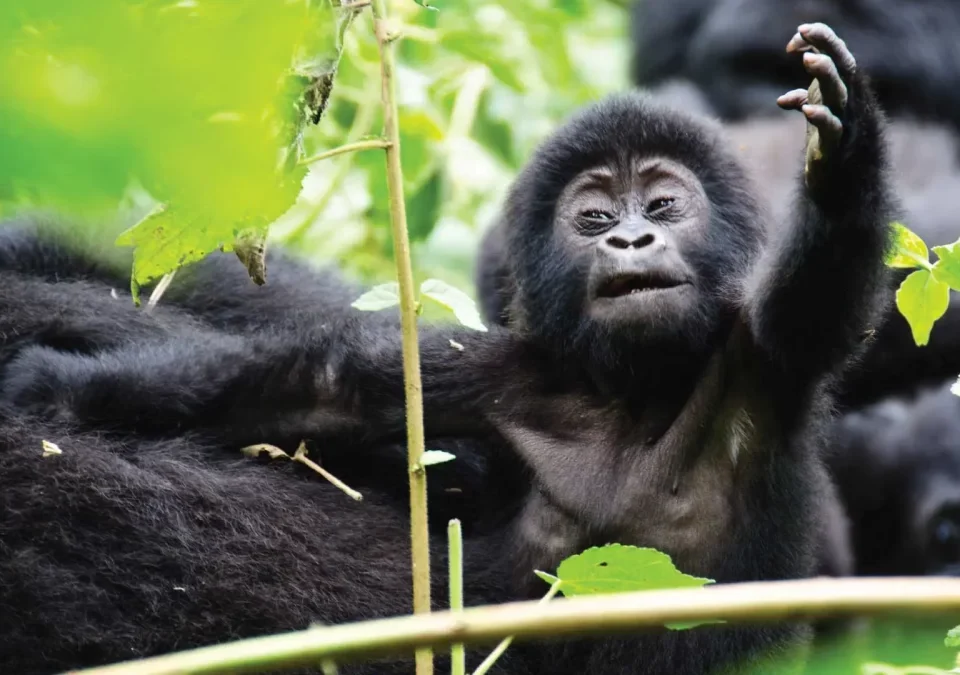
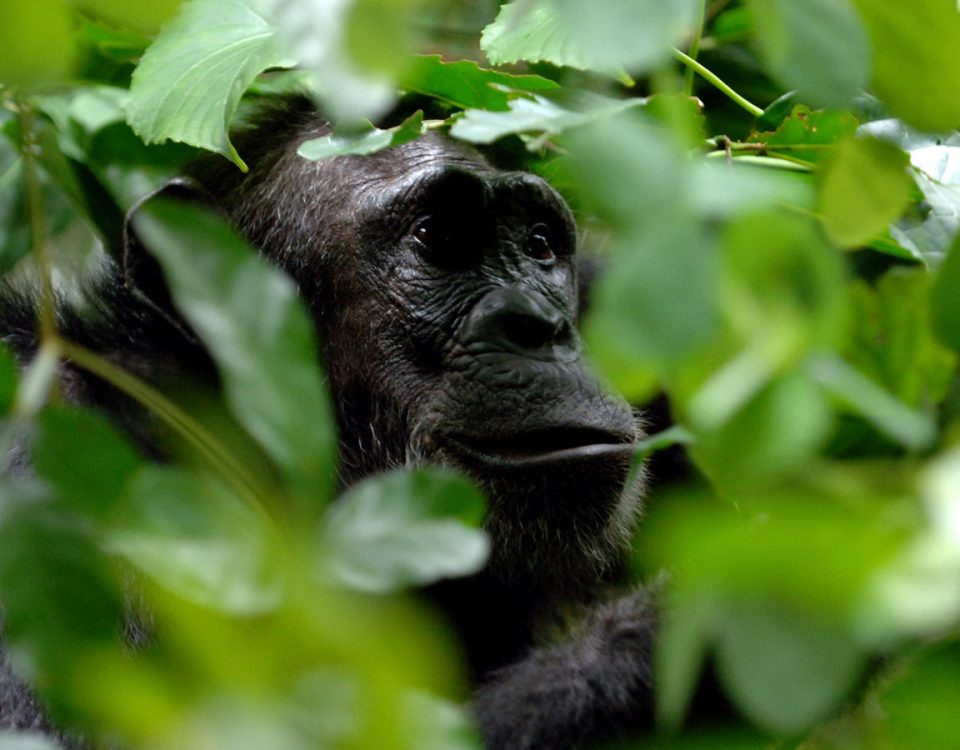
For visitors, Rwanda offers mountain gorilla trekking in Volcanoes National Park, golden monkey encounters in the same Virunga forest, chimpanzee trekking in Nyungwe Forest, savannah wildlife in Akagera National Park, and a deeply moving cultural and historical experience in Kigali. Despite being one of Africa’s smallest countries, Rwanda packs an extraordinary range of experiences within a few hours’ drive of the capital.
Rwanda’s Key Wildlife Destinations
- Volcanoes National Park: The jewel of Rwanda’s tourism, home to 13 habituated gorilla families in the Virunga volcanic mountains. Also excellent for golden monkey trekking, volcano hiking, and the Dian Fossey research trail.
- Nyungwe Forest National Park: One of Africa’s oldest and largest montane rainforests, home to chimpanzees, 13 primate species, and over 300 bird species. The Canopy Walk is one of East Africa’s most spectacular viewpoints.
- Akagera National Park: Rwanda’s only savannah park, bordering Tanzania. Successfully reintroduced lions (2015) and black rhinos (2017). Excellent for elephant, buffalo, hippo, giraffe, and waterbirds on Lake Ihema.
Kigali — Rwanda’s Capital City
Kigali is one of Africa’s most liveable and visitor-friendly capital cities. Clean, safe, and efficiently run, it offers excellent restaurants, vibrant arts and craft markets, world-class hotels, and some deeply important historical sites.
The Kigali Genocide Memorial is a sobering but essential visit — one of the most thoughtfully presented memorials of any atrocity in the world. The Inema Arts Centre showcases Rwanda’s thriving contemporary art scene. Kimironko Market is the place for local produce, fabrics, and handicrafts. The Repore craft village near the airport offers high-quality, export-ready Rwandan artisanal products.
Recommended Tours: 4 Days Akagera Safari & Lake Ihema Cruise | 7 Days Classic Rwanda Safari