


Batwa Trail in Mgahinga: Walking in the Forest People’s Footsteps
Introduction to the Batwa Trail Experience
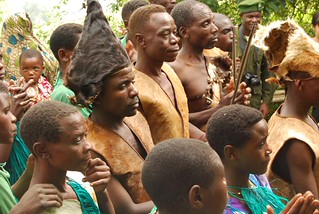
Batwa Trail.
Deep in the southwestern corner of Uganda, where the Virunga volcanoes rise through layers of mist and thick vegetation, Mgahinga Gorilla National Park offers more than just scenic beauty and rare wildlife encounters. It is a place where culture and history breathe quietly beneath the forest canopy. Among the many experiences available here, the Batwa Trail stands out as one of the most meaningful and transformative journeys a traveler can undertake.
This is not a typical forest walk. It is an experience rooted in memory, identity, and resilience. The Batwa Trail invites visitors to walk alongside the Batwa people, the original inhabitants of these forests, and to see the world through their eyes. It is a journey that shifts the focus from wildlife to human connection, revealing stories that are often left untold in mainstream tourism.
Who Are the Batwa People of Mgahinga
The Batwa are one of the oldest indigenous communities in Africa, with a history that stretches back thousands of years. Known as forest dwellers, they lived in harmony with the dense forests of the Virunga region, including Mgahinga. Their lives were shaped entirely by the natural environment, relying on it for food, shelter, medicine, and spiritual guidance.
They were skilled hunters and gatherers, moving through the forest with an ease that came from generations of knowledge passed down orally. Every plant, animal, and pathway held meaning. Their understanding of the forest was not learned in classrooms but through lived experience, making them true custodians of this ecosystem.
The Ancient Connection Between the Batwa and the Forest
The relationship between the Batwa and the forest was deeply spiritual and interconnected. The forest was not simply a resource but a living entity that provided both physical and spiritual sustenance. The Batwa believed that their ancestors resided within the forest, watching over them and guiding their lives.
Sacred sites were scattered throughout the landscape, including ancient trees and hidden caves where rituals and ceremonies were performed. These practices reinforced a sense of respect and balance, ensuring that the forest was used sustainably. This connection shaped every aspect of Batwa life, creating a culture that was both resilient and deeply rooted in nature.
Starting the Batwa Trail in Mgahinga Gorilla National Park
The journey begins at the edge of Mgahinga’s forest, where visitors are welcomed by Batwa guides. Their presence immediately brings authenticity to the experience. These are not storytellers detached from the narrative. They are individuals whose families once lived within this forest, carrying memories that are both personal and collective.
As the trail begins, there is a quiet transition from the outside world into a space that feels timeless. The forest stands ahead, dense and inviting, holding stories that are slowly revealed with each step.
Entering the Forest: A Journey Into the Past
Stepping into the forest is like entering another world. The temperature drops slightly, and the air becomes rich with the scent of earth and vegetation. Sunlight filters gently through layers of bamboo and towering trees, casting soft patterns across the ground.
The sounds of modern life disappear, replaced by birdsong and the subtle movements of the forest. It is here that the Batwa guides begin to share their knowledge, pointing out plants used for food and survival, demonstrating how water could be sourced from vines, and explaining how they navigated the forest without modern tools.
Traditional Hunting and Survival Skills of the Batwa
One of the most engaging aspects of the Batwa Trail is witnessing the traditional hunting techniques once used by the community. The guides demonstrate how traps were set using natural materials and how animals were tracked through careful observation of footprints and environmental clues.
These techniques reflect a deep understanding of the forest and its rhythms. Hunting was not done recklessly but with precision and respect, ensuring that the balance of the ecosystem was maintained. Watching these demonstrations provides insight into a way of life that required both skill and patience.
Medicinal Plants and Indigenous Forest Knowledge
As the journey continues, the guides introduce visitors to the forest’s natural pharmacy. Various plants are identified and explained, each with its own medicinal purpose. Leaves, roots, and bark were used to treat common illnesses, heal wounds, and maintain overall health.
This knowledge, passed down through generations, represents an important cultural heritage. It highlights the Batwa’s ability to live independently within the forest, relying entirely on what nature provided. The sharing of this knowledge during the trail ensures that it is not lost, but instead appreciated and respected by those who experience it.
Spiritual Life and Beliefs of the Batwa Community
The spiritual dimension of the Batwa culture is woven into every part of the trail. The forest itself is seen as sacred, filled with ancestral spirits and places of significance. As the guides share stories of rituals and beliefs, the forest begins to feel more alive, carrying a sense of history and meaning.
Songs and chants are often performed during the walk, their echoes blending with the natural sounds of the forest. These moments create a powerful emotional connection, allowing visitors to experience the cultural depth of the Batwa in a way that goes beyond words.
The Cultural Significance of Garama Cave
A key highlight of the Batwa Trail is the visit to Garama Cave, a vast volcanic cave that once served as a central gathering place for the Batwa people. Entering the cave is both humbling and unforgettable. The darkness, combined with the echo of dripping water, creates an atmosphere that feels both mysterious and sacred.
The guides share stories of how the cave was used for shelter, ceremonies, and protection. Traditional songs are performed here, their echoes filling the space with a haunting beauty that leaves a lasting impression.
Life Before and After Displacement from the Forest
The history of the Batwa took a significant turn in the early 1990s when Mgahinga was declared a national park. The Batwa were displaced from their ancestral lands, losing access to the forest that had sustained them for generations.
This displacement had profound effects, not only on their livelihoods but also on their cultural identity. The Batwa Trail addresses this history openly, allowing visitors to understand the challenges faced by the community and the importance of preserving their heritage.
Conservation and the Batwa: A Complex Relationship
Conservation efforts in Mgahinga have played a vital role in protecting wildlife and ecosystems. However, they have also raised important questions about the rights of indigenous communities. The Batwa Trail highlights this complexity, encouraging visitors to reflect on how conservation can be balanced with cultural preservation.
It serves as a reminder that protecting nature should also include protecting the people who have lived in harmony with it for generations.
How the Batwa Trail Supports Community Tourism
Today, the Batwa Trail is an important source of income and empowerment for the community. By participating in the experience, visitors contribute directly to the livelihoods of Batwa families. This form of tourism supports education, cultural preservation, and sustainable development.
It also provides a platform for the Batwa to share their stories on their own terms, ensuring that their voices are heard and respected.
What to Expect During the Batwa Trail Experience
The trail itself is moderate and accessible, allowing visitors to focus on the experience rather than physical exertion. The pace is relaxed, with plenty of opportunities to engage with the guides and ask questions.
As the journey unfolds, visitors often find themselves reflecting on what they have learned, gaining a deeper appreciation for both the forest and the people who once called it home.
Best Time to Visit Mgahinga for the Batwa Trail
Mgahinga can be visited throughout the year, but the drier months tend to offer more comfortable walking conditions. Regardless of when you visit, the forest retains its beauty and atmosphere, making each experience unique.
Why the Batwa Trail Is More Than Just a Walk
The Batwa Trail goes beyond being a simple activity. It is an opportunity to connect with a culture that has endured significant challenges while maintaining its identity. It invites visitors to see the forest not just as a landscape, but as a living story.
Walking in the Footsteps of the Forest People
As the trail comes to an end, there is a sense of reflection that stays with you. The experience is not defined by dramatic moments, but by its depth and authenticity. Walking in the footsteps of the Batwa offers a rare glimpse into a world that is both ancient and evolving













