A Peaceful Scene on the African Savanna
Some of the most memorable safari moments are not dramatic predator chases or massive wildlife migrations. Instead, they are the quiet scenes that reveal the daily lives of Africa’s animals. Watching a zebra family graze together across an open savanna is one of those experiences. There is no rush, no panic, and no competition. Each member of the family moves with calm purpose, creating a picture of balance that has existed on African grasslands for thousands of years.
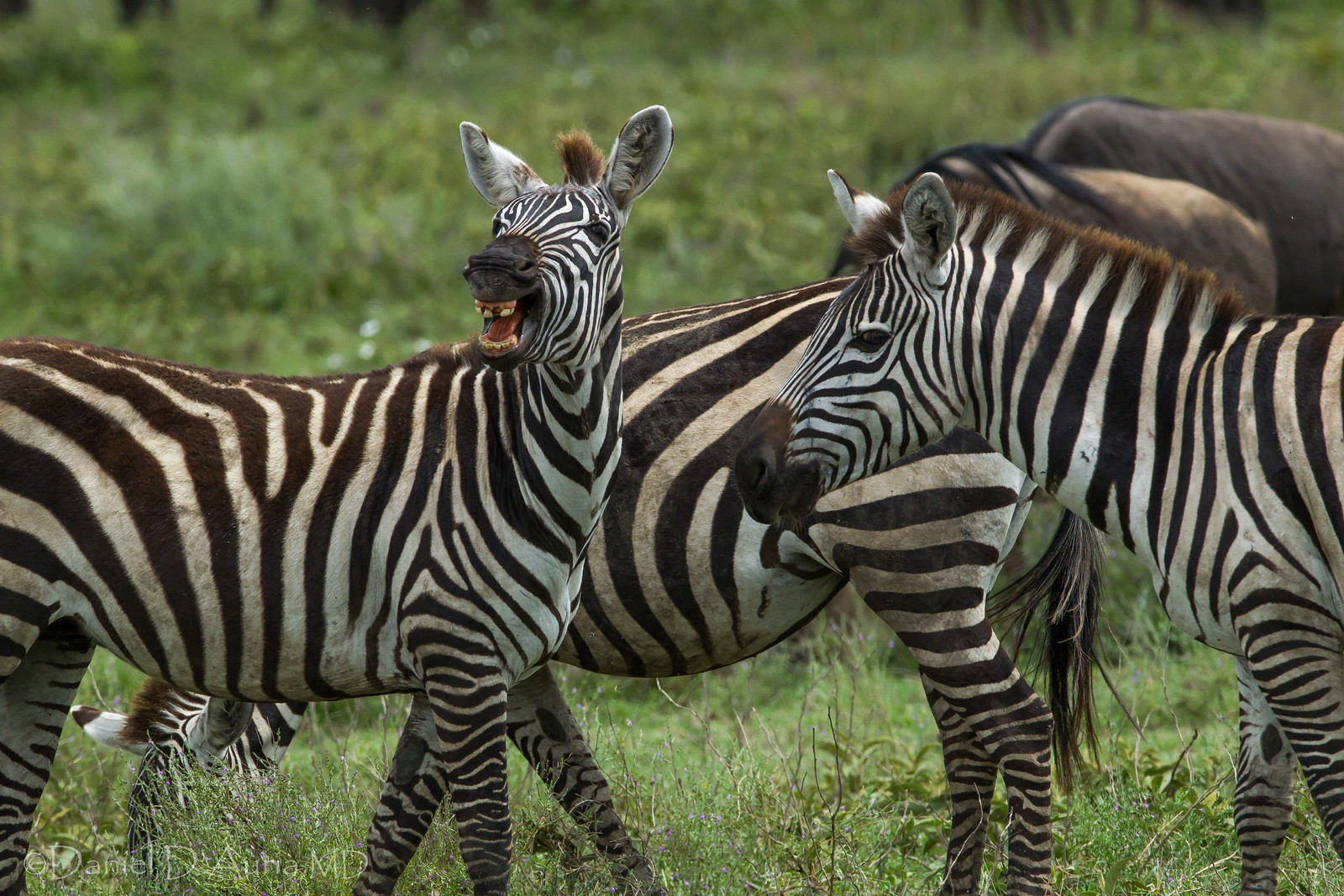
A grazing zebra family demonstrates the strength of social bonds, the importance of cooperation, and the remarkable instincts that help these animals survive in one of the world’s most demanding environments. While the scene may appear peaceful, every movement has meaning, and every member of the family plays an important role.
Understanding Zebra Family Groups
Unlike many grazing animals that constantly change companions, plains zebras usually live in stable family units known as harems. These groups consist of one dominant stallion, several mares, and their offspring. Some family groups remain together for many years, with mares forming lasting relationships that help maintain the stability of the herd.
Young foals stay with their mothers while learning the routines of daily life. As male foals mature, they eventually leave to join bachelor groups before attempting to establish families of their own. Female foals often remain with their birth herd until they reach maturity, although they may later join another family group.
These close social connections create an organized and cooperative community where each animal understands its place.
The Start of a New Day
As dawn breaks across the savanna, the zebra family begins another day of feeding. The cool morning temperatures provide ideal conditions for grazing, allowing the animals to consume fresh grasses before the heat of the afternoon arrives.
The rising sun casts long shadows across the plains, while the black and white stripes of the zebras glow in the soft golden light. Dew still clings to the grass, adding moisture to the vegetation and making the first meal of the day especially refreshing.
The family spreads out slowly, but no individual moves far from the others. They remain close enough to communicate through soft vocalizations, body language, and visual contact.
Grazing With Purpose
Although grazing appears simple, zebras feed with remarkable efficiency. Their strong front teeth clip grasses close to the ground, while their digestive systems allow them to process coarse vegetation that many other herbivores cannot use effectively.
Unlike highly selective grazers, zebras can consume a wide variety of grass species. This flexibility allows them to thrive across different habitats, from open savannas to lightly wooded grasslands.
As they graze, each zebra takes only a few steps before lowering its head again. The steady rhythm continues for hours, interrupted only when an individual raises its head to observe the surroundings.
The Protective Role of the Stallion
While every family member contributes to the group’s survival, the dominant stallion carries special responsibilities.
He often positions himself where he can observe the entire family while continuing to graze. His ears constantly rotate, picking up distant sounds that may signal approaching danger. Every few minutes, he lifts his head and scans the landscape for predators such as lions, leopards, or spotted hyenas.
If another stallion approaches too closely, the dominant male quickly becomes alert. He may pin his ears back, raise his head, or move toward the intruder to defend his family.
Despite these responsibilities, the stallion spends much of the day feeding alongside the mares and foals, remaining an active member of the family rather than constantly standing apart.
Mares Form the Heart of the Family
The mares provide stability within the group. Their close relationships help maintain calm behavior even when conditions become challenging.
Each mare cares primarily for her own foal, but the group often moves together in a coordinated way that benefits every youngster. Experienced mothers recognize signs of danger quickly and respond calmly, helping younger mares learn effective parenting behaviors.
Their cooperation allows the family to remain organized whether grazing, traveling, or responding to threats.
Foals Learn Through Observation
Young zebras spend much of their early lives watching the adults around them. Every activity becomes an opportunity to learn.
Foals imitate grazing techniques by nibbling at grass long before they rely entirely on vegetation for food. They observe how adults respond to unfamiliar sounds, follow established travel routes, and identify safe places to drink.
Play also forms an important part of their development. Young zebras chase one another through the grass, practice short sprints, and occasionally rear up or kick playfully. These games strengthen muscles, improve coordination, and prepare them for challenges they will face as adults.
Whenever play carries them too far from the group, they quickly return to the security of their mothers.
Communication Without Constant Noise
One of the remarkable aspects of a grazing zebra family is how much communication occurs without loud vocalizations.
Body posture, ear position, tail movements, and facial expressions all convey important information. A mare may simply raise her head or change direction, and nearby family members immediately notice the movement.
Soft snorts and quiet whinnies are used to maintain contact, especially between mothers and foals. During peaceful grazing, these gentle sounds are often all that is needed to keep the family connected.
Only when danger appears do the vocalizations become louder and more urgent.
Sharing the Grasslands
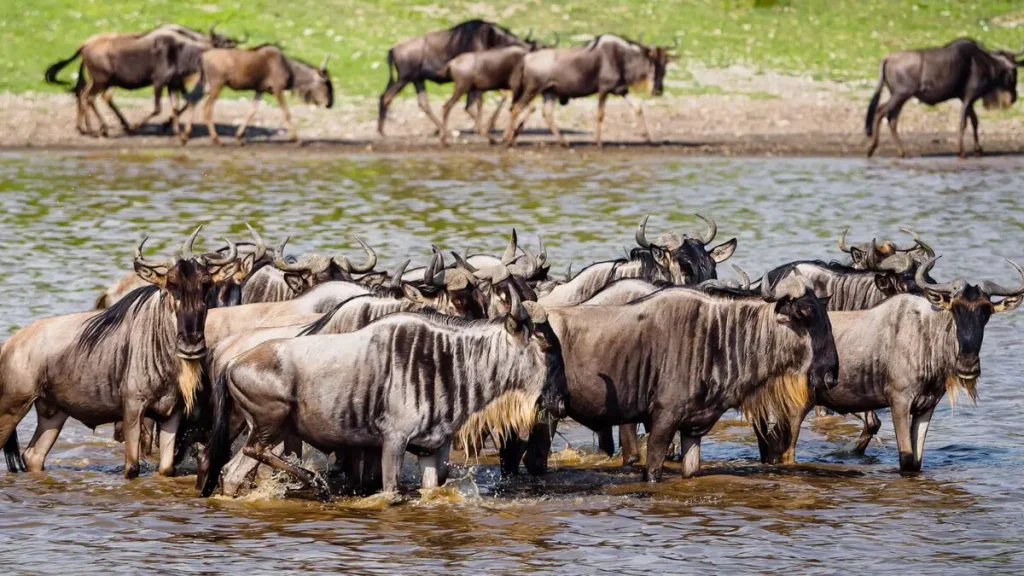
Zebras rarely graze alone. Their feeding grounds are often shared with wildebeest, impalas, buffaloes, gazelles, and other herbivores.
This mixed grazing benefits several species. Zebras usually consume taller, tougher grasses first, making shorter, more nutritious shoots accessible to smaller grazers. In return, the presence of multiple species increases the number of animals watching for predators.
Birds such as oxpeckers frequently land on zebras while they feed, removing ticks and other parasites from their coats. This relationship benefits both species and is a common sight throughout eastern and southern Africa.
Constant Awareness of Danger
Even during the most peaceful moments, the zebra family never completely relaxes.
Predators can appear with little warning, especially in areas with tall grass or scattered bushes. Every member of the family contributes to detecting danger by periodically lifting its head and scanning the surroundings.
If one zebra notices something suspicious, others respond almost immediately. Grazing stops, heads rise together, and ears point toward the source of concern.
Only after confirming that no threat exists do they return to feeding.
This constant awareness allows zebras to spend much of the day grazing while remaining prepared for sudden emergencies.
The Importance of Water
After several hours of feeding, the family gradually moves toward a nearby water source. Their route often follows paths used by generations of zebras.
Approaching water requires extra caution because predators frequently wait near rivers, lakes, and waterholes where prey animals must eventually drink.
The stallion often reaches the water’s edge first, scanning carefully before the mares and foals begin drinking. Even while lowering their heads, several zebras continue watching the surrounding vegetation.
Once everyone has finished drinking, the family quickly returns to open ground where visibility is better.
Seasonal Changes Shape Their Lives
The quiet routine of grazing changes with the seasons.
During the rainy months, fresh grass becomes abundant across the landscape. Families spread out across wide areas, feeding on newly sprouted vegetation rich in nutrients.
As the dry season progresses, food becomes scarcer. The family may travel much farther each day in search of productive grazing areas and reliable water sources.
Despite these seasonal challenges, the family remains together. Their strong social structure helps them respond to changing conditions while protecting vulnerable young members.
A Photographer’s Dream
A grazing zebra family offers endless opportunities for wildlife photography.
The calm behavior of the animals allows photographers to capture natural interactions rather than rushed action scenes. Early morning and late afternoon light enhance the contrast of the zebra’s distinctive stripes while creating warm tones across the surrounding landscape.
Images of mares standing beside their foals, the stallion watching over the family, or young zebras playing in open grass often tell a more complete story than portraits of single animals.
Photographs captured during these peaceful moments reveal the emotional connections within the family and the harmony of life on the savanna.
Lessons in Patience and Cooperation
Observing a zebra family teaches valuable lessons about cooperation and survival.
Each individual contributes to the safety of the group. The stallion protects, the mares nurture, and the foals learn from both. No animal survives entirely alone, and the family’s strength comes from remaining connected through changing seasons, predator encounters, and long journeys across the plains.
These relationships have evolved over countless generations, allowing zebras to thrive in landscapes where conditions can change rapidly.
Why Quiet Moments Matter on Safari
Many visitors arrive in Africa hoping to witness dramatic wildlife encounters, but the quieter moments often leave the strongest impression. Watching a zebra family graze peacefully allows you to appreciate behaviors that are easily overlooked during faster paced game drives.
The gentle movements, soft calls between mothers and foals, and constant yet calm awareness of the surrounding landscape reveal the true rhythm of life on the savanna. Every member of the family plays a role, creating a scene that reflects trust, cooperation, and resilience.
The quiet grace of a grazing zebra family is a reminder that the beauty of Africa’s wildlife is found not only in moments of excitement but also in the everyday routines that sustain life across the continent’s vast grasslands.
Recommended Tours: 4 Days Bwindi Gorilla Trekking Safari | 8 Days Kenya Wildlife Safari