Altitude in East Africa: Which Parks and Hikes Involve Higher Elevation?
East Africa offers some of Africa’s most remarkable landscapes, including vast savannahs, mountain forests, volcanic slopes and snow-covered peaks. While many travellers visit the region for wildlife viewing, others explore mountains and highland national parks.
Understanding altitude in East Africa helps you prepare for changing temperatures, demanding hikes and potential altitude-related health problems.
Uganda, Kenya, Tanzania and Rwanda have destinations at very different elevations. For example, Mount Kilimanjaro reaches 5,895 metres above sea level, while Uganda’s Rwenzori Mountains rise to 5,109 metres.
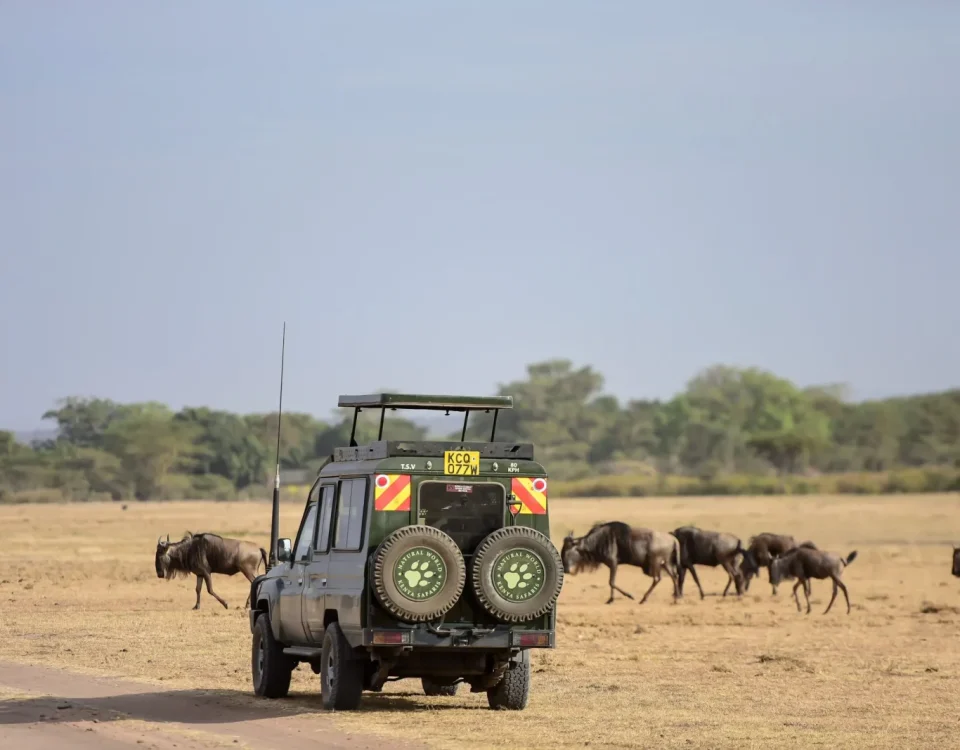
However, ordinary game drives generally take place at considerably lower elevations.
Altitude becomes particularly important when planning mountain climbing, volcano hikes or extended trekking activities.
What Is High Altitude?
Altitude refers to the height of a location above sea level.
As elevation increases, atmospheric pressure decreases, reducing the amount of oxygen available with each breath.
Your body needs time to adjust.
Altitude illness becomes a concern for some travellers sleeping at approximately 2,450 metres or higher, especially when they ascend rapidly.
For practical planning, consider these approximate elevation categories:
| Elevation | General Description |
|---|---|
| Below 1,500 m | Lower elevation |
| 1,500–2,500 m | Moderate elevation |
| 2,500–3,500 m | High-altitude exposure |
| 3,500–5,500 m | Very high altitude |
| Above 5,500 m | Extreme altitude |
These categories are general descriptions. Individual susceptibility varies, and altitude illness can occasionally occur below 2,500 metres.
Highest Mountain Destinations in East Africa
Several East African national parks contain mountains exceeding 4,000 metres.
<text> </text>
| Mountain or Destination | Country | Maximum Elevation |
|---|---|---|
| Mount Kilimanjaro | Tanzania | 5,895 m |
| Mount Kenya | Kenya | 5,199 m |
| Rwenzori Mountains | Uganda | 5,109 m |
| Mount Karisimbi | Rwanda | 4,507 m |
| Mount Muhabura | Uganda/Rwanda | 4,127 m |
| Mount Bisoke | Rwanda/DR Congo | About 3,700 m |
These figures represent mountain summits, not the elevation of every walking trail, accommodation property or wildlife viewing area.
1. Mount Kilimanjaro National Park, Tanzania
Mount Kilimanjaro is Africa’s highest mountain, reaching 5,895 metres at Uhuru Peak.
The mountain attracts hikers from around the world because reaching its summit does not normally require technical rock climbing.
However, the altitude creates serious physical challenges.
Popular trekking routes include Machame, Marangu, Lemosho and Rongai.
Climbers travel through forests, heathland, alpine environments and extremely cold summit areas.
Altitude Challenges on Kilimanjaro
Altitude sickness is one of the main reasons climbers fail to complete the ascent.
Rapid changes in sleeping elevation increase the risk.
Choosing an itinerary with additional acclimatisation days can improve comfort and reduce risk.
Even physically fit travellers can develop altitude illness.
Always trek with authorised operators and follow qualified guides’ instructions.
2. Rwenzori Mountains National Park, Uganda
The Rwenzori Mountains lie along Uganda’s western border with the Democratic Republic of Congo.
The range contains Margherita Peak, which reaches 5,109 metres.
Unlike ordinary savannah safaris, Rwenzori expeditions involve challenging mountain terrain.
Hikers encounter forests, wetlands, steep slopes, rocky sections and high-altitude environments.
Is Rwenzori Trekking Difficult?
Yes. Extended Rwenzori treks require physical preparation and suitable equipment.
Some routes involve several days of walking before reaching higher camps.
Elena Camp lies around 4,500 metres above sea level.
At this height, cold temperatures and reduced oxygen availability become important concerns.
Reaching Margherita Peak requires specialist mountaineering support and appropriate technical equipment.
Visitors who prefer less demanding activities can consider shorter lower-elevation walks.
3. Mount Kenya National Park, Kenya
Mount Kenya is Africa’s second-highest mountain.
Its highest summit, Batian, reaches 5,199 metres.
However, many recreational trekkers aim for Point Lenana, which stands at approximately 4,984 metres.
Reaching Batian requires technical climbing skills, while Point Lenana can be approached through established trekking routes.
Popular Mount Kenya Routes
Common routes include Sirimon, Naro Moru and Chogoria.
Each has different landscapes, walking distances and accommodation arrangements.
Trekkers should choose routes allowing adequate time for acclimatisation.
Cold weather, steep terrain and altitude-related symptoms can affect even experienced hikers.
4. Volcanoes National Park, Rwanda
Volcanoes National Park protects part of the Virunga mountain range.
The park is particularly famous for mountain gorilla trekking, golden monkey tracking and volcano hiking.
Its highest mountain, Karisimbi, reaches 4,507 metres.
Mount Bisoke reaches approximately 3,700 metres.
Hiking Mount Karisimbi
Mount Karisimbi normally involves a demanding two-day hiking experience.
Participants encounter mountainous terrain and changing weather.
Proper acclimatisation is important because of the summit’s elevation.
Hiking Mount Bisoke
Mount Bisoke offers a challenging hike towards a crater lake.
Although shorter than Karisimbi expeditions, its elevation can still affect unacclimatised visitors.
Carry warm clothing, drinking water and appropriate hiking equipment.
5. Mgahinga Gorilla National Park, Uganda
Mgahinga Gorilla National Park lies in south-western Uganda.
The park covers elevations between approximately 2,227 and 4,127 metres.
Its volcanoes include Mount Muhabura, Mount Gahinga and Mount Sabyinyo.
Visitors can participate in gorilla trekking, golden monkey tracking and guided mountain hikes.
Does Gorilla Trekking Involve High Altitude?
Some gorilla trekking routes involve substantial elevation, but the actual altitude depends on the assigned location and the gorillas’ movements.
Visitors may experience breathlessness from steep terrain, physical exertion and elevation.
Gorilla trekking should not automatically be treated as equivalent to climbing a mountain summit.
Discuss your fitness and medical concerns before booking.
6. Bwindi Impenetrable National Park, Uganda
Bwindi Impenetrable National Park ranges from approximately 1,160 to 2,607 metres above sea level.
The park is famous for mountain gorilla trekking.
Although parts of Bwindi reach elevations where altitude effects are possible, most visitors face a greater challenge from steep slopes, muddy trails and lengthy walking periods.
Trekking conditions vary between Buhoma, Ruhija, Rushaga and Nkuringo.
Some routes are more demanding than others.
Visitors should wear appropriate footwear and carry sufficient drinking water.
7. Other Elevated Safari Destinations
Not every highland wildlife destination requires mountain climbing.
Kenya’s Aberdare National Park includes mountainous forests and moorlands reaching approximately 4,000 metres.
Some viewing areas and lodges lie at considerable elevations.
Rwanda’s Nyungwe region also features highland forest landscapes.
However, visitors should distinguish the elevation of a park’s highest point from the altitude of their actual activities.
Ordinary wildlife drives in destinations such as the Serengeti, Maasai Mara and Queen Elizabeth National Park usually involve substantially lower altitude-related health risks than major mountain expeditions.
How Does Altitude Affect Your Body?
At higher elevations, lower oxygen availability can cause physiological changes.
You may breathe faster, experience reduced exercise performance or find ordinary activities more tiring.
Some travellers develop acute mountain sickness.
Common symptoms include:
- Headache.
- Nausea.
- Dizziness.
- Unusual tiredness.
- Reduced appetite.
- Difficulty sleeping.
Symptoms often begin within several hours after ascending.
Never assume that worsening symptoms are simply caused by ordinary fatigue.
How to Prevent Altitude Sickness
Gradual ascent is one of the most effective preventive measures.
When possible, spend time adjusting before climbing higher.
Above 3,000 metres, aim to increase sleeping elevation by no more than approximately 500 metres daily.
Include an additional acclimatisation night after roughly every 1,000 metres of sleeping elevation gained.
Avoid excessive alcohol and strenuous exercise during initial acclimatisation.
Drink normally according to thirst and activity needs.
Excessive water consumption does not prevent altitude sickness.
Can Medication Prevent Altitude Sickness?
Acetazolamide may help certain travellers acclimatise.
However, it is not suitable for everyone.
Discuss its benefits, risks and appropriate use with a qualified healthcare professional.
Medication should never replace sensible ascent planning.
When Should You Descend?
Do not climb to a higher sleeping elevation when experiencing altitude sickness symptoms.
If symptoms worsen despite resting at the same elevation, descend and seek medical assistance.
Confusion, difficulty walking normally or breathlessness at rest can indicate a life-threatening emergency.
These symptoms require immediate descent, emergency medical attention and oxygen when available.
Do not continue trekking simply to complete a planned summit.
What Should You Pack for High-Altitude Hikes?
Mountain trekking requires different equipment from ordinary wildlife drives.
Important items include:
- Warm, layered clothing.
- Waterproof jacket.
- Appropriate hiking boots.
- Gloves and warm hat.
- Drinking water.
- Energy-rich food.
- Sunscreen and sunglasses.
- Personal medication.
- Head torch.
- Suitable sleeping equipment.
Long expeditions may require specialist climbing equipment supplied or approved by your operator.
Frequently Asked Questions
What Is the Highest Mountain in East Africa?
Mount Kilimanjaro in Tanzania is the highest, reaching 5,895 metres.
Can You Get Altitude Sickness During Gorilla Trekking?
It is possible at sufficiently high elevations, particularly after rapid ascent. However, physical exertion and difficult terrain also contribute to fatigue.
Is Mount Kenya Higher Than the Rwenzori Mountains?
Yes. Mount Kenya reaches 5,199 metres, while the Rwenzori’s highest point reaches 5,109 metres.
Do You Need Altitude Medication for Ordinary Game Drives?
Usually not. Most traditional game drives take place below elevations associated with substantial altitude illness risk.
Can Older Travellers Visit High-Altitude Parks?
Yes, depending on their health and chosen activities. Travellers with heart or lung conditions should seek medical advice before ascending.
Understanding altitude in East Africa helps you distinguish ordinary wildlife safaris from demanding mountain adventures.
Mount Kilimanjaro, Mount Kenya, the Rwenzori Mountains and the Virunga volcanoes involve significant high-altitude exposure.
Bwindi and other highland parks may also include elevated trekking routes, although conditions vary.
Choose an itinerary suited to your fitness, prepare for changing temperatures and allow adequate acclimatisation.
With appropriate planning and medical precautions, you can explore East Africa’s remarkable mountain landscapes more safely.