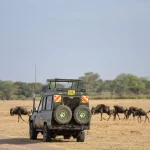
How to Choose a Safari Operator: Questions to Ask Before You Pay
Choosing the right safari operator is one of the most important decisions when planning an African wildlife holiday. Whether you want to see mountain gorillas in Uganda, explore Kenya’s Maasai Mara or visit Tanzania’s Serengeti, your tour operator influences your accommodation, transport, guiding and overall experience.
However, with hundreds of safari companies advertising holidays across East Africa, comparing different offers can be challenging.
Understanding how to choose a safari operator helps you identify reliable companies, compare quotations and avoid expensive booking mistakes.
A professional operator should provide clear information about its services, licences, payment procedures and cancellation conditions.
The cheapest safari is not necessarily the best option. Equally, an expensive package does not automatically guarantee excellent service.
1. Is the Safari Operator Registered and Licensed?
Before discussing payments, establish whether the company operates legally.
Safari operators should meet the tourism licensing requirements of the countries where they operate.
In Uganda, the Uganda Tourism Board licenses tour operators and maintains a list of licensed companies.
Kenya’s Tourism Regulatory Authority oversees tourism business licensing.
Tanzania requires relevant tour operator licensing, including the Tourist Agent Licence.
In Rwanda, the Rwanda Development Board regulates tourism business licensing.
Ask the company for its registered business name and licence details.
Check those details with the appropriate authority.
Remember that business registration alone does not necessarily establish that a company holds the required tourism operating licence.
2. How Long Has the Company Operated?
Experience can help when organising complicated itineraries involving several national parks.
Ask how long the company has been arranging safaris.
Find out whether it regularly operates in your intended destinations.
For example, a company organising gorilla trekking should understand permit procedures, trekking sectors and accommodation locations.
However, newly established companies can also provide excellent services.
Evaluate their qualifications, planning ability and transparency rather than judging them entirely by age.
3. Can You Read Genuine Customer Reviews?
Independent customer reviews can help you understand previous travellers’ experiences.
Look for detailed feedback discussing guides, vehicles, accommodation and communication.
Read both positive and negative reviews.
A complaint about one delayed transfer does not necessarily indicate an unreliable company.
However, repeated complaints about missing bookings, poor communication or unexpected charges deserve attention.
Be cautious when all reviews appear unusually similar.
Ask whether the company can provide references from previous customers who have agreed to be contacted.
4. What Exactly Is Included in the Safari Price?
Every safari quotation should explain what you are paying for.
Two companies may advertise the same five-day itinerary at very different prices because their packages include different services.
Request an itemised quotation covering:
- Accommodation.
- Meals and drinking water.
- Park entrance fees.
- Gorilla or chimpanzee permits.
- Safari vehicle and fuel.
- Professional guiding.
- Airport transfers.
- Scheduled activities.
- Applicable taxes.
Ask about exclusions, including visas, drinks, gratuities and optional activities.
A clear quotation makes comparison easier.
5. Which Accommodation Properties Will You Use?
Accommodation can significantly affect your safari experience.
Ask for the names of the lodges included in your itinerary.
Confirm the accommodation category, room type and meal plan.
For example, a budget safari may include simple guesthouses, while a luxury safari may offer spacious rooms and additional facilities.
Also ask whether the accommodation is inside or outside the national park.
Location affects driving distances and daily activity schedules.
If a lodge becomes unavailable, establish whether the operator may substitute another property and what standards must be maintained.
6. What Type of Safari Vehicle Is Provided?
Your safari vehicle is important because you may spend several hours travelling each day.
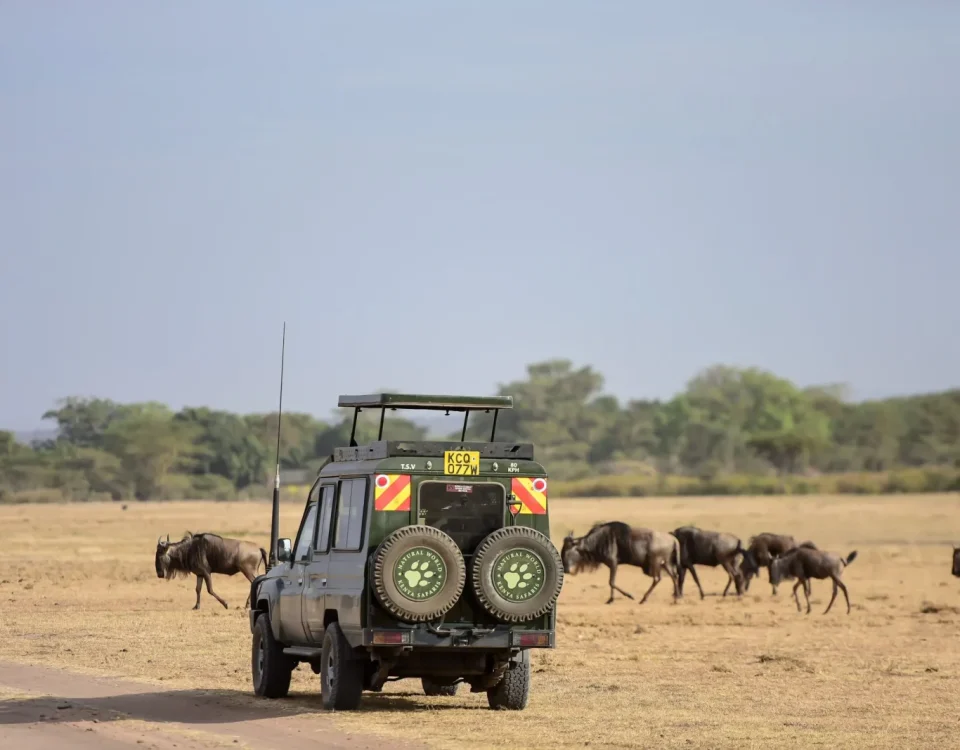
Ask whether the company uses a 4×4 Land Cruiser, safari van or another suitable vehicle.
Confirm the number of passengers and available seats.
Important Vehicle Questions
| Question | What to Confirm |
|---|---|
| Is the vehicle private? | Whether other travellers will join |
| Does everyone have a window seat? | Wildlife viewing arrangements |
| Is there a pop-up roof? | Photography and viewing access |
| Are seatbelts available? | Passenger safety |
| Is charging available? | USB or other suitable outlets |
| Is there enough luggage space? | Bags and photography equipment |
Families should also ask about suitable child restraints.
7. Will You Have an Experienced Safari Guide?
A knowledgeable guide can improve wildlife viewing and help you understand animal behaviour.
Ask whether your safari includes a professional driver-guide.
Find out which languages the guide speaks and whether they have relevant training.
Experienced guides understand wildlife habitats, road conditions, park rules and visitor safety.
For specialist trips, ask about relevant experience.
For example, birdwatching safaris may benefit from guides skilled in identifying East African bird species.
Avoid companies promising that guides will approach dangerous animals at unsafe distances.
8. Are Gorilla and Chimpanzee Permits Included?
Gorilla trekking and chimpanzee tracking require permits issued through the relevant wildlife authorities.
Availability may be limited, particularly during popular travel periods.
Ask whether permit fees are included in the quotation.
Confirm which trekking destination and date have been requested.
In Uganda, gorilla permits are administered by the Uganda Wildlife Authority.
In Rwanda, gorilla trekking arrangements follow Rwanda Development Board procedures.
Do not assume that paying a safari deposit automatically means your permit has been secured.
Request written confirmation once the booking is completed.
9. What Is the Payment Schedule?
Safari companies commonly request deposits to secure accommodation, permits and other reservations.
However, deposit amounts and payment schedules vary.
Before transferring money, ask:
- How much deposit is required?
- When is the remaining balance due?
- Which payment methods are accepted?
- Who receives the payment?
- Are transaction charges included?
- Will an official receipt be provided?
Confirm that the beneficiary details match the legitimate business.
Be cautious about unexpected requests to send large payments to unrelated personal accounts.
10. What Happens if You Cancel?
Cancellation policies are particularly important for expensive safaris.
Ask for the company’s cancellation terms in writing.
Some reservations involve non-refundable permits or accommodation deposits.
Other services may allow partial refunds when cancelled sufficiently early.
Find out whether you can postpone your safari.
Ask what happens when flights are cancelled or travel plans change.
Do not rely on verbal promises.
Written conditions help prevent disagreements later.
11. Is the Safari Itinerary Realistic?
A good itinerary should allow enough time for travel, wildlife viewing and rest.
For example, visiting several distant national parks within a short period may involve exhausting road journeys.
Review daily driving distances.
Ask about expected departure and arrival times.
Confirm how much time you will actually spend inside each national park.
An experienced operator should explain the advantages and limitations of different routes.
Be cautious about itineraries promising too many destinations without considering travel time.
12. What Happens During an Emergency?
Safari destinations sometimes lie far from major hospitals.
Ask how the company handles illness, accidents, vehicle breakdowns and other emergencies.
A responsible operator should explain its communication procedures and available assistance.
Confirm whether the company maintains emergency contacts.
Ask about vehicle recovery arrangements.
Your personal travel insurance should also cover relevant medical expenses and evacuation where appropriate.
Remember that a safari operator’s emergency arrangements do not replace comprehensive travel insurance.
13. Can the Company Arrange a Private Safari?
Private safaris provide greater flexibility with activities, departure times and vehicle arrangements.
Shared safaris may be more affordable because travellers divide certain costs.
Ask whether the quotation covers private or shared travel.
If sharing, confirm the expected group size.
Families, photographers and travellers with mobility requirements may prefer private transport.
Choose the arrangement that matches your expectations and budget.
14. Does the Operator Follow Wildlife Protection Rules?
Responsible safari companies should respect national park regulations.
Ask how the company manages wildlife viewing distances, waste disposal and sensitive habitats.
Guides should discourage feeding wild animals and prohibited interactions.
A trustworthy operator should never guarantee that you can touch gorillas or approach dangerous wildlife without restrictions.
Wildlife sightings cannot always be guaranteed.
Choose companies that prioritise visitor safety and responsible wildlife observation.
15. How Quickly Does the Company Respond?
Communication before booking provides useful information about customer service.
Ask questions and assess whether the operator answers clearly.
A professional response should address your actual concerns rather than repeatedly pressuring you to pay.
Slow communication does not automatically indicate dishonesty, particularly during busy seasons.
However, repeated unanswered questions about prices, permits or booking conditions should concern you.
Confirm the company’s emergency contact arrangements before departure.
Safari Operator Comparison Checklist
Use this table when comparing quotations.
| Booking Requirement | What You Should Verify |
|---|---|
| Tourism licence | Valid and independently verifiable |
| Customer reviews | Recent, detailed and credible |
| Itinerary | Realistic daily travel schedule |
| Accommodation | Named properties and room categories |
| Vehicle | Suitable type, capacity and condition |
| Guide | Relevant experience and qualifications |
| Permits | Included and confirmed when booked |
| Payments | Clear schedule and verified recipient |
| Cancellation | Written refund and postponement rules |
| Emergency support | Defined assistance procedures |
| Wildlife practices | Compliance with park regulations |
Comparing two or three suitable companies can help you understand differences in service and pricing.
Warning Signs Before Paying
Certain situations should encourage additional investigation.
These include unusually cheap packages without explanations, refusal to provide licence details and pressure to transfer money immediately.
Other concerns include unclear accommodation information, changing payment details and promises of guaranteed wildlife encounters.
A professional-looking website alone does not prove legitimacy.
Verify the operator independently before making substantial payments.
Frequently Asked Questions
Should I Book With a Local Safari Operator?
Local companies can offer valuable destination knowledge and direct communication. However, choose according to licensing, service quality and reliability.
Is the Cheapest Safari Company the Best?
Not necessarily. Compare accommodation, permits, vehicles, meals and other included services before deciding.
Should I Pay the Full Safari Price Immediately?
Follow a clearly agreed payment schedule and verify the company first. Full advance payment may be required for some arrangements, but the conditions should be documented.
Can Safari Operators Guarantee Wildlife Sightings?
No. Wild animals move freely, so particular sightings cannot always be guaranteed.
How Early Should I Choose a Safari Operator?
Begin planning several months ahead when possible, especially for popular travel seasons and permit-dependent activities.
Learning how to choose a safari operator helps you protect your investment and enjoy a well-organised African holiday.
Verify licensing, examine customer reviews and compare detailed quotations.
Ask about accommodation, vehicles, permits, guides and cancellation conditions before paying.
Choose a company that communicates clearly and provides realistic information.
Careful preparation gives you greater confidence when booking wildlife experiences across Uganda, Kenya, Tanzania and Rwanda.