Rain Gear for Rainforest Trekking: Ponchos, Jackets and Pack Covers
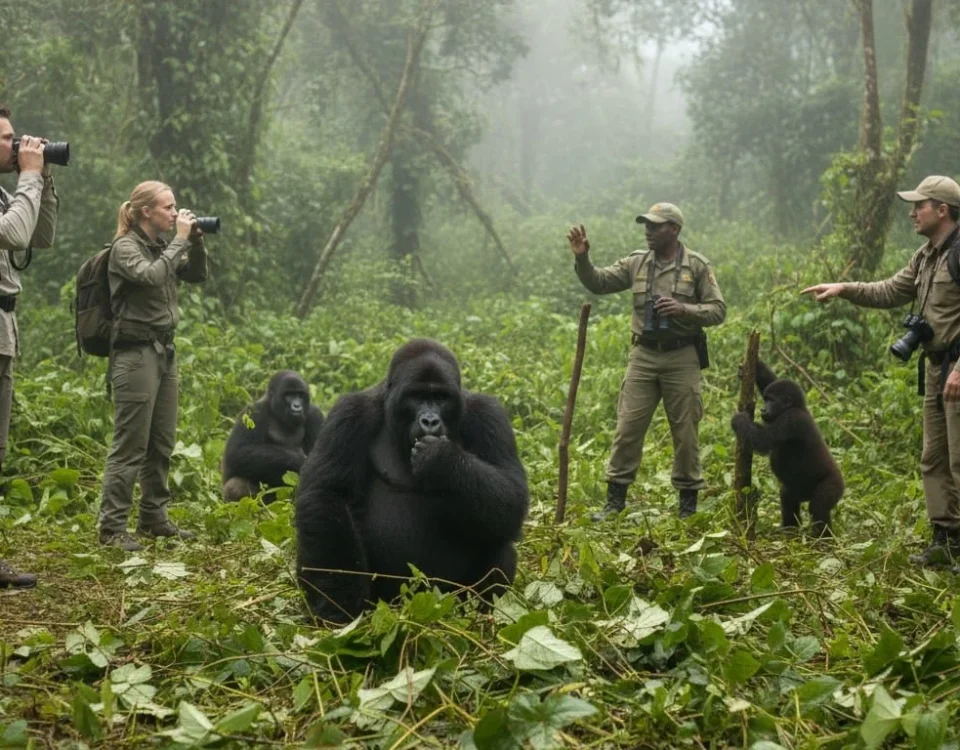
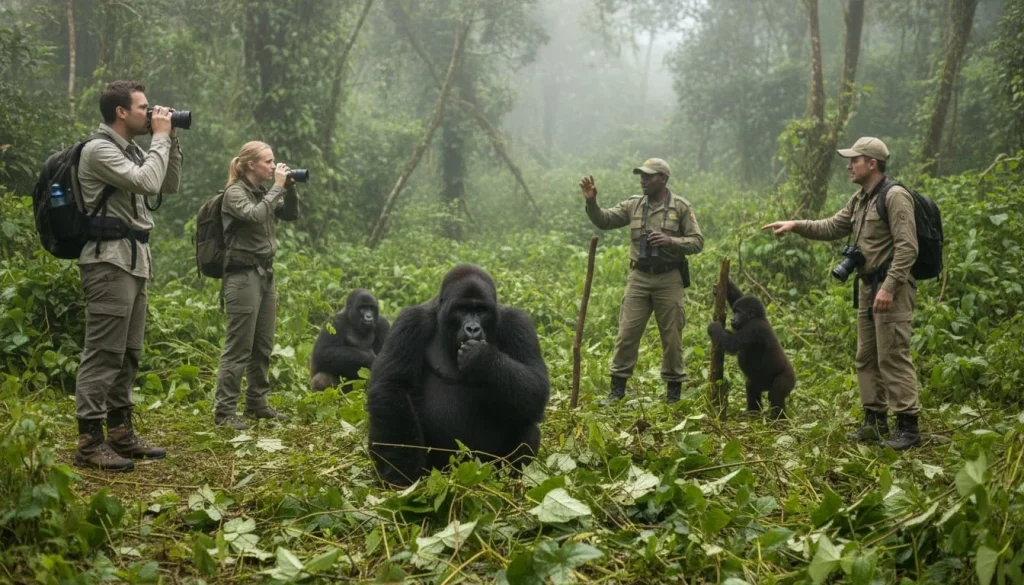
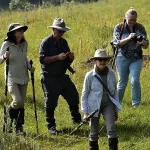
Choosing suitable rain gear for rainforest trekking is essential when preparing for gorilla trekking, chimpanzee encounters and guided forest walks in East Africa. Tropical forests such as Bwindi, Kibale, Mgahinga and Rwanda’s Volcanoes National Park experience unpredictable rainfall, high humidity and wet vegetation throughout the year.
Even during relatively dry months, visitors may encounter sudden showers, muddy trails and dripping forest canopies. Without appropriate waterproof clothing, trekking can quickly become uncomfortable, while moisture may damage cameras, mobile phones and other personal belongings.
Rain ponchos, waterproof jackets and backpack covers provide different levels of protection. Selecting the right combination depends on your trekking destination, expected weather conditions and personal preferences.
Understanding the advantages and limitations of each type of rain gear helps you pack appropriately, maintain comfortable body temperatures and protect your equipment during extended rainforest excursions.
Why Rain Gear Is Important for Rainforest Trekking
Rainforest trekking presents different challenges from walking across open grasslands. Dense vegetation retains moisture, while shaded forest trails can remain muddy long after rainfall has stopped.
Visitors may encounter water dripping from branches, wet leaves brushing against clothing and sudden changes in temperature. Walking uphill also increases perspiration, making breathable waterproof clothing particularly important.
Suitable rain gear helps protect your body and equipment without creating unnecessary discomfort.
| Rainforest challenge | Recommended protection |
|---|---|
| Sudden rainfall | Waterproof jacket or poncho |
| Wet vegetation | Waterproof trousers and gaiters |
| Muddy trails | Waterproof hiking boots |
| Backpack moisture | Rain cover and waterproof liner |
| Camera exposure | Waterproof camera cover |
| Cool mountain temperatures | Lightweight fleece |
| Wet personal documents | Waterproof document pouch |
Preparing for these conditions allows you to remain focused on your wildlife experience.
Best Rain Gear for Rainforest Trekking
1. Rain Ponchos
Rain ponchos are loose-fitting waterproof garments designed to cover the upper body. Some models extend over backpacks, providing additional protection for personal belongings.
Ponchos are particularly useful during unexpected rainfall because they are quick to put on and remove.
They are generally affordable, lightweight and easy to carry.
Advantages of rain ponchos include:
-
Quick protection during sudden showers.
-
Coverage for both your body and backpack.
-
Compact storage when folded.
-
Affordable purchase prices.
-
Good ventilation through loose openings.
However, loose-fitting ponchos can become caught on branches and thorny vegetation. They may also restrict movement when navigating steep forest slopes.
Choose a durable, reusable hiking poncho rather than a thin disposable plastic version.
2. Waterproof Rain Jackets
A waterproof hiking jacket is generally the most practical option for mountain gorilla trekking and extended rainforest walks.
Unlike ponchos, waterproof jackets provide a closer fit, allowing greater freedom of movement through dense vegetation.
High-quality jackets feature sealed seams, adjustable hoods and waterproof or protected zips.
Breathable waterproof materials also help moisture escape during physical activity, although perspiration can still accumulate in humid conditions.
A lightweight waterproof jacket is particularly useful in Bwindi, where temperatures can change considerably during a single trekking excursion.
3. Backpack Rain Covers
A backpack rain cover protects the exterior of your daypack against rainfall, mud and wet vegetation.
Most covers feature elastic edges or adjustable straps that secure them around the backpack.
However, rain covers do not necessarily prevent water from entering through the back panel, shoulder straps or uncovered openings.
For additional protection, use a waterproof backpack liner or individual dry bags inside your daypack.
4. Waterproof Hiking Trousers
Waterproof overtrousers provide additional protection during prolonged rainfall.
They are particularly useful when walking through wet grass, dense vegetation and muddy forest trails.
Choose lightweight models that can be worn over ordinary hiking trousers without restricting movement.
Full-length or ankle zips make them easier to put on without removing your hiking boots.
5. Waterproof Dry Bags
Dry bags provide an additional layer of protection for valuable equipment.
They are particularly useful for storing cameras, mobile phones, passports, spare clothing and electronic accessories.
Roll-top dry bags are available in different sizes, allowing you to organise personal belongings separately.
Ensure the opening is properly sealed before entering the forest.
Rain Ponchos vs Waterproof Jackets
Choosing between a poncho and a waterproof jacket depends on your trekking environment and expected walking conditions.
| Feature | Rain poncho | Waterproof jacket |
|---|---|---|
| Rain protection | Good | Very good when properly sealed |
| Breathability | Good ventilation | Depends on fabric and design |
| Backpack coverage | Often included | Separate cover required |
| Freedom of movement | Can be restricted | Generally excellent |
| Wind protection | Limited | Generally better |
| Dense vegetation | May catch on branches | More practical |
| Portability | Excellent | Very good |
| Cost | Generally lower | Varies considerably |
| Gorilla trekking suitability | Good | Excellent |
For challenging mountain gorilla trekking, a breathable waterproof jacket is generally preferable. A poncho remains useful as additional emergency protection.
Features of a Good Waterproof Hiking Jacket
Waterproof Rating
Manufacturers commonly measure fabric waterproofness using a hydrostatic head rating expressed in millimetres.
Higher ratings generally indicate greater resistance to water pressure under laboratory testing.
| Waterproof rating | General application |
|---|---|
| 5,000mm | Light rain and occasional showers |
| 10,000mm | Moderate rainfall and general hiking |
| 15,000mm | Sustained rainfall |
| 20,000mm and above | Demanding wet-weather activities |
A jacket rated around 10,000mm to 20,000mm is a reasonable starting point for rainforest trekking.
However, sealed seams, garment construction and maintenance also influence waterproof performance.
Breathability
Rainforest trekking involves physical activity in humid conditions. A poorly ventilated jacket can trap perspiration, leaving your clothing damp even when rainwater remains outside.
Choose jackets with breathable materials, adjustable openings and ventilation zips where available.
Adjustable Hood
A well-designed hood protects your head and neck against rainfall.
Choose a hood that moves comfortably with your head without obstructing your vision when walking along narrow forest paths.
Sealed Seams
Water can penetrate ordinary stitching even when the surrounding fabric is waterproof.
Fully sealed seams help prevent leakage during sustained rainfall.
Lightweight Construction
A lightweight jacket is easier to carry when rainfall stops.
Packable jackets are particularly convenient for travellers combining rainforest trekking with savannah wildlife safaris and domestic flights.
Best Backpack Size for Rainforest Trekking
A daypack with a capacity of approximately 15 to 30 litres is generally sufficient for standard gorilla trekking.
| Backpack capacity | Recommended use |
|---|---|
| 10–15 litres | Short forest walks |
| 15–20 litres | Lightweight gorilla trekking |
| 20–25 litres | General rainforest trekking |
| 25–30 litres | Photography equipment and longer excursions |
| 30 litres and above | Extended hiking or specialist activities |
Choose a rain cover that matches your backpack’s capacity.
An oversized cover may move around during windy conditions, while an undersized cover may leave sections of your backpack exposed.
Rain Gear Recommendations by National Park
Bwindi Impenetrable National Park
Bwindi’s mountainous terrain and dense forest vegetation make waterproof jackets, backpack covers and gaiters particularly useful.
Rainfall remains possible throughout the year, even during January, February, June and July.
Mgahinga Gorilla National Park
Mgahinga’s volcanic terrain can experience cold mornings, mist and changing weather conditions.
A waterproof jacket combined with a lightweight fleece provides practical protection against rainfall and cooler temperatures.
Volcanoes National Park
Rwanda’s Volcanoes National Park features elevated mountain forests and bamboo vegetation.
A fitted waterproof jacket is particularly useful when walking through dense vegetation and areas containing stinging nettles.
Kibale National Park
Kibale’s humid tropical forest can make heavy waterproof clothing uncomfortable during chimpanzee trekking.
Choose a lightweight, breathable rain jacket with good ventilation and carry a waterproof backpack liner to protect your belongings.
How Much Should You Spend on Rain Gear?
You do not need expensive mountaineering equipment for an ordinary rainforest trekking safari.
| Rain gear item | Indicative budget |
|---|---|
| Reusable hiking poncho | $15–$50 |
| Basic waterproof jacket | $40–$80 |
| Midrange waterproof jacket | $80–$180 |
| Premium waterproof jacket | $200–$400+ |
| Backpack rain cover | $10–$35 |
| Waterproof trousers | $30–$100 |
| Waterproof dry bag | $10–$40 |
| Hiking gaiters | $20–$60 |
These figures are illustrative budgeting estimates rather than confirmed retail prices.
Prioritise reliable waterproof protection, comfortable fitting and durability over expensive brand names.
Protecting Cameras and Electronic Equipment
Rainforest moisture can damage sensitive photography equipment, particularly when water enters battery compartments, lens connections or electronic controls.
Weather-sealed cameras are generally resistant to certain environmental conditions, but they are not necessarily waterproof.
Carry a dedicated camera rain cover and keep unused equipment inside waterproof bags.
Store spare batteries and memory cards separately in sealed protective cases.
A microfibre cloth is useful for removing water droplets from camera lenses.
Avoid changing lenses during rainfall, and allow damp equipment to dry properly after returning to your accommodation.
Common Rain Gear Mistakes to Avoid
Many travellers depend entirely on weather forecasts when preparing for gorilla trekking. However, local mountain weather can change unexpectedly.
Other common mistakes include wearing heavy cotton clothing, relying exclusively on backpack covers, purchasing poorly ventilated jackets and forgetting spare hiking socks.
Keep your waterproof jacket near the top of your backpack so you can access it quickly.
After trekking, hang wet clothing in a ventilated area and clean mud from your equipment according to the manufacturer’s instructions.
Frequently Asked Questions
Is a poncho or rain jacket better for gorilla trekking?
A waterproof hiking jacket is generally better for navigating steep slopes and dense vegetation. Ponchos are useful for quick protection during unexpected showers.
Do I need rain gear during Uganda’s dry season?
Yes. Tropical mountain forests can receive rainfall throughout the year, including during relatively dry months.
Is a backpack rain cover enough to protect my camera?
No. Combine an external rain cover with a waterproof liner or dry bag for more reliable protection.
Can I wear an ordinary raincoat for gorilla trekking?
Yes, provided it offers sufficient waterproof protection, ventilation and freedom of movement.
Are waterproof trousers necessary for rainforest trekking?
They are optional but particularly useful during prolonged rainfall and when walking through wet vegetation.
Choosing suitable rain gear for rainforest trekking helps you remain comfortable and protect your belongings during gorilla trekking and other forest activities in East Africa.
A breathable waterproof jacket, backpack rain cover and waterproof dry bag provide a practical combination for most visitors. Ponchos, waterproof trousers and gaiters offer additional protection when conditions become particularly wet.
Prepare for unexpected rainfall regardless of your travel season, and choose reliable equipment that allows you to move comfortably through the forest.