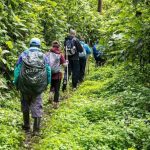
Altitude and Gorilla Trekking: What Visitors Should Know
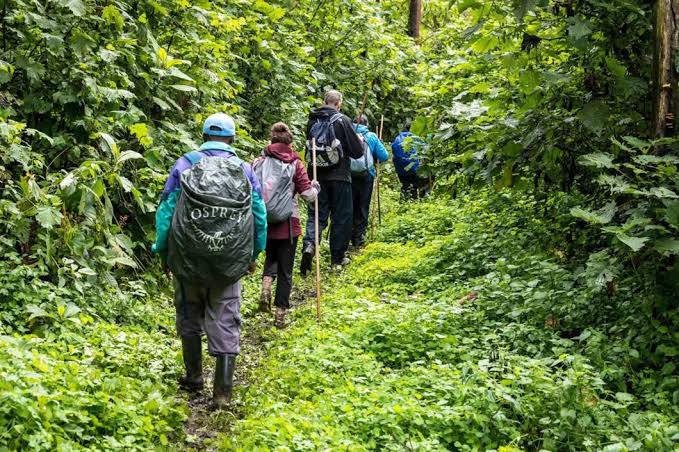
Understanding altitude and gorilla trekking is an important part of preparing for a mountain gorilla safari in Uganda or Rwanda. Unlike wildlife game drives across relatively low-lying savannahs, gorilla trekking takes place in mountainous forests where elevation, steep slopes and reduced oxygen availability can make walking more physically demanding.
Bwindi Impenetrable National Park, Mgahinga Gorilla National Park and Volcanoes National Park occupy different elevations. Visitors may experience breathlessness, fatigue or mild headaches, particularly if they normally live near sea level.
However, altitude does not prevent most reasonably fit travellers from enjoying gorilla trekking. Allowing sufficient recovery time after arrival, maintaining a comfortable walking pace and preparing physically before departure can improve your experience.
Understanding how your body responds to elevation also helps you recognise potential health concerns, choose suitable accommodation and organise a safari that matches your physical abilities.
How High Are Gorilla Trekking Destinations?
Mountain gorillas inhabit forests at considerable elevations, although the exact altitude varies between national parks and trekking routes.
| Gorilla trekking destination | Approximate park elevation |
|---|---|
| Bwindi Impenetrable National Park, Uganda | 1,160–2,607 metres |
| Mgahinga Gorilla National Park, Uganda | 2,227–4,127 metres |
| Volcanoes National Park, Rwanda | Approximately 2,400–4,507 metres |
These figures represent the approximate elevation ranges of the national parks, including mountain summits. Ordinary gorilla trekking does not normally involve climbing to the highest points.
The actual trekking elevation depends on the location of your assigned gorilla family and the route selected by park rangers.
Understanding Altitude and Gorilla Trekking
As elevation increases, atmospheric pressure decreases. Although oxygen still accounts for approximately 21% of the surrounding air, each breath delivers less oxygen to your body than it would at sea level.
Your body responds by increasing breathing rates and making other physiological adjustments.
You may notice that walking uphill requires more effort, particularly when carrying a backpack or navigating muddy forest trails.
Travellers arriving from low-lying coastal regions may experience these differences more noticeably than people accustomed to mountainous environments.
Altitude illness becomes a particular concern at elevations around 2,500 metres and above, although individual susceptibility varies.
Altitude Differences Across Gorilla Trekking Destinations
Bwindi Impenetrable National Park
Bwindi contains a combination of lower forest valleys and elevated mountain ridges. Its four trekking sectors offer different walking conditions.
Buhoma generally provides access to lower-elevation forest habitats, while Ruhija occupies higher mountainous terrain.
Rushaga and Nkuringo contain steep hillsides and deep valleys that can make walking physically demanding.
Visitors concerned about altitude or mobility should discuss sector selection with their safari operator before purchasing permits.
However, choosing a lower-elevation sector does not guarantee a shorter or easier trek.
Mgahinga Gorilla National Park
Mgahinga occupies the Ugandan slopes of the Virunga Mountains.
Its volcanic landscapes, bamboo forests and elevated trails can make physical activity more demanding for travellers arriving directly from low-altitude regions.
Spending time around Kisoro before trekking may help visitors become accustomed to the local environment.
Volcanoes National Park
Rwanda’s Volcanoes National Park contains elevated mountain habitats where visitors may encounter steep slopes, thick vegetation and cool temperatures.
Travellers arriving in Rwanda for short gorilla safaris should consider spending additional time around Musanze before undertaking demanding forest activities.
Mountain climbing excursions within the park involve different altitude considerations from standard gorilla trekking.
Common Symptoms Associated With Higher Altitudes
Some visitors experience mild breathlessness during uphill walking. This does not necessarily mean they have altitude sickness.
However, persistent or worsening symptoms deserve attention.
| Symptom | Recommended response |
|---|---|
| Mild breathlessness during exercise | Reduce walking pace and rest |
| Unusual fatigue | Take a break and inform your guide |
| Headache with nausea | Stop ascending and seek assessment |
| Dizziness | Stop walking and inform your ranger |
| Difficulty breathing while resting | Seek emergency medical assistance |
| Confusion or difficulty walking normally | Immediate descent and emergency care |
Symptoms can have other causes, including dehydration, infection, exhaustion and existing medical conditions. Avoid diagnosing yourself without appropriate medical advice.
Can You Get Altitude Sickness During Gorilla Trekking?
Yes. Although severe altitude illness is not a routine occurrence during gorilla trekking, it remains possible, particularly when visitors ascend rapidly to higher elevations.
Acute mountain sickness can cause headaches, nausea, dizziness and unusual tiredness. Symptoms often develop within several hours of arriving at a higher altitude.
Physical fitness does not guarantee protection against altitude sickness. Even experienced athletes can experience difficulties.
Visitors should never continue ascending while experiencing symptoms of altitude illness. Worsening symptoms require descent and appropriate medical attention.
Severe altitude illness, including high-altitude pulmonary oedema and high-altitude cerebral oedema, requires emergency treatment.
How to Prepare Physically for Gorilla Trekking
Preparing several weeks before your safari can improve walking endurance and make steep forest trails more manageable.
A gradual exercise programme may include regular walking, stair climbing and gentle cardiovascular activities.
| Preparation period | Suggested activity |
|---|---|
| Six weeks before | Regular 20–30-minute walks |
| Four weeks before | Longer walks and gentle hills |
| Three weeks before | Practise walking on uneven terrain |
| Two weeks before | Walk with a lightweight daypack |
| Final week | Maintain gentle exercise and adequate rest |
Adjust exercise intensity according to your fitness and medical circumstances.
Training improves endurance, but it does not replace altitude acclimatisation.
How to Adjust to Higher Altitudes Before Trekking
Allow Time After Arrival
Avoid organising a demanding gorilla trek immediately after a long international flight whenever possible.
Spending an additional night or two near your trekking destination allows time to recover from travel fatigue and begin adjusting to the elevation.
Some travellers may require longer acclimatisation, particularly when sleeping above 2,500 metres.
Maintain a Comfortable Walking Pace
Gorilla trekking is not a competition. Walking too quickly during the first part of your excursion can lead to unnecessary exhaustion.
Tell your ranger if you need additional breaks. A steady walking pace is generally more manageable than repeated periods of strenuous effort.
Stay Adequately Hydrated
Carry sufficient safe drinking water and drink regularly according to your needs.
Dehydration may worsen headaches and fatigue, but excessive water consumption does not prevent altitude sickness.
Avoid excessive alcohol consumption before trekking, particularly during your initial adjustment to higher elevations.
Get Sufficient Sleep
A comfortable night’s sleep before trekking can improve concentration and physical endurance.
Choose accommodation near your designated trekking headquarters to avoid unnecessarily early departures and lengthy morning transfers.
Altitude and Gorilla Trekking for Senior Travellers
Older travellers can enjoy mountain gorilla trekking, provided their health and physical abilities are suitable for the activity.
Age alone does not determine whether someone will experience altitude illness. Existing cardiovascular conditions, respiratory illnesses, mobility limitations and previous altitude-related problems deserve greater consideration.
Senior visitors should consider arranging porter assistance, comfortable accommodation and additional recovery days.
Travellers with significant medical conditions should consult their healthcare professional before confirming a demanding gorilla trekking itinerary.
Where available, assisted trekking arrangements may help visitors with mobility limitations. However, these arrangements do not eliminate altitude-related health risks.
Should You Take Altitude Sickness Medication?
Acetazolamide is sometimes prescribed to help prevent altitude sickness when gradual acclimatisation is difficult.
However, most standard gorilla trekking itineraries do not automatically require preventive altitude medication.
Your doctor should assess your previous altitude experiences, intended sleeping elevations, existing health conditions and planned activities before recommending medication.
Do not use medication as a reason to ignore worsening symptoms or continue climbing when you feel unwell.
Essential Equipment for Higher-Altitude Gorilla Trekking
Suitable equipment helps manage the practical challenges associated with mountainous forest environments.
| Equipment | Purpose |
|---|---|
| Waterproof hiking boots | Reliable grip on uneven terrain |
| Walking stick | Additional balance and stability |
| Lightweight fleece | Warmth during cool mornings |
| Waterproof jacket | Protection against unexpected rainfall |
| Drinking water | Maintaining hydration |
| Energy snacks | Supporting physical activity |
| Comfortable daypack | Carrying essential supplies |
| Gardening gloves | Hand protection |
| Personal medication | Managing existing medical requirements |
Hiring a local porter can reduce the amount of equipment you carry during demanding climbs.
Recommended Gorilla Safari Itinerary for Altitude Adjustment
A carefully paced itinerary provides greater flexibility than rushing directly from an international airport to the gorilla trail.
| Day | Destination | Activity |
|---|---|---|
| Day 1 | Entebbe | Arrival and overnight rest |
| Day 2 | Southwestern Uganda | Transfer towards Bwindi |
| Day 3 | Bwindi region | Gentle countryside walk and relaxation |
| Day 4 | Bwindi Forest | Mountain gorilla trekking |
| Day 5 | Lake Bunyonyi | Recovery and lakeside relaxation |
| Day 6 | Entebbe | Return journey |
This itinerary allows additional preparation and recovery time. Travellers visiting higher elevations or combining gorilla trekking with mountain climbing may need a different acclimatisation schedule.
Frequently Asked Questions
Is altitude a problem during gorilla trekking?
Altitude can make physical activity more demanding, particularly for visitors arriving from sea-level destinations. Individual responses vary considerably.
Which gorilla trekking destination has the lowest altitude?
Bwindi contains lower-elevation forest habitats than Mgahinga and Volcanoes National Park. Buhoma may be worth considering for travellers concerned about elevation.
Does altitude make gorilla trekking more difficult?
Yes. Reduced oxygen availability can increase breathing rates and physical fatigue during steep climbs. Trail conditions and trekking duration also influence difficulty.
Can physically fit people experience altitude sickness?
Yes. Physical fitness improves walking endurance but does not prevent altitude illness.
Should I carry a portable oxygen cylinder?
Most standard gorilla trekking visitors do not need personal oxygen equipment. Travellers with particular medical requirements should arrange appropriate support with their healthcare professional and safari operator.
What happens if I feel unwell during gorilla trekking?
Inform your ranger immediately. Depending on your symptoms, you may need to stop walking, descend to a lower elevation or receive medical assistance.
Understanding altitude and gorilla trekking helps visitors prepare for the physical demands of exploring Uganda and Rwanda’s mountain forests. Elevation can influence breathing, energy levels and walking comfort, particularly among travellers unfamiliar with mountainous environments.
Allow sufficient preparation time, maintain a comfortable walking pace and recognise symptoms that require medical attention. Choose suitable accommodation, carry appropriate equipment and discuss any existing health concerns before departure.
With sensible preparation, many travellers can enjoy mountain gorilla encounters while managing the challenges associated with higher elevations.