
Safe Drinking Water at Remote Lodges: Filters, Bottles and Purification Tablets
Access to safe drinking water at remote lodges is an important consideration when planning a safari in East Africa. Accommodation facilities located near Bwindi Impenetrable National Park, Serengeti National Park or other isolated wildlife destinations may rely on boreholes, rainwater collection systems, natural springs or locally supplied water.
Although many safari lodges provide treated drinking water, visitors should understand the difference between water suitable for washing and water that is safe for consumption. Clear water does not necessarily mean clean water, as harmful bacteria, viruses and parasites are often invisible.
Reusable water bottles, portable filtration systems and purification tablets offer practical options for maintaining access to drinking water during forest treks and extended game drives.
Knowing how to identify reliable water sources and use purification equipment correctly can reduce the risk of illness and help you remain hydrated throughout your safari.
Why Safe Drinking Water at Remote Lodges Matters
Remote safari lodges often operate far from municipal water treatment facilities. Depending on their location, they may collect water from underground boreholes, mountain springs, rainwater tanks or nearby rivers.
While these sources can provide reliable water when properly managed, contamination may occur during collection, storage or distribution.
Drinking contaminated water can expose travellers to illnesses such as typhoid, cholera, giardiasis and travellers’ diarrhoea. Developing a stomach illness immediately before gorilla trekking can disrupt an expensive safari itinerary and leave you unable to participate in scheduled activities.
Before consuming water at your accommodation, ask the lodge management how it is treated and whether it is suitable for drinking.
Understanding Different Water Sources at Safari Lodges
| Water source | Drinking recommendation |
|---|---|
| Factory-sealed bottled water | Generally the safest convenient option |
| Properly treated lodge drinking water | Suitable when treatment is reliable |
| Untreated tap water | Avoid drinking |
| Borehole water | Requires appropriate treatment and testing |
| Rainwater collection tanks | Requires appropriate treatment |
| Natural springs | Do not assume water is safe |
| Rivers and lakes | Requires effective purification |
| Properly boiled water | Suitable when protected against recontamination |
Even at luxury safari lodges, bathroom tap water may be unsuitable for drinking. The quality of accommodation does not automatically determine the safety of its water supply.
Best Ways to Access Safe Drinking Water at Remote Lodges
1. Factory-Sealed Bottled Water
Commercially bottled water remains one of the simplest options for international travellers visiting remote African destinations.
Many safari operators provide bottled drinking water during road transfers, game drives and guided activities. Lodges may also place complimentary bottles in guest rooms.
Check that the bottle seal is intact before drinking. Avoid bottles that appear to have been opened or refilled without your knowledge.
The main disadvantage of disposable bottled water is the amount of plastic waste generated. Travellers spending two weeks on safari can consume dozens of individual bottles.
Where reliable treated-water refill stations exist, reusable bottles provide a practical alternative.
2. Reusable Water Bottles
A reusable water bottle is particularly useful during gorilla trekking, nature walks and extended wildlife game drives.
Stainless steel bottles offer durability, while lightweight reusable plastic bottles are convenient for travellers concerned about luggage weight.
An insulated bottle can keep drinking water cooler during warm afternoons in Serengeti or Queen Elizabeth National Park.
However, reusable bottles do not purify water automatically. Always refill them from a verified safe drinking water supply.
Wash your bottle regularly using safe water and allow it to dry completely whenever possible.
3. Portable Water Filters
Portable water filters allow travellers to remove certain contaminants from water. They are available as filtered drinking bottles, squeeze filters, pump systems and gravity-fed filtration devices.
Many outdoor filters remove bacteria and parasites. However, ordinary camping filters may not remove viruses.
This distinction is particularly important when travelling in areas where water could be contaminated by human waste.
Choose equipment that has been independently tested for the microorganisms you need protection against. Where a filter does not remove viruses, additional disinfection may be necessary.
4. Water Purification Tablets
Purification tablets provide a lightweight emergency backup when reliable drinking water is unavailable.
Common products contain chlorine, chlorine dioxide or iodine-based disinfectants. Their effectiveness varies according to the active ingredient, water quality, dosage and contact time.
Chlorine dioxide products can provide protection against certain resistant parasites when used according to their instructions, although some require several hours to complete treatment.
Never assume all purification tablets work within 30 minutes. Read the manufacturer’s instructions carefully and allow the full recommended treatment period.
Iodine-based products are unsuitable for some people, including pregnant travellers and individuals with certain thyroid conditions.
Water Filters vs Purification Tablets
Both options have advantages, but neither should be selected without understanding its limitations.
| Feature | Portable water filter | Purification tablets |
|---|---|---|
| Weight | Depends on design | Extremely lightweight |
| Treatment time | Often immediate filtration | Requires a waiting period |
| Bacteria protection | Depends on filter specification | Generally effective when used correctly |
| Virus protection | Requires suitable purifier or additional treatment | Generally effective against susceptible viruses |
| Parasite protection | Depends on filter specification | Varies by active ingredient |
| Chemical removal | Limited and model dependent | Generally ineffective |
| Maintenance | Cleaning and cartridge replacement | Minimal |
| Emergency suitability | Very good | Very good |
Neither ordinary filters nor purification tablets reliably make chemically contaminated water safe. Avoid water sources suspected of containing pesticides, fuel or other hazardous pollutants.
Types of Portable Water Filters for Safari Travel
Filtered Water Bottles
Filtered bottles combine drinking water storage and filtration within a single container.
They are convenient during guided walks because they require little additional equipment.
Before purchasing one, check whether the filtration system removes microorganisms or simply improves water taste and smell.
A basic carbon filter designed for household drinking water should not be treated as a complete microbiological purification system.
Squeeze Water Filters
Squeeze filters use pressure to force water through a filtration membrane.
They are lightweight and popular among hikers. However, many models do not remove viruses and therefore require additional treatment when viral contamination is possible.
Gravity Water Filters
Gravity filters allow water to pass through a filtration system without manual pumping.
They are particularly useful for groups undertaking camping safaris or extended mountain expeditions.
Their larger capacity makes them less necessary for ordinary lodge-based holidays where treated drinking water is available.
Ultraviolet Water Purifiers
Portable ultraviolet purification devices use UV light to inactivate susceptible microorganisms.
They can be effective when used correctly with sufficiently clear water. However, they require a reliable power source and do not remove sediment or chemical contaminants.
Carry an alternative purification method in case batteries become depleted.
Is Boiled Water Safe to Drink at Remote Lodges?
Boiling remains one of the most reliable methods of destroying disease-causing microorganisms.
The CDC recommends maintaining a rolling boil for one minute, or three minutes at elevations above approximately 2,000 metres.
This higher-elevation recommendation is particularly relevant to visitors staying in mountainous parts of southwestern Uganda and Rwanda.
After boiling, allow the water to cool inside a clean, covered container. Boiling does not remove harmful chemicals or heavy metals.
Ask lodge staff whether drinking water has been properly boiled or otherwise treated before consumption.
Recommended Drinking Water Supplies for Safari Activities
Your water requirements depend on temperature, physical activity, trekking duration and individual health needs.
| Safari activity | Suggested starting quantity per person |
|---|---|
| Short nature walk | 500ml–1 litre |
| Morning game drive | 1 litre |
| Half-day chimpanzee trek | 1–2 litres |
| Mountain gorilla trek | Around 2 litres |
| Full-day game drive | 2–3 litres |
| Extended mountain hiking | Based on professional itinerary guidance |
These quantities are general packing estimates rather than fixed daily hydration requirements.
Confirm water availability with your guide before leaving your accommodation, particularly when visiting remote national parks.
Drinking Water Precautions During Gorilla Trekking
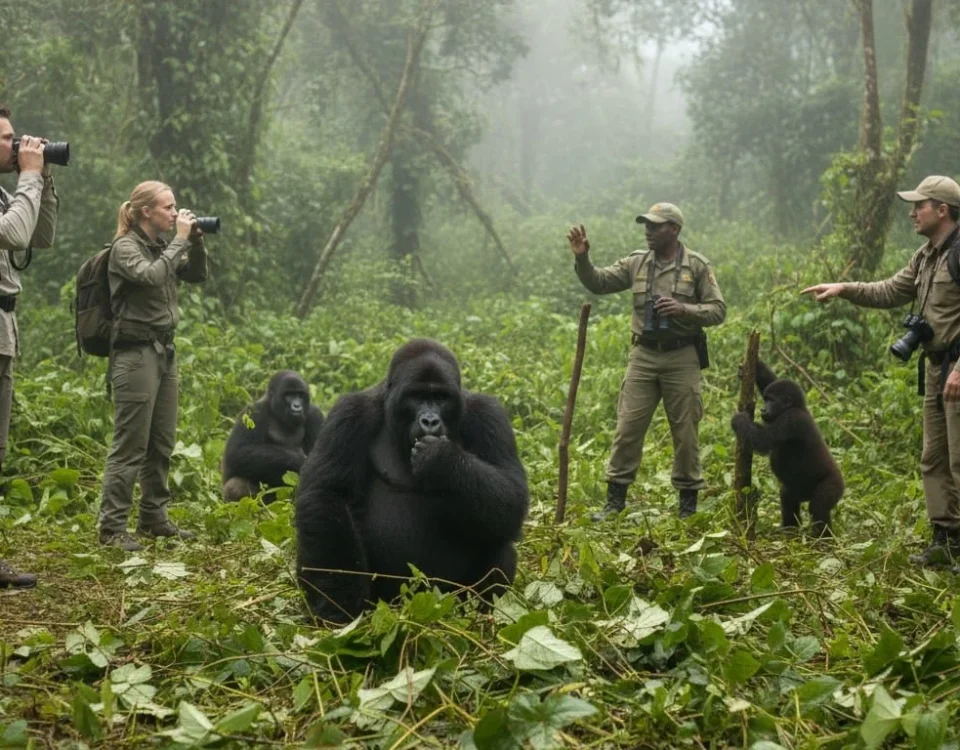
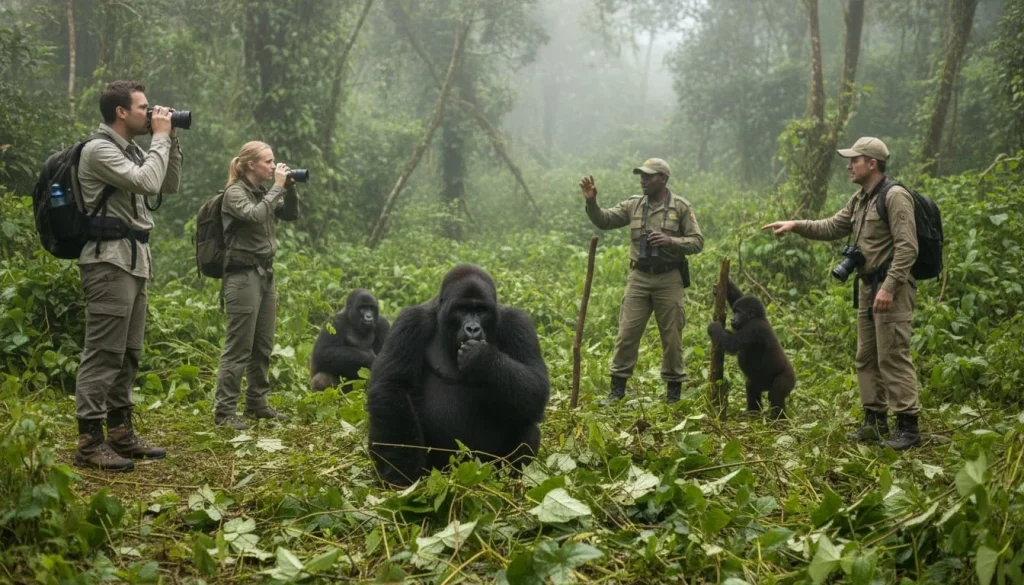
Gorilla trekking can involve several hours of walking through humid forests and mountainous terrain.
Fill your reusable bottle with verified safe drinking water before leaving your lodge. Do not depend on finding drinking water along the forest trail.
Natural streams in Bwindi may appear clean and refreshing, but wildlife activity and environmental contamination can affect water quality.
Carry purification tablets as an emergency backup if appropriate. Drink during ranger-approved breaks and avoid eating or drinking near mountain gorillas.
Hiring a local porter can help if carrying sufficient drinking water makes your backpack particularly heavy.
Questions to Ask Your Safari Lodge About Drinking Water
Before confirming your accommodation, ask a few practical questions concerning its drinking water arrangements.
-
Is complimentary drinking water provided in guest rooms?
-
Does the lodge offer treated-water refill stations?
-
How is drinking water filtered and disinfected?
-
Is bathroom tap water suitable for brushing teeth?
-
Is ice prepared using safe drinking water?
-
Can guests refill their bottles before game drives?
-
Is sufficient drinking water provided during packed-lunch excursions?
A responsible accommodation provider should be able to explain its drinking water arrangements clearly.
Safe Water for Brushing Teeth and Preparing Drinks
Travellers sometimes remember to drink bottled water but forget that untreated water can enter the body through other activities.
Where tap water safety is uncertain, use bottled or adequately disinfected water for brushing your teeth.
Avoid ice cubes unless you know they were made using safe drinking water.
Tea and coffee prepared with properly boiled water are generally suitable. However, cold drinks diluted with untreated water may present a contamination risk.
These precautions are equally relevant when staying at budget camps, midrange lodges and luxury accommodation.
Frequently Asked Questions
Can I drink tap water at safari lodges in Uganda and Rwanda?
Do not drink untreated tap water. Ask lodge management whether a particular water supply has been adequately treated and is suitable for consumption.
Are filtered water bottles worth carrying on safari?
Yes, particularly when visiting remote destinations. However, ensure the filtration system provides appropriate microbiological protection.
Do water purification tablets expire?
Yes. Check the expiry date, packaging condition and storage instructions before departure.
Can I drink water directly from mountain streams in Bwindi?
No. Untreated stream water may contain harmful microorganisms despite appearing clear.
What should I do if I develop diarrhoea during a safari?
Use safe drinking water and oral rehydration salts as directed to replace lost fluids and electrolytes. Seek medical attention if symptoms are severe, persistent or accompanied by fever, bloody stools or dehydration.
Do luxury safari lodges provide safe drinking water?
Many luxury lodges provide bottled or treated drinking water. Nevertheless, confirm the arrangements rather than assuming every tap provides potable water.
Maintaining access to safe drinking water at remote lodges requires sensible preparation and attention to water treatment practices. Factory-sealed bottled water and reliably treated lodge water are generally the most convenient options for ordinary safari holidays.
Reusable bottles help reduce plastic waste, while suitable water purifiers and purification tablets provide additional protection when visiting isolated destinations.
Before heading onto the gorilla trail or departing for a full-day game drive, confirm your water supply and carry enough for the planned activity. These simple precautions can help prevent avoidable illness and keep your East African safari on schedule.