Climb Mount Kilimanjaro for a Life-Changing Experience
Climb Kilimanjaro Adventure, the “Roof of Africa,” is more than just a mountain; it is a symbol of endurance, adventure, and the pursuit of the extraordinary. Rising 5,895 meters (19,341 feet) above sea level, Kilimanjaro is the highest peak in Africa and the tallest freestanding mountain in the world. Climbing this majestic mountain is not just a physical challenge but also a transformative journey that tests your limits, rewards your perseverance, and leaves you with memories that last a lifetime. Whether you are an avid hiker or a first-time adventurer, conquering Kilimanjaro is a life-changing experience that offers breathtaking landscapes, cultural immersion, and a profound sense of accomplishment.
Why Climb Kilimanjaro Adventure?
Climbing Mount Kilimanjaro is a bucket-list adventure for many, and for good reason. The journey to the summit takes you through five distinct ecological zones, each with its own unique beauty. From the lush rainforests at the base to the alpine meadows, moorlands, and finally the arctic summit, the diversity of landscapes is awe-inspiring. Along the way, you’ll encounter rare flora and fauna, including giant lobelias, exotic birds, and even the occasional monkey or antelope.
The climb is non-technical, meaning no specialized equipment or mountaineering skills are required. However, it is physically demanding, requiring stamina, determination, and mental resilience. Reaching the summit, Uhuru Peak, is a moment of triumph that fills climbers with an unparalleled sense of achievement. Standing above the clouds, watching the sunrise over the African plains, is an experience that will stay with you forever.
Best Time to Climb Mount Kilimanjaro

Timing is crucial when planning your Kilimanjaro adventure. The mountain can be climbed year-round, but the best times are during the dry seasons, which offer clearer skies and more stable weather conditions. These seasons are:
- January to March: This is one of the most popular times to climb. The weather is generally clear, and the trails are less crowded compared to the peak season. However, it can be colder at higher altitudes.
- June to October: This is the other peak climbing season, coinciding with the summer months in the Northern Hemisphere. The weather is dry, and visibility is excellent, making it ideal for summit attempts.
The rainy seasons (April to May and November to December) are less favorable due to slippery trails, heavy rainfall, and increased cloud cover. However, these periods are quieter and can be a good option for those seeking solitude.
Routes to the Summit
There are several routes to choose from, each offering a unique experience:
- Marangu Route: Known as the “Coca-Cola Route,” this is the most popular and easiest path. It features hut accommodations and a gradual ascent, making it ideal for beginners. However, it has a lower success rate due to its shorter acclimatization profile.
- Machame Route: Dubbed the “Whiskey Route,” this is a more challenging but scenic option. It is steeper and longer, allowing for better acclimatization and a higher success rate. It is recommended for those with some hiking experience.
- Lemosho Route: This is one of the most scenic and less crowded routes. It offers a longer trek with excellent acclimatization opportunities, making it a favorite among experienced climbers.
- Rongai Route: The only route approaching from the north, Rongai is less crowded and offers a more remote experience. It is a good choice for those seeking solitude and a gentler ascent.
- Northern Circuit: The longest and most remote route, the Northern Circuit offers the best acclimatization profile and the highest success rate. It is perfect for those who want to take their time and enjoy the journey.
Places to Visit Around Kilimanjaro
While the climb itself is the main attraction, the surrounding region offers plenty of opportunities for exploration and relaxation:
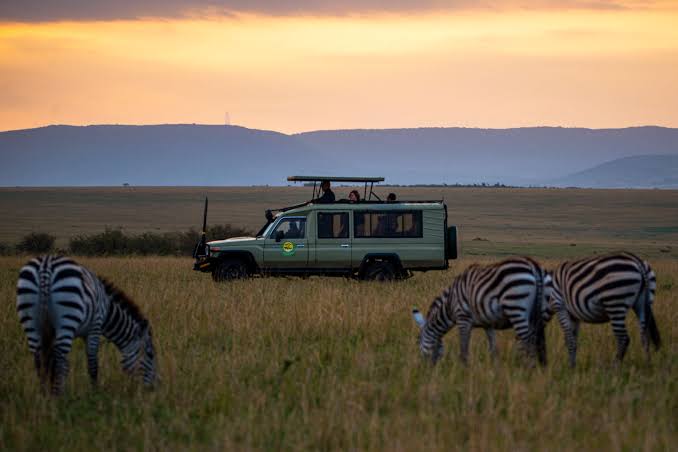
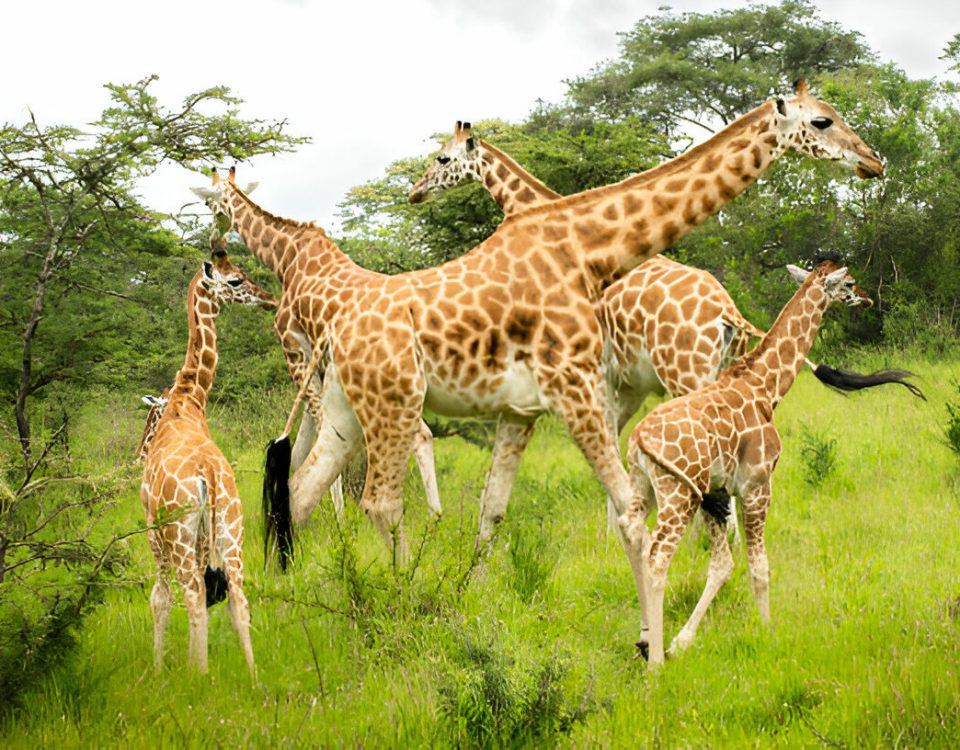
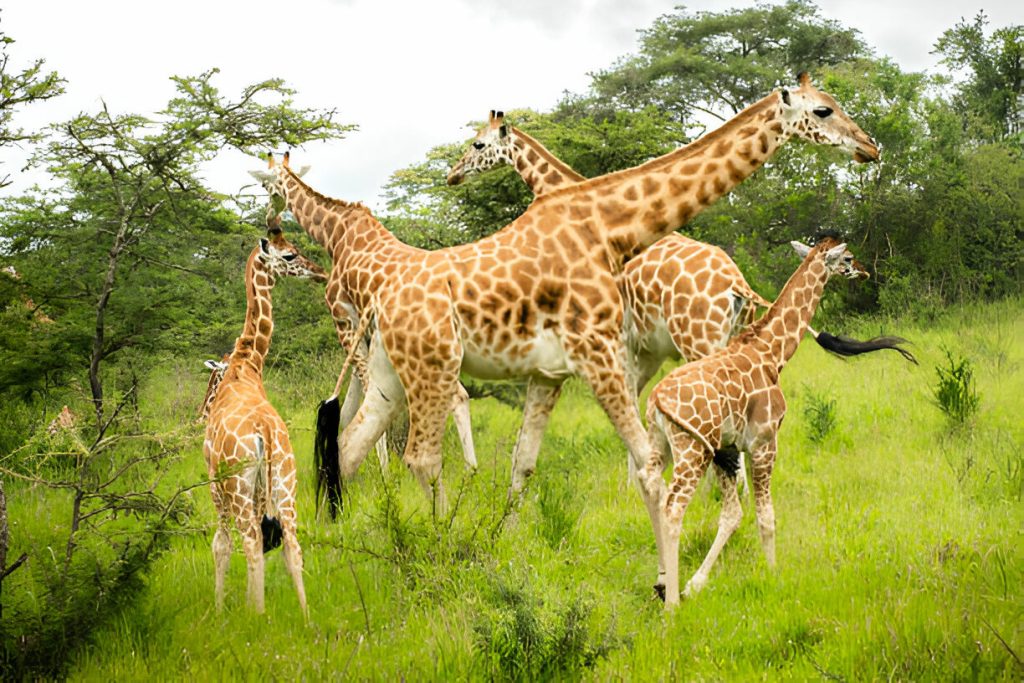
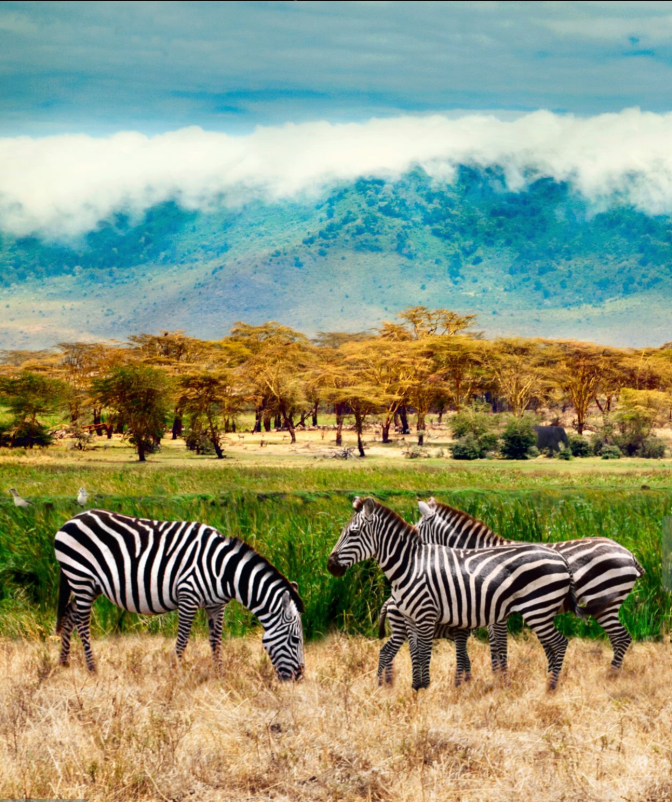
- Arusha National Park: Located at the base of Kilimanjaro, this park is a great place to acclimatize before your climb. It features diverse wildlife, including giraffes, zebras, and flamingos, as well as stunning landscapes like the Momella Lakes and Mount Meru.
- Moshi Town: The gateway to Kilimanjaro, Moshi is a vibrant town with a rich cultural heritage. Visit local markets, coffee plantations, and the Kibo Palace Museum to learn about the region’s history and traditions.
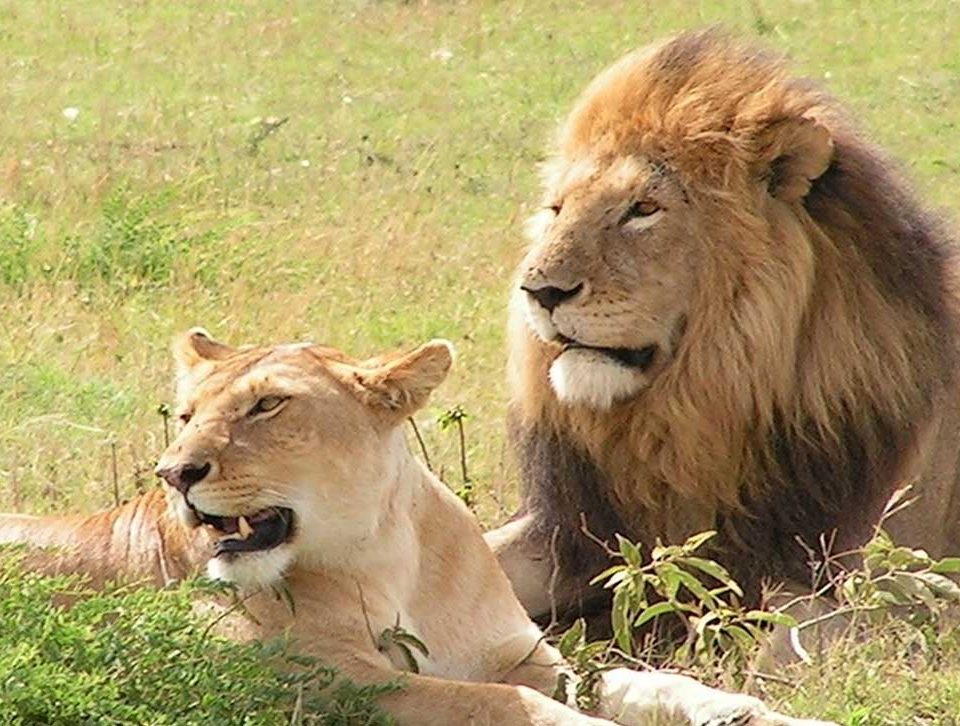
- Amboseli National Park (Kenya): Just across the border in Kenya, Amboseli offers incredible views of Kilimanjaro and is home to large herds of elephants, lions, and other wildlife.
- Lake Chala: A hidden gem near Moshi, this crater lake is perfect for a day trip. Enjoy swimming, kayaking, or simply relaxing by the tranquil waters.
Transport to Use
Getting to Kilimanjaro is relatively straightforward. The nearest international airport is Kilimanjaro International Airport (JRO), which is served by several major airlines. From the airport, you can arrange a transfer to Moshi or Arusha, the two main towns serving as base camps for climbers.
For local transport, private shuttles and taxis are the most convenient options. Many tour operators include airport transfers and transportation to the trailhead as part of their packages. Public buses and dala-dalas (minibuses) are available for budget travelers but can be crowded and less reliable.
Accommodations: From Budget to Luxury

Whether you’re a budget traveler or seeking luxury, there are accommodations to suit every preference:
- Budget: For those on a tight budget, Moshi and Arusha offer a range of hostels and guesthouses. Popular options include Kilimanjaro Wonders Hotel and Honey Badger Lodge. These accommodations provide basic amenities and a friendly atmosphere, perfect for meeting fellow travelers.
- Mid-Range: If you’re looking for more comfort without breaking the bank, consider mid-range lodges like Panama Garden Resort or Weru Weru River Lodge. These properties offer spacious rooms, swimming pools, and on-site restaurants.
- Luxury: For a truly indulgent experience, opt for luxury lodges such as Mount Kilimanjaro View Lodge or Arusha Coffee Lodge. These properties feature elegant rooms, gourmet dining, and stunning views of the mountain. Some even offer spa services to help you relax before or after your climb.
Tips for a Successful Climb
- Train and Prepare: Climbing Kilimanjaro is physically demanding. Start training months in advance, focusing on cardio, strength, and endurance. Practice hiking with a loaded backpack to simulate the conditions.
- Choose the Right Gear: Invest in high-quality gear, including sturdy hiking boots, warm clothing, and a reliable sleeping bag. Layering is key to managing the varying temperatures.
- Acclimatize Properly: Altitude sickness is a real concern. Choose a route with a good acclimatization profile and listen to your body. Climb high, sleep low, and stay hydrated.
- Hire a Reputable Guide: Climbing with a licensed guide and porters is mandatory. They provide invaluable support, knowledge, and motivation throughout the journey.
- Stay Positive: The mental challenge is just as important as the physical one. Stay focused, take it one step at a time, and remember why you started.
Climbing Mount Kilimanjaro is more than just a trek; it is a journey of self-discovery, resilience, and connection with nature. From the diverse landscapes to the warm hospitality of the Tanzanian people, every aspect of the experience is enriching and unforgettable. Whether you’re standing on the summit or reflecting on your journey afterward, Kilimanjaro has a way of changing you in ways you never imagined. So pack your bags, lace up your boots, and embark on the adventure of a lifetime. The Roof of Africa is waiting for you.
How to Prepare for Climbing Kilimanjaro
Preparing well is the single most important factor in successfully summiting Mount Kilimanjaro. Unlike technical mountaineering peaks, Kilimanjaro requires no ropes or climbing equipment – but it does demand cardiovascular fitness, mental resilience, and proper acclimatization. Start your preparation at least three months before your climb.
Begin with regular cardiovascular training including hiking, running, cycling, and stair climbing. Aim to hike with a loaded backpack on uneven terrain at least once a week. Strength training focusing on legs and core will help significantly on the steep sections, particularly the Barafu or Stella Point approaches to the summit.
Sleep at altitude before your climb if possible. Even a weekend at a mountain lodge at 3,000m will help your body begin to adapt. On the mountain, the golden rule is “pole pole” – slowly, slowly. Rushing is the most common cause of altitude sickness and failed summits.
Kilimanjaro Routes Compared
There are seven official routes up Kilimanjaro, each with different scenery, difficulty levels, and summit success rates. The most popular routes are:
- Machame Route (6-7 days): Known as the “Whiskey Route” for its challenging terrain, Machame is the most scenic and has a good acclimatization profile. Success rate: ~85% on 7-day itinerary.
- Lemosho Route (7-8 days): Starting from the west, Lemosho offers the most diverse scenery and the best acclimatization profile. Fewer crowds. Success rate: ~90%.
- Marangu Route (5-6 days): The only route with hut accommodation. Called the “Coca-Cola Route,” it is the shortest but has the lowest success rate (~65%) due to insufficient acclimatization time.
- Rongai Route (6-7 days): The only route approaching from the north, near the Kenyan border. Drier and less crowded, with good wildlife sightings in the lower zone.
- Northern Circuit (9 days): The longest route with the highest success rate (~95%). Circles the entire northern hemisphere of the mountain before the summit push.
Recommended Tours: 6 Days Kilimanjaro Hiking Safari | 6 Days Tanzania Wildlife Safari