How Much Does a Typical Tanzania safari Cost?
Tanzania safari Cost Breakdown, Tanzania is one of Africa’s most iconic safari destinations, renowned for its breathtaking landscapes, diverse wildlife, and rich cultural heritage. From the vast plains of the Serengeti to the majestic heights of Mount Kilimanjaro, Tanzania offers an unforgettable experience for every traveler. However, planning a safari in Tanzania requires careful consideration of costs, which can vary significantly depending on factors such as the places you visit, the mode of transport, the time of year, and the type of accommodation you choose. So, how much does a typical Tanzania safari cost? The answer is not straightforward, as prices can range from $1,000 to $10,000 or more per person, depending on your preferences and travel style. In this article, we’ll break down the key elements that influence the cost of a Tanzania safari, including places to visit, transport options, the best time to explore, and accommodations ranging from budget to luxury.
Places to Visit on a Tanzania safari Cost Breakdown

Tanzania is home to some of the most spectacular wildlife and natural wonders in the world. The destinations you choose to visit will significantly impact the overall cost of your safari. Here are some of the must-visit places:
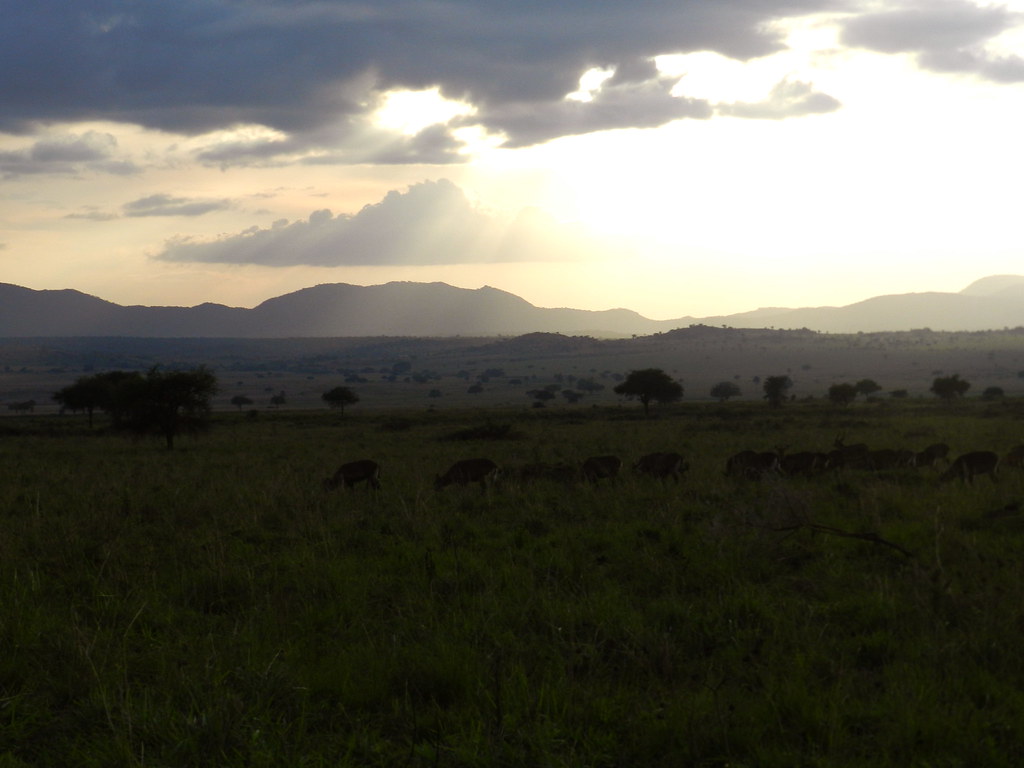
- Serengeti National Park: Famous for the great migration, where millions of wildebeest, zebras, and gazelles traverse the plains, the Serengeti is a highlight of any Tanzania safari. Park fees are approximately $70 per person per day for non-residents.
- Ngorongoro Crater: This UNESCO World Heritage Site is a natural wonder, offering some of the best wildlife viewing in Africa. The Ngorongoro Conservation Area charges a fee of around $70 per person per day, plus an additional vehicle fee.
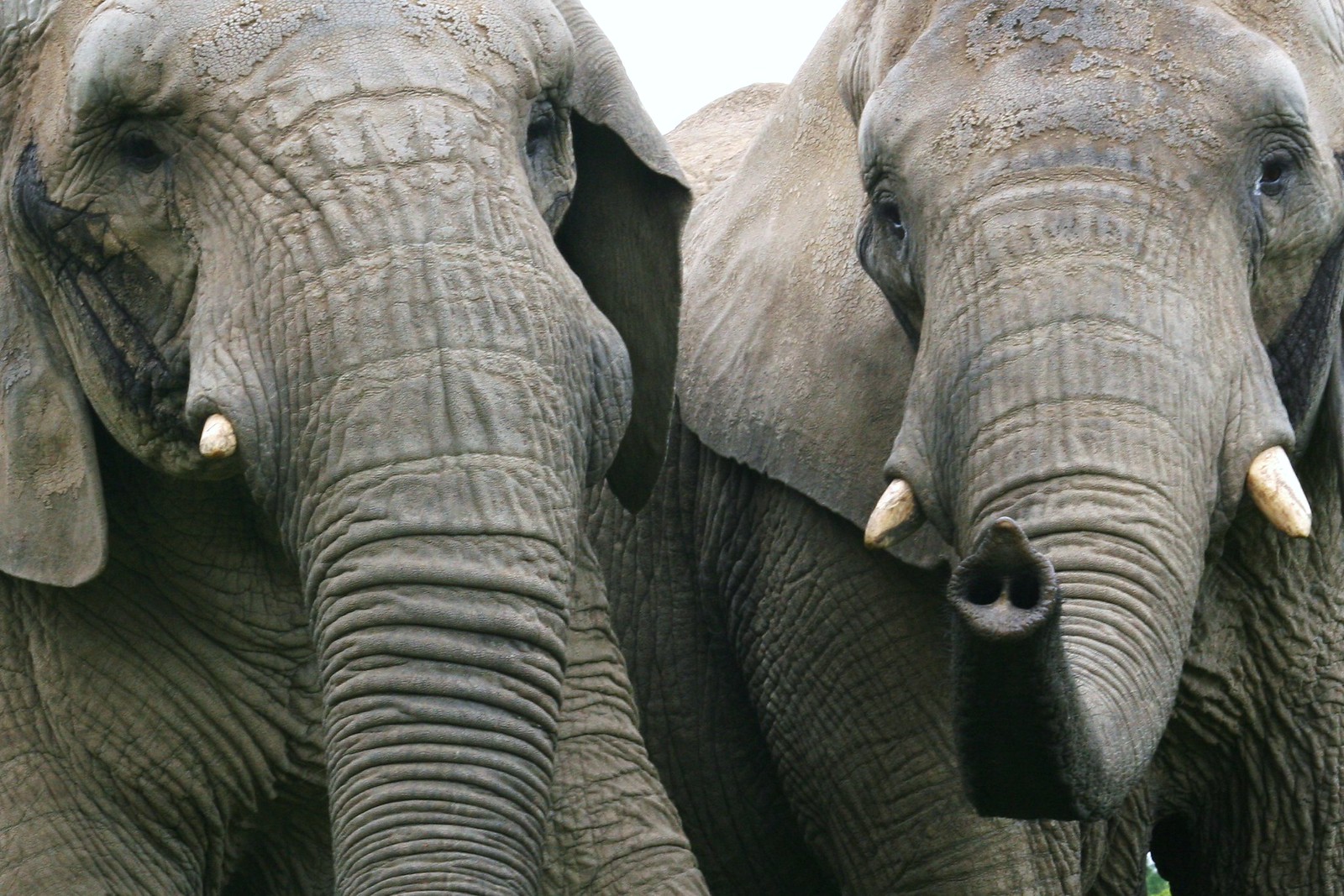
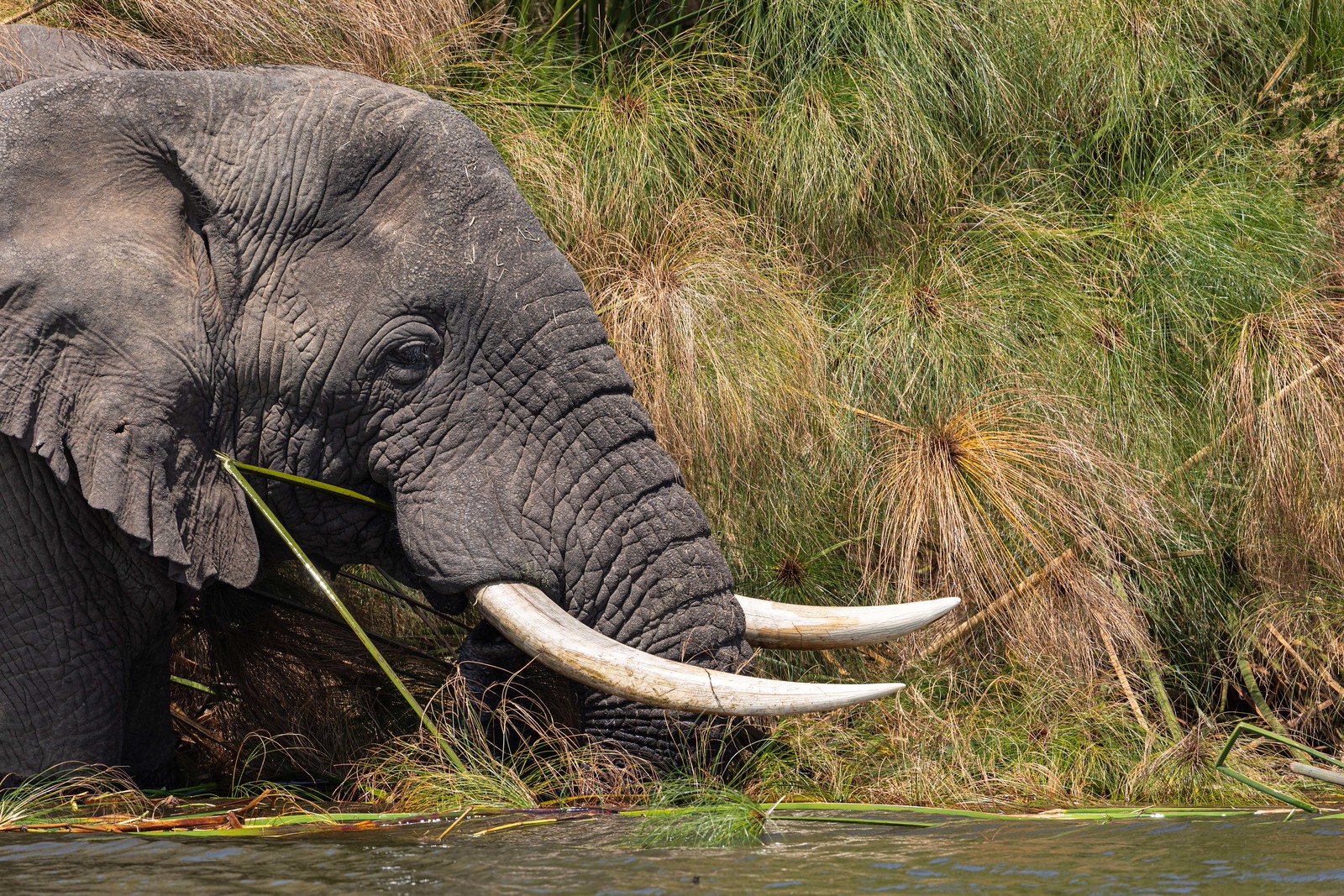
- Tarangire National Park: Known for its large elephant herds and iconic baobab trees, Tarangire is a quieter alternative to the Serengeti. Park fees are about $50 per person per day.
- Mount Kilimanjaro: For those seeking adventure, climbing Africa’s highest peak is a bucket-list experience. Climbing permits and guide fees can add significantly to your budget, with costs ranging from $1,500 to $5,000 depending on the route and duration.
- Zanzibar: While not a safari destination, Zanzibar’s pristine beaches and rich history make it a perfect addition to your trip. Activities like snorkeling, spice tours, and exploring Stone Town can add to your overall expenses.
Transport to Use on a Tanzania safari Cost Breakdown
The mode of transport you choose will greatly influence your safari experience and cost. Here are the main options:
- 4×4 Safari Vehicles: The most common way to explore Tanzania’s national parks is by 4×4 Land Cruiser or Land Rover. These vehicles are equipped with pop-up roofs for optimal game viewing. Renting a private vehicle with a driver-guide can cost between $200 and $400 per day, depending on the operator and vehicle type.
- Domestic Flights: For those short on time or visiting remote parks like Selous or Ruaha, domestic flights are a convenient option. Flights between major hubs like Arusha, Dar es Salaam, and Zanzibar typically cost $150 to $300 one-way.
- Group Tours: Joining a group safari can significantly reduce costs, as expenses like vehicle rental and guide fees are shared among participants. Group safaris often start at around $200 per person per day.
- Self-Drive Safaris: For the adventurous, self-drive safaris are an option, though they require careful planning and a 4×4 vehicle. Rental costs start at around $100 per day, excluding fuel and park fees.
Best Time to Explore Tanzania safari Cost Breakdown
The timing of your safari can affect both the cost and the quality of your experience. Tanzania’s wildlife viewing is best during the dry seasons, which run from late June to October and from December to February. Here’s a breakdown:
- Peak Season (June to October): This is the best time for wildlife viewing, as animals gather around water sources. However, it’s also the most expensive time to visit, with higher accommodation and tour prices.
- Shoulder Season (November and March to May): The shoulder seasons offer lower prices and fewer crowds, though the weather can be less predictable. The “long rains” in April and May can make some roads impassable.
- Low Season (March to May): The low season is the most affordable time to visit, but some lodges and camps may close, and wildlife viewing can be more challenging due to the rains.
Accommodations: Budget, Mid-Range, and Luxury

Accommodation is one of the most significant factors influencing the cost of a Tanzania safari. Options range from basic campsites to ultra-luxurious lodges. Here’s what to expect:
- Budget Accommodations ($50 to $150 per night):
- Campsites: Public campsites in national parks cost around $30 to $50 per person per night. These are basic, with shared facilities.
- Budget Lodges: Simple lodges and guesthouses outside the parks offer affordable options, with prices starting at $50 per night.
- Mid-Range Accommodations ($150 to $400 per night):
- Tented Camps: Comfortable tented camps with en-suite bathrooms and basic amenities are a popular mid-range option. Prices typically range from $200 to $300 per night.
- Lodges: Mid-range lodges offer more comfort and services, such as swimming pools and guided activities, for around $300 to $400 per night.
- Luxury Accommodations ($400 to $1,500+ per night):
- Luxury Tented Camps: High-end tented camps provide an immersive experience with luxurious amenities, gourmet dining, and personalized service. Prices start at $500 per night.
- Boutique Lodges: Exclusive lodges in prime locations, such as the Serengeti or Ngorongoro Crater, can cost $1,000 or more per night.
- Private Villas: For the ultimate luxury, private villas with dedicated staff and bespoke experiences are available, with prices exceeding $1,500 per night.
Additional Costs to Consider
Beyond the core expenses, there are several additional costs to factor into your budget:
- Park Fees: As mentioned earlier, park fees can add up quickly, especially if you visit multiple parks. Budget around $50 to $70 per person per day.
- Guides and Tips: Tipping your guide, driver, and lodge staff is customary. A daily tip of $10 to $20 per person is recommended.
- Visa Fees: Most visitors require a visa to enter Tanzania, which costs $50 to $100 depending on your nationality.
- Travel Insurance: Comprehensive travel insurance, including medical evacuation coverage, is essential and can cost $100 to $300 depending on the duration of your trip.
- Souvenirs and Extras: Don’t forget to budget for souvenirs, additional activities, and meals not included in your safari package.
Sample Budget Breakdown
To give you a clearer picture, here’s a sample budget for a 7-day Tanzania safari:
- Budget Safari: $1,500 to $2,500 per person
- Includes group tours, budget accommodations, and basic meals.
- Mid-Range Safari: $3,000 to $5,000 per person
- Includes private vehicle, mid-range accommodations, and some guided activities.
- luxury safari: $7,000 to $10,000+ per person
- Includes luxury accommodations, private guides, and exclusive experiences.
A Tanzania safari is a dream come true for many travelers, offering unparalleled wildlife encounters and stunning landscapes. While the cost can vary widely, careful planning and budgeting can help you create an unforgettable experience that fits your financial means. Whether you opt for a budget-friendly adventure or a luxurious escape, Tanzania’s natural beauty and rich biodiversity are sure to leave you in awe. So, how much does a typical Tanzania safari cost? The answer ultimately depends on your choices, but with options to suit every budget, the adventure of a lifetime is within reach.
Related reading: What are the Best Luxury Lodges in Tanzania?, Spot Tree-Climbing Lions in Lake Manyara National Park, What are the cultural experiences available in Tanzania and Rwanda?.
Plan your own version of this adventure with our Tanzania safari options like our 5 Days Tanzania Safaris, or get in touch and we’ll help you put it together.
Frequently Asked Questions About Climbing Kilimanjaro
Do I need prior mountaineering experience to climb Kilimanjaro?
No technical mountaineering skills are required for the popular routes like Marangu, Machame, and Lemosho. These are trekking routes, not technical climbs. However, a good level of physical fitness and proper acclimatization are essential for success.
How long does it take to climb Kilimanjaro?
Most routes take between 6 to 9 days. Longer routes like Lemosho (8 days) and Northern Circuit (9 days) have better summit success rates because they allow more time for acclimatization.
What is the best time to climb Kilimanjaro?
The best seasons are January–March and June–October, which are drier months with clearer skies. The rainy seasons (April–May and November) bring more precipitation and reduced visibility.
What should I pack for Kilimanjaro?
Key gear includes layered clothing for varying temperatures (from tropical at the base to sub-zero at the summit), sturdy trekking boots, trekking poles, a quality sleeping bag (rated to -10°C), sunscreen, and a headlamp. Most operators provide a packing list upon booking.
Tips for a Successful Kilimanjaro Trek
- Train in advance: Build cardiovascular fitness through hiking, cycling, or running for at least 3 months before your trek.
- Hydrate constantly: Drink 3–4 litres of water per day on the mountain to reduce altitude sickness.
- Walk slowly: Follow the guide’s pace — “pole pole” (slowly slowly) is the Kilimanjaro mantra.
- Choose a longer route: More days on the mountain means better acclimatization and higher summit success rates.
- Book a licensed operator: All climbers must be accompanied by a licensed guide on Kilimanjaro.
Recommended Tours: 7 Days Kilimanjaro Climbing Machame Route | 8 Days Kilimanjaro Lemosho Route
Tanzania and East Africa Safari Experiences
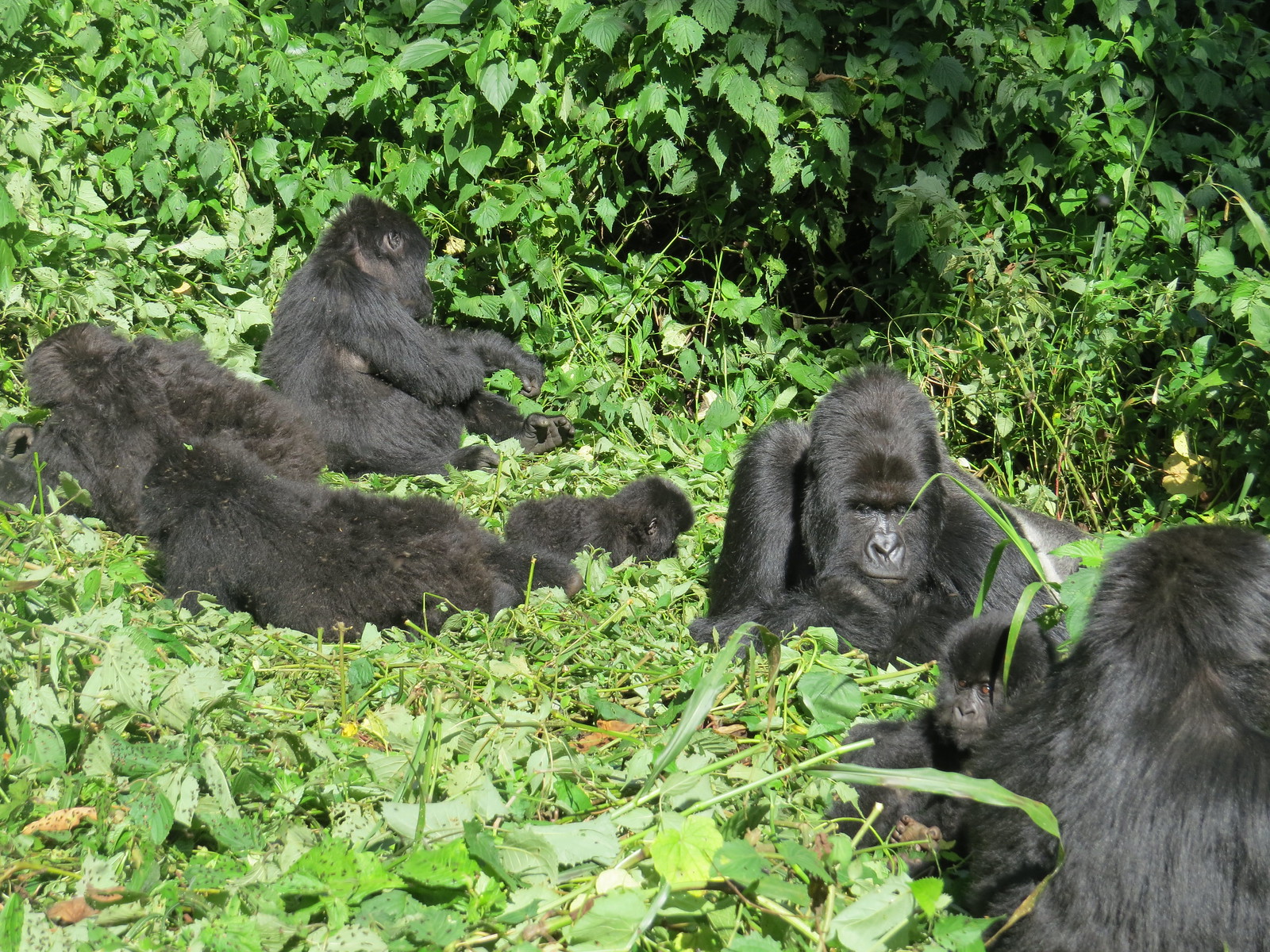
Tanzania’s national parks offer spectacular wildlife encounters alongside Kilimanjaro climbing adventures. The Serengeti hosts the Great Wildebeest Migration – over 1.5 million animals crossing the plains. Ngorongoro Crater provides guaranteed Big Five sightings within its ancient caldera. Tarangire, Lake Manyara, Arusha, and Ruaha National Parks each offer unique wildlife experiences. Enjoy hot air balloon safaris at sunrise and world-class birding. Combine Kilimanjaro with gorilla trekking in Uganda or Rwanda for the ultimate East Africa adventure. Zanzibar beach extensions and Maasai cultural experiences complete your Tanzania journey. Choose from luxury, camping, family, or fly-in safaris.