How Fit Must I Be for Gorilla Trekking?
Gorilla trekking is one of the most exhilarating and life-changing wildlife experiences on the planet. The opportunity to come face-to-face with mountain gorillas in their natural habitat is a privilege few get to enjoy. However, this adventure is not for the faint-hearted. It demands a certain level of physical fitness, mental preparation, and determination. If you’re wondering, “How fit must I be for gorilla trekking?”, this article will guide you through everything you need to know to prepare yourself for this unforgettable journey.
Understanding Gorilla Trekking
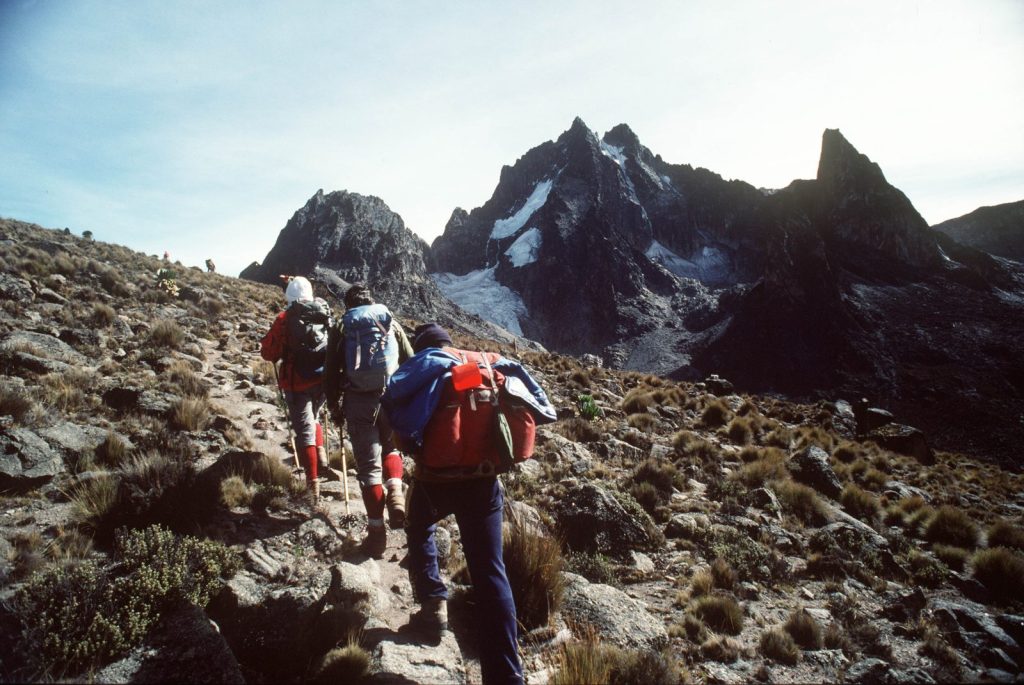
Before diving into fitness requirements, it’s essential to understand what gorilla trekking entails. This activity involves hiking through dense forests, steep hills, and sometimes muddy terrain in search of wild mountain gorillas. The trek can last anywhere from 30 minutes to several hours, depending on the gorillas’ location.
Gorilla trekking primarily takes place in three countries:
Uganda (Bwindi Impenetrable National Park and Mgahinga Gorilla National Park)
Rwanda (Volcanoes National Park)
Democratic Republic of Congo (Virunga National Park)
Each of these destinations presents unique challenges, but one thing remains constant: you need to be physically prepared.
Fitness Level Required for Gorilla Trekking
1. Moderate to Good Cardiovascular Fitness
Gorilla trekking involves hiking at high altitudes (ranging from 2,500 to 4,000 meters above sea level). The air is thinner, making breathing more challenging. If you’re not used to physical exertion, you may find yourself out of breath quickly.
How to Prepare:
Engage in regular cardio exercises such as walking, jogging, cycling, or swimming at least 3-4 times a week.
Practice hiking on inclined terrain to simulate the conditions you’ll face.
If possible, train at higher altitudes to acclimatize your body.
2. Leg Strength and Endurance
Trekking through dense forests means navigating uneven, slippery, and steep trails. Strong legs will help you maintain balance and prevent fatigue.
How to Prepare:
Incorporate squats, lunges, and step-ups into your workout routine.
Go on long walks or hikes with a backpack to build endurance.
Use a stair climber or treadmill on an incline to strengthen your legs.
3. Core Stability and Balance
The terrain can be unpredictable—roots, rocks, and mud require good balance to avoid slips and falls. A strong core helps maintain stability.
How to Prepare:
Practice yoga or Pilates to improve balance and core strength.
Include planks and stability exercises in your workouts.
4. Mental Preparedness
Gorilla trekking is as much a mental challenge as it is a physical one. You may face unexpected weather changes, long hikes, and moments of exhaustion. Staying motivated and positive is key.
How to Prepare:
Visualize the experience and remind yourself of the reward—seeing gorillas in the wild.
Practice mindfulness or meditation to stay calm under physical strain.
Training Timeline for Gorilla Trekking
If you’re planning a gorilla trek, start preparing at least 2-3 months in advance. Here’s a suggested training schedule:
8-12 Weeks Before the Trek
Cardio: 30-45 minutes of brisk walking/jogging, 3-4 times a week.
Strength Training: Focus on legs and core (squats, lunges, planks).
Weekend Hikes: Start with short hikes (1-2 hours) and gradually increase duration.
4-6 Weeks Before the Trek
Increase Intensity: Add inclines to your walks or use a treadmill on a steeper setting.
Longer Hikes: Aim for 3-4 hour hikes with a weighted backpack.
Stair Climbing: Find a hill or staircase and practice climbing repeatedly.
1-2 Weeks Before the Trek
Maintain Fitness: Reduce intensity but keep active with light walks and stretching.
Hydrate Well: Drink plenty of water to prepare for high-altitude conditions.
Rest: Ensure you’re well-rested before the trek.
What to Expect on the Day of Gorilla Trekking
Early Start: Treks usually begin early in the morning (around 7-8 AM).
Group Assignment: You’ll be grouped based on fitness levels (easier or more challenging treks).
Hiking Duration: Can range from 1-6 hours, depending on gorilla movement.
Terrain: Expect steep, muddy, and sometimes slippery paths.
Weather: Rain can make trails more difficult, so waterproof gear is essential.
Tips to Make Gorilla Trekking Easier
Pace Yourself: Don’t rush; take breaks when needed.
Hire a Porter: Porters can assist with carrying your backpack for a small fee.
Wear Proper Gear: Sturdy hiking boots, moisture-wicking clothing, and gloves help.
Stay Hydrated and Energized: Bring water and snacks like nuts or energy bars.
Final Thoughts: Is Gorilla Trekking Worth the Effort?
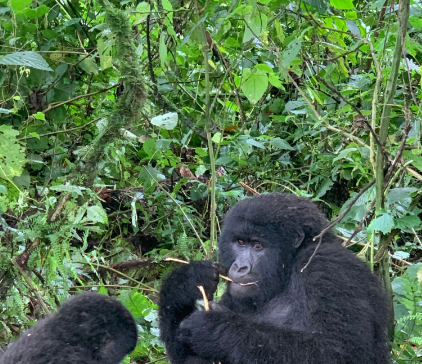
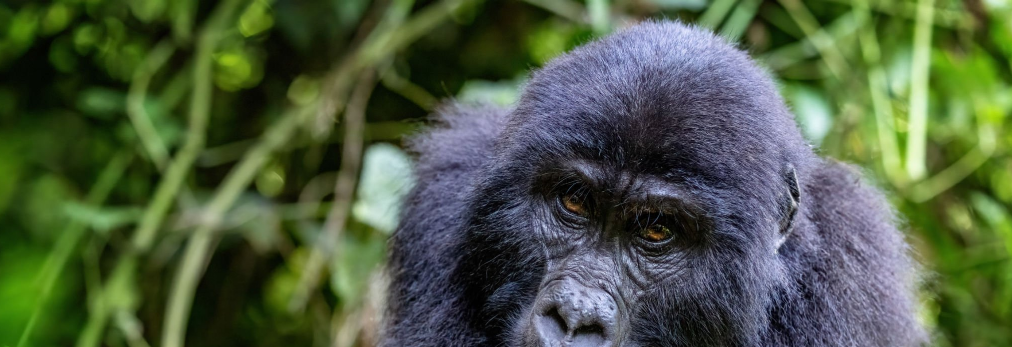
Absolutely! The moment you lock eyes with a majestic silverback gorilla, every drop of sweat and every aching muscle will feel insignificant. Gorilla trekking is not just a physical journey—it’s a spiritual and emotional experience that connects you with nature in its purest form.
So, how fit must you be for gorilla trekking? Fit enough to endure a challenging hike, but not necessarily an elite athlete. With proper preparation, determination, and the right mindset, you can conquer this adventure of a lifetime.
Start training today, and soon, you’ll be standing in the misty forests of Africa, witnessing one of the most incredible wildlife encounters on Earth.
Happy trekking!
Gorilla Trekking in the Democratic Republic of Congo
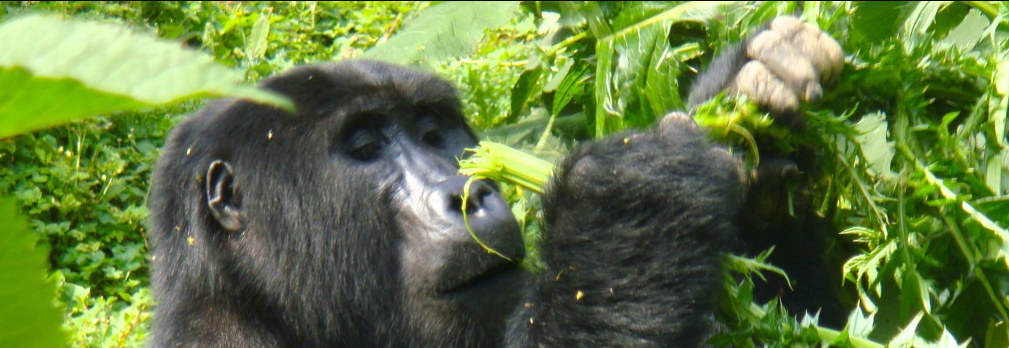
The Democratic Republic of Congo (DRC) is home to two gorilla species found nowhere else together: mountain gorillas in Virunga National Park and eastern lowland gorillas (Grauer’s gorillas, Gorilla beringei graueri) in Kahuzi-Biega National Park. Both are UNESCO World Heritage Sites.
Virunga National Park — Africa’s oldest national park, established in 1925 — covers 7,900 km² of remarkable ecological diversity, from the volcanic peaks of the Virunga Massif to the glaciers of the Rwenzori Mountains and the tropical lowland forests of the Congo Basin. The park is also home to hippos, elephants, okapis, and the entire cast of Congo rainforest wildlife.
Eastern Lowland Gorillas — A Unique Encounter
The eastern lowland gorilla (Grauer’s gorilla) is the world’s largest subspecies of gorilla, with silverbacks weighing up to 220kg. Found only in the DRC, Grauer’s gorillas are considerably rarer than mountain gorillas — their population has declined by more than 70% since the 1990s due to conflict, habitat loss, and poaching. Kahuzi-Biega National Park in South Kivu offers the only reliable trekking experience with habituated Grauer’s gorilla families.
A gorilla permit in the DRC costs USD 400 per person — significantly cheaper than Rwanda (USD 1,500) or Uganda (USD 800). The experience is raw, off-the-beaten-track, and unforgettable for travellers seeking something genuinely uncommon.
Practical Information for DRC Gorilla Trekking
Getting to Virunga and Kahuzi-Biega
The most common entry point to eastern DRC is via Kigali, Rwanda. Goma — the gateway to Virunga National Park — is just 80km from Kigali. Direct flights from Nairobi and Kampala also serve Goma. Bukavu (gateway to Kahuzi-Biega) is accessible from Goma by road (3–4 hours) or by light aircraft.
Is it safe to trek gorillas in the DRC?
Security in eastern DRC is complex and fluctuates. Virunga National Park and Kahuzi-Biega have experienced periods of closure due to armed group activity. Always check current security conditions with your tour operator and your government’s travel advisory before planning a DRC gorilla trek. Reputable operators with established local security networks are essential.
Recommended Tours: 8 Days Congo Gorillas & Nyiragongo Safari | 5 Days Lowland Gorilla Safari Congo