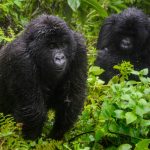
Dry Season vs Wet Season Gorilla Trekking: Pros and Cons
Choosing between dry season vs wet season gorilla trekking is an important consideration when planning a mountain gorilla safari in Uganda or Rwanda. Both seasons offer opportunities to encounter mountain gorillas, but differences in rainfall, forest conditions, transport accessibility and travel expenses can influence your overall experience.
The dry season generally provides firmer walking trails, more comfortable road transfers and favourable conditions for visitors concerned about physical fitness. The wet season offers greener forest landscapes, potentially quieter accommodation and opportunities to reduce safari expenses.
Mountain gorillas remain within their natural habitats throughout the year, meaning visitors can enjoy trekking regardless of seasonal changes. However, understanding the advantages and disadvantages of each season helps you choose suitable travel dates, prepare appropriate equipment and organise a safari that matches your budget and personal preferences.
Understanding Gorilla Trekking Seasons in Uganda and Rwanda
Uganda and Rwanda experience two relatively dry periods and two rainy seasons each year. However, mountain gorilla habitats contain dense vegetation and mountainous terrain, where rainfall can occur even during the driest months.
| Season | Months | General trekking conditions |
|---|---|---|
| Short dry season | December to February | Relatively firm trails |
| Long rainy season | March to May | Muddy paths and frequent rainfall |
| Long dry season | June to August | Generally favourable walking conditions |
| Short rainy season | September to November | Increasing rainfall and slippery trails |
September is often a transitional month, with relatively dry conditions continuing in some locations.
Seasonal patterns vary between Bwindi Impenetrable National Park, Mgahinga Gorilla National Park and Volcanoes National Park.
Dry Season Gorilla Trekking: Advantages
Easier Forest Walking Conditions
One of the main advantages of dry-season trekking is that forest trails are generally less muddy. Visitors may find climbing hills, crossing uneven ground and walking through thick vegetation more manageable.
These conditions particularly benefit older travellers, first-time trekkers and visitors with limited hiking experience.
However, Bwindi contains naturally steep terrain, and even relatively dry trails can present physical challenges.
Better Road Accessibility
Many roads leading to gorilla trekking destinations pass through mountainous rural areas.
During relatively dry months, unpaved roads are generally easier to navigate. This reduces the likelihood of transport delays caused by mud and slippery slopes.
Travellers staying at remote forest lodges may find transfers more comfortable during this period.
Convenient Wildlife Safari Combinations
The dry season is attractive to visitors combining mountain gorilla trekking with traditional wildlife safaris.
June to August provides opportunities to explore Queen Elizabeth National Park, Murchison Falls National Park and Lake Mburo National Park.
Travellers visiting Kenya or Tanzania can also combine gorilla trekking with seasonal wildebeest migration experiences.
More Comfortable Outdoor Activities
Relatively dry weather makes additional activities such as community visits, birdwatching, guided nature walks and cultural experiences easier to organise.
Visitors can spend more time outdoors without frequently changing their plans because of rainfall.
Dry Season Gorilla Trekking: Disadvantages
Higher Demand for Gorilla Permits
June, July, August and the festive holiday period attract many international travellers.
Popular trekking dates can become fully booked several months in advance. Visitors with fixed holiday schedules should reserve permits early.
Accommodation near popular trekking headquarters may also have limited availability.
Potentially Higher Accommodation Prices
Some safari lodges charge higher rates during popular travel periods. Domestic flights and accommodation upgrades may also become more expensive.
Travellers seeking luxury accommodation during July or August should compare quotations well before departure.
Challenging Photography in Bright Conditions
Bright sunlight passing through the forest canopy can create strong shadows and uneven exposure.
Photographers may struggle to capture facial details when gorillas sit beneath vegetation surrounded by brightly illuminated leaves.
Careful camera adjustments and patience remain necessary.
Wet Season Gorilla Trekking: Advantages
Discounted Gorilla Trekking Permits
The wet season provides attractive financial benefits for travellers visiting Uganda during selected months.
Uganda Wildlife ASet featured imageuthority introduced discounted gorilla trekking permits for April, May and November in February 2026.
| Visitor category | Standard permit | Low-season permit | Savings |
|---|---|---|---|
| Foreign non-residents | $800 | $600 | $200 |
| Foreign residents | $700 | $500 | $200 |
A couple travelling under the foreign non-resident category can save $400 on two gorilla permits.
These discounts apply only during the designated months. Low-season permits cannot be rescheduled.
Rwanda follows a separate permit pricing system, so Uganda’s seasonal discounts do not automatically apply there.
Beautiful Green Forest Landscapes
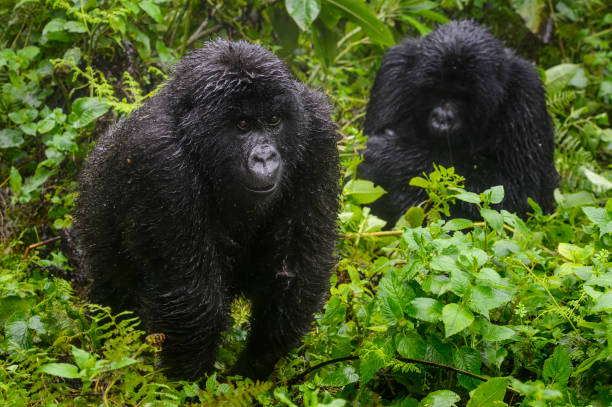
Rainfall maintains the rich vegetation found throughout mountain gorilla habitats. During wetter months, photographers and nature enthusiasts can enjoy fresh foliage, mist-covered hills and attractive forest backgrounds.
Water droplets on leaves and soft natural lighting can create particularly interesting photographic compositions.
Potentially Lower Accommodation Costs
Some safari lodges offer reduced accommodation rates during quieter months.
Travellers may find opportunities to upgrade their accommodation without exceeding their original budget.
However, discounts vary between properties and should be confirmed before booking.
Quieter Safari Experiences
Although gorilla trekking groups follow the same visitor limits throughout the year, fewer overall tourists may mean quieter lodges and less competition for certain activities.
This can be particularly attractive to couples and independent travellers who prefer peaceful surroundings.
Wet Season Gorilla Trekking: Disadvantages
Muddy and Slippery Forest Trails
Heavy rainfall can make forest paths considerably more challenging. Steep slopes become slippery, while exposed roots and wet vegetation require careful navigation.
Visitors may need additional time to complete their trek. Hiring a local porter and using a walking stick can improve stability and reduce physical strain.
Difficult Road Transfers
Unpaved roads around Bwindi and Mgahinga can become difficult to navigate following prolonged rainfall.
A reliable four-wheel-drive safari vehicle with suitable tyres is particularly important during these months.
Allow additional travelling time and choose accommodation close to your designated trekking headquarters.
Equipment Protection Challenges
Rainfall and humidity can damage cameras, mobile phones and other electronic equipment.
Waterproof backpacks, protective camera covers and dry storage bags are essential for visitors carrying valuable photography equipment.
Wet clothing can also become uncomfortable during extended forest walks, making spare clothing useful.
Dry Season vs Wet Season Gorilla Trekking Compared
| Travel consideration | Dry season | Wet season |
|---|---|---|
| Walking conditions | Generally easier | More physically demanding |
| Permit prices in Uganda | Standard rates | Discounts during selected months |
| Accommodation | Higher demand | Potentially lower prices |
| Forest vegetation | Green throughout the year | Fresh foliage and dense growth |
| Photography | Variable natural light | Often softer lighting |
| Road accessibility | Generally better | More challenging |
| Visitor numbers | Generally higher | Generally lower |
| Gorilla sightings | Possible throughout | Possible throughout |
Which Season Offers Better Gorilla Sightings?
Mountain gorillas do not undertake seasonal migrations comparable to wildebeest movements in Tanzania and Kenya. They remain within their forest habitats throughout the year, moving between feeding and resting areas.
Trackers monitor habituated gorilla families and help rangers locate them regardless of the season.
Neither the dry season nor the wet season guarantees shorter trekking distances. Gorilla movements, food availability and local terrain determine how long visitors spend searching.
Choose your travel season according to comfort, budget and personal preferences rather than expecting better sightings during particular months.
What to Pack for Each Gorilla Trekking Season
Preparing suitable equipment makes your forest adventure more comfortable.
| Dry-season equipment | Wet-season equipment |
|---|---|
| Hiking boots | Waterproof hiking boots |
| Lightweight trousers | Quick-drying trousers |
| Rain jacket | Durable waterproof jacket |
| Drinking water | Waterproof backpack |
| Gardening gloves | Spare hiking socks |
| Camera | Waterproof camera cover |
| Insect repellent | Waterproof storage bags |
A rain jacket remains essential during both seasons because mountain forests experience unpredictable weather.
Which Season Should Different Travellers Choose?
Senior travellers and inexperienced hikers may prefer January, February, June, July or August because relatively dry trails can make walking more manageable.
Budget travellers should consider April, May and November in Uganda to benefit from discounted permits.
Wildlife photographers may appreciate wetter months because overcast skies can produce softer lighting. Honeymooners seeking quieter accommodation may also find these periods attractive.
Families with eligible teenagers should balance school holidays, trekking conditions and accommodation availability.
Frequently Asked Questions
Is gorilla trekking possible during heavy rainfall?
Yes. Trekking generally continues during rainfall unless park authorities determine that conditions are unsafe.
Does rain shorten the gorilla viewing experience?
Visitors normally receive one hour with their assigned gorilla family. Rangers may adjust arrangements when safety or conservation concerns arise.
Is wet-season gorilla trekking cheaper?
It can be cheaper in Uganda during April, May and November because eligible visitors receive discounted permits. Accommodation savings may also be available.
Which season is best for first-time gorilla trekkers?
The relatively dry months are generally preferable because forest paths and access roads tend to be easier to navigate.
Should I hire a porter during the dry season?
Yes, particularly if you carry heavy equipment or require assistance walking. Porters are useful throughout the year and support local employment.
The choice between dry season vs wet season gorilla trekking depends on your priorities. Dry months generally provide more comfortable walking conditions and reliable road access, while wetter months offer financial savings, quieter surroundings and attractive photographic opportunities.
Both seasons provide rewarding mountain gorilla encounters. Prepare suitable equipment, secure your permits early and select travel arrangements that match your physical abilities and budget.