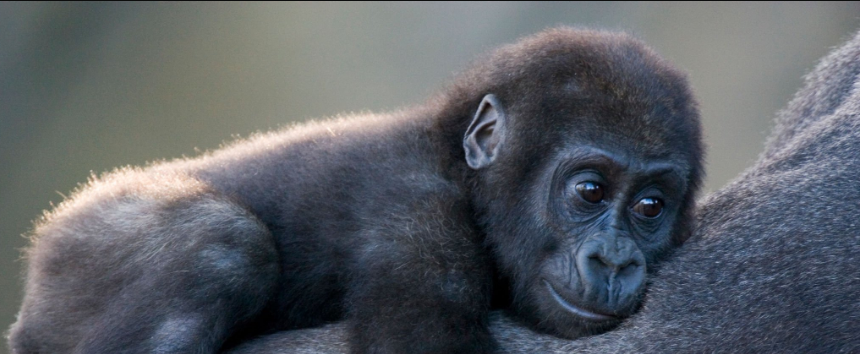
The question, “How do I support gorilla conservation?” is more critical now than ever. By taking action, we can help ensure that future generations will witness these gentle giants thriving in the wild.
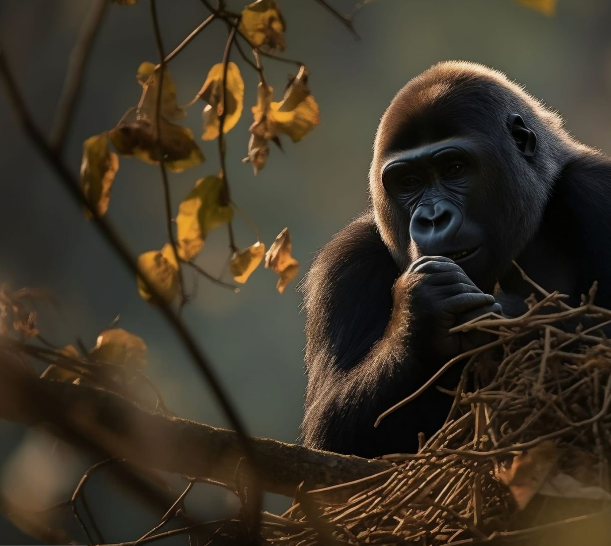
This article explores practical and impactful ways you can contribute to gorilla conservation, from financial support to raising awareness. Whether you’re an animal lover, a traveler, or simply someone who cares about our planet, there’s a role for you in this vital mission.
Understanding the Plight of Gorillas
Before diving into how to support gorilla conservation, it’s essential to understand why these animals need our help. There are two main species of gorillas—Eastern and Western—each with subspecies, including the critically endangered Mountain Gorilla and Cross River Gorilla.
Major Threats to Gorillas:
-
Habitat Loss – Deforestation for agriculture, logging, and human settlement shrinks gorilla habitats.
-
Poaching – Gorillas are hunted for bushmeat, trophies, or captured for illegal wildlife trade.
-
Diseases – Human-borne illnesses like Ebola and respiratory infections can devastate gorilla populations.
-
Climate Change – Alters ecosystems, making it harder for gorillas to find food and shelter.
With fewer than 1,000 Mountain Gorillas and only around 300 Cross River Gorillas left, every effort to protect them matters.
How Do I Support Gorilla Conservation?
1. Donate to Reputable Conservation Organizations
One of the most direct ways to support gorilla conservation is by contributing financially to organizations dedicated to protecting these primates. Some reputable groups include:
-
The Dian Fossey Gorilla Fund – Focuses on research, anti-poaching efforts, and community education.
-
World Wildlife Fund (WWF) – Works on habitat preservation and anti-trafficking initiatives.
-
Gorilla Doctors – Provides veterinary care to wild gorillas in Africa.
-
The International Gorilla Conservation Programme (IGCP) – A coalition working across gorilla habitats.
Even small donations help fund ranger patrols, veterinary care, and community programs that reduce human-wildlife conflict.
2. Adopt a Gorilla
Many conservation groups offer symbolic gorilla adoption programs. By “adopting” a gorilla, you contribute to its care and protection while receiving updates on its progress. This is a great way to engage children and families in conservation efforts.
3. Choose Responsible Tourism
Eco-tourism plays a significant role in gorilla conservation. When done responsibly, gorilla trekking generates funds for protection efforts and provides jobs for local communities. If you visit gorilla habitats:
-
Book with licensed tour operators who follow ethical guidelines.
-
Maintain a safe distance to avoid transmitting diseases.
-
Respect park rules, such as no flash photography or loud noises.
Your visit not only supports conservation but also shows governments that gorillas are worth more alive than poached.
4. Reduce Your Ecological Footprint
Gorilla habitats are destroyed for palm oil, timber, and mining. You can help by:
-
Avoiding products with unsustainable palm oil (look for RSPO-certified alternatives).
-
Recycling electronics to reduce demand for coltan, a mineral mined in gorilla habitats.
-
Supporting sustainable brands that prioritize eco-friendly practices.
Every conscious choice helps reduce pressure on gorilla ecosystems.
5. Raise Awareness
Many people are unaware of the threats gorillas face. You can support gorilla conservation by:
-
Sharing information on social media using hashtags like #SaveGorillas.
-
Hosting fundraisers or awareness events in your community.
-
Educating friends and family about ethical consumer choices.
The more people know, the stronger the collective effort to protect gorillas becomes.
6. Support Local Communities
Poverty often drives poaching and deforestation. By supporting sustainable livelihoods in gorilla regions, you help reduce human-wildlife conflict. Consider:
-
Donating to education programs that teach conservation.
-
Buying fair-trade products from communities near gorilla habitats.
-
Volunteering with NGOs that work on community development.
When local people benefit from conservation, they become gorillas’ strongest allies.
7. Advocate for Stronger Wildlife Policies
Laws protecting gorillas need enforcement. You can:
-
Sign petitions demanding stricter anti-poaching laws.
-
Contact policymakers to support wildlife protection bills.
-
Support bans on illegal wildlife trade by reporting suspicious activities.
Political will is crucial in ensuring long-term gorilla survival.
8. Participate in Citizen Science
Some organizations allow volunteers to assist in gorilla research. Even if you can’t travel, you can:
-
Report wildlife crimes through hotlines or apps.
-
Join online conservation forums to stay informed.
-
Contribute to crowdfunding campaigns for gorilla protection.
Every small action adds up to significant impact.
The Ripple Effect of Gorilla Conservation
Protecting gorillas doesn’t just save a single species—it preserves entire ecosystems. Gorillas are keystone species, meaning their survival supports biodiversity. Forests where gorillas live are vital carbon sinks, helping combat climate change. By supporting gorilla conservation, you’re also safeguarding:
-
Forests that provide clean air and water.
-
Other endangered species sharing the same habitat.
-
Indigenous communities who depend on these ecosystems.
Every Action Counts
The question, “How do I support gorilla conservation?” has many answers, and no effort is too small. Whether through donations, responsible tourism, or advocacy, your actions contribute to a brighter future for gorillas.
Imagine a world where gorillas no longer face extinction—where their deep, intelligent eyes continue to inspire generations. That world is possible, but only if we act now.
Will You Join the Fight?
Start today. Share this article, donate to a conservation group, or make eco-conscious choices. Together, we can ensure that gorillas thrive in the wild—where they belong.
#SaveGorillas #SupportGorillaConservation #WildlifeProtection
Everything You Need to Know About Mountain Gorillas
The mountain gorilla (Gorilla beringei beringei) is one of the world’s most endangered great apes and one of its most magnificent wildlife spectacles. With fewer than 1,063 individuals remaining in the wild, every encounter with a habituated gorilla family is a rare and deeply moving privilege.
Mountain gorillas live in family groups of 5–30 individuals, led by a dominant silverback male. Gorillas are primarily herbivores, feeding on leaves, stems, bark, roots and fruits — a silverback can consume up to 34kg of vegetation per day. At dusk each individual builds a fresh sleeping nest from bent vegetation.
Where to See Mountain Gorillas
Mountain gorillas can only be seen in the wild — they do not survive in captivity. They exist in two populations:
- Bwindi Impenetrable Forest, Uganda: The largest gorilla population, home to over 400 individuals across 19 habituated families. Four trekking sectors: Buhoma, Ruhija, Rushaga, and Nkuringo.
- Virunga Massif: Shared between Uganda (Mgahinga), Rwanda (Volcanoes National Park), and the DRC (Virunga National Park). Home to around 600 gorillas across the six volcanic mountains.
Gorilla Trekking Permits — Uganda vs Rwanda
Both Uganda and Rwanda offer outstanding gorilla trekking experiences with important differences:
- Uganda (USD 800): More affordable permit. Greater number of habituated families and sectors. Bwindi terrain is more challenging but offers more choice. Also offers the Gorilla Habituation Experience (USD 1,500).
- Rwanda (USD 1,500): Higher permit cost but closer to Kigali airport (2.5 hours). More developed luxury lodge sector. Smaller park but highly managed experience with reliable gorilla sightings.
Recommended Tours: 4 Days Bwindi Gorilla Trekking Safari | 4 Days Rwanda Gorilla Trekking Safari