

Kenya, known as the heart of African safari experiences, boasts some of the most renowned national parks and game reserves on the continent. Among the most frequently compared destinations are Amboseli National Park and Tsavo National Park. Both offer incredible wildlife, unique landscapes, and unforgettable safari experiences, but choosing between them can be challenging. This article explores Amboseli vs. Tsavo to help you decide which is better for your safari adventure in Kenya.
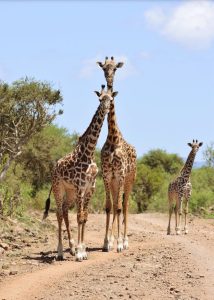
Giraffe’s in Tsavo National Park
Overview of Amboseli National Park
Located in southern Kenya near the Tanzanian border, Amboseli is a relatively small park, covering around 392 square kilometers. Its proximity to Mount Kilimanjaro provides one of the most iconic backdrops for wildlife photography in Africa. The snow-capped peak of Africa’s highest mountain towers in the background, while elephants and other animals roam the open plains.
Amboseli is famous for its large elephant herds, particularly old bull elephants with massive tusks. The ecosystem here comprises swamps, acacia woodlands, and vast savannahs, supporting a wide variety of wildlife and bird species.
Overview of Tsavo National Park
Divided into two separate parks-Tsavo East and Tsavo West-Tsavo is one of the largest national parks in the world, covering over 22,000 square kilometers. Tsavo East is known for its red-dust elephants and open savannah, while Tsavo West is characterized by rugged terrain, volcanic hills, and lush greenery around the Mzima Springs.
Tsavo is less crowded than Amboseli and offers a more rugged, wild experience. The two parks together form a vast wilderness with plenty of room for large mammals, predators, and unique plant species.
Amboseli vs. Tsavo: Wildlife Viewing
When it comes to game viewing, Amboseli vs. Tsavo brings up a classic safari debate. Amboseli is known for reliable sightings of large elephants, especially close-up views of family herds. Due to its open landscapes and concentration of wildlife around water sources, it’s easier to spot animals here.
On the other hand, Tsavo offers a wider variety of animals across its massive expanse. Tsavo East is known for its red elephants (coated in the park’s rich, red soil), lions, giraffes, and large herds of buffalo. Tsavo West, though more vegetated, hides leopards, rhinos, and other elusive creatures.
If you want guaranteed sightings and iconic photography, Amboseli is the better choice. If you prefer exploring vast and wilder landscapes with the chance to encounter a broader range of animals, Tsavo excels.
Amboseli vs. Tsavo: Landscapes and Scenery
Amboseli is unparalleled when it comes to scenic beauty, thanks to Mount Kilimanjaro’s imposing presence. Early morning game drives often yield spectacular sunrise shots of the mountain over the plains. The park’s swamps, fed by underground rivers from Kilimanjaro’s snowmelt, attract many animals and birds, creating vibrant scenes.
Tsavo, on the other hand, is known for its diverse landscapes. In Tsavo East, expect endless savannahs and dramatic red earth plains. Tsavo West is more varied, with lava flows, springs, volcanic cones, and lush oases. The scenic variety of Tsavo provides a sense of wilderness and exploration not as prevalent in the compact Amboseli.
Accessibility and Infrastructure
Amboseli is easier to access from Nairobi-about a 4-hour drive or a short flight. Its compact size also makes it manageable for travelers with limited time. The park has several lodges and camps ranging from budget to luxury.
Tsavo’s vastness makes it a little more challenging to navigate, especially for first-time visitors. However, both Tsavo East and West are accessible by road and air. Tsavo is particularly convenient for those traveling between Nairobi and Mombasa, as the park lies along the main route.
While Amboseli’s infrastructure is more developed and visitor-friendly, Tsavo offers more solitude and off-the-beaten-path experiences for adventurous travelers.
Amboseli vs. Tsavo: Best Time to Visit
The best time to visit Amboseli is during the dry seasons from June to October and January to March. Wildlife gathers around the park’s permanent water sources, making sightings predictable.
Tsavo also shines during the dry months, though it remains a year-round destination due to its size and diversity. Some areas of Tsavo West become lush during the wet season, which may affect visibility but enhances the scenery.
When comparing Amboseli vs. Tsavo, Amboseli tends to be more predictable in terms of game viewing. However, the sheer size and diversity of Tsavo provide surprises and unique seasonal experiences.
Birdwatching Opportunities
Both parks are a paradise for bird lovers. Amboseli hosts over 420 bird species, including flamingos, pelicans, and a variety of waterfowl around its marshes. Tsavo, on the other hand, boasts over 500 species, with diverse habitats supporting eagles, hornbills, weavers, kingfishers, and rare migratory birds.
Birdwatchers comparing Amboseli vs. Tsavo will find Tsavo slightly more rewarding due to its size and habitat range, though Amboseli’s birdlife is equally spectacular, especially during the wet season.
Photography: Which is Better?
Amboseli is a dream for photographers. The contrast of wildlife against the snowy peak of Kilimanjaro creates postcard-perfect images. The open terrain and swampy areas also ensure good light and visibility.
Tsavo’s photographic appeal lies in its variety: red-dust elephants, lava flows, and oases framed by rugged terrain. However, dense vegetation in Tsavo West can sometimes obstruct clear shots of wildlife.
In the Amboseli vs. Tsavo photography debate, Amboseli wins for classic African safari images, while Tsavo appeals to photographers seeking diversity and dramatic landscapes.
Safari Crowds and Experience
Amboseli is a popular destination and can get crowded, especially during peak season. Safari vehicles often congregate around key animal sightings, which can detract from the wilderness feel.
In contrast, Tsavo offers a much quieter safari experience. Due to its size and fewer visitors, it’s common to go for hours without seeing another vehicle. This solitude is ideal for travelers seeking an immersive experience away from the crowds.
Those weighing Amboseli vs. Tsavo based on crowd levels will prefer Tsavo’s tranquility over Amboseli’s popularity.
Accommodation Options
Both parks offer excellent accommodation choices. Amboseli has high-end lodges with views of Kilimanjaro, like Amboseli Serena Safari Lodge, Tortilis Camp, and Oltukai Lodge. There are also mid-range and budget-friendly camps available.
Tsavo’s accommodation is more spread out due to the park’s size. Tsavo West features luxury lodges like Finch Hattons and Kilaguni Serena Lodge, while Tsavo East has options like Satao Camp and Voi Safari Lodge. Private conservancies near both parks offer exclusive stays and personalized experiences.
If you’re looking for easy access and views of Kilimanjaro, Amboseli may edge out Tsavo. For privacy and a more rustic experience, Tsavo is a great choice.
Cultural Encounters
Amboseli is home to the Maasai people, and many lodges offer cultural visits to nearby villages. These provide insight into traditional lifestyles, dress, and customs.
Tsavo also has opportunities for cultural engagement, especially with the Taita and Kamba communities. However, these encounters may be less integrated into the standard safari itinerary.
In comparing Amboseli vs. Tsavo, Amboseli wins for easily accessible and more frequent cultural interactions.
Conservation and Ecotourism
Both parks play vital roles in conservation. Amboseli is a key area for elephant research and conservation, while Tsavo’s size makes it essential for large mammal protection. The Kenya Wildlife Service and various NGOs are active in preserving both ecosystems.
Community-based tourism is more pronounced in areas surrounding Amboseli, but Tsavo’s remote conservancies are increasingly involved in sustainable tourism initiatives.
Travelers interested in supporting conservation will find both parks committed, though Amboseli’s smaller size makes its projects more visible.
Amboseli vs. Tsavo: Final Verdict
So, which is better-Amboseli or Tsavo? The answer depends on what kind of safari experience you’re looking for.
- Choose Amboseli if you want:
- Guaranteed elephant sightings
- Breathtaking views of Mount Kilimanjaro
- A compact park with high wildlife density
- Cultural experiences with the Maasai
- Easier access from Nairobi
- Choose Tsavo if you prefer:
- A vast, uncrowded wilderness
- Unique red elephants and diverse ecosystems
- Varied landscapes and dramatic scenery
- More adventurous and off-the-grid safaris
- A convenient stop on a Nairobi-Mombasa route
Both parks are exceptional in their own right. Many seasoned travelers choose to visit both, combining Amboseli’s scenery and ease with Tsavo’s size and solitude.
Whether you pick Amboseli or Tsavo-or both-you’ll be treated to the magic and majesty of Kenya’s wild side.
The Amboseli vs. Tsavo comparison doesn’t yield a definitive winner. Instead, it highlights Kenya’s incredible diversity and the fact that every park offers something special. Amboseli is perfect for travelers seeking dramatic landscapes and predictable wildlife viewing, while Tsavo caters to those wanting space, adventure, and a rawer safari feel.
Ultimately, your choice should reflect your travel goals, timeline, and interests. No matter where you go, a Kenyan safari promises unforgettable moments, thrilling wildlife encounters, and a deeper connection to nature. Book Now!
Recommended Tours: 6 Days Kilimanjaro Hiking Safari | 6 Days Tanzania Wildlife Safari













