

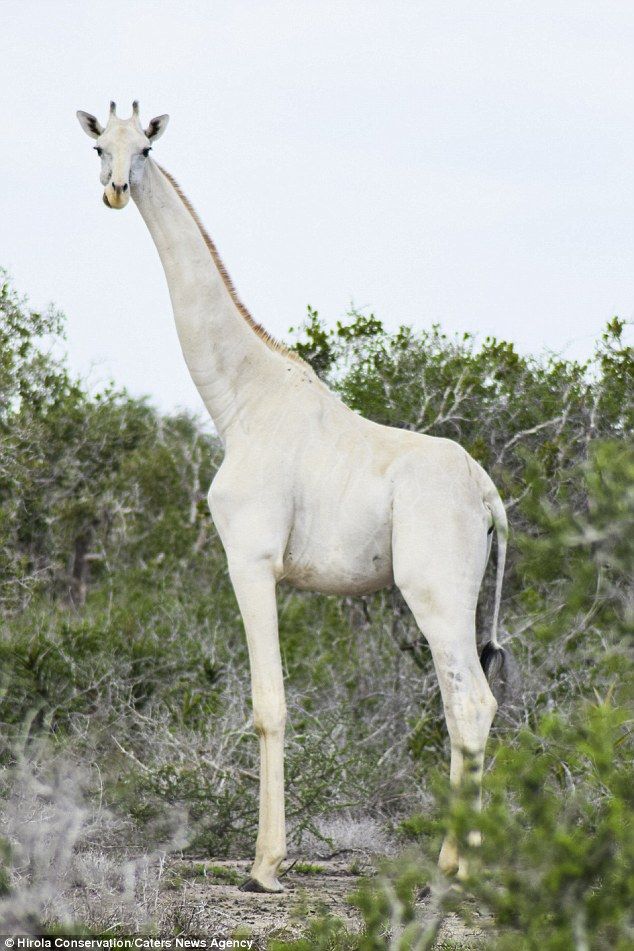

Swahili cultural experiences in Kenya
Kenya, celebrated for its dramatic landscapes and incredible wildlife, also boasts a rich tapestry of cultures, with Swahili heritage standing out prominently along the coast. The Swahili people, descendants of African, Arab, and Persian traders, have shaped a vibrant coastal culture that’s as captivating as it is unique. When it comes to immersive travel, Swahili cultural experiences in Kenya offer something truly special: a blend of traditional music, flavorful cuisine, ancient architecture, and warm hospitality.
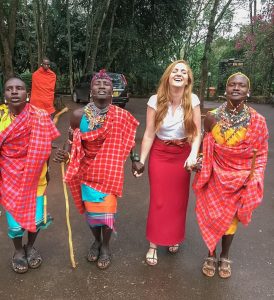
Masai village/ cultural visit in Kenya
Origins of the Swahili Culture
The Swahili culture emerged along the East African coast as early as the 8th century. Through centuries of maritime trade, Arab, Persian, Indian, and Portuguese influences were woven into the fabric of local Bantu cultures, resulting in a hybrid identity that defines the Swahili people today. These influences are still vividly present in language, religion, dress, cuisine, and architecture.
The Kiswahili language, now spoken widely across East Africa, is a powerful symbol of this fusion. Visiting the Swahili coast is more than a holiday; it’s a step back into a unique cultural world that continues to thrive.
Top Destinations for Swahili Cultural Experiences
1. Lamu Old Town
A UNESCO World Heritage Site, Lamu is the heart of Swahili heritage in Kenya. This ancient town, with its narrow alleyways, coral-stone houses, and intricately carved wooden doors, transports visitors to a bygone era. Here, donkeys and dhows remain the primary modes of transport.
In Lamu, Swahili cultural experiences abound. From walking tours of historical sites like Lamu Fort and Riyadha Mosque to visiting traditional craft shops where artisans create jewelry, textiles, and wood carvings, the cultural immersion is profound. The Lamu Cultural Festival, held annually, is a highlight featuring traditional dhow races, poetry readings, and Swahili music and dance.
2. Mombasa Old Town
Another treasure trove of Swahili culture, Mombasa’s Old Town, showcases an intriguing blend of Portuguese, Arab, and British colonial architecture. Fort Jesus, built by the Portuguese in the 16th century, is a must-visit historical landmark. The fort’s museum houses Swahili artifacts, ancient coins, ceramics, and maritime relics.
Walking through the old streets, you’ll see intricately designed doors and balconies, each telling its own story. Numerous cafes serve Swahili coastal dishes like biryani, pilau, and samaki wa kupaka (grilled fish in coconut sauce), allowing you to literally taste the culture.
3. Shela Village
Located just a short boat ride from Lamu Town, Shela is a quieter, picturesque village that offers an intimate encounter with Swahili traditions. It’s ideal for travelers seeking tranquil Swahili cultural experiences without the crowds.
The village is known for its traditional houses and narrow, sandy paths. While there, you can take Swahili cooking classes, participate in dhows cruises, or learn local weaving techniques. The peaceful environment also provides the perfect backdrop for engaging with locals and learning about their daily lives.
Swahili Cuisine: A Flavorful Journey
Food is a central pillar of Swahili culture. Swahili cuisine is a harmonious blend of African, Arabic, Indian, and Portuguese influences. Fresh seafood, coconut milk, aromatic spices, and rice dominate the menu.
Some must-try dishes during your Swahili cultural experiences include:
- Pilau: A spiced rice dish cooked with meat or vegetables.
- Biryani: A rich, layered rice and meat dish, often served during celebrations.
- Viazi karai: Fried, turmeric-spiced potatoes usually served with coconut chutney.
- Mandazi: Sweet, fluffy doughnuts enjoyed with tea.
- Urojo: Also known as Zanzibar mix, this is a spicy soup with potatoes, bhajias, and mango chutney.
In many coastal towns, you can join a cooking class to learn how these dishes are prepared and understand the stories behind them.
Music and Dance
Traditional Swahili music is deeply expressive, often blending African rhythms with Arabic melodies and instruments. The most well-known genre is Taarab, characterized by poetic lyrics, violins, oud, and percussion instruments. Taarab performances are common during weddings, festivals, and other communal gatherings.
Visitors can enjoy live music sessions in cultural centers, festivals, or even local weddings (with permission). Participating in dance, especially during communal events, adds to the richness of Swahili cultural experiences in Kenya.
Architecture and Design
Swahili architecture is instantly recognizable and incredibly photogenic. Homes and mosques are built using coral stone and lime, with large wooden doors intricately carved with geometric patterns and Quranic inscriptions. Verandas and courtyards offer cool shelter from the coastal heat.
These architectural features are not only aesthetically pleasing but also carry cultural and spiritual significance. Many local guides offer walking tours focused on Swahili architecture, allowing visitors to learn about building techniques, materials, and the symbolism embedded in various designs.
Religious and Spiritual Life
The majority of the Swahili population practices Islam, and religious life plays a significant role in daily routines and cultural practices. Mosques serve not only as places of worship but also as community centers.
During your Swahili cultural experiences, you may witness daily prayers, hear the call to prayer echoing through the streets, or observe religious festivals such as Eid al-Fitr and Eid al-Adha. Respect for local customs and dressing modestly when visiting religious sites is encouraged.
Handicrafts and Souvenirs
Swahili communities are renowned for their artistic skills. Common handicrafts include:
- Kanga and Kikoy fabrics: Vibrant textiles worn as garments or wraps.
- Hand-carved wooden items: Including furniture, utensils, and decorative items.
- Beaded jewelry: Made by local women’s cooperatives and often bearing cultural symbolism.
Many cultural centers and workshops allow tourists to engage in the creation process, providing hands-on experiences and deeper understanding.
Festivals and Celebrations
Participating in local festivals is one of the most enjoyable ways to delve into Swahili cultural experiences. Beyond the Lamu Cultural Festival, notable events include:
- Maulidi Festival: Celebrates the birth of Prophet Muhammad, combining religious devotion with cultural performances.
- Mombasa Carnival: A vibrant street parade showcasing the diversity of Kenya’s coastal communities through floats, music, and dance.
These festivals are a spectacle of color, sound, and community spirit, offering visitors the opportunity to celebrate alongside locals.
Swahili Hospitality
Hospitality is deeply ingrained in Swahili culture. Guests are considered blessings, and hosts go out of their way to make visitors feel at home. Traditional greetings, warm smiles, and sharing meals are all part of the welcome.
Homestay programs in Lamu, Mombasa, and other coastal towns allow tourists to live with local families, offering firsthand experience of Swahili domestic life, including meal preparation, religious practices, and daily routines.
Language and Communication
While English is widely spoken, learning a few Swahili phrases enhances your travel experience and earns the appreciation of locals. Words like “Karibu” (welcome), “Asante” (thank you), and “Habari” (hello) go a long way.
Many cultural centers and tour operators offer short language lessons as part of their Swahili cultural experiences packages.
Tips for a Respectful Visit
- Dress modestly, especially when visiting religious sites or villages.
- Ask for permission before taking photos of people.
- Learn basic Swahili greetings to engage respectfully.
- Support local artisans and guides by buying souvenirs directly from them.
Conclusion
Swahili culture is an integral part of Kenya’s identity, especially along its enchanting coastline. From the historic alleyways of Lamu to the vibrant markets of Mombasa, Swahili cultural experiences are a journey through time, tradition, and warmth. Whether you’re exploring centuries-old architecture, savoring coastal dishes, or dancing to the rhythms of Taarab music, each moment offers a chance to connect more deeply with the spirit of the Swahili coast.
For culturally curious travelers, the Swahili coast is not just a destination—it’s an experience, an education, and a heartfelt welcome all wrapped into one unforgettable journey.
Swahili Cultural Experiences in Kenya
Kenya, celebrated for its dramatic landscapes and incredible wildlife, also boasts a rich tapestry of cultures, with Swahili heritage standing out prominently along the coast. The Swahili people, descendants of African, Arab, and Persian traders, have shaped a vibrant coastal culture that’s as captivating as it is unique. When it comes to immersive travel, Swahili cultural experiences in Kenya offer something truly special: a blend of traditional music, flavorful cuisine, ancient architecture, and warm hospitality.
Origins of the Swahili Culture
The Swahili culture emerged along the East African coast as early as the 8th century. Through centuries of maritime trade, Arab, Persian, Indian, and Portuguese influences were woven into the fabric of local Bantu cultures, resulting in a hybrid identity that defines the Swahili people today. These influences are still vividly present in language, religion, dress, cuisine, and architecture.
The Kiswahili language, now spoken widely across East Africa, is a powerful symbol of this fusion. Visiting the Swahili coast is more than a holiday; it’s a step back into a unique cultural world that continues to thrive.
Top Destinations for Swahili Cultural Experiences
1. Lamu Old Town
A UNESCO World Heritage Site, Lamu is the heart of Swahili heritage in Kenya. This ancient town, with its narrow alleyways, coral-stone houses, and intricately carved wooden doors, transports visitors to a bygone era. Here, donkeys and dhows remain the primary modes of transport.
In Lamu, Swahili cultural experiences abound. From walking tours of historical sites like Lamu Fort and Riyadha Mosque to visiting traditional craft shops where artisans create jewelry, textiles, and wood carvings, the cultural immersion is profound. The Lamu Cultural Festival, held annually, is a highlight featuring traditional dhow races, poetry readings, and Swahili music and dance.
2. Mombasa Old Town
Another treasure trove of Swahili culture, Mombasa’s Old Town, showcases an intriguing blend of Portuguese, Arab, and British colonial architecture. Fort Jesus, built by the Portuguese in the 16th century, is a must-visit historical landmark. The fort’s museum houses Swahili artifacts, ancient coins, ceramics, and maritime relics.
Walking through the old streets, you’ll see intricately designed doors and balconies, each telling its own story. Numerous cafes serve Swahili coastal dishes like biryani, pilau, and samaki wa kupaka (grilled fish in coconut sauce), allowing you to literally taste the culture.
3. Shela Village
Located just a short boat ride from Lamu Town, Shela is a quieter, picturesque village that offers an intimate encounter with Swahili traditions. It’s ideal for travelers seeking tranquil Swahili cultural experiences without the crowds.
The village is known for its traditional houses and narrow, sandy paths. While there, you can take Swahili cooking classes, participate in dhows cruises, or learn local weaving techniques. The peaceful environment also provides the perfect backdrop for engaging with locals and learning about their daily lives.
Swahili Cuisine: A Flavorful Journey
Food is a central pillar of Swahili culture. Swahili cuisine is a harmonious blend of African, Arabic, Indian, and Portuguese influences. Fresh seafood, coconut milk, aromatic spices, and rice dominate the menu.
Some must-try dishes during your Swahili cultural experiences include:
- Pilau: A spiced rice dish cooked with meat or vegetables.
- Biryani: A rich, layered rice and meat dish, often served during celebrations.
- Viazi karai: Fried, turmeric-spiced potatoes usually served with coconut chutney.
- Mandazi: Sweet, fluffy doughnuts enjoyed with tea.
- Urojo: Also known as Zanzibar mix, this is a spicy soup with potatoes, bhajias, and mango chutney.
In many coastal towns, you can join a cooking class to learn how these dishes are prepared and understand the stories behind them.
Music and Dance
Traditional Swahili music is deeply expressive, often blending African rhythms with Arabic melodies and instruments. The most well-known genre is Taarab, characterized by poetic lyrics, violins, oud, and percussion instruments. Taarab performances are common during weddings, festivals, and other communal gatherings.
Visitors can enjoy live music sessions in cultural centers, festivals, or even local weddings (with permission). Participating in dance, especially during communal events, adds to the richness of Swahili cultural experiences in Kenya.
Architecture and Design
Swahili architecture is instantly recognizable and incredibly photogenic. Homes and mosques are built using coral stone and lime, with large wooden doors intricately carved with geometric patterns and Quranic inscriptions. Verandas and courtyards offer cool shelter from the coastal heat.
These architectural features are not only aesthetically pleasing but also carry cultural and spiritual significance. Many local guides offer walking tours focused on Swahili architecture, allowing visitors to learn about building techniques, materials, and the symbolism embedded in various designs.
Religious and Spiritual Life
The majority of the Swahili population practices Islam, and religious life plays a significant role in daily routines and cultural practices. Mosques serve not only as places of worship but also as community centers.
During your Swahili cultural experiences, you may witness daily prayers, hear the call to prayer echoing through the streets, or observe religious festivals such as Eid al-Fitr and Eid al-Adha. Respect for local customs and dressing modestly when visiting religious sites is encouraged.
Handicrafts and Souvenirs
Swahili communities are renowned for their artistic skills. Common handicrafts include:
- Kanga and Kikoy fabrics: Vibrant textiles worn as garments or wraps.
- Hand-carved wooden items: Including furniture, utensils, and decorative items.
- Beaded jewelry: Made by local women’s cooperatives and often bearing cultural symbolism.
Many cultural centers and workshops allow tourists to engage in the creation process, providing hands-on experiences and deeper understanding.
Festivals and Celebrations
Participating in local festivals is one of the most enjoyable ways to delve into Swahili cultural experiences. Beyond the Lamu Cultural Festival, notable events include:
- Maulidi Festival: Celebrates the birth of Prophet Muhammad, combining religious devotion with cultural performances.
- Mombasa Carnival: A vibrant street parade showcasing the diversity of Kenya’s coastal communities through floats, music, and dance.
These festivals are a spectacle of color, sound, and community spirit, offering visitors the opportunity to celebrate alongside locals.
Swahili Hospitality
Hospitality is deeply ingrained in Swahili culture. Guests are considered blessings, and hosts go out of their way to make visitors feel at home. Traditional greetings, warm smiles, and sharing meals are all part of the welcome.
Homestay programs in Lamu, Mombasa, and other coastal towns allow tourists to live with local families, offering firsthand experience of Swahili domestic life, including meal preparation, religious practices, and daily routines.
Language and Communication
While English is widely spoken, learning a few Swahili phrases enhances your travel experience and earns the appreciation of locals. Words like “Karibu” (welcome), “Asante” (thank you), and “Habari” (hello) go a long way.
Many cultural centers and tour operators offer short language lessons as part of their Swahili cultural experiences packages.
Tips for a Respectful Visit
- Dress modestly, especially when visiting religious sites or villages.
- Ask for permission before taking photos of people.
- Learn basic Swahili greetings to engage respectfully.
- Support local artisans and guides by buying souvenirs directly from them.
Swahili culture is an integral part of Kenya’s identity, especially along its enchanting coastline. From the historic alleyways of Lamu to the vibrant markets of Mombasa, Swahili cultural experiences are a journey through time, tradition, and warmth. Whether you’re exploring centuries-old architecture, savoring coastal dishes, or dancing to the rhythms of Taarab music, each moment offers a chance to connect more deeply with the spirit of the Swahili coast.
For culturally curious travelers, the Swahili coast is not just a destination—it’s an experience, an education, and a heartfelt welcome all wrapped into one unforgettable journey. Book Now!
Recommended Tours: 8 Days Kenya Wildlife Safari | 4 Days Amboseli & Masai Mara













