Training Plan for Gorilla Trekking: Six Weeks to Get Ready
Following a six-week training plan for gorilla trekking can help you prepare physically for the steep slopes, uneven trails and extended walking distances found in Uganda and Rwanda’s mountain forests. Although you do not need to be an experienced athlete, reasonable fitness makes the experience more comfortable.
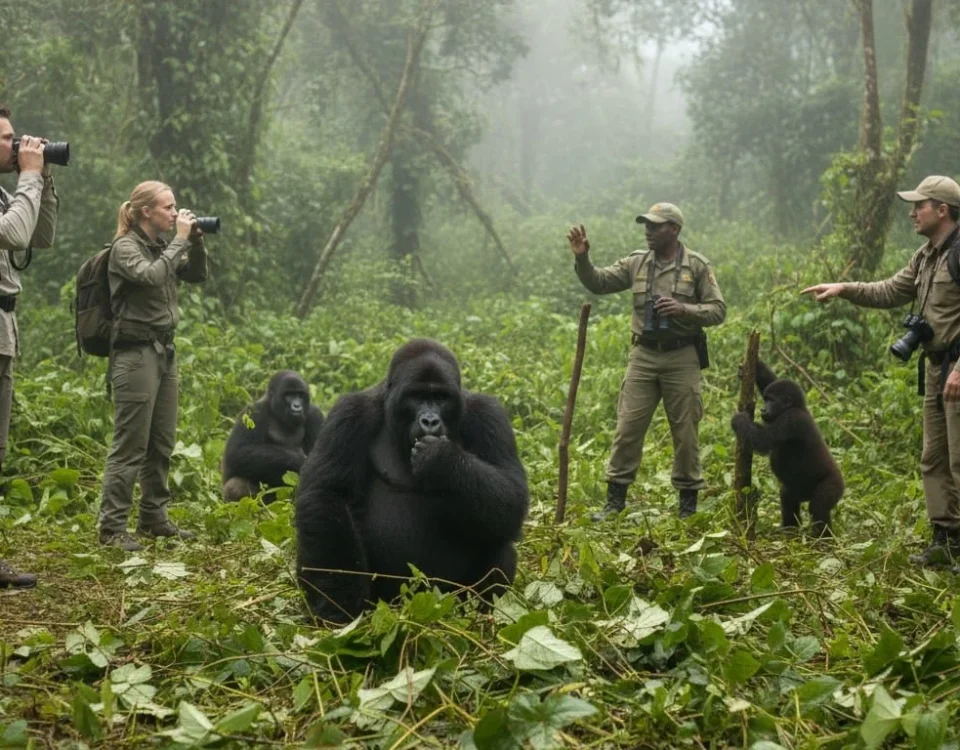
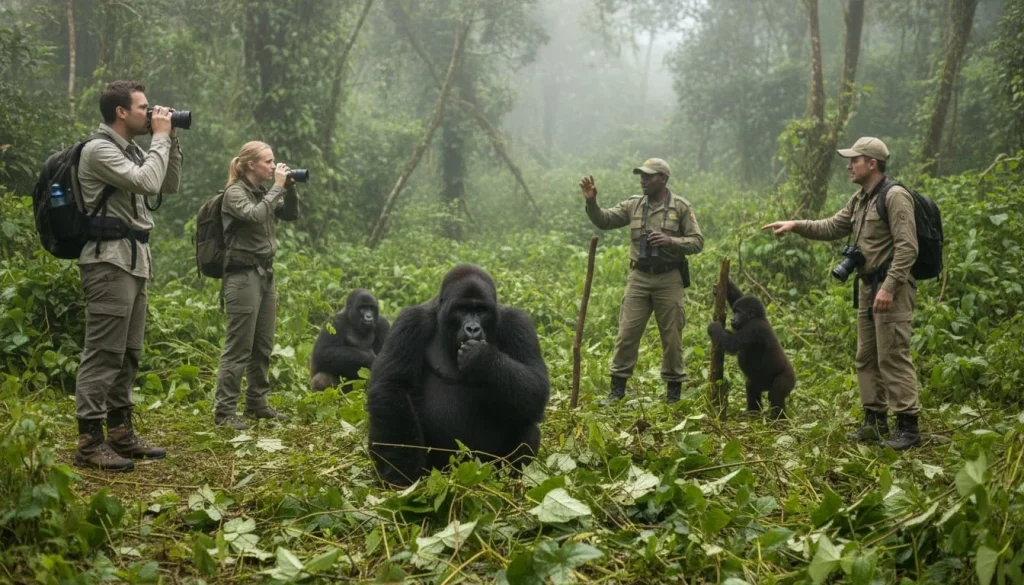
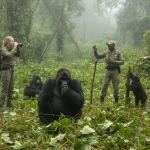
Gorilla trekking can involve several hours of walking through dense vegetation, crossing muddy valleys and climbing demanding hillsides. The duration depends largely on the location of your assigned gorilla family.
Preparing before departure helps improve your endurance, leg strength, balance and confidence. It also gives you time to become familiar with your hiking boots, walking sticks and daypack.
Whether you are visiting Bwindi Impenetrable National Park, Mgahinga Gorilla National Park or Volcanoes National Park, this six-week exercise programme provides a practical approach to preparing for your forest adventure without requiring expensive gym equipment.
How Fit Do You Need to Be for Gorilla Trekking?
Gorilla trekking requires moderate physical fitness, but the difficulty varies considerably between individual treks. Some visitors locate their assigned gorilla family within an hour, while others spend several hours walking through mountainous terrain.
The main physical challenges include steep climbs, slippery descents, prolonged walking, high humidity and increased breathing effort at higher elevations.
Before beginning your training programme, consider whether you can comfortably walk for an hour without experiencing excessive fatigue. Your answer will help determine your starting exercise intensity.
Travellers with existing heart conditions, respiratory illnesses, joint problems or significant mobility limitations should consult a healthcare professional before beginning a demanding exercise programme.
Six-Week Training Plan for Gorilla Trekking
The following programme gradually increases walking duration, strength exercises and hiking difficulty.
| Training week | Walking duration per session | Main training objective |
|---|---|---|
| Week 1 | 20–30 minutes | Establish walking endurance |
| Week 2 | 30–40 minutes | Improve cardiovascular fitness |
| Week 3 | 40–50 minutes | Introduce hill walking |
| Week 4 | 45–60 minutes | Develop strength and balance |
| Week 5 | 60–90 minutes | Practise realistic trekking conditions |
| Week 6 | 20–40 minutes | Maintain fitness and recover |
These targets are flexible. If you currently lead a sedentary lifestyle, begin with shorter sessions and progress according to your abilities.
Week 1: Establish Your Walking Routine
The first week focuses on developing a consistent exercise routine without placing unnecessary stress on your body.
Walk for 20 to 30 minutes on relatively flat surfaces four or five days during the week. Maintain a comfortable pace that allows you to hold a conversation.
Begin incorporating gentle stretching and basic strengthening exercises.
Practise standing on one leg while holding a stable support to develop balance.
At this stage, consistency is more important than walking speed or distance. Allow sufficient recovery between sessions, especially if you have not exercised regularly.
Week 2: Improve Cardiovascular Endurance
During the second week, gradually increase your walking duration to approximately 30 to 40 minutes per session.
Introduce slightly faster walking intervals while maintaining manageable breathing.
If you live in an urban area without access to natural hiking trails, local parks, gentle staircases and neighbourhood roads provide suitable training environments.
Add two light strength-training sessions during the week. Focus on your legs, hips and core muscles.
Begin wearing your intended gorilla trekking boots during selected walks. This allows you to identify uncomfortable pressure points before travelling.
Week 3: Introduce Hills and Uneven Terrain
Flat walking provides useful cardiovascular preparation, but gorilla trekking involves considerably more varied terrain.
During week three, introduce gentle uphill and downhill walking.
Aim for approximately 40 to 50 minutes per walking session if your previous training has been comfortable.
Practise taking shorter steps when climbing and maintaining controlled movements when descending.
Walking downhill is particularly important because it requires your thigh muscles to control your body weight and movement.
Begin using a walking stick or trekking poles if you intend to carry them during your safari.
Week 4: Build Strength and Balance
By the fourth week, your training should increasingly reflect the conditions you may encounter during gorilla trekking.
Include longer walks lasting approximately 45 to 60 minutes. Choose routes containing gentle slopes and uneven surfaces where safe.
Introduce a lightweight daypack containing one or two litres of water, a waterproof jacket and other small items.
Continue performing strength exercises twice weekly.
Pay attention to your balance when stepping over obstacles, walking downhill or changing direction. These movements are common when navigating Bwindi’s exposed tree roots and narrow forest trails.
Week 5: Practise Realistic Trekking Conditions
Week five is the most demanding stage of the six-week training plan for gorilla trekking.
Complete several moderate walks lasting between 60 and 90 minutes. If your fitness allows, include one longer weekend hike lasting approximately two hours or more, with regular breaks.
Wear your trekking boots, hiking socks and daypack.
Carry your walking stick and practise drinking water during rest periods.
The objective is to become comfortable with sustained physical activity rather than testing your maximum endurance.
If you experience persistent joint pain or unusual fatigue, reduce your exercise intensity and allow additional recovery time.
Week 6: Reduce Exercise Intensity Before Departure
Your final training week should focus on recovery rather than increasing fitness.
Reduce walking sessions to approximately 20 to 40 minutes and avoid unusually demanding hikes.
Continue gentle stretching and light physical activity.
Give your muscles sufficient time to recover before your international flight and subsequent gorilla trek.
Arriving in Uganda or Rwanda with sore muscles, blisters or an exercise-related injury can undermine the benefits of your preparation.
Best Strength Exercises for Gorilla Trekking
Strong legs and good balance are particularly useful when climbing steep slopes and descending muddy forest trails.
The following exercises require little or no specialist equipment.
| Exercise | Suggested repetitions | Main benefit |
|---|---|---|
| Chair squats | 8–12 | Strengthens thighs and hips |
| Step-ups | 8–10 per leg | Prepares muscles for climbing |
| Supported lunges | 6–10 per leg | Improves leg strength |
| Calf raises | 10–15 | Strengthens lower legs |
| Standing balance | 15–30 seconds per leg | Improves stability |
| Wall push-ups | 8–12 | Develops upper-body strength |
| Modified plank | 15–30 seconds | Strengthens core muscles |
Start with one set of each suitable exercise and gradually increase to two sets as your strength improves.
Use stable supports when necessary and avoid exercises that cause pain.
Sample Weekly Gorilla Trekking Training Schedule
This schedule can be adapted throughout the six-week programme by adjusting walking duration and intensity.
| Day | Training activity |
|---|---|
| Monday | Moderate walking |
| Tuesday | Strength and balance exercises |
| Wednesday | Hill walking or gentle stair climbing |
| Thursday | Rest or gentle stretching |
| Friday | Walking and light strength exercises |
| Saturday | Longer outdoor hike |
| Sunday | Rest and recovery |
Adults are generally encouraged to complete at least 150 minutes of moderate physical activity each week, alongside muscle-strengthening exercises on two days. However, beginners should build towards these targets gradually.
Training for Different Gorilla Trekking Destinations
Bwindi Impenetrable National Park
Bwindi contains steep forest valleys, mountain ridges and slippery trails. Visitors should prioritise hill walking, controlled descents and balance exercises.
Rushaga and Nkuringo can present demanding terrain, although trekking difficulty depends on the gorillas’ location.
Mgahinga Gorilla National Park
Mgahinga’s volcanic landscapes require preparation for sustained walking and changing elevations.
Stair climbing, uphill walking and cardiovascular exercises provide useful preparation.
Volcanoes National Park
Rwanda’s mountain gorilla habitats contain bamboo forests, steep slopes and elevated terrain.
Focus on walking endurance, leg strength and comfortable breathing during sustained physical activity.
Remember that physical fitness does not prevent altitude sickness. Allow appropriate acclimatisation time before undertaking activities at higher elevations.
Training With Your Gorilla Trekking Equipment
Practising with your equipment before travelling can reveal problems that might otherwise become apparent inside the forest.
Wear your waterproof hiking boots, long trousers and trekking socks during longer training walks.
Gradually introduce your daypack and become familiar with its weight.
Practise adjusting trekking poles, accessing drinking water and removing waterproof clothing without unpacking your entire bag.
If you intend to carry a camera, include its approximate weight during selected practice hikes.
Common Training Mistakes to Avoid
Many travellers concentrate exclusively on walking distance while overlooking hill training, balance and downhill movement.
Others purchase new hiking boots immediately before departure or increase their exercise intensity too quickly.
Avoid training through sharp pain, unusual breathlessness or persistent exhaustion. Stop exercising and seek medical advice if concerning symptoms develop.
Hiring a local porter during your gorilla trek can also reduce physical strain, particularly when carrying photography equipment.
Frequently Asked Questions
Are six weeks enough to prepare for gorilla trekking?
Six weeks can provide useful improvements in endurance, strength and walking confidence. Travellers with limited fitness may benefit from a longer preparation period.
Do I need to join a gym before gorilla trekking?
No. Regular walking, hill training, stair climbing and basic bodyweight exercises provide practical preparation.
Can senior travellers follow this training programme?
Yes, with suitable modifications according to their health, fitness and mobility. Professional medical advice may be necessary before beginning.
Should I train with a heavy backpack?
Start with a lightweight daypack and gradually increase its weight according to your actual trekking equipment. Unnecessarily heavy training loads are not recommended.
Can I prepare for gorilla trekking using a treadmill?
Yes. Incline treadmill walking can improve cardiovascular endurance and climbing fitness. However, outdoor walking provides additional preparation for uneven surfaces.
Should I exercise the day before gorilla trekking?
Gentle walking and stretching are generally sufficient. Avoid strenuous exercise that could leave you tired or uncomfortable the following morning.
A six-week training plan for gorilla trekking provides a practical opportunity to improve your endurance, leg strength, balance and confidence before visiting Uganda or Rwanda.
Begin gradually, introduce hill walking, practise using your trekking equipment and allow sufficient recovery time.
You do not need exceptional athletic ability to enjoy mountain gorilla trekking. Preparing according to your physical capabilities and maintaining a comfortable pace can help you reach the gorillas with enough energy to appreciate the encounter.